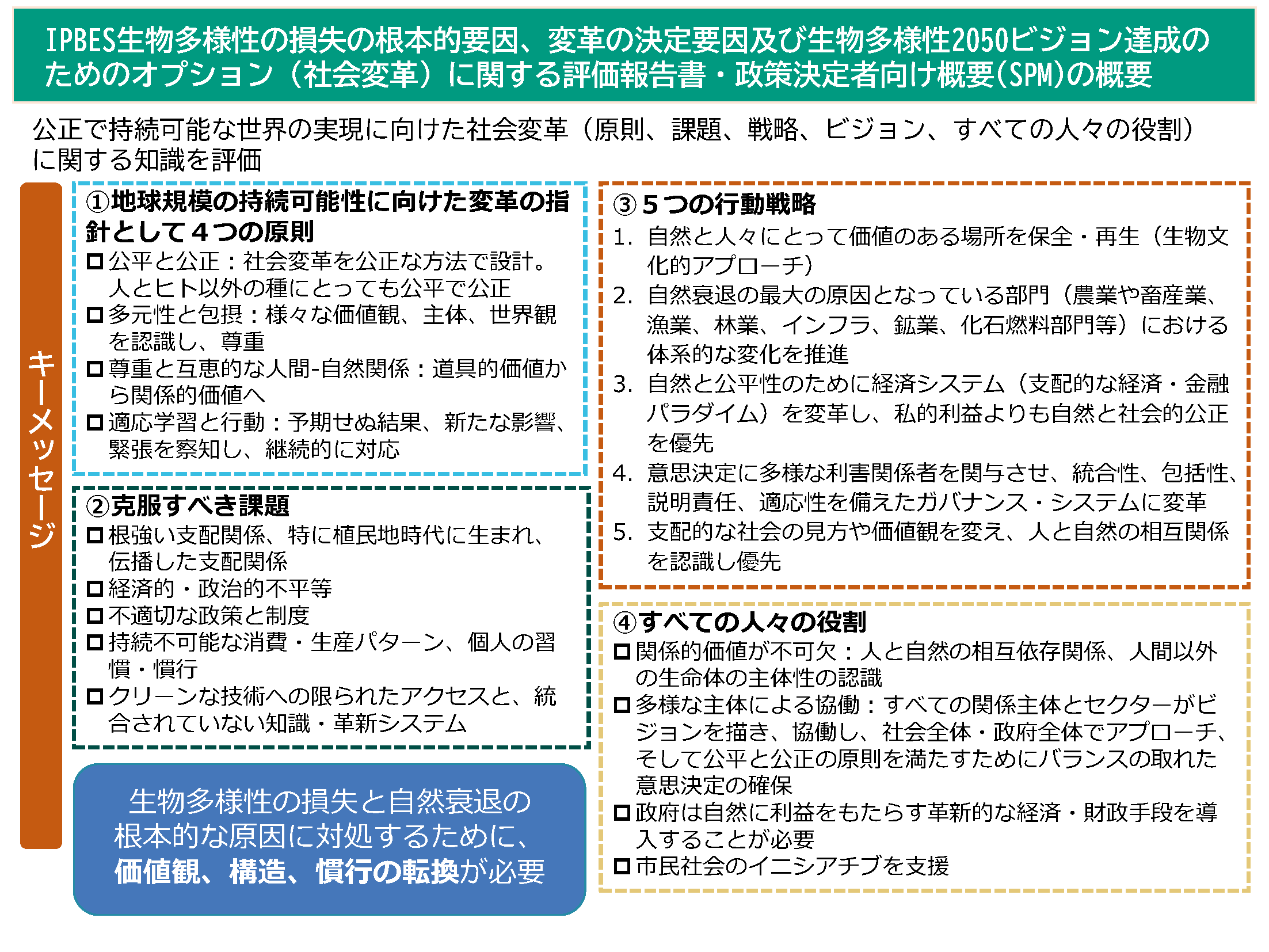
Chapter 5 presents quantitative and qualitative insights on actions and instruments around five strategies to bring about transformative change. Together these strategies address direct and indirect drivers (including underlying causes) of biodiversity loss and nature’s decline (Chapter 1) with explicit attention to overcoming the specific...
A clean energy transition can not only help rebuild the energy landscape of small island developing states (SIDS) but also boost their resilience and long-term development prospects. This study employs the Open-Source Energy Modeling System (OSeMOSYS) model to analyze low-carbon transition pathways for Mauritius, which are aligned with its...
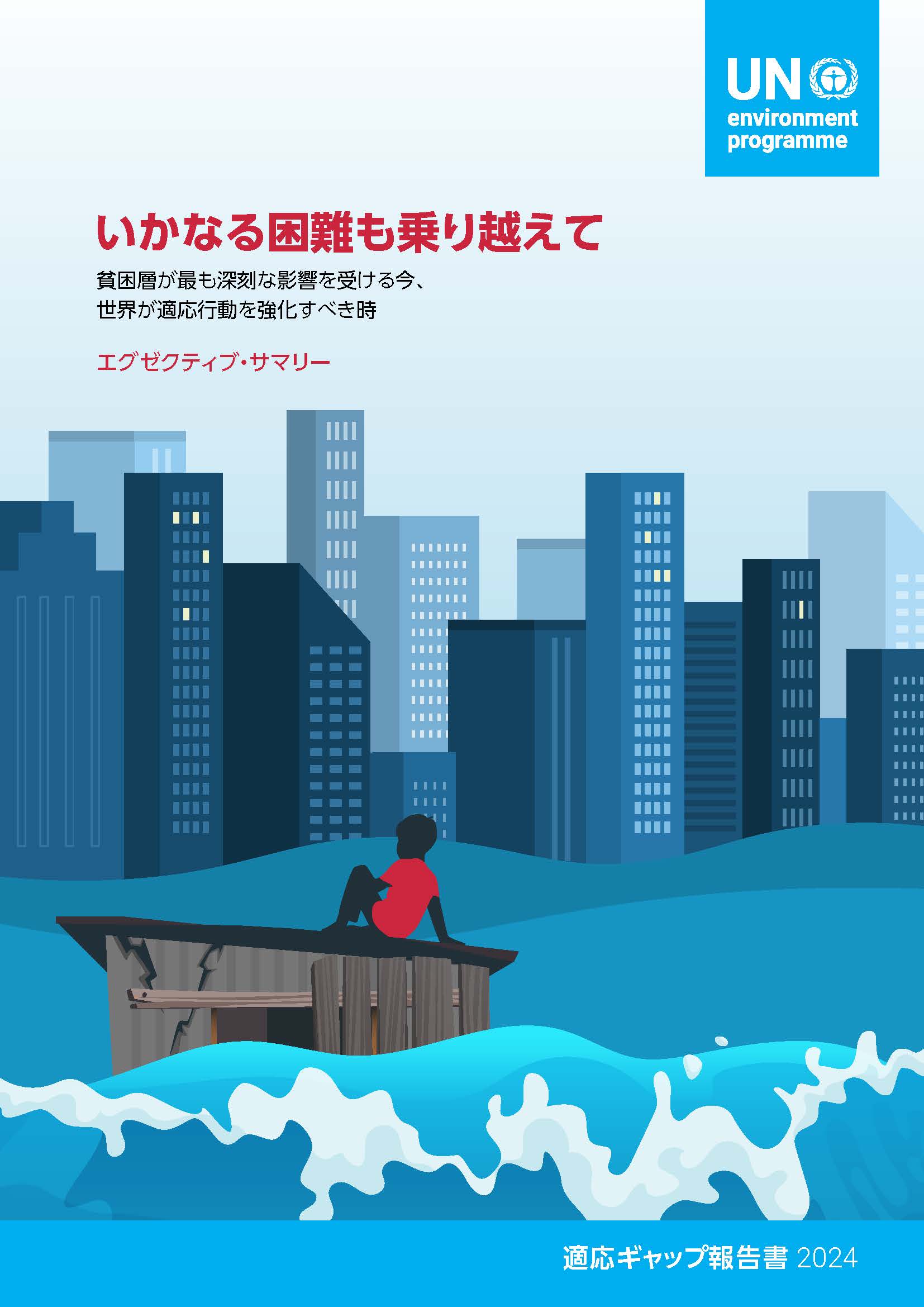
国連環境計画(UNEP)報告書「Adaptation Gap Report 2024: Come hell and high water — As fires and floods hit the poor hardest, it is time for the world to step up adaptation actions - Executive Summary」の日本語翻訳版(暫定非公式訳)。適応策の計画・実施・資金動員に関する進捗報告と評価を提供している。適応資金ギャップの解消に向けて資金動員の促進要因を検討しているほか、適応行動の効果を高める能力構築と技術移転に関する提言を行っている。また、国連気候変動枠組条約第28回締約国会議(COP28)で合意された...
We attempted to show how to achieve a mitigation-adaptation integrated transition in agriculture sector by conducting a case study in coffee sector of Viet Nam. The factors facilitating an integrated transition of mitigation were: Private initiative lead by importers for sustainable coffee production has already started SAPs has synergies to...
This T7 Policy Brief discusses the G7 countries' roles in addressing the global security challenge caused by climate change and energy insecurity. It is a collaborative output of adelphi (Germany), Manzil Pakistan, and IGES. Key Points: Climate change undermines national and human security in and beyond G7 countries, especially in fragile regions...