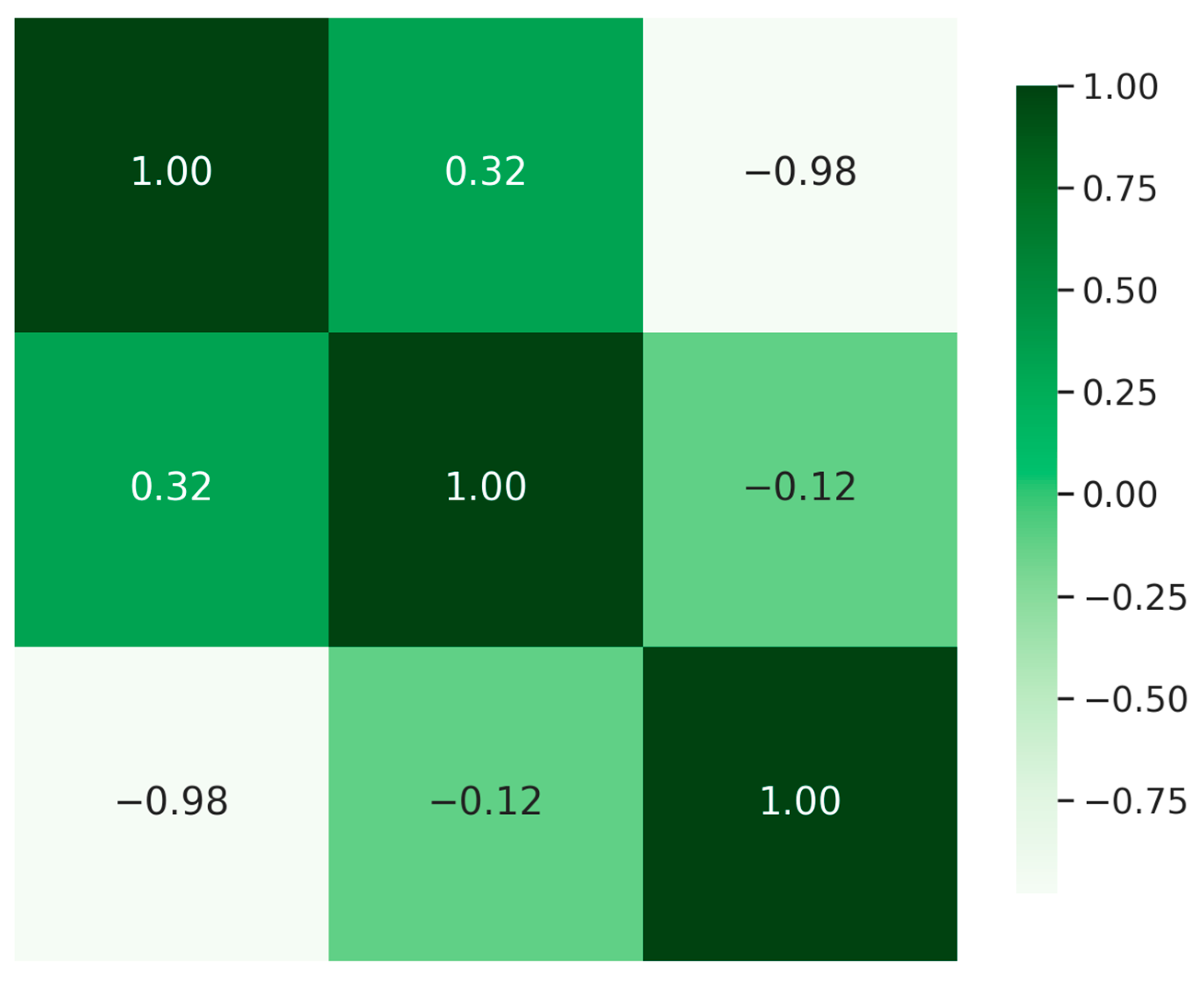
Urban green spaces (UGSs) are vital in enhancing environmental quality, social well-being, and climate resilience, yet their distribution and accessibility remain uneven in many rapidly urbanizing cities. The 3–30–300 rule offers a structured guideline with which to assess urban greenness, emphasizing tree visibility, canopy cover, and green space...
The Regional Circulating and Ecological Sphere (Regional-CES) is a guiding concept for environmental policies to support the achievement of the Sustainable Development Goals (SDGs) in urban and rural communities with maximum utilisation of local strengths and resources. To promote the Regional-CES concept as a useful guiding principle, a scoping...
Microplastics, or fragments of plastic smaller than 5 millimeters in size, have received considerable attention in recent years. As these microscopic particles enter our oceans, water sources, and even the air we breathe, concerns about their impact on human health have increased, particularly in Asia, a region experiencing rapid industrialization...
This technical report serves as a comprehensive guide, offering practical insights and methodologies for the implementation of decentralized wastewater management (DWM) systems within the ASEAN region. It aims to provide a flexible framework adaptable to the diverse environmental, cultural, and economic contexts of ASEAN countries—fostering...
By emphasizing the need for co-creative international cooperation, mutual learning and innovation between developed and emerging economies, this paper presents a case study on a city-to-city partnership between the cities of Da Nang, Viet Nam and Yokohama, Japan, focusing on development of collaborative actions on waste source segregation and...
The articles of this virtual special issue of sustainable circular economy section in International society for Industrial Ecology, compiling a list of exciting and prominent studies published in the JIE through the end of the year 2023.