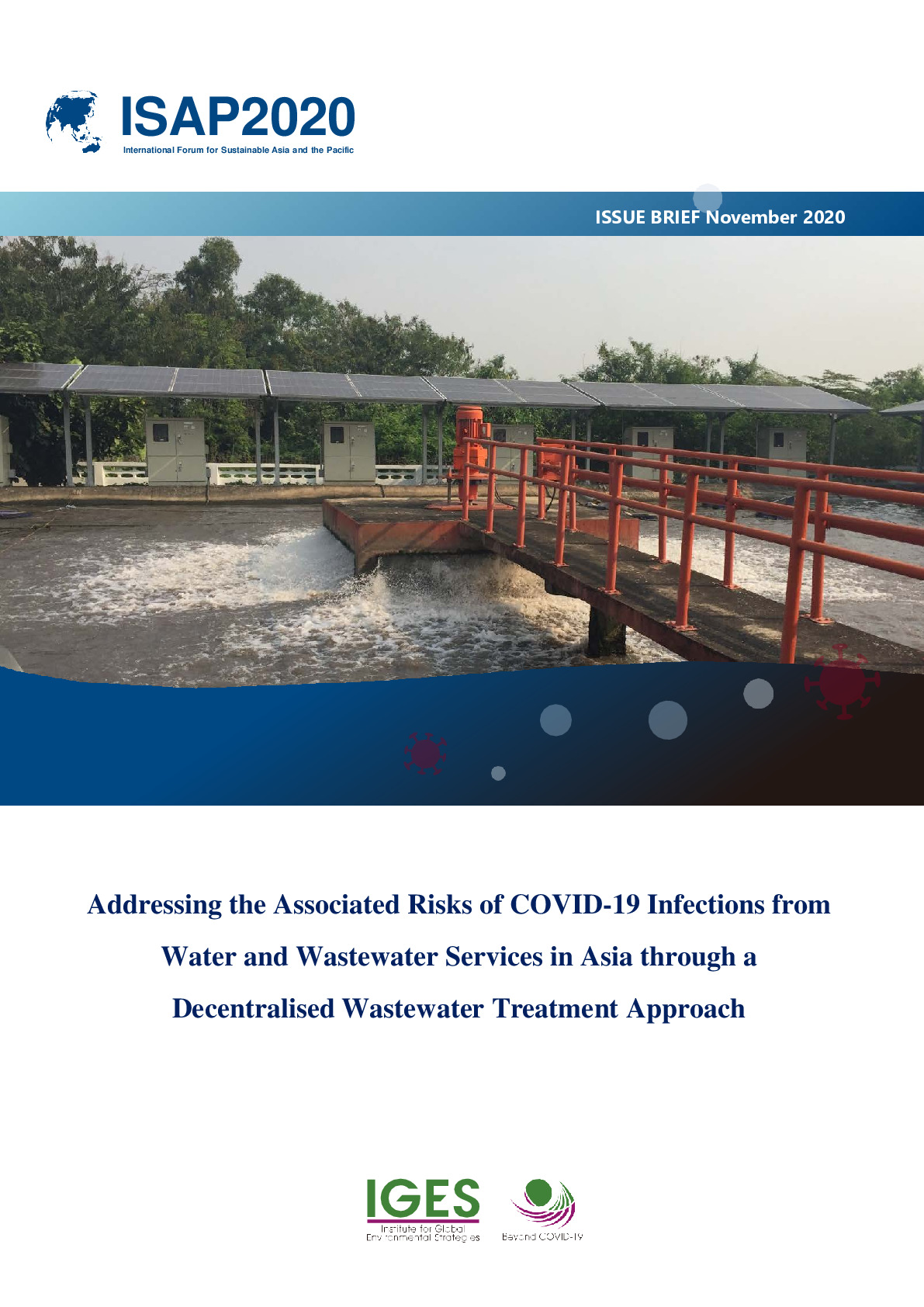
This Issue Brief has been developed for the discussion at the International Forum for Sustainable Asia and the Pacific (ISAP2020), organized by the Institute for Global Environmental Strategies (IGES) from 9th -13rd November 2020. This Issue Brief aims to: (i) facilitate discussion on the need to properly address the existing issue of poor...
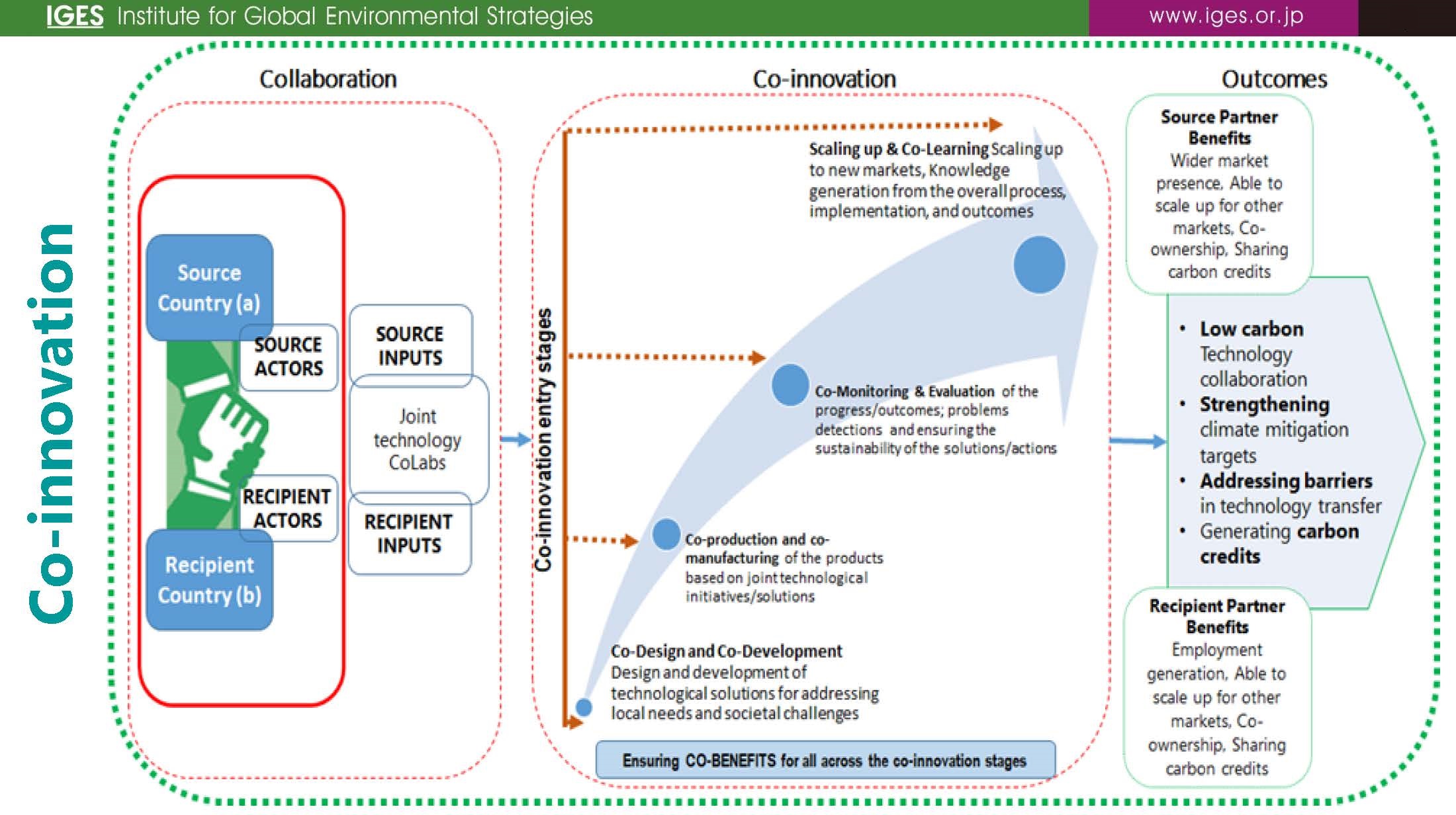
International collaboration in technological innovation is critical in redesigning economies as countries are shaping strategies to address COVID-19 impacts. This presentation was made at the Regional Workshop on ‘New Paradigms of Innovation and Technology to Address the Challenges of Covid-19 Pandemic’. 3. 11. 2020 | held at Tashkent, Uzbekistan...
This catalogue has been produced for the workshops and home experiments organised by the 1.5ºC Lifestyle Project. A decarbonised lifestyle to reduce the carbon footprint (CFP), including CO₂ emissions plus CO₂ equivalent of the other greenhouse gas (GHG) emissions, per Japanese person from 7,600 kg per year (2015) to 2,500 kg per year (about 1/3)...
United States Environmental Protection Agency (US-EPA)
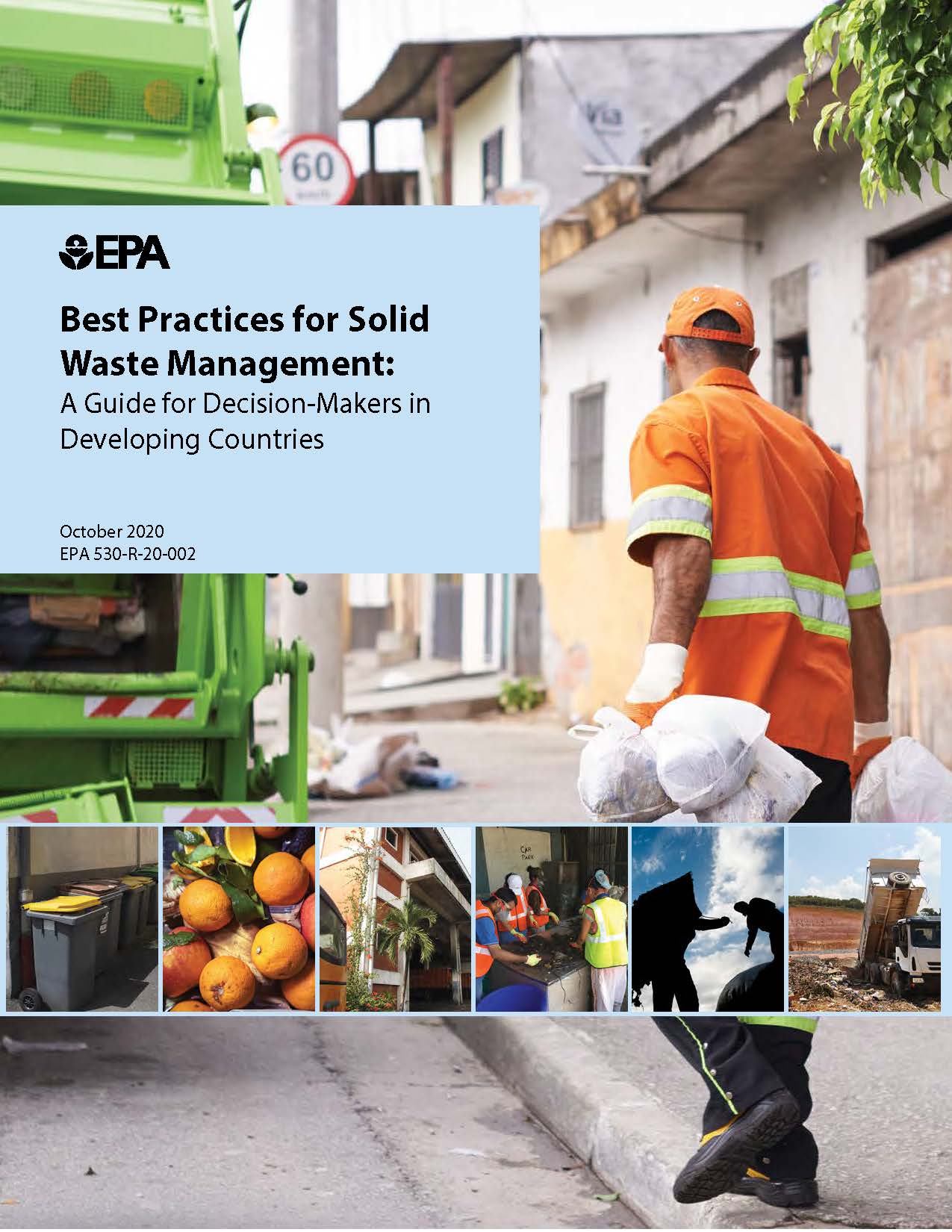
The Best Practices for Solid Waste Management: A Guide for Decision-Makers in Developing Countries (Guide) is focused on best practices for solid waste management in medium and large urban centers in developing countries (generally referred to as “cities” in the Guide), because they face the most substantial solid waste management challenges. Given...
Bhutan is a rapidly growing economy currently undergoing swift and extensive rural-to-urban migration. Its commitment to carbon neutrality, as well as its unique Gross National Happiness (GNH) objectives, make Bhutan a fascinating laboratory for studying sustainable development strategies and how they can be specifically tailored to align with...