

Research Manager
Research Topics & Areas of Expertise
Ecosystem and biodiversity conservation
Sustainable rural development
Blue carbon ecosystems
Sustainable tourism
Disaster risk management
Education
MSc: International Relations, Stockholm University (2014)
Results 1 to 10 of 61 (Sorted by date)
Policy Report
The Asia-Pacific Synergies Report synthesizes experiences from the Asia-Pacific region on translating synergies into practical, policy-relevant lessons for national and subnational policymakers and other stakeholders. The report argues that synergies should be positioned as a core organizing principle in policies and actions toward 2030 and beyond...
Report Chapter
In Asia-Pacific Synergies Report: Advancing Synergistic Solutions to the Triple Planetary Crisis and the SDGs
Just as nature is the foundation of life on Earth, biodiversity provides the essential ‘ecosystem services’ required to sustain that foundation (e.g. food, water, medicines, fuel, water and climate regulation, pollination, aesthetic value, recreation, spirituality, education). Yet, globally that foundation is weakening as at least a million animal...
Policy Report
As the Asia-Pacific region navigates the complex intersections of climate change, biodiversity loss, and systemic pollution, the need for integrated, cross-sectoral action has never been more evident. While high-level reports frequently emphasize the theoretical value of synergistic approaches—strategies that align multiple policy goals to maximize...
Commissioned Report
本業務は、アジア太平洋地域の国々の取組強化に資するとともに、同地域の動向や先駆的な取組を国際社会へ発信し、国連における2030年以降の持続可能な開発に関する国際枠組の議論へのインプットを目指すため、アジア太平洋地域特有の観点からシナジー推進の優良事例や展開方策を「アジア太平洋シナジーレポート」としてとりまとめることを目的としたものである。昨年度(令和6年度)業務において策定された企画書に基づき、ESCAP、UNEP、ADB等の関係機関と調整しつつ、生物多様性や都市等の個別テーマ(チャプター)の検討、地域特有の課題抽出、及びシナジーアプローチ実施に向けた提言の策定に向け、事務局として各種とりまとめ作業を進めた。
Commissioned Report
本業務では、我が国が効果的にIPBES に貢献するとともに、国内でのIPBES 成果を普及し、科学的知見に基づく生物多様性に関する取組を国内で推進することを目的に、IPBES 総会に関する政府対応支援や、日本国内の専門家や関係省庁担当者間のIPBES関連情報の共有・意見交換を目的とした会合の開催等を行った。本報告書はその業務成果をとりまとめたものである。
Keywords:
PR, Newsletter or Other
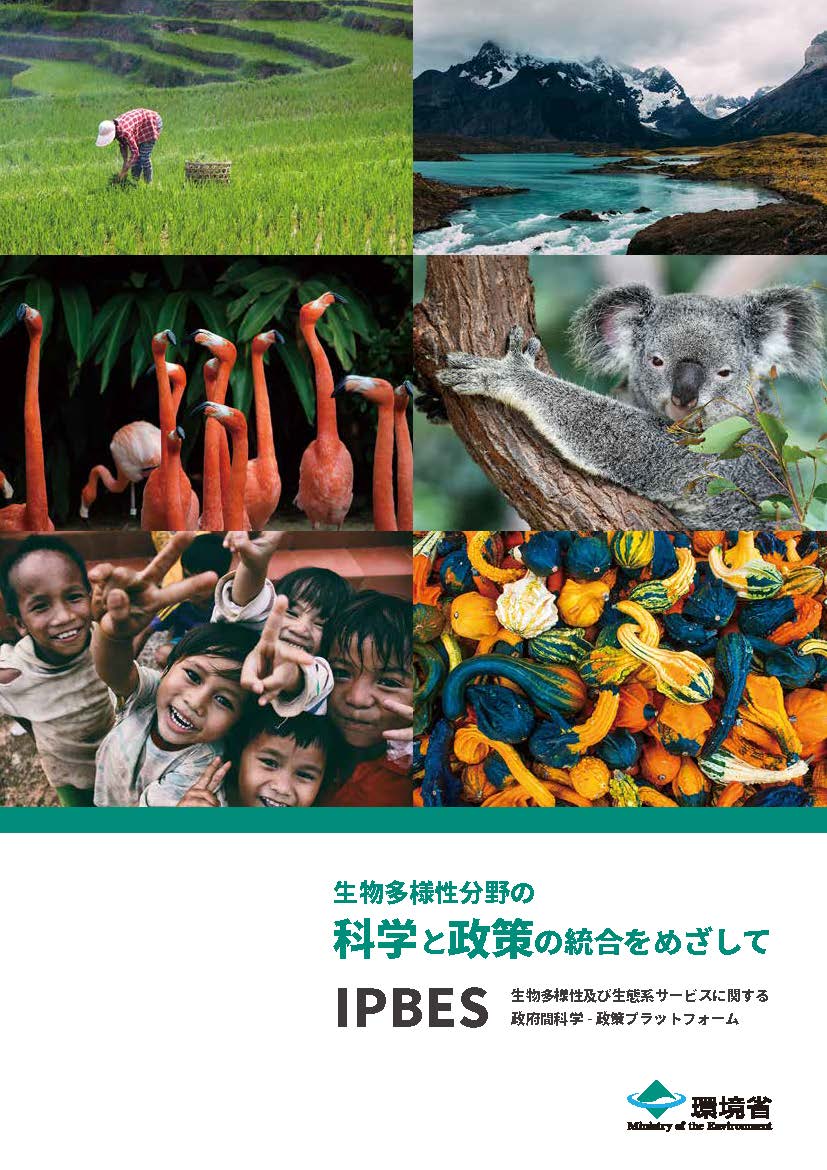
生物多様性及び生態系サービスに関する政府間科学政策プラットフォーム(IPBES:Intergovernmental Science-Policy Platform on Biodiversity and Ecosystem Services)は、生物多様性と生態系サービスに関する動向を科学的に評価し、科学と政策のつながりを強化する政府間のプラットフォームとして、2012年4月に設立された政府間組織で、事務局はドイツのボンに置かれています。本パンフレットはIPBESの機能、組織体制、作業計画や概念枠組、ならびに実施中及び計画中のアセスメントの概要等について説明しています。
Keywords:
Translation of non-IGES Material
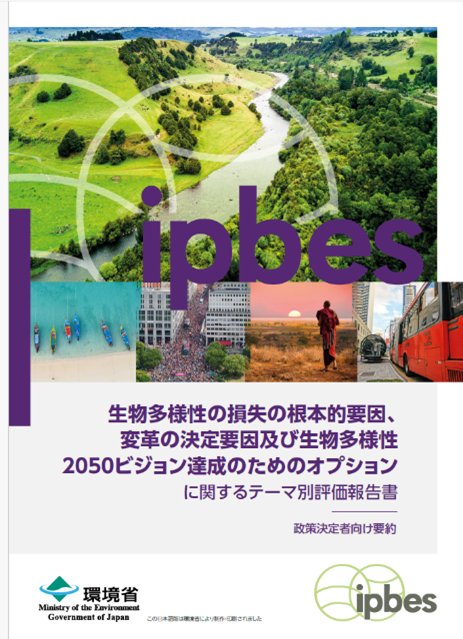
本報告書は、生物多様性の損失を食い止め「自然との共生」を実現するため、社会の 見方・構造・慣行を根底から覆す 「社会変革(Transformative Change)」の必要性、そしてその意図的な起こし方、戦略や行動を科学的に評価・分析しています。生物多様性危機の背景には、自然を支配対象と見なす世界観や富の集中といった 根本的要因があり、これらへの直接的な対処が不可欠です。変革には、システム転換や内面的な変容を含む 6つのアプローチを編み合わせ、先住民や地域住民の知識と科学を統合する「知識の共創」が鍵となります。また、既存の枠組みを超えた 想像力でポジティブな未来のビジョンを描き、多様な主体の連合による全社会的な協力を通じて...
Keywords:
Peer-reviewed Article

In Nature Sustainability
The urgent need for transformative change to address the intertwined crises of climate change and biodiversity loss is widely recognized. Here, drawing on work originally conducted within the IPBES Transformative Change Assessment and using a bibliometric analysis of more than 4 million scholarly documents, we examine the actions and actors driving...
Keywords:
Peer-reviewed Article
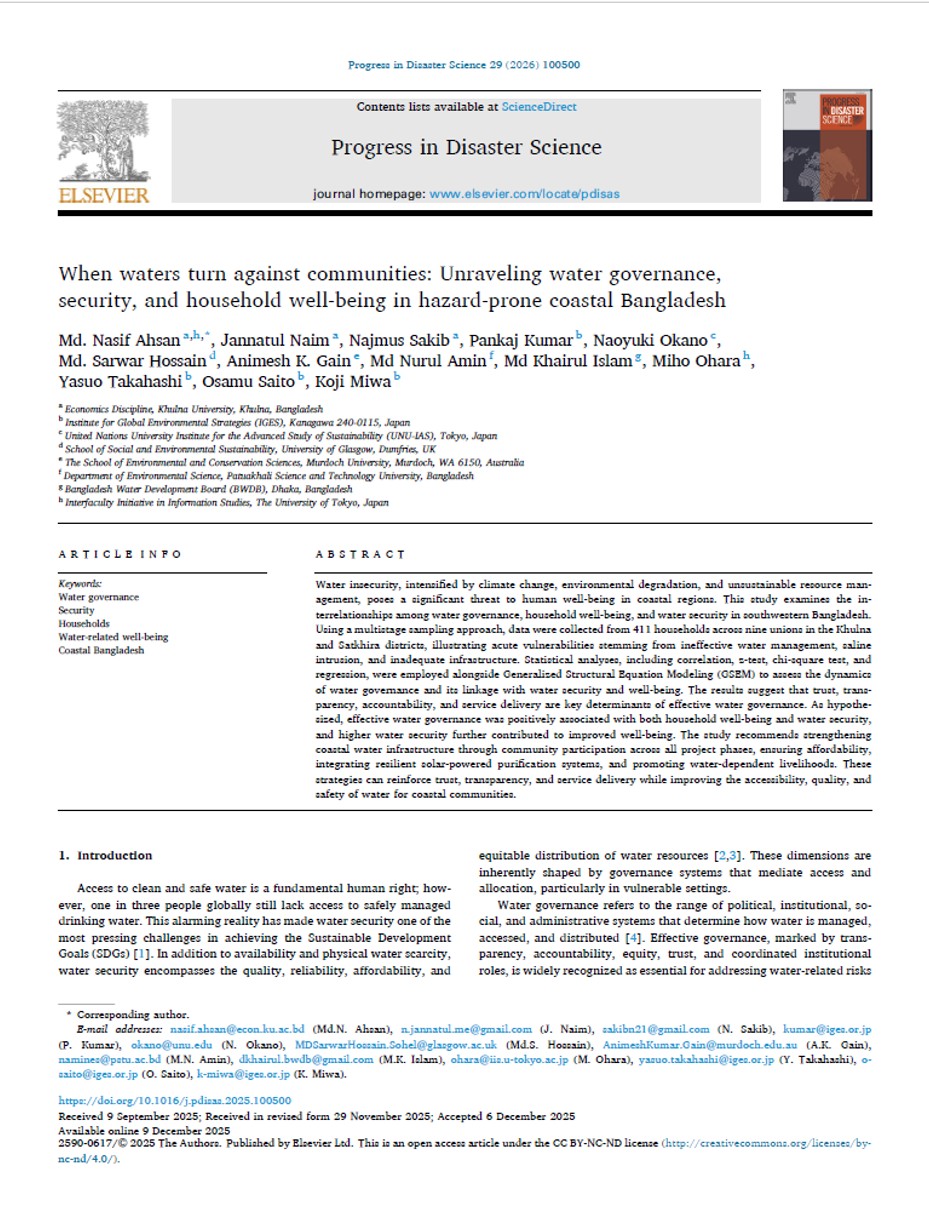
In Progress in Disaster Science
Water insecurity, intensified by climate change, environmental degradation, and unsustainable resource management, poses a significant threat to human well-being in coastal regions. This study examines the interrelationships among water governance, household well-being, and water security in southwestern Bangladesh. Using a multistage sampling...
Conference Paper
Asia Conference on Environment and Sustainable Development
National‐scale monitoring of mangrove forests, including their spatial structure (e.g., canopy height and above‐ground biomass), is necessary for the implementation of global agreements related to climate change and biodiversity conservation. Field measurements of mangrove structural parameters, however, are costly to collect. Here, we investigated...
Results 1 to 2 of 2 (Sorted by date)
Project
Updated: October 2024
CBD COP16 Special Webpage
The Convention on Biological Diversity The Convention on Biological Diversity (CBD) is a multilateral environmental agreement on: (1) the conservation of biodiversity; (2) the sustainable use of the components of biodiversity; (3) the fair and...
Project
Updated: December 2022
CBD COP15 Special Webpage
The Convention on Biological Diversity (CBD) is a multilateral environmental agreement on: (1) the conservation of biodiversity; (2) the sustainable use of the components of biological diversity; and (3) the fair and equitable sharing of the benefits