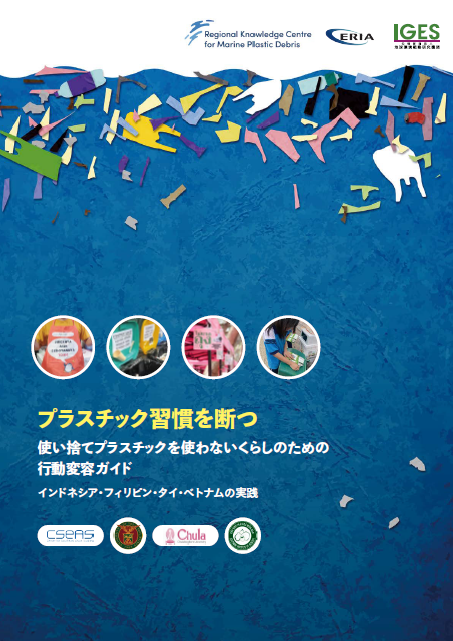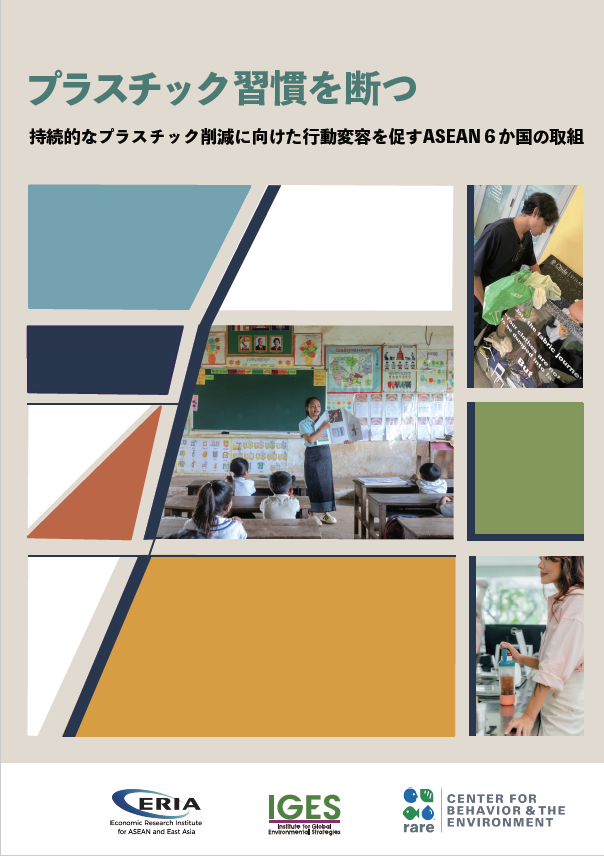
東南アジア地域における急速な都市化と消費拡大に伴い、プラスチック廃棄物の発生量が急増し、プラスチック汚染が特に深刻な課題となっている。ASEAN諸国では、使い捨てプラスチックの禁止、拡大生産者責任(EPR)制度、普及啓発キャンペーンなど、さまざまな対策が進められている。しかし、これらの対策だけでは、根強く定着した消費行動を変えるのは難しい。 利用制限や普及啓発だけで十分な効果が得られないような課題に対し、行動科学は有効な補完的アプローチとなる。Behaviour-Centred (行動に関する理解に基づく、行動に焦点を当てた)アプローチを取り入れることで、単なる情報提供や経済的インセンティブに頼るのではなく、「意図と行動のギャップ」を埋め、持続可能な行動変容を促すことができる。...
13件中 1~10件 (日付順)
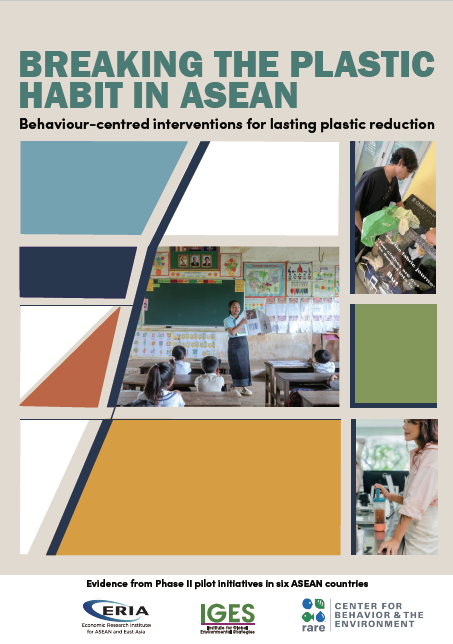
Plastic pollution is a growing challenge in Southeast Asia, where rapid urbanisation and rising consumption are driving sharp increases in plastic waste. While traditional regulations such as plastic bans and information campaigns are important, they often fail to shift deeply ingrained consumption and waste management habits on their own. This new...
本ガイドブックについて 使い捨てプラスチックの消費を削減するには、人々の行動を変えることが重要です。 本ガイドブックでは、「 行動インサイト」(人々の行動や意思決定の特徴を活かし、自然に望ましい行動を促す手法)を活用することで、より効果的に行動変容を促進する方法を紹介しています。 特に、インドネシア、フィリピン、タイ、ベトナムの4カ国で実施されたプロジェクトをもとに、具体的な取り組みや得られた学びを共有しています。これらの国々では、地域の教育機関が中心となり、学生や地元の商店と協力しながら、革新的なアプローチを実践しました。 実践の足掛かりとして 本書には、行動インサイトを活用した施策(行動対策)の設計・実施を支援するための 実践的ガイドも含まれています。これを活用することで...
Behavioural insight interventions, alongside traditional policy measures, offer promising solutions to nudge consumers away from single-use plastic consumption. This comprehensive Guidance Note shares practical lessons on the application of behavioural insights in four ASEAN countries: Indonesia, the Philippines, Thailand and Viet Nam. The...
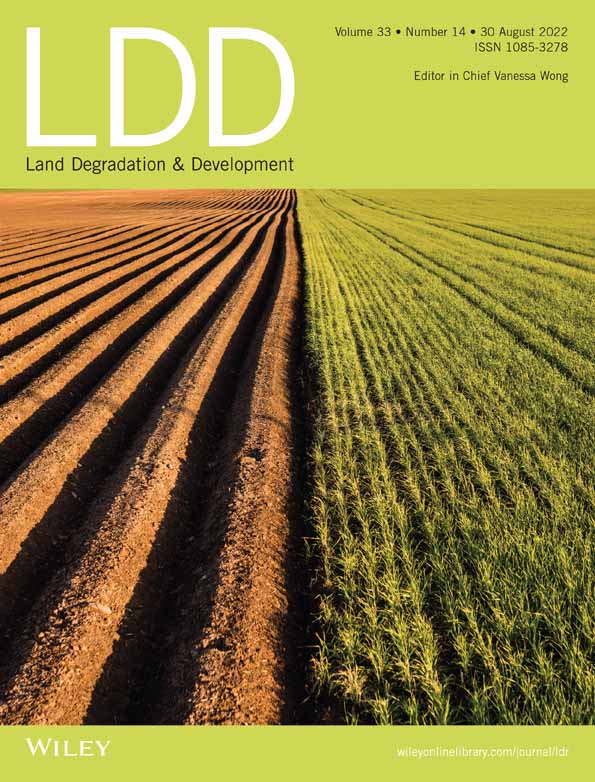
Land Degradation and Development所収
Place attachment and ecocentric attitude are the important determinants of conservation behaviour, especially for traditionally managed landscapes. In this paper, we explore the relationship between place attachment and the ecocentric attitude of farmers engaged in Jhum cultivation ( aka shifting /slash and burn cultivation) in the Zunheboto...
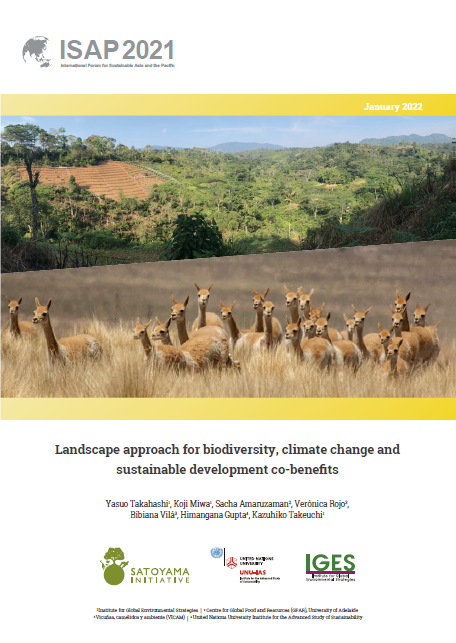
On Thursday 2 December 2021, United Nations University Institute for the Advanced Study of Sustainability (UNU-IAS) and Institute for Global Environmental Strategies (IGES) convened a session entitled “Landscape Approaches for Biodiversity, Climate Change and Sustainable Development Co-benefits” at the 13th International Forum for Sustainable Asia...
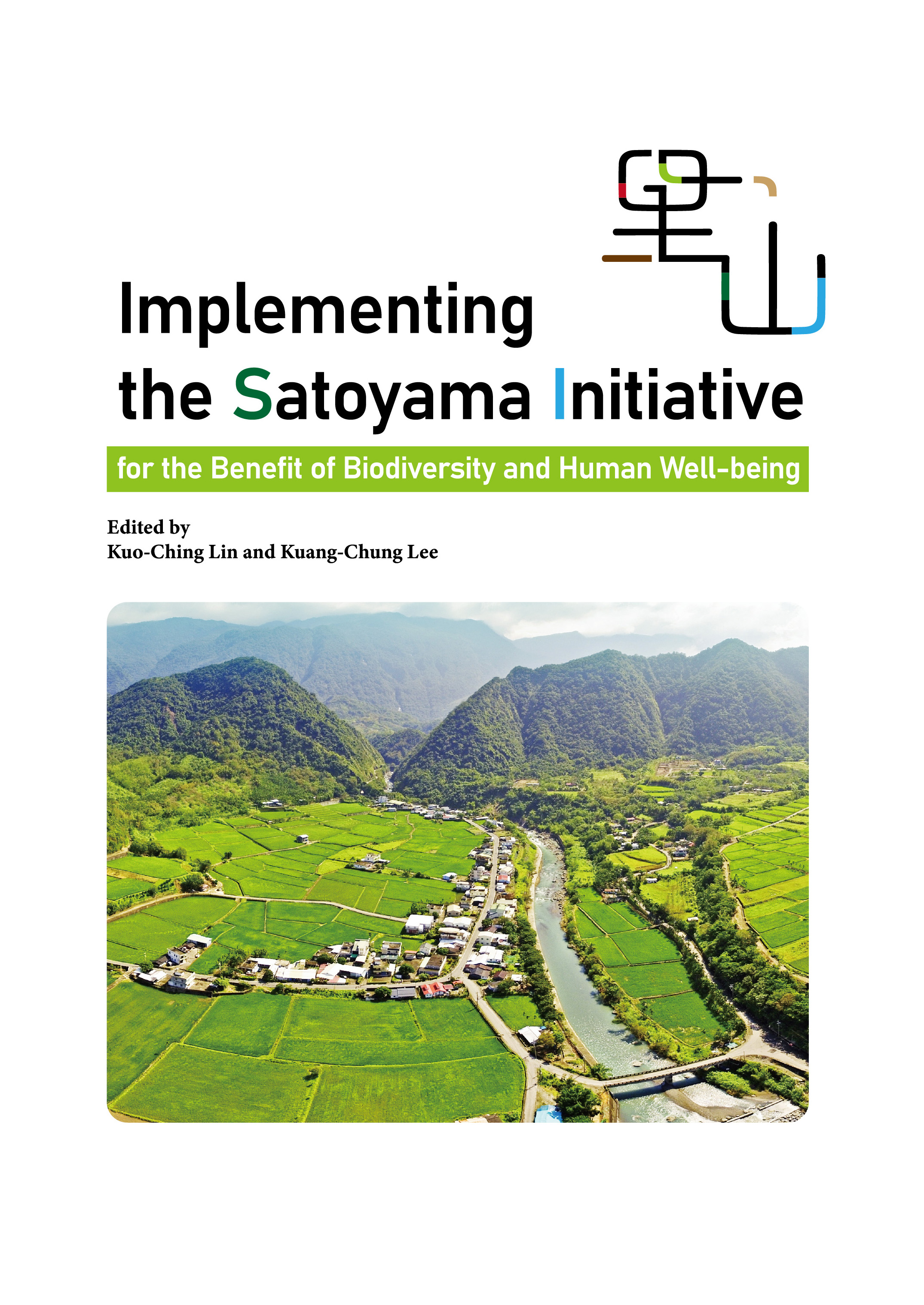
Implementing the Satoyama Initiative for the benefit of biodiversity and human well-being所収
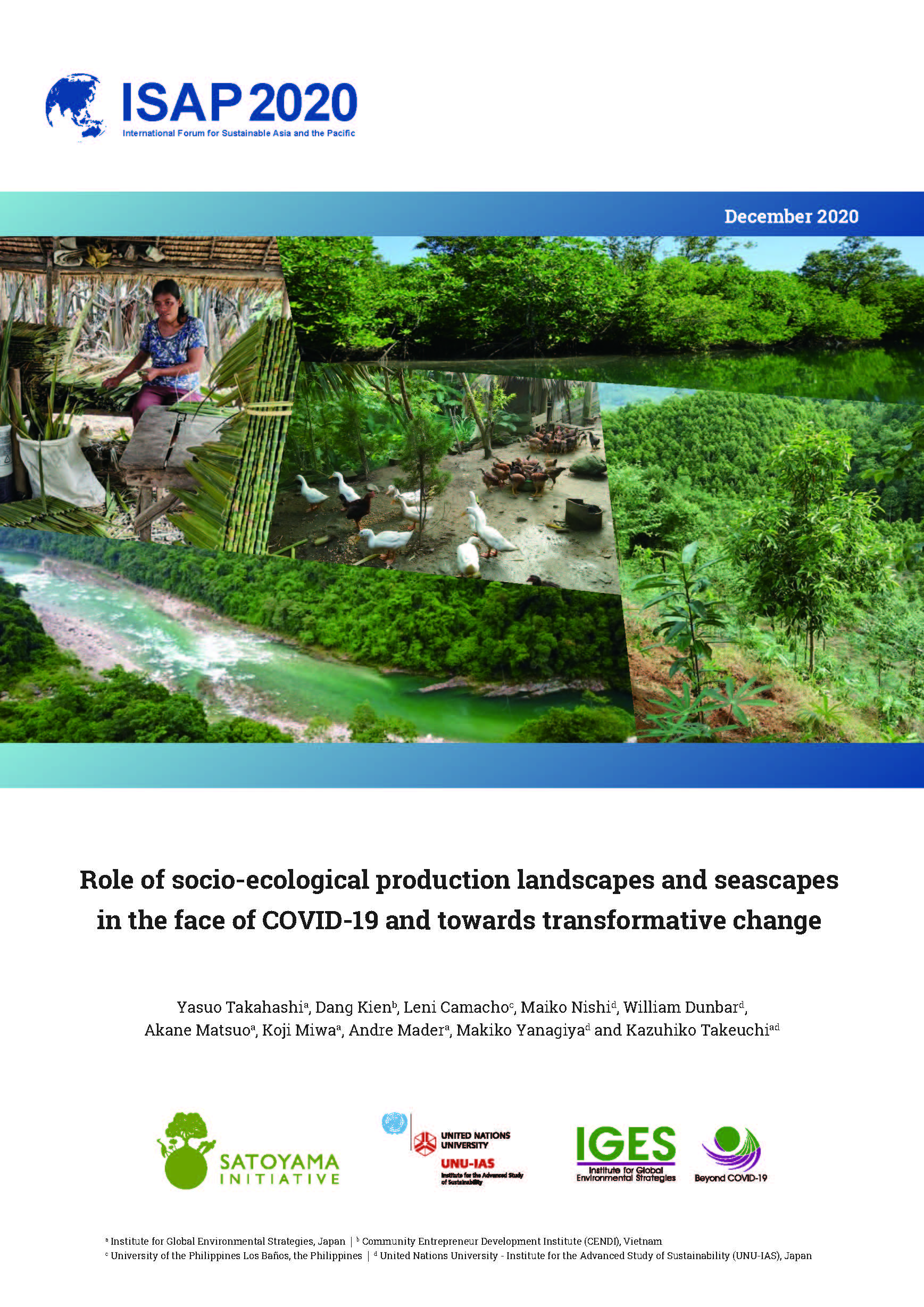
Primary production, including agriculture, aquaculture, forestry and fisheries is the strongest driver of biodiversity loss globally. It can, however, contribute to biodiversity conservation if wisely managed such as in ‘Satoyama’ and ‘Satoumi’, or socio-ecological production landscapes and seascapes (SEPLS), where production activities support...
On Thursday 12 November 2020, United Nations University Institute for the Advanced Study of Sustainability (UNU-IAS) and Institute for Global Environmental Strategies (IGES) convened a session entitled “The Satoyama Initiative, transformative change, and societies in harmony with nature” at the 12th International Forum for Sustainable Asia and the...
High Level Political Forum on Sustainable Development 2020 Side Event "Satoyama Initiative – Societies in Harmony with Nature: An inclusive approach for communities, landscapes and seascapes"
This presentation is about the critical role of socio-ecological production landscapes and seascapes (SEPLS) for the achievement of Sustainable Development Goals (SDGs) and the Post-2020 Global Biodiversity Framework. It overviews the Satoyama Initiative, including the Satoyama Development Mechanism, and discusses resilience in the face of COVID-19...
RECOVERING BETTER: A GREEN, EQUITABLE AND RESILIENT RECOVERY FROM CORONAVIRUS 注:本ブリーフィングノートは「より良い状態への回復」の促進を⽬的とする政策やコミュニケーション、提⾔活動の⽀援を⾏う欧州気候基⾦(European Climate Foundation・ ECF)のために作成されたものであり、先進⼯業国に焦点を絞っている。あくまでも分析と論点の枠組みの提⽰を試みるものであり、決定的または包括的な意⾒を述べるものではない。いくつかの要素は状況が刻々と変化するなかで早くも意味をなさなくなる可能性がある。国や制度の個別事情に応じて、⾃由に内容を調整のうえ活⽤されたい。 本紙は、より持続可能で公正かつ回復...