
8932件中 3091~3100件 (日付順)
査読付論文
Nature Communications所収
While Southeast Asia’s forests play important roles in biodiversity conservation and global carbon (C) balance, the region is also a deforestation hotspot. Here, we consider the five shared socioeconomic pathways (SSPs) to portray a range of plausible futures for the region’s forests, employing a state-of-the-art land change modelling procedure and...
政策プロセスへの提言
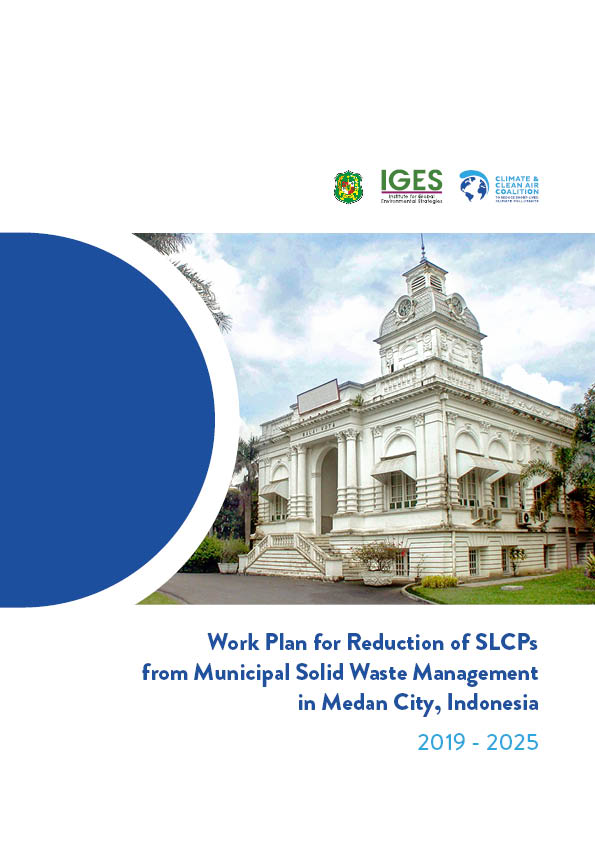
This Work Plan provides comprehensive and up-to-date analysis on the status, challenges and opportunities of waste management in Medan City, including relevant regulations and policies, administrative structure, waste management cost, waste quality and quantity, waste collection, 3Rs (reduce, reuse, recycle), and final disposal. Based on such...
プレゼンテーション

Japan-Europe Dialogue 2019
The slides were presented in the stakeholder workshop, Japan-Europe Dialogue 2019, held at YCU (Yokohama City University) in April 2019. This presentation tries to identify the current policy status of plastics/marine litter issues in the ASEAN region as an initial finding of the commissioned research project.
査読付論文
Applied Water Science所収
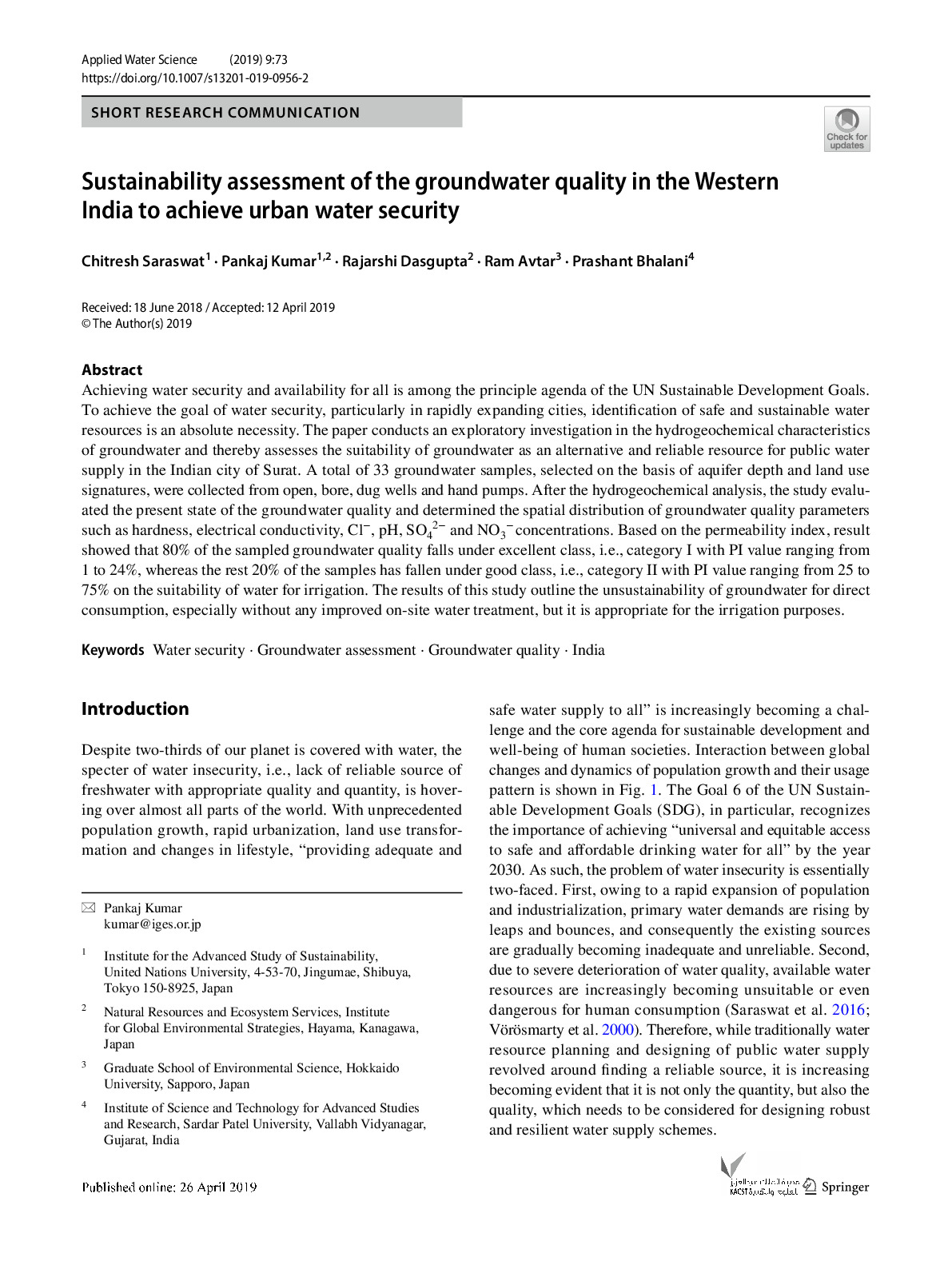
Achieving water security and availability for all is among the principle agenda of the UN Sustainable Development Goals. To achieve the goal of water security, particularly in rapidly expanding cities, identification of safe and sustainable water resources is an absolute necessity. The paper conducts an exploratory investigation in the...
ブリーフィングノート
1. GEOシリーズとは GEO (地球環境概観) シリーズは、UNEP (国連環境計画)が実施する一つのプログラム「環境問題レビュー(keeping the environment under review)」の主要な事業である。グローバルや(アジアなどの)リージョナルなアセスメントのほか、テーマ別のアセスメント、さらに、そこから派生する様々な報告書で構成されている。IGESはUNEPの重要なパートナーの一つとして、GEOシリーズに積極的に参画し、大きな貢献をしてきた。 1.1 GEO-6アジア太平洋地域アセスメント グローバルでのアセスメントに先立ち、その土台とすべく各リージョンにおける環境の現状と傾向が取りまとめられた。アジア太平洋地域アセスメントは41か国をカバーし...
その他アーティクル
URBANET所収
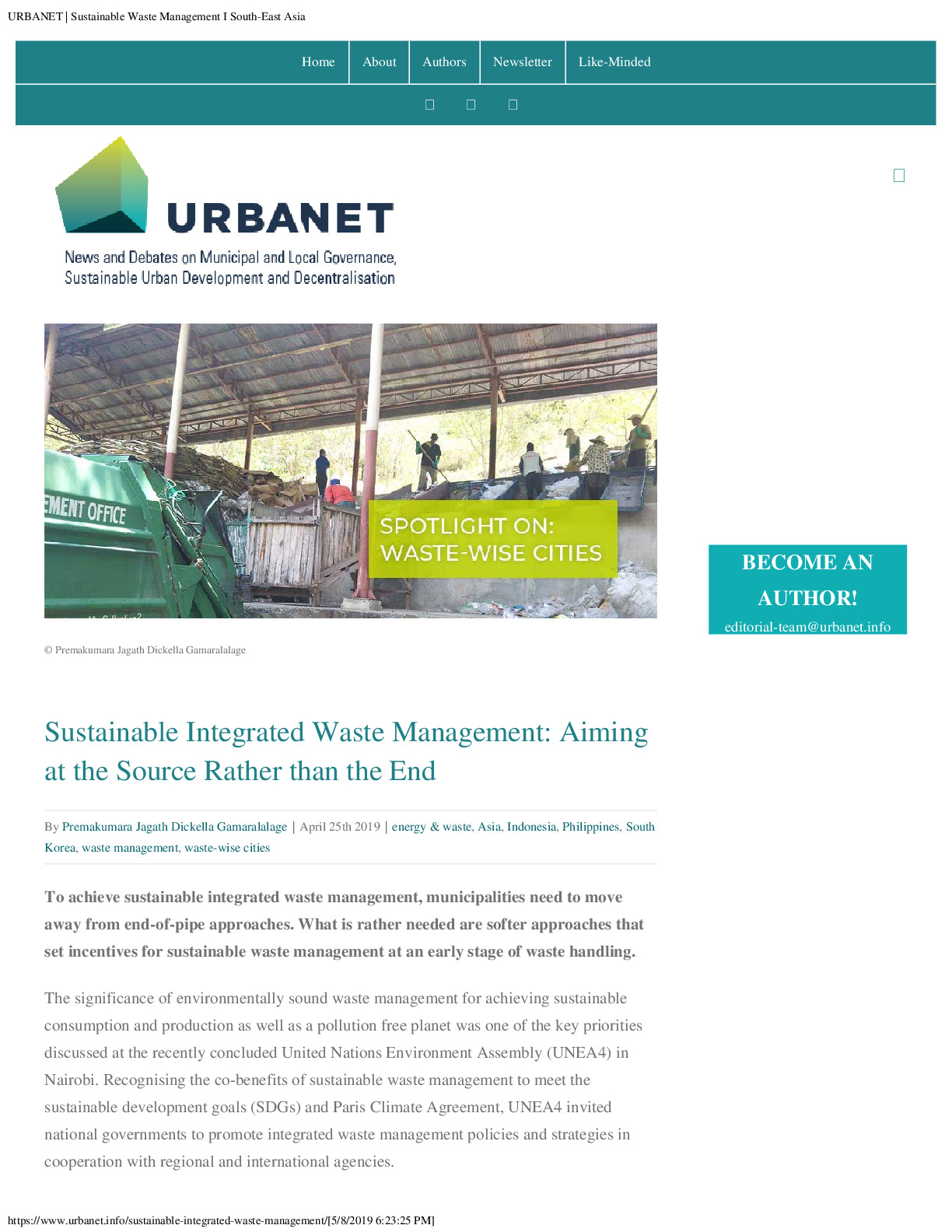
The significance of environmentally sound waste management for achieving sustainable consumption and production as well as a pollution free planet was one of the key priorities discussed at the recently concluded United Nations Environment Assembly (UNEA4) in Nairobi. Recognising the co-benefits of sustainable waste management to meet the...
その他アーティクル
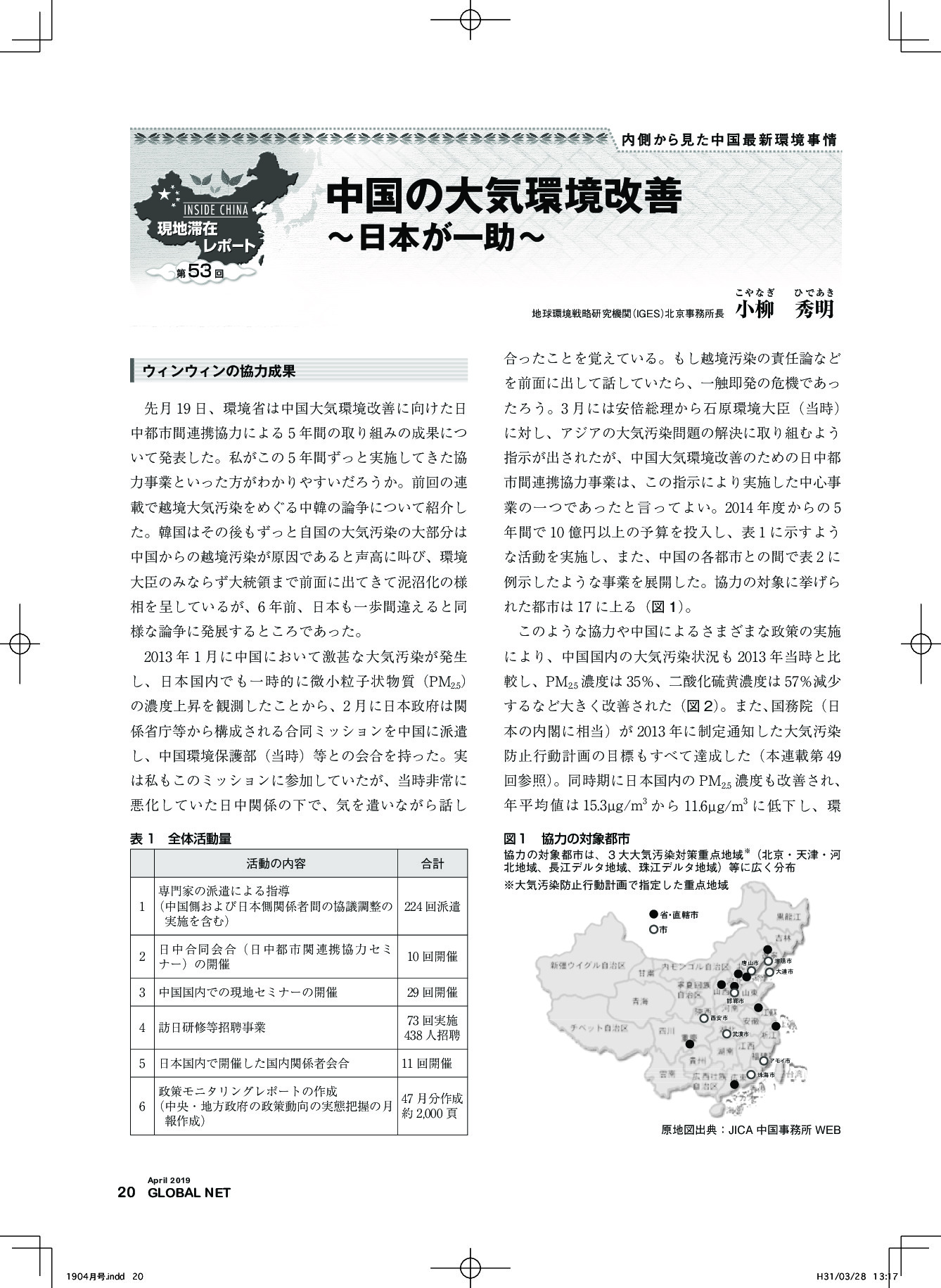
内側から見た中国最新環境事情 第53回/April 2019 Global Net Series: 所収
査読付論文
Nature Sustainability所収
Sustainability and resilience for transformation in the urban century Remarks: DOI 10.1038/s41893-019-0250-1
ワーキングペーパー
本稿は、2016年、国際民間航空機関(ICAO)の総会決議文書A39-3により創設された国際航空のためのカーボンオフセット及び削減スキーム(CORSIA)について、これまでのICAOにおける検討の経緯及び制度の概要について説明するとともに、UNFCCCとの関係性、とりわけパリ協定実施指針との関りを視野に、CORSIAの制度運用の在り方についても考察を行うことを目的とする。