パリ協定下において、原則、全ての締約国が共通の実施指針に基づき、隔年透明性報告書(BTR)を提出することが求められている。多くの途上国では、未だ報告書作成に当たって様々な課題に直面しており、国内体制の構築や専門家育成のための技術的な支援が必要となっている。本業務では、長年にわたり報告書を作成してきた日本における国内体制作りと報告書作成の経験と教訓に基づき、途上国のBTR 作成能力強化を目的として、隔年透明性報告書(BTR)の作成能力向上のための相互学習の実施を行った。相互学習とは、対象国を少数国のグループに分け、グループ毎に実際のBTR の報告フォーマットを用いた報告演習とその演習の相互レビュー、及び改善に向けた議論を行う能力強化プログラムである。オンライン会合による能力構築支援(1.1...
- クリア
- 地域 / 国: (-) Central Asia
- 地域 / 国: (-) Maldives
21件中 1~10件 (日付順)
IGES Joint Crediting Mechanism (JCM) Database provides detailed information on the JCM methodologies, projects, and JCM feasibility studies to be utilized for research and development of JCM project. The JCM is being implemented under bilateral cooperation between Japan and 29 partner countries: Mongolia, Bangladesh, Ethiopia, Kenya, Maldives, Viet...
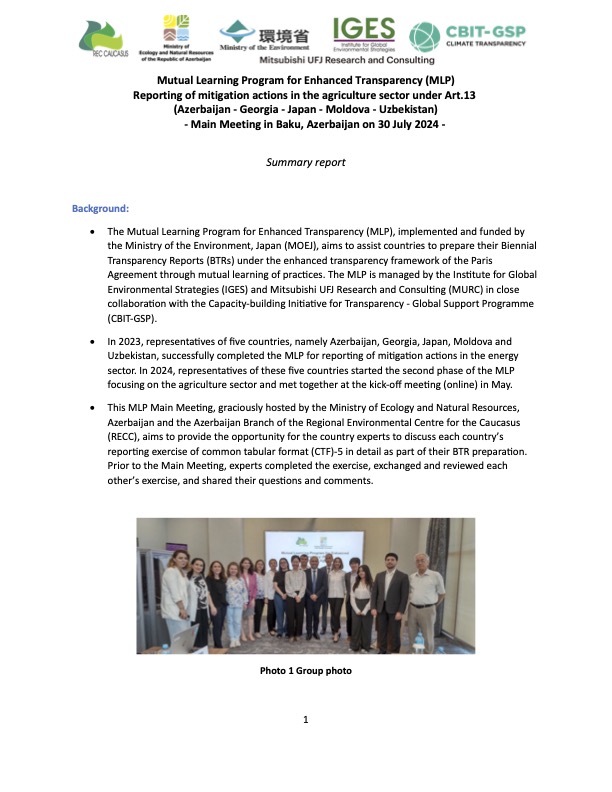
MLP Main Meeting in Baku, Azerbaijan
The Mutual Learning Program for Enhanced Transparency (MLP), implemented and funded by the Ministry of the Environment, Japan (MOEJ), aims to assist countries to prepare their Biennial Transparency Reports (BTRs) under the enhanced transparency framework of the Paris Agreement through mutual learning of practices. This summary report presents the...
本業務では、GOSATデータを活用したCO2インベントリ比較・検証への被検証候補国の理解を深め、比較・検証に向けた協働体制の構築支援を目的として、被検証候補国の協働予定の研究機関や政府担当者、日本の環境省、外務省、国際協力機構(JICA)等を招聘しオンラインでラウンドテーブルを開催し、当該国における比較・検証の実現に向けた手法、更なる検討事項等をまとめた。なお、中央大学によって科学・技術的観点から、最適な被検証候補国は中央アジア諸国(カザフスタン、キルギスタン、タジキスタン、トルクメニスタン、ウズベキスタン)であることが特定され、各国の招聘機関・者は、中央大学、環境省、外務省、JICA、各国現地大使館の多大なるご協力のもと招聘するに至った。
Round table for “From satellite observation to national GHG inventories: inputs to the Global Stocktake of the Paris Agreement”
A national GHG inventory is an important input for the Global Stocktake (GST), which began from COP26, aiming to assess the collective progress towards achieving the purpose of the Paris Agreement and its long-term goals. All Parties are required to submit a greenhouse gas (GHG) inventory as part of the Biennial Transparency Report (BTR) under the...
Round table for “From satellite observation to national GHG inventories: inputs to the Global Stocktake of the Paris Agreement”
This was presented at a roundtable entitled “From satellite observation to national GHG inventories: inputs to the Global Stocktake of the Paris Agreement” on February 2022. A national GHG inventory is an essential input for the Global Stocktake (GST), which began from COP26, aiming to assess the collective progress towards achieving the purpose of...
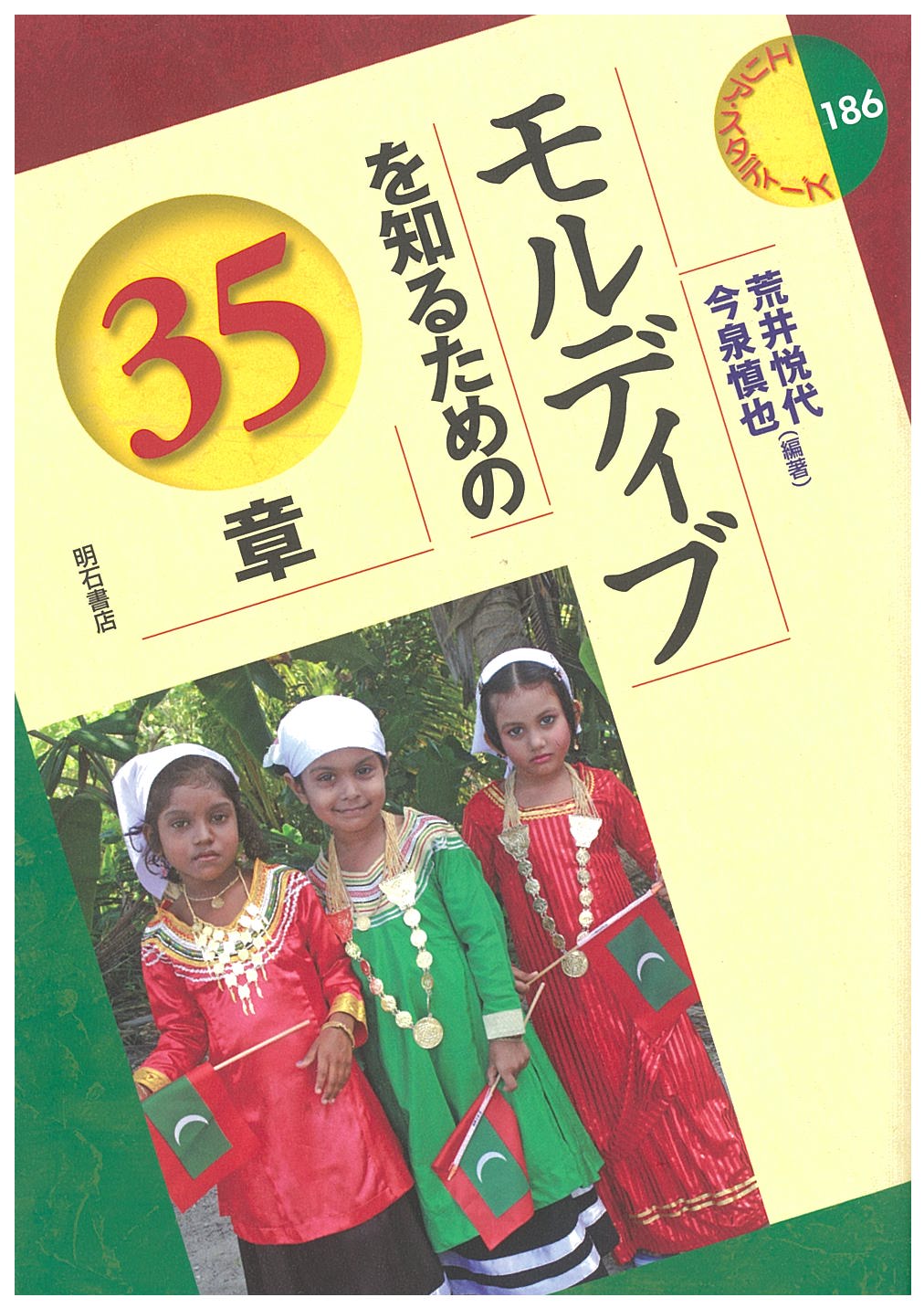
モルディブを知るための35章所収
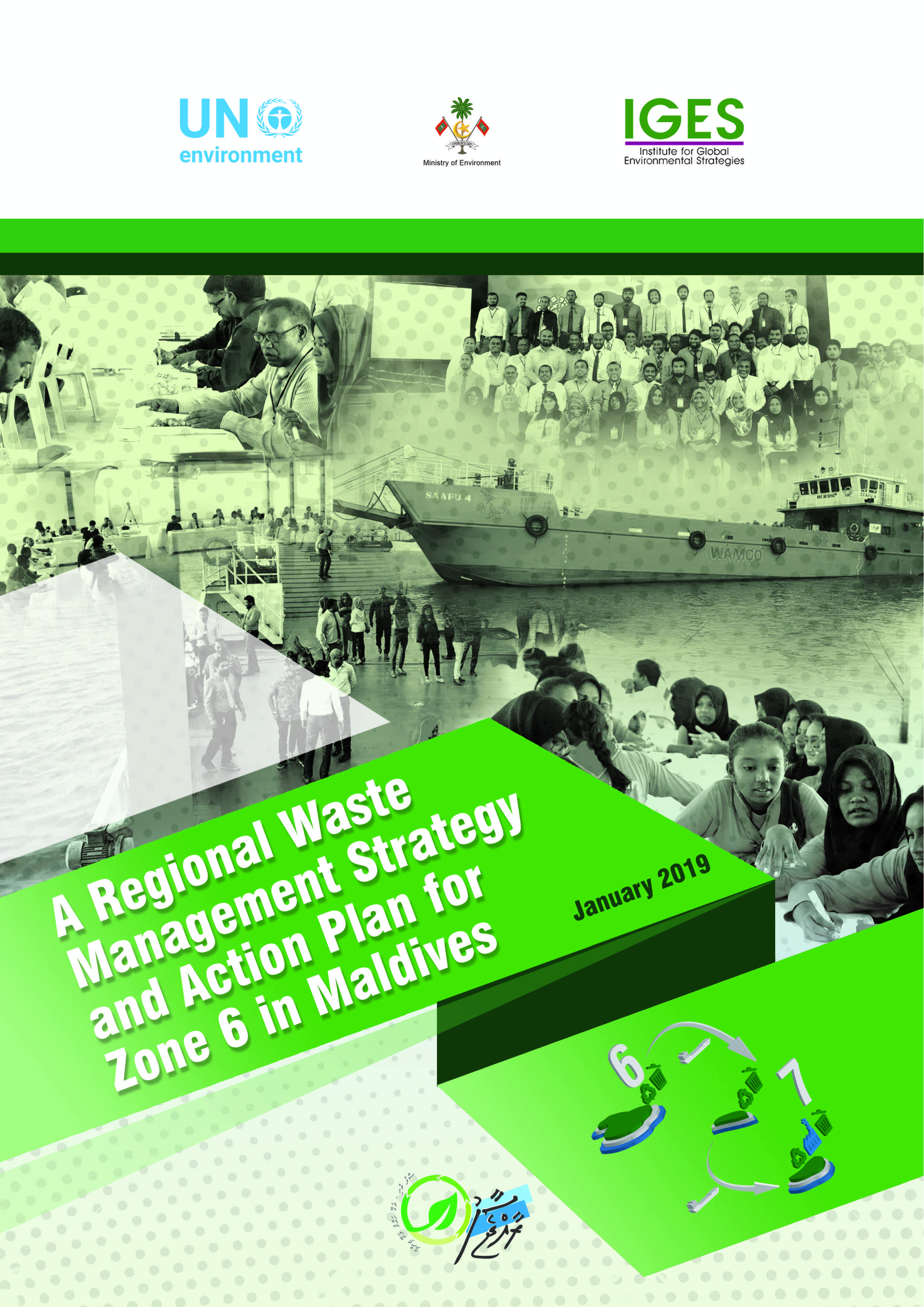
As in many developing countries, waste management is one of the greatest challenges faced by the Maldives. The limited or unavailbility of waste collection services, proper treatment, and disposal systems on the islands often results in dumping household waste on the beach, ocean, and forests and also open burning of waste. These activities are...
TRAINING WORKSHOP FOR THE SAAFURAAJJE SMALL GRANT AWARD WINNERS
This presentation was delivered as a part of the training workshop on Saafraaj which was organized with aimed at developing capacity of Island Council members of Zone 6, Maldives, towards implementation of the regional waste management strategy.
First Sub-Regional workshop on Preparation of status Report and Sub-regional Roadmap for Implementing the Global Waste Management Goals toward Addressing SDGs in South Asia
Home to roughly 1.8 billion people, South Asia generates approximately 334 million tonnes of waste per year of which 174 million tonnes (57%) is organic in content. In addition to the increase in municipal solid waste, managing complex and emerging waste streams, including e-waste, food waste, construction and demolition waste, disaster waste...
Maldives has had to face a growing challenge in managing its solid waste and associated environmental, economic and social issues. This situation is even worse in small islands due to the size of the island communities, insufficient infrastructure and waste transportation difficulties, absence of sufficient budget and appropriate cost recovery...