This study presents a multi-model analysis of long-term climate policy of Japan, whose mid-century strategy is subject to an ongoing policy debate, focusing on the carbon dioxide emissions in the energy sector. The models demonstrate multiple future pathways of the low-carbon energy system in Japan. The median of marginal abatement cost is found to...
This study presents a multi-model analysis of long-term climate policy of Japan, whose mid-century strategy is subject to an ongoing policy debate, focusing on the carbon dioxide emissions in the energy sector. The models demonstrate multiple future pathways of the low-carbon energy system in Japan. The median of marginal abatement cost is found to...
Integrated assessment models (IAM) provide key information to allow policymakers to understand the possible outcomes of alternative development and climate policy scenarios. However, the complexity and large size of information resulting from IAMs, prevents straightforward communication of key insights to policy makers, unless a “translation...
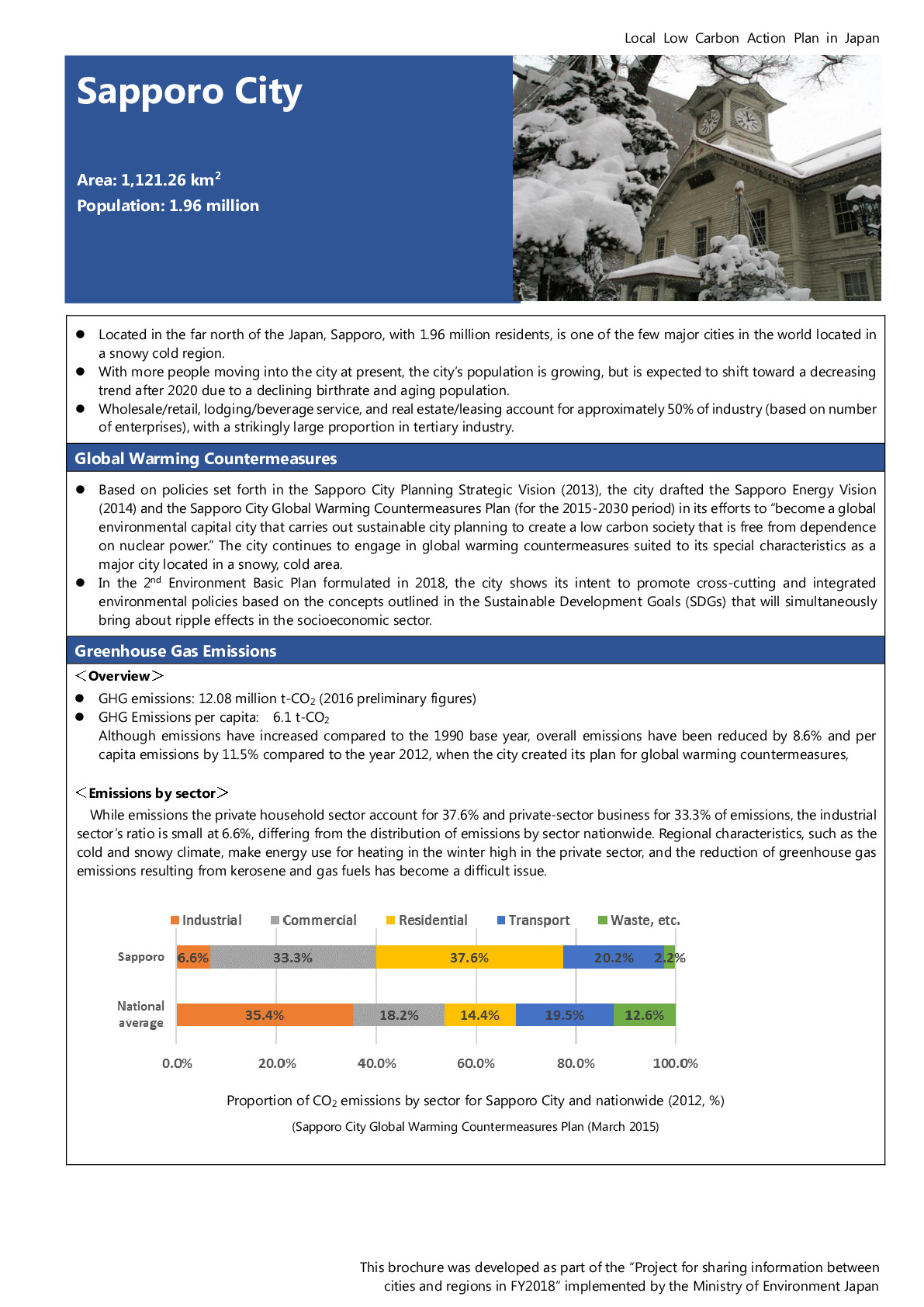
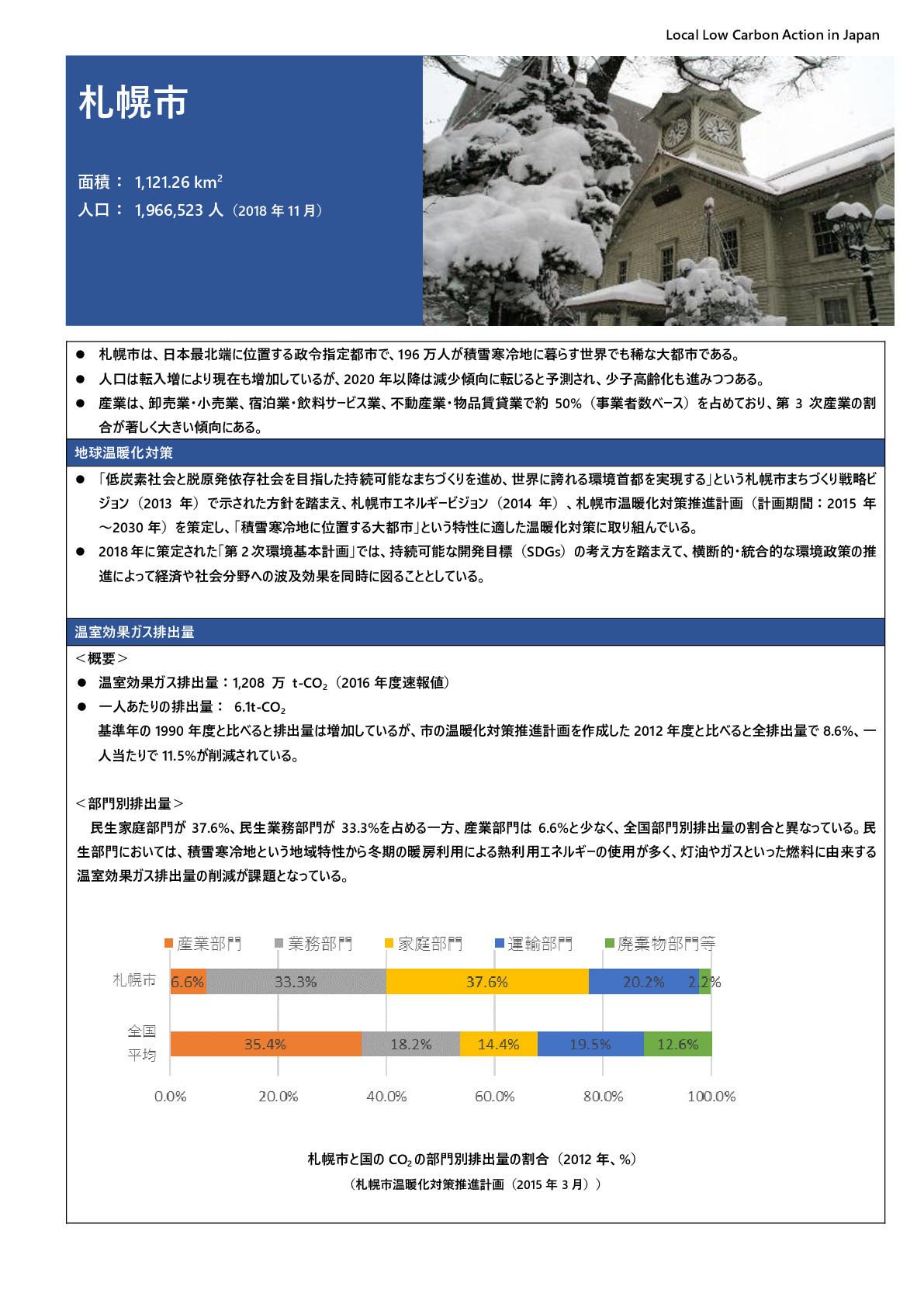
The global community agreed to reduce greenhouse gas emissions in Paris in 2015. For this agreement to be applied without delay, it is crucial for regions to conduct climate change mitigation measures that are effective for their local conditions. This brochure was developed as part of the "Project for sharing information between cities and regions...
This is a precarious moment for the Hindu Kush Himalaya (HKH). Environmentally, socially, and economically, there is no single likely future for the HKH. Between now and 2080, the HKH may run downhill, or the region may continue doing business as usual and muddling through, or it may advance toward prosperity. Evidence-based actions to reduce...
This paper aims to identify and prioritize key non-economic loss and damages (NELDs) caused by the 2009 Cyclone Aila in Khulna District of Bangladesh and to identify appropriate practices to address the NELDs. The analytic hierarchy process was applied to prioritize key criteria, NELD indicators and practices that should be integrated into disaster...
The Asia-Pacific Regional Assessment is a collective effort among more than 120 researchers, scientists, academics and ILK holders from 27 countries from within and outside the region. Collectively the author team represents several IPBES member governments, non-governmental organizations, academic institutions and private sector companies. The...