Typhoon impacts in the Philippines exhibit strong neighbour hood-scale heterogeneity driven by interactions among haz ard intensity, exposure, and vulnerability, yet most opera tional assessments remain hazard-centric. This study presents a grid-based machine-learning framework for neighbour hood-scale typhoon risk mapping integrating geophysical...
Typhoon impacts in the Philippines exhibit strong neighbourhood-scale heterogeneity driven by interactions among hazard intensity, exposure, and vulnerability, yet most operational assessments remain hazard-centric. This study presents a grid-based machine-learning framework for neighbourhood-scale typhoon risk mapping integrating geophysical...
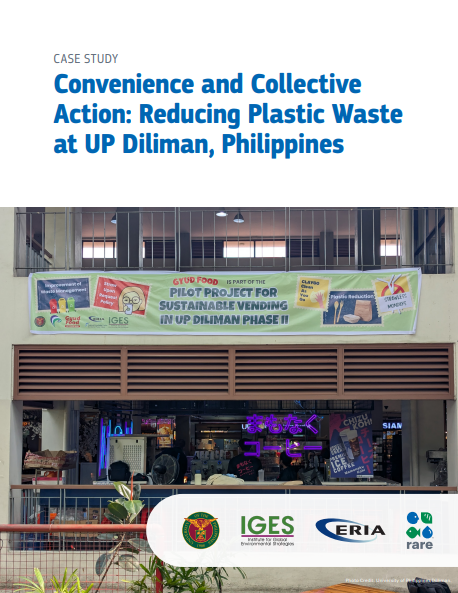
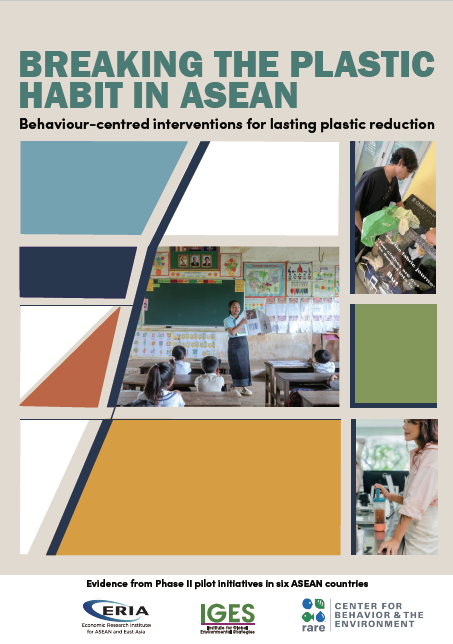
Using behavioral science to reduce plastic waste on the UP Diliman campus The University of Philippines Diliman (UP Diliman) initiative, led by UP Diliman with support from the Economic Research Institute for ASEAN and East Asia (ERIA), Institute for Global Environmental Strategies (IGES), and Rare, tackled plastic waste generated by a dense campus...
Plastic pollution is a growing challenge in Southeast Asia, where rapid urbanisation and rising consumption are driving sharp increases in plastic waste. While traditional regulations such as plastic bans and information campaigns are important, they often fail to shift deeply ingrained consumption and waste management habits on their own. This new...
Through a study of Ra Province (northeast Viti Levu Island, Fiji) involving both archival research and community engagement, we highlighted a long history of Indigenous population mobility. Many coastal settlements have mostly undocumented histories of relocating inland due to shoreline retreat and land loss over recent decades. Studies of...