- English
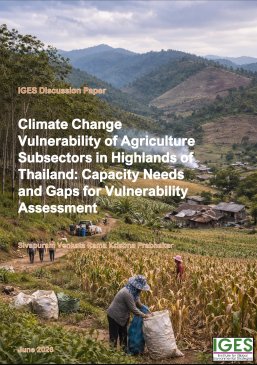


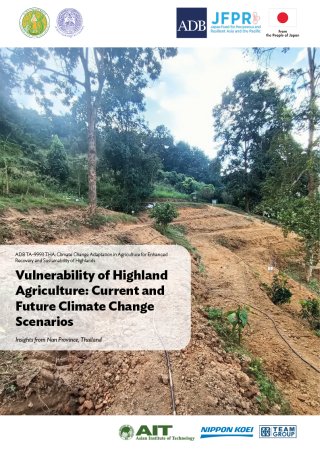
Highland regions in Thailand are increasingly vulnerable to climate change due to rapid land-use transitions, environmental degradation, and shifting socio-economic conditions. This Discussion Papaer examines the drivers and dimensions of vulnerability in the Thai highlands, with particular attention to the expansion of maize cultivation and plantation-based systems, which have contributed to deforestation, soil degradation, and declining ecosystem services. These changes, combined with limited livelihood diversification and rising household debt, are intensifying both environmental and economic risks for highland communities.
Drawing on field-based insights and stakeholder consultations, the Discussion Paper highlights critical gaps in institutional capacity, access to climate information, market linkages, and financial mechanisms necessary for building resilience. At the same time, it identifies emerging opportunities, including relatively high levels of education, growing digital connectivity, and the potential to revive diversified and circular agricultural systems, such as integrating animal husbandry and ecosystem-based practices.
The Discussion Paper underscores the need for a coordinated and forward-looking adaptation strategy that strengthens local government capacity, enhances vulnerability assessment systems, and fosters collaboration among government agencies, research institutions, and civil society. It calls for a transition toward diversified, climate-resilient livelihoods and place-based adaptation pathways that align environmental sustainability with socio-economic development. By doing so, Thailand’s highlands can move from a trajectory of increasing vulnerability toward resilient and sustainable development.
- English