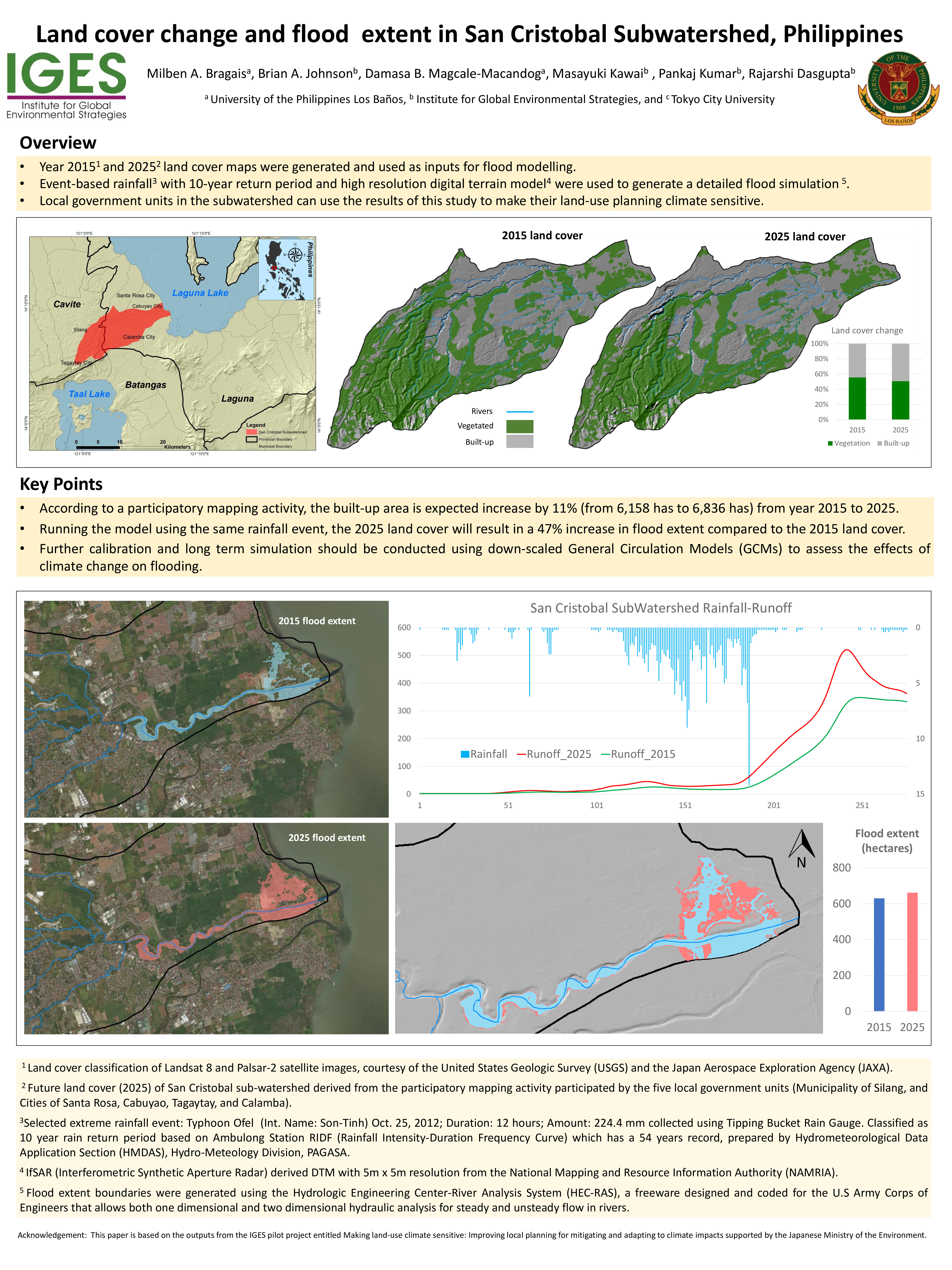
This fact sheet shows flood modeling results for the San Cristobal subwatershed of the Philippines. The flood-affected area is expected to increase by ~47% from 2015-2025 due to planned land-use changes.
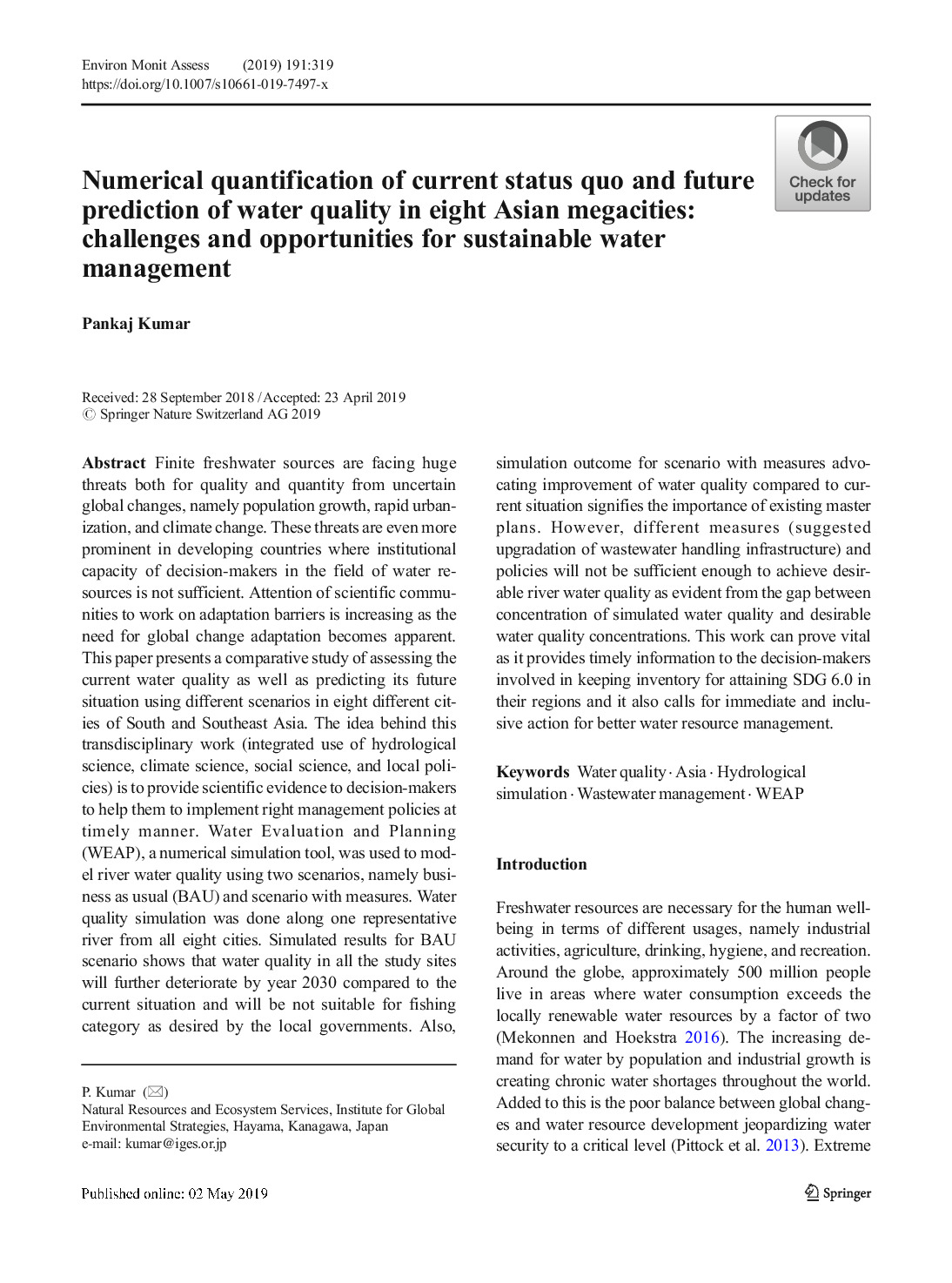
Finite freshwater sources are facing huge threats both for quality and quantity from uncertain global changes, namely population growth, rapid urbanization, and climate change. These threats are even more prominent in developing countries where institutional capacity of decision-makers in the field of water resources is not sufficient. Attention of...
The SDGs have led to a proliferation of new tools and methods that can strengthen the integration of the environment into development plans. There is, however, limited information about which tools are best suited to integration at different stages of the policy making process. This tool compendium presents an inventory of tools, methods, and...
This report presents the results of a survey of 15 developing countries in Asia and the Pacific regarding Sustainable Development Goals (SDGs) 12, 14, and 15. It also looks at selected environment-related targets that have a direct relationship with responsible consumption and production, and sustainable marine and terrestrial ecosystems management...
Black Carbon (BC) has been widely recognized as the second largest source of territorial and global climate change as well as a threat to human health. There has been serious concern of BC emission and its impact in Indo-Gangetic Plains (IGP) due to the use of biomass and fossil fuels for cooking, transportation and industrial activities. An...
Particulate Matters like Black Carbon, PM2.5 and PM10 present in the atmosphere not only poses a threat to human health but also contributes to near-term regional and global atmospheric warming. There has been a large concern of this kind of pollutants in Indo-Gangetic Plains (IGP). Hence, an attempt has been made to see the impact in one of the...
In recent decades, the increased frequency of disaster events, particularly hydro-meteorological disasters, have threatened human lives and infrastructure. In the context of climate change, urban water management became more complicated because of erratic or heavy rain events or prolonged droughts. Now, sustainable water management and planning...
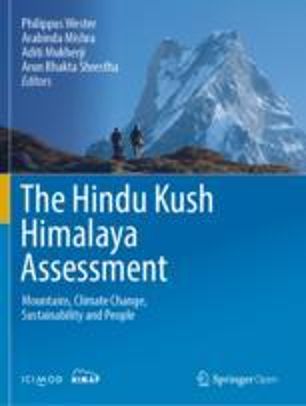
Air pollution has large impacts on the Hindu Kush Himalaya (HKH), affecting not just the health of people and ecosystems, but also climate, the cryosphere, monsoon patterns, water availability, agriculture, and incomes. Although the available data are not comprehensive, they clearly show that the HKH receives significant amounts of air pollution...
Household consumption in the United States has significant impacts on climate change through the consumption of food, mobility, housing, consumer goods, leisure, and others. Consumer lifestyles and their climate change impacts vary significantly across consumer segments due to their household characteristics, and how they spend money and time. In...
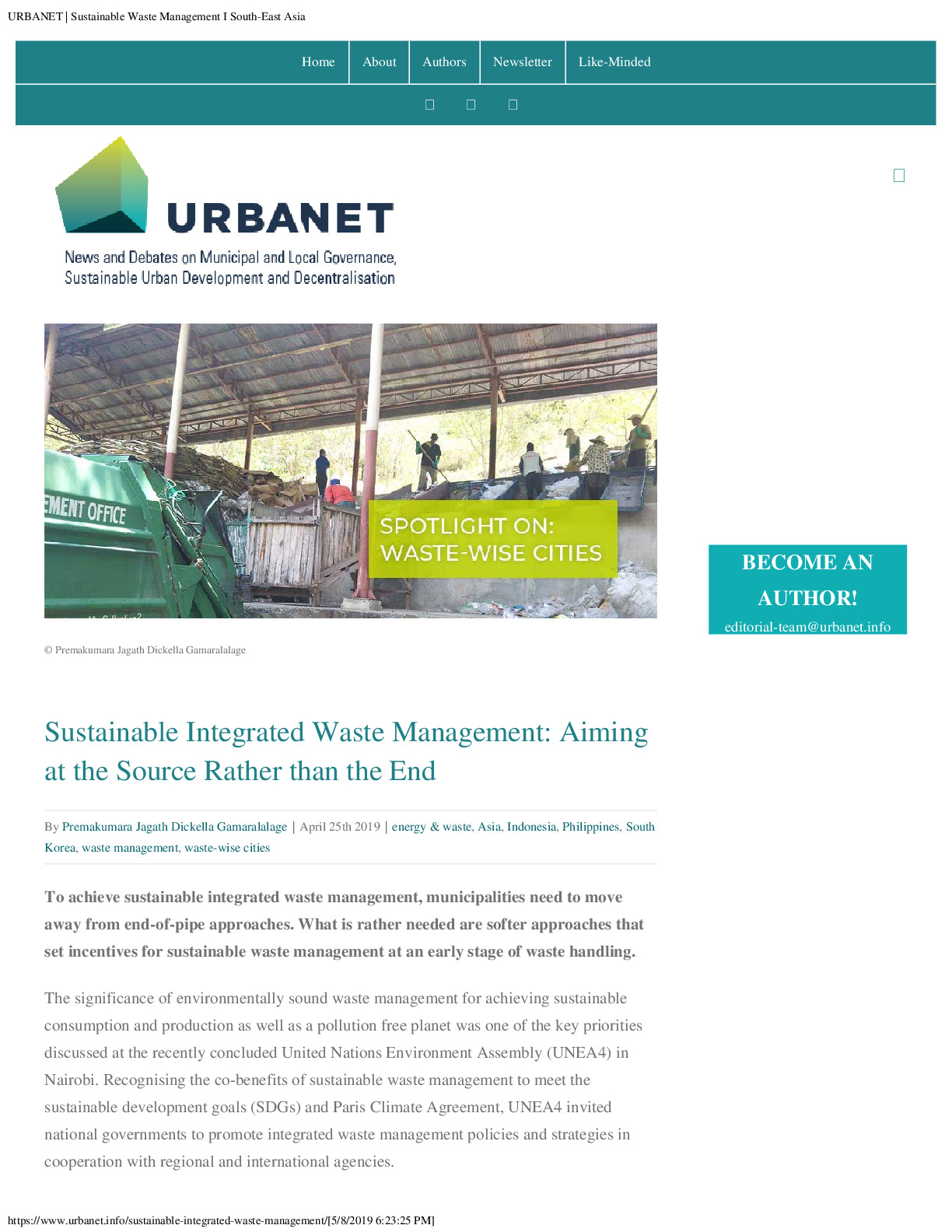
The significance of environmentally sound waste management for achieving sustainable consumption and production as well as a pollution free planet was one of the key priorities discussed at the recently concluded United Nations Environment Assembly (UNEA4) in Nairobi. Recognising the co-benefits of sustainable waste management to meet the...