
8932件中 2811~2820件 (日付順)
ポリシーレポート
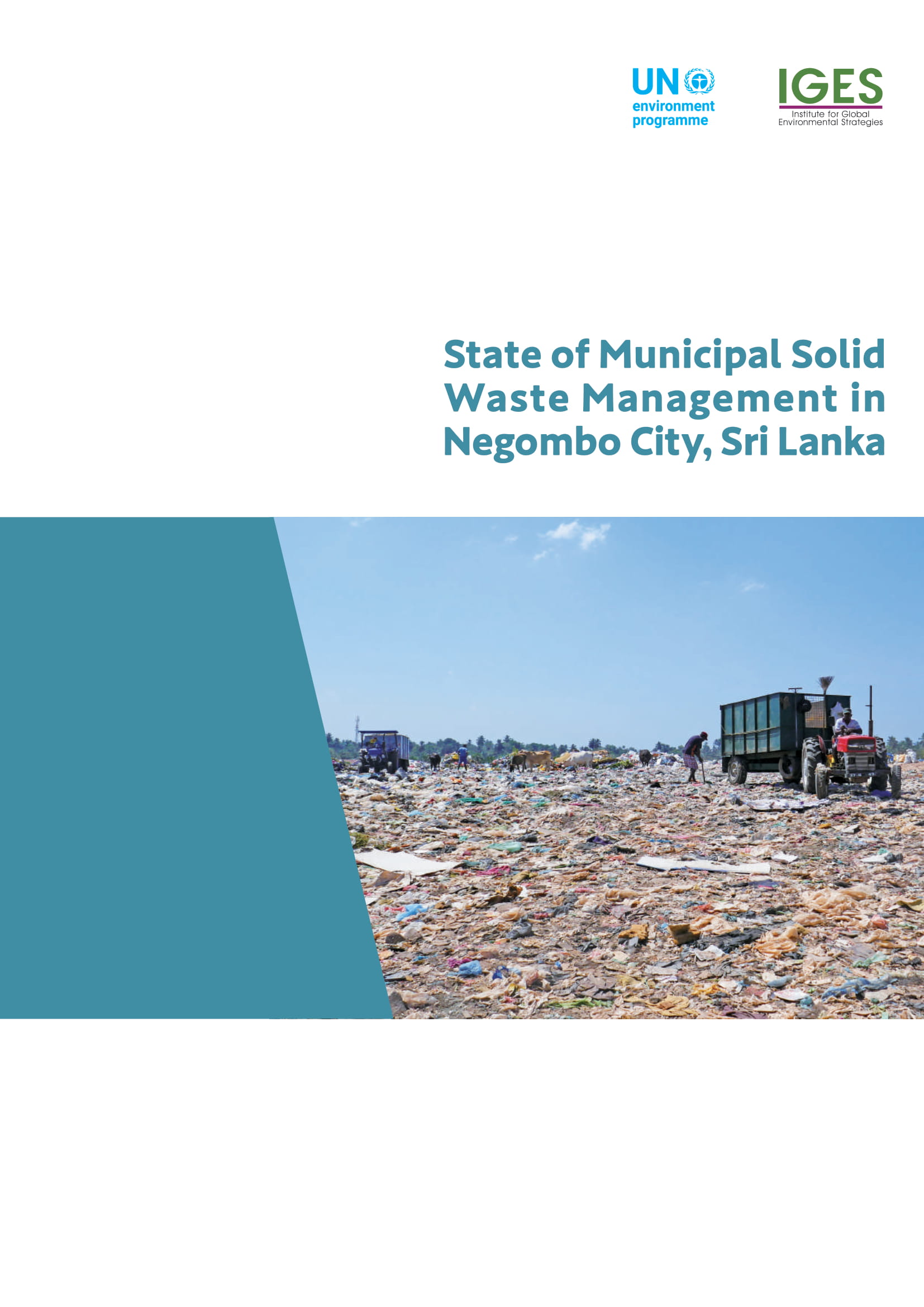
Negombo City is one of the fastest growing tourist destinations in Sri Lanka. It is the major commercial and transport centre, and main health service provider for the region. However, municipal solid waste management is a pressing concern for Negombo due to expanding urbanization, increasing income, lack of public awareness, changes in consumption...
政策プロセスへの提言
Development of the Roadmap for Sustainable Waste Management and Resource Circulation in South Asia, 2019-2030 is a result of an intensive consultation process facilitated by the South Asia Cooperative Environment Programme (SACEP) and the IGES Centre Collaborating with UNEP on Environmental Technologies (CCET) with the participation of all eight...
プレゼンテーション
COP25報告セミナー 新たなベンチマーク - 1.5℃・2050・ネットゼロ
2019 年 12 月に開催された、 IGES のイベント「 COP25 報告セミナー 新たなベンチマーク - 1.5 ℃・ 2050 ・ネットゼロ」の「第 2 部 IPCC 特別報告書シリーズからのキーメッセージ」で使用した「気候変動と土地」に関するプレゼンテーションです。
ポリシーレポート
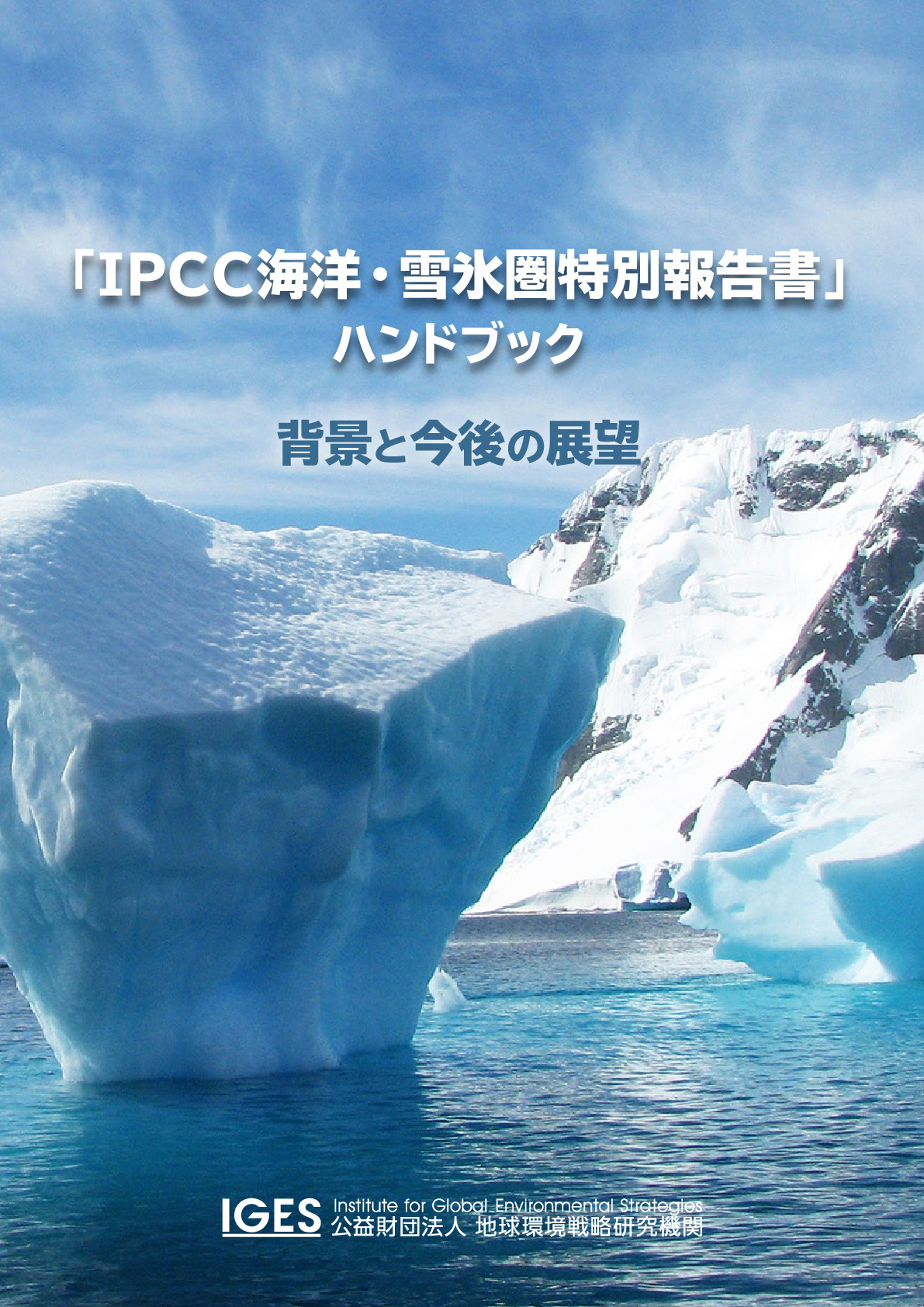
本ハンドブックは、IGES の研究活動ならびに関係機関からの協力をもとに、「変化する気候下での海洋・雪氷圏に関するIPCC 特別報告書」に関する最新の知見を取りまとめたものです。様々な角度からの分析・関連資料を掲載しており、同報告書の総合的な理解に資する内容となっています。 第1 章(イントロダクション)では、IPCC が同報告書を作成するに至った背景を、国連気候変動枠組条約(UNFCCC)での議論やIPCC の足跡とともに振り返ります。第2 章(ブリーフィング・ノート)では、IGES 研究員が専門的知見をベースに、同報告書の概要を解説しています。第3 章(主執筆者インタビュー)では、実際に同報告書の作成に携わった2 名のIPCC 関係者へのインタビューを収録しています。第4 章...
ポリシーレポート
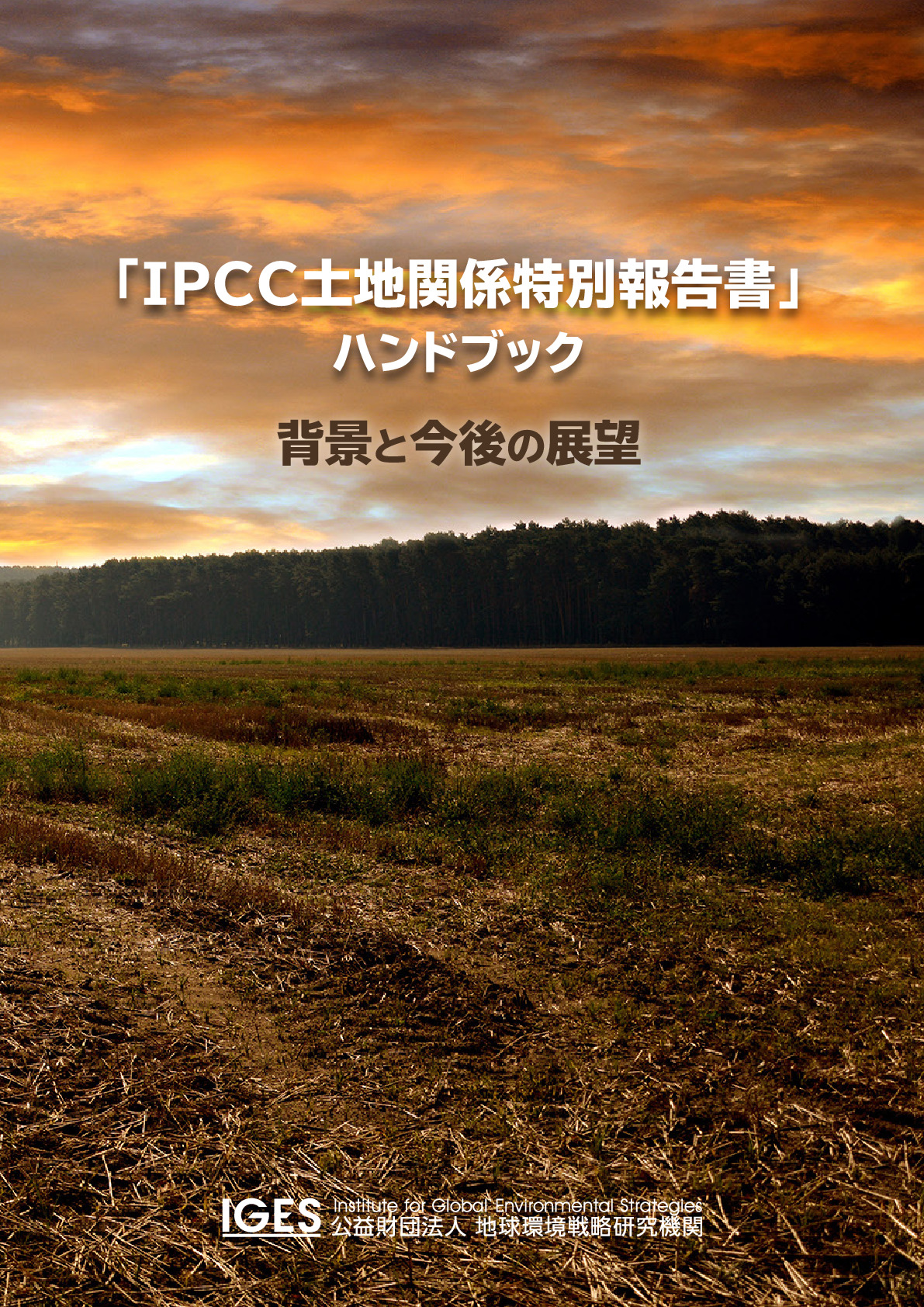
本ハンドブックは、IGES の研究活動ならびに関係機関からの協力をもとに、「気候変動と土地に関するIPCC 特別報告書」に関する最新の知見を取りまとめたものです。様々な角度からの分析・関連資料を掲載しており、同報告書の総合的な理解に資する内容となっています。 第1 章(イントロダクション)では、IPCC が同報告書を作成するに至った背景を、国連気候変動枠組条約(UNFCCC)での議論やIPCC の足跡とともに振り返ります。第2 章(ブリーフィング・ノート)では、IGES 研究員が専門的知見をベースに、同報告書の概要を解説しています。第3 章(主執筆者・査読編集者インタビュー)では、実際に同報告書の作成に携わった2 名のIPCC 関係者へのインタビューを収録しています。第4 章...
プレゼンテーション
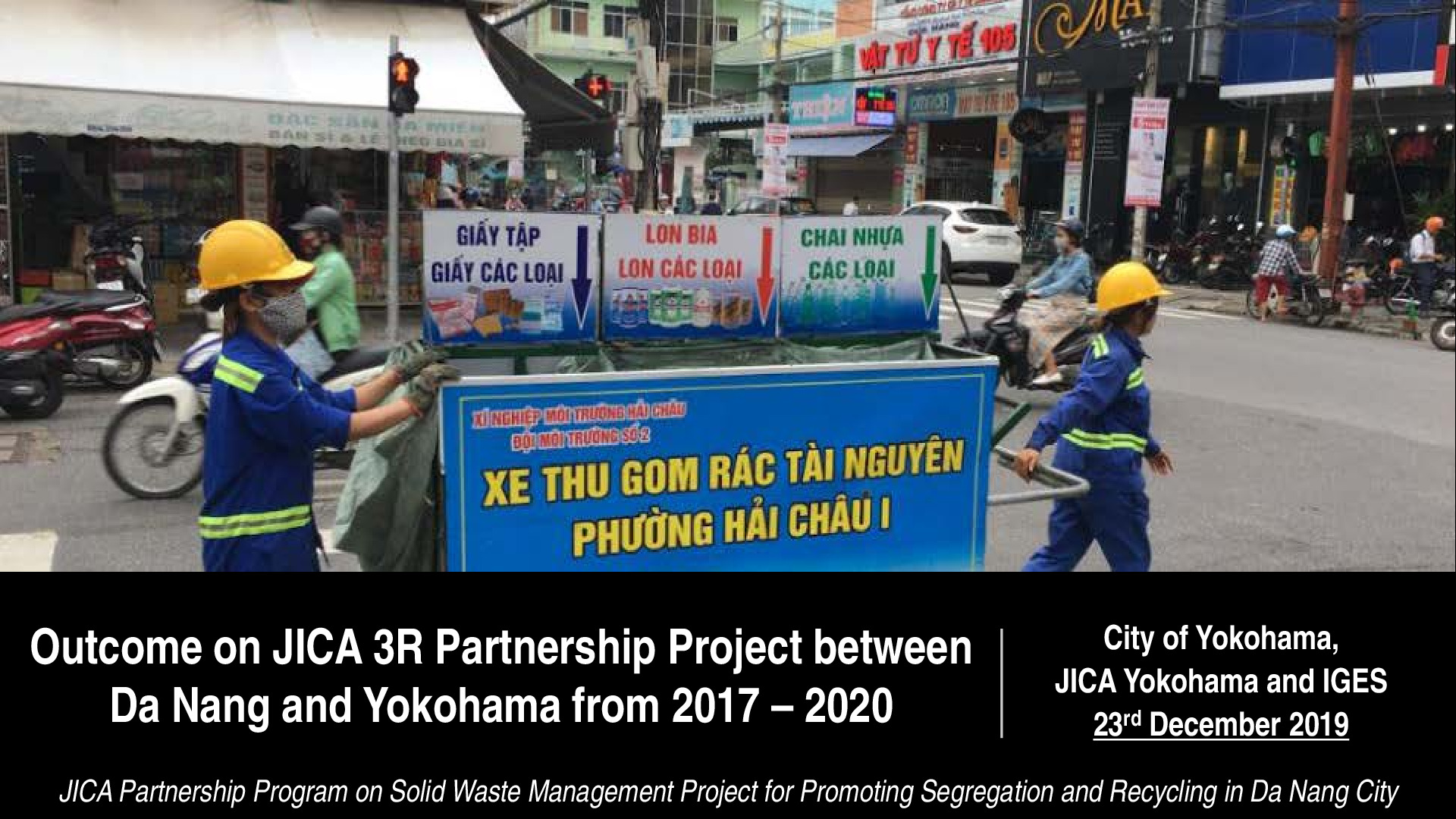
Closing Event of JICA Partnership Programe on Solid Waste Management Project for Promoting Segregation and Recycling in Da Nang City
Outcome of three years project progress and issues remained for JICA 3R Partnership Project Between Da Nang and Yokohama from 2017-2020 was presented at the closing event of the project.
プレゼンテーション
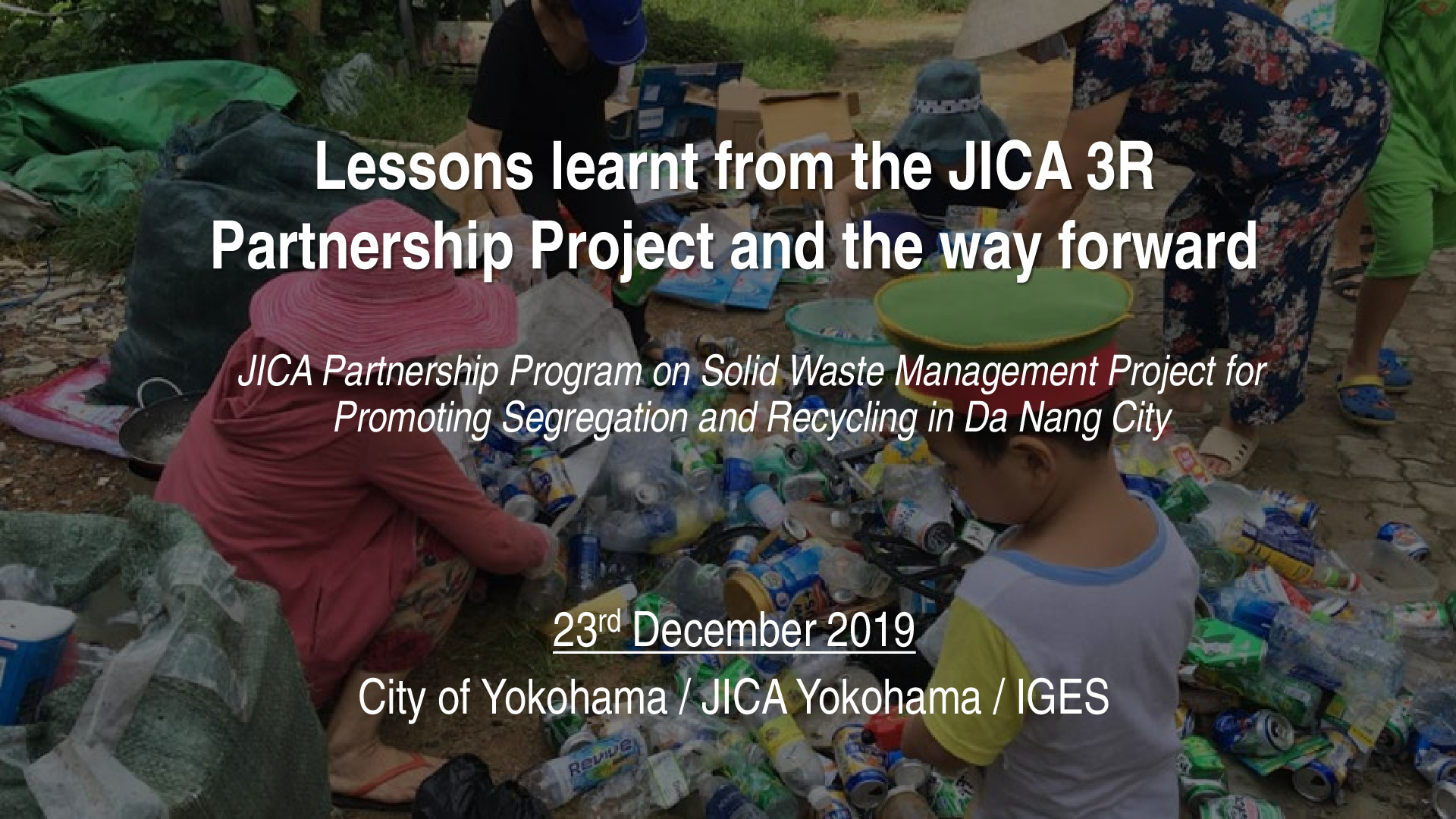
Closing Event of JICA Partnership Programe on Solid Waste Management Project for Promoting Segregation and Recycling in Da Nang CityClosing Event of JICA Partnership Programe on Solid Waste Management Project for Promoting Segregation and Recycling in Da
Lessons learnt from the JICA 3R Partnership Project was presneted. Also, the possible ideas for the next phase of the project was presented.
プレゼンテーション

This work was presented as one of the keynote presentations at Da Nang city's development forum in December 2019. The author has develop an analysis of sustainable transformation scenario analysis applying SSPs framework for Da Nang city. Also Yokohama city's and Japanese experiences of sustainable development strategies were presented. The key...
ポリシーレポート
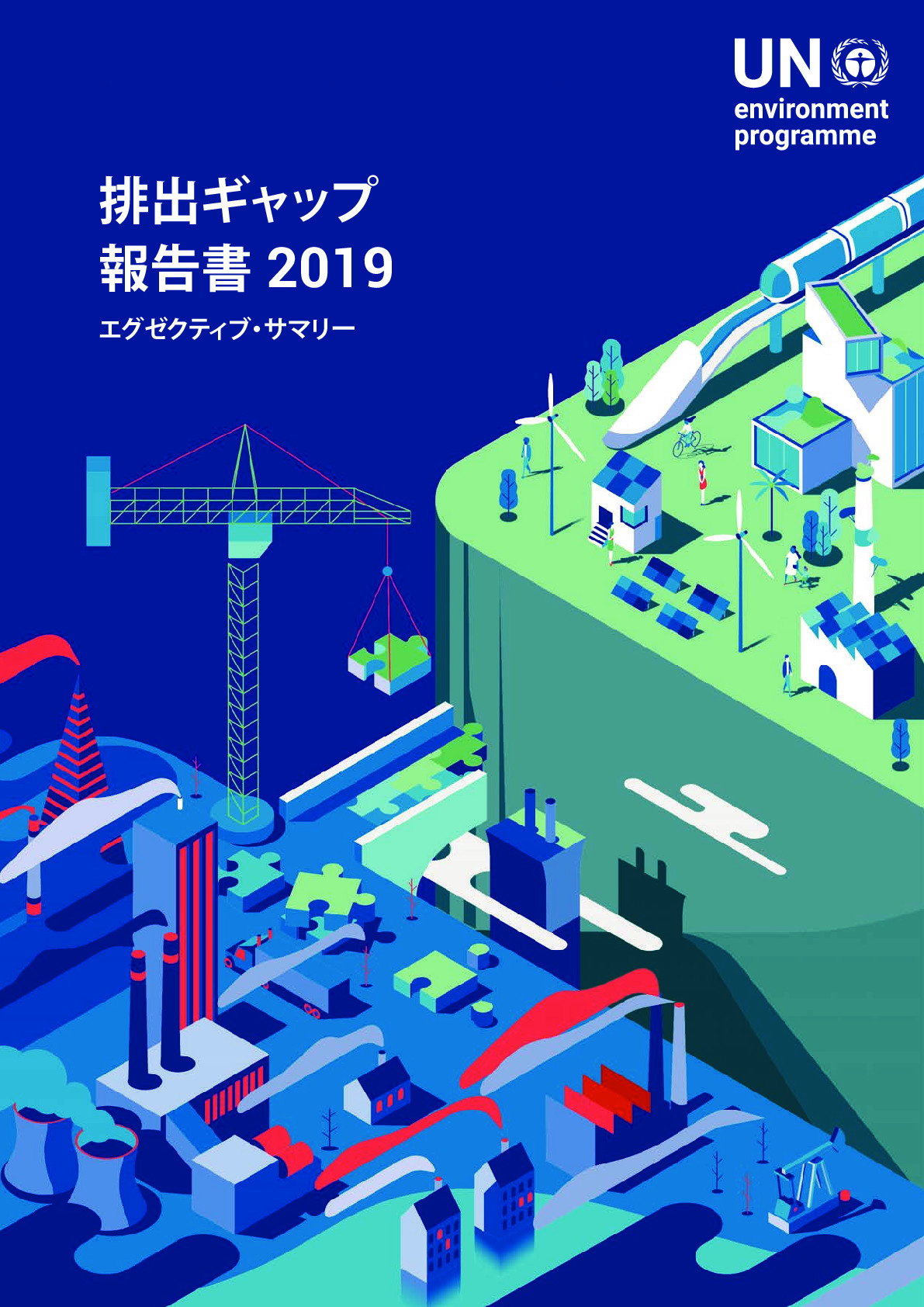
国連環境計画(UNEP)が発表した「Emissions Gap(排出ギャップ)Report 2019」エグゼクティブ・サマリーの日本語翻訳版(暫定非公式訳)。2018年に排出された温室効果ガス(GHG)の総量、今後予想される排出量及びパリ協定目標を達成するための排出量との差である「排出ギャップ」などについて様々な分析を行っている。特に、世界のGHG排出量の8割近くを占めるG20メンバーによる早急な取り組み強化の必要性、再生可能エネルギーの利用拡大、エネルギー効率化を検証し、世界の総排出削減を進め、排出ギャップを埋める野心的な方策を提案し、経済・社会全体の革新的な変化の必要性を強調している。
広報物
MASHING UP
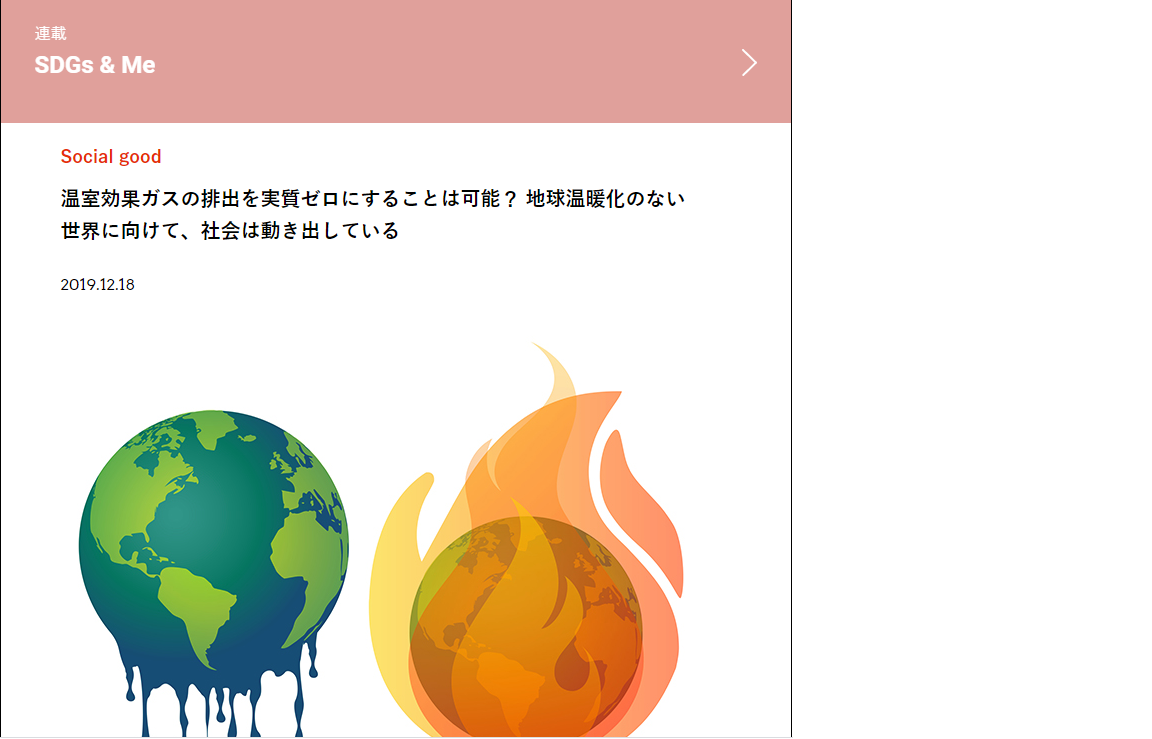
オンラインメディアで、女性から始めるダイバーシティをキーワードに、働き方やダイバーシティ、ジェンダー平等などを扱う記事などを載せているMASHING UPからの依頼に基づき、IGESでは、SDGs & Meという連載を展開しています。 本記事は、その一環として地球温暖化をテーマに、「実際のところ、温室効果ガスを実質ゼロにすることは可能なのか?」という問いから個人が、また社会がどのように向き合うことができるのか、取り上げました。