The circular economy transition along global value chains provides levers that can curb raw material use, preserve biodiversity, and reduce pollution, including the emission of greenhouse gases (GHGs). While the transition to circularity is building momentum, several systemic barriers continue to exist. This policy brief presents eight proposals...
This rapid assessment aimed to identify and quantitatively estimate the waste management infrastructure gaps for plastic waste in the Philippines to provide a baseline for investments required to bridge and close the gaps. The paper was developed by the Institute for Global Environmental Strategies with support from UN-Habitat and Save Philippine...
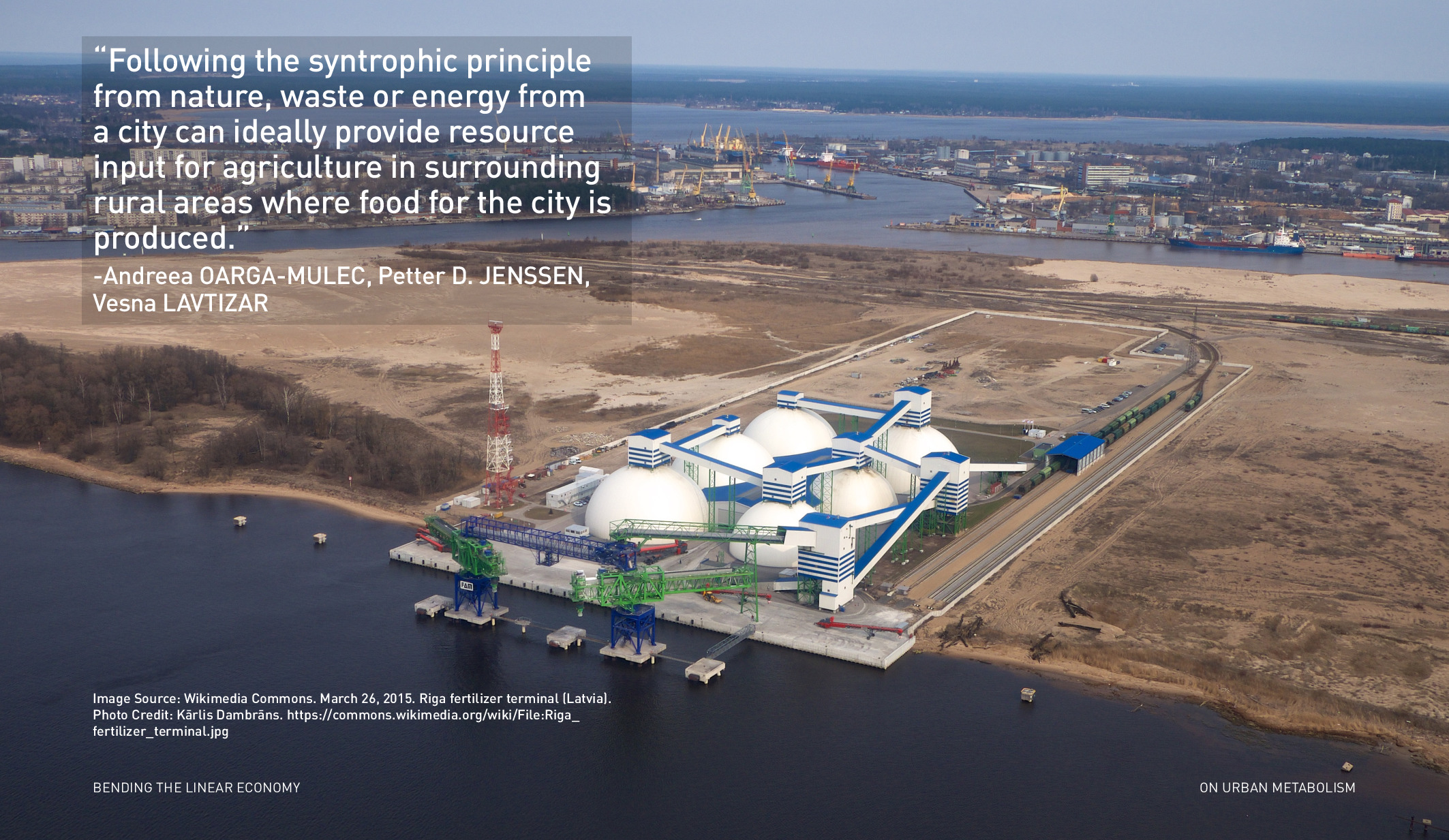
In cities, resource recovery and reuse are low, and increasing consumption leads to more pressure on natural resources and subsequently pollution, deforestation, and loss of land and biodiversity. As a result, today's cities are not sustainable, even though the knowledge and technology exist to transform cities into more sustainable areas. One...
The Circular Economy for Plastics (CEP) Private Sector Workshop was held on 1 and 3 December 2021 through the online platform, Zoom. Over twenty participants representing micro, small, to medium enterprises (MSMEs),corporations, and associations in the private sector gathered to discuss existing circular economy initiatives in six Philippine cities...
Marine litter is a big problem, and it requires big solutions. Solutions begin with awareness — awareness on the issue and awareness that leads to action. The Marine Litter Learning Kit: A Facilitator’s Guide (“Marine Litter Learning Kit”) is designed for educators and facilitators who organize environmental education programs that focus on marine...
While raising awareness is critical in providing information on the growing plastic crisis and explaining why current behavior needs to change, higher awareness does not always lead to behavior change. This paper aims to explore these barriers and motivations, and offer recommendations to promote behavior change at the community level. This paper...