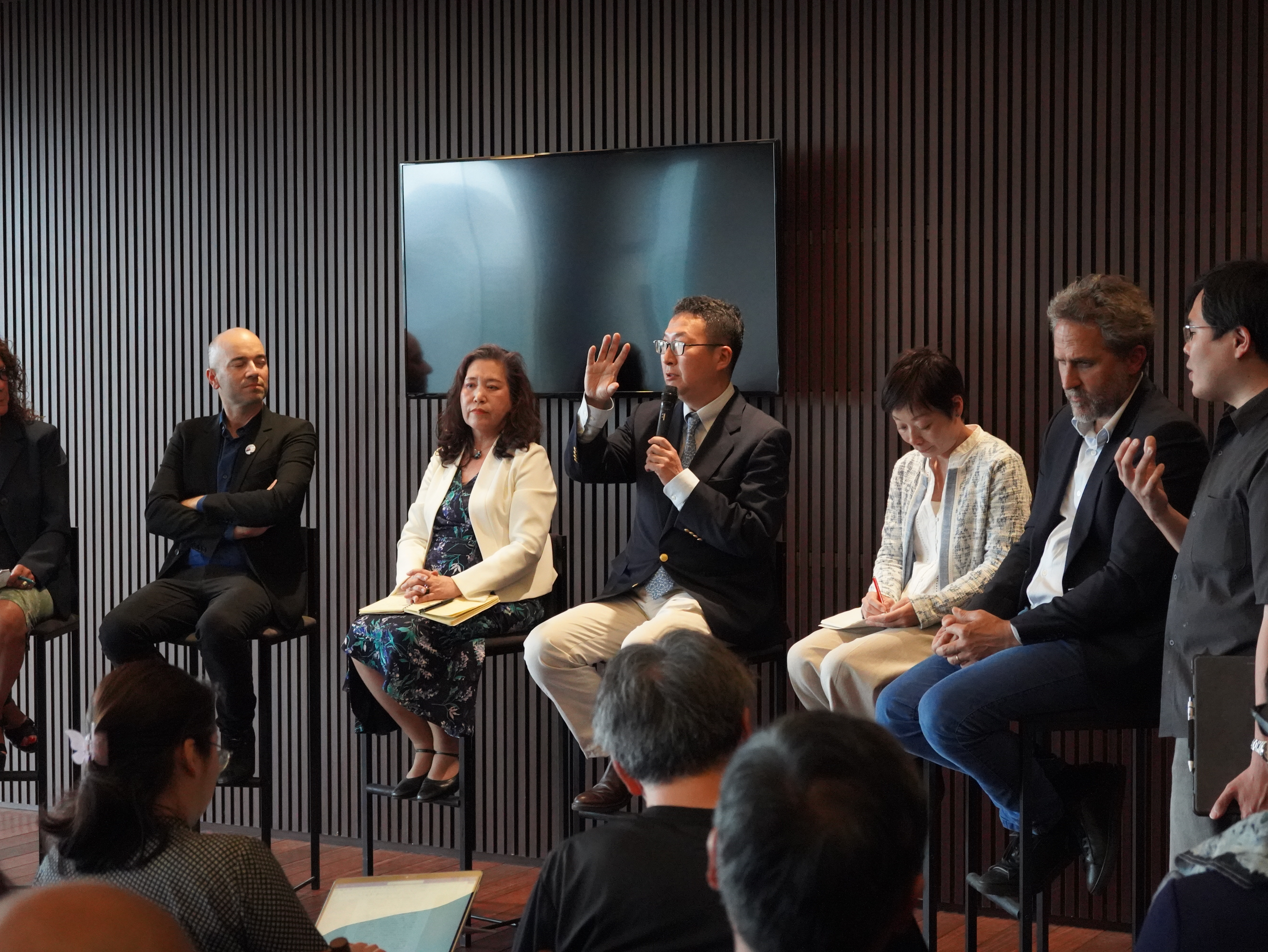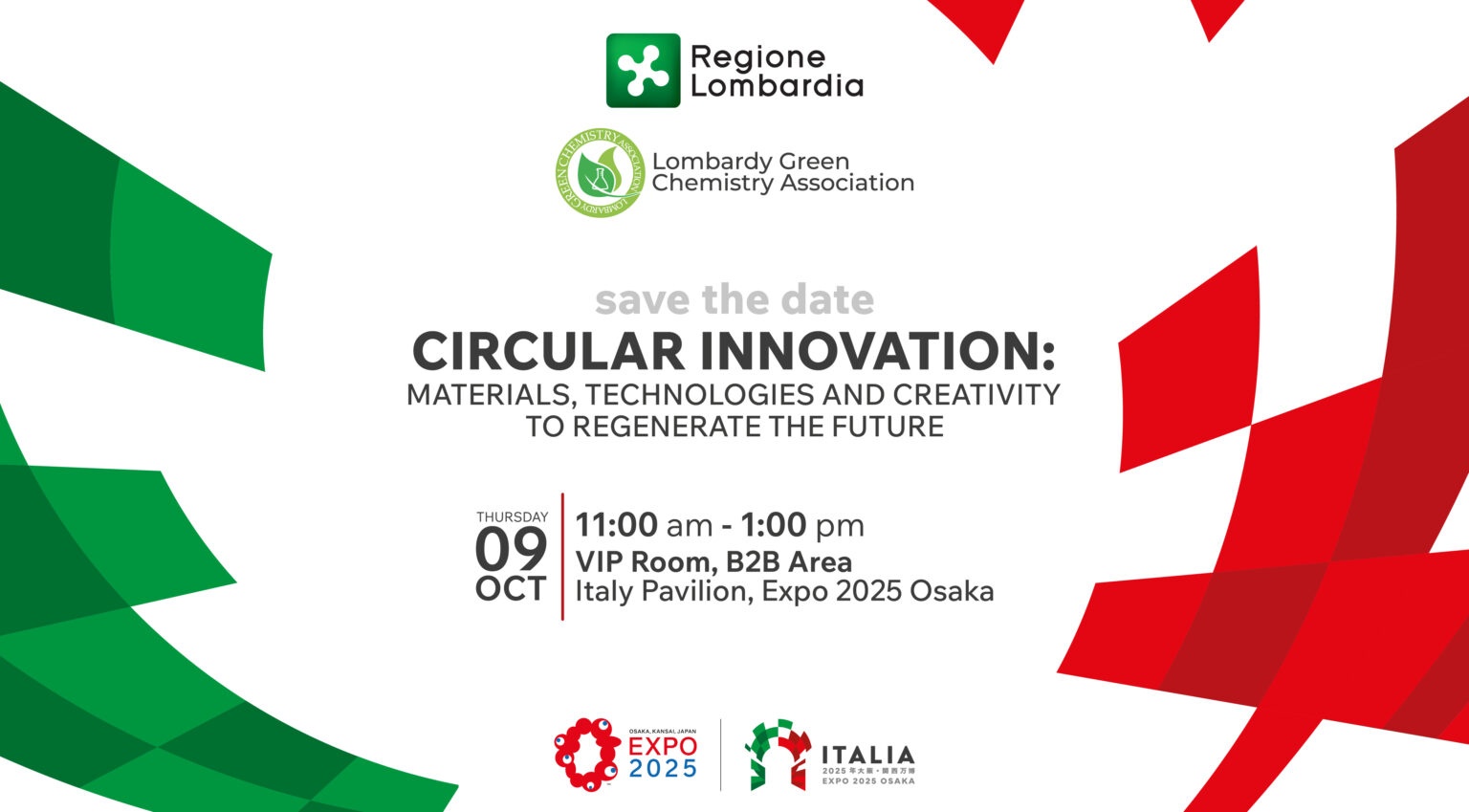
At Osaka Expo 2025, as part of Sustainability Week (October 5–13, 2025) at the Italy Pavilion, the Lombardy Region – DG for Environment and Climate – in collaboration with the Lombardy Green Chemistry Association, presents a workshop and an exhibition on circular economy, bioeconomy, AI for sustainability, agri-food innovation, and urban...
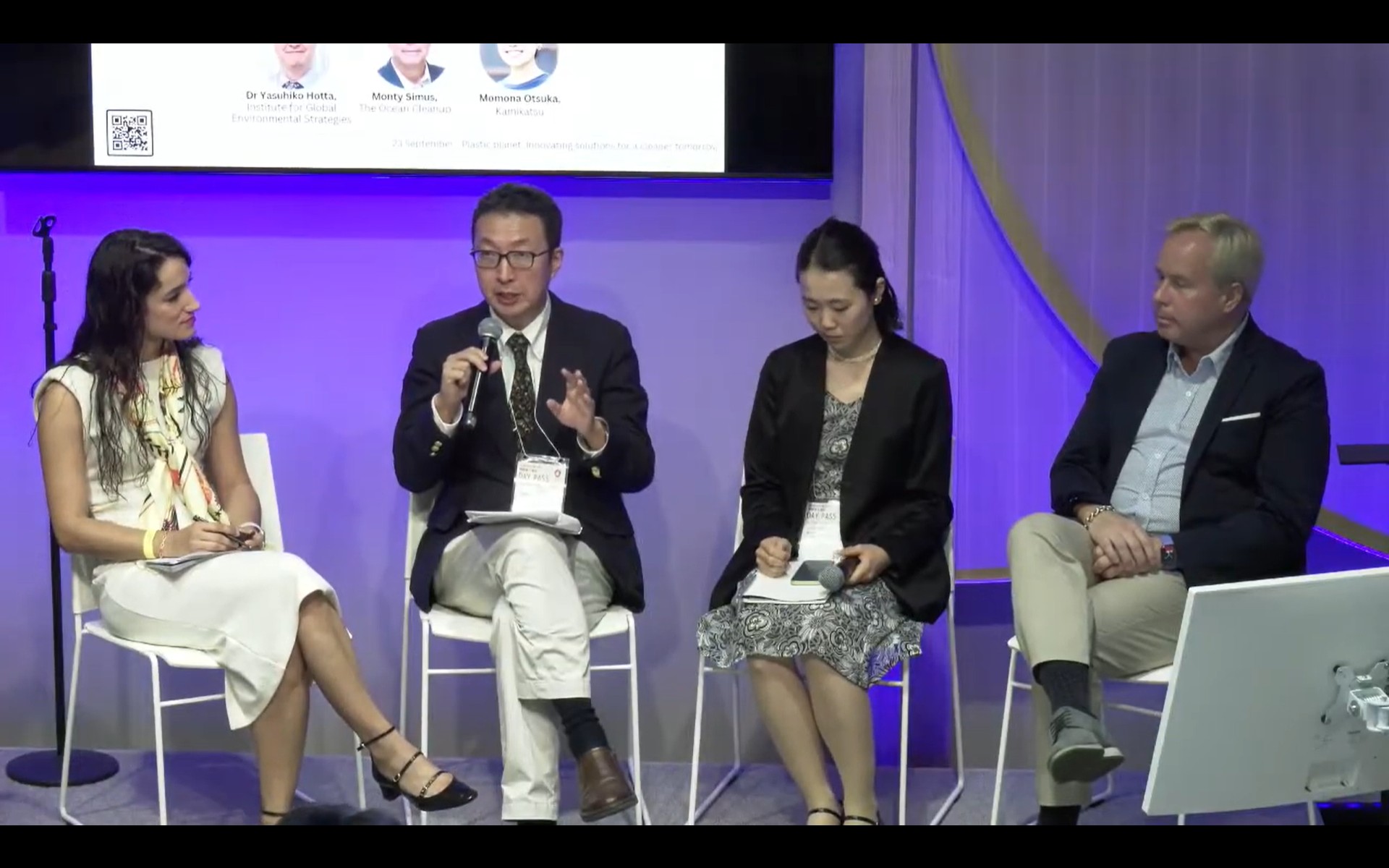
At Osaka Expo 2025, EU pavillion organised nine in-person events over three days on circular economy. On September 23, 2025, the event organized a session on " Plastic planet: Innovating solutions for a cleaner tomorrow". Hotta of IGES was a panelist of the session. The session is available in Youtube.
A global agreement to end plastic pollution must be based on pertinent, multi-disciplinary knowledge. Consideration of the full life cycle impacts of plastics and substitutes is important to achieve sustainable solutions rather than shifting the burden. Hence, this process requires considerations of fossil-based and biobased feedstocks for plastic...
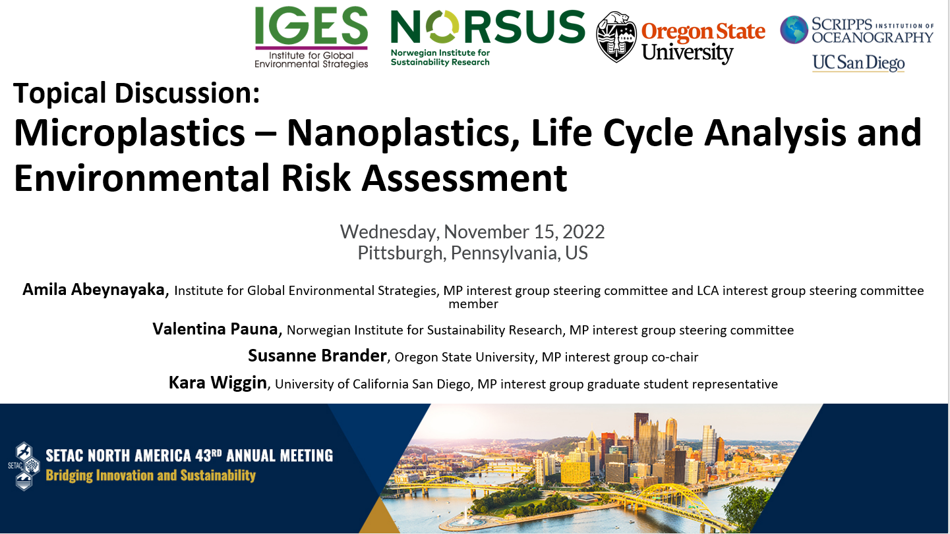
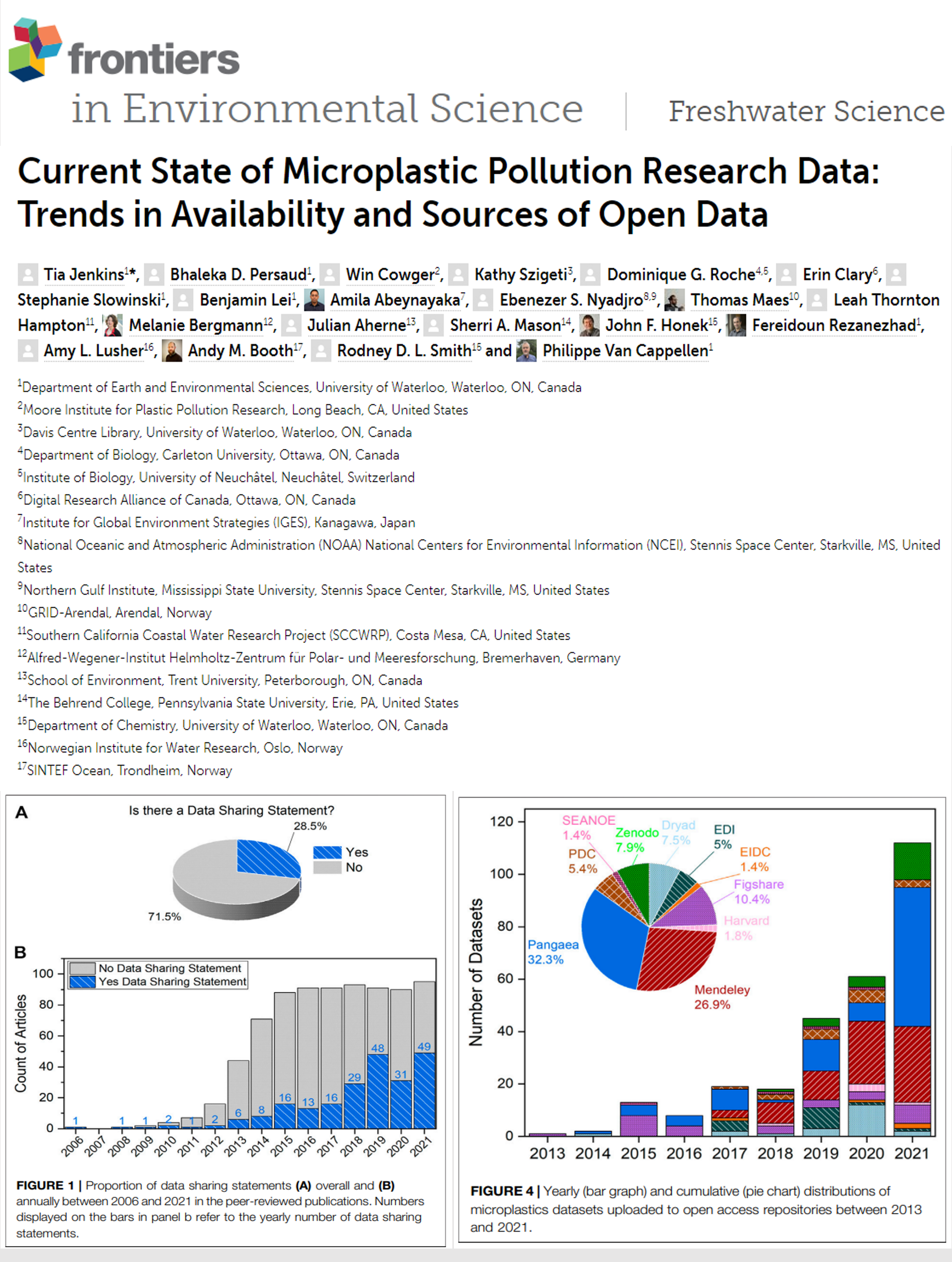
The rapid growth in microplastic pollution research is influencing funding priorities, environmental policy, and public perceptions of risks to water quality and environmental and human health. Ensuring that environmental microplastics research data are findable, accessible, interoperable, and reusable (FAIR) is essential to inform policy and...
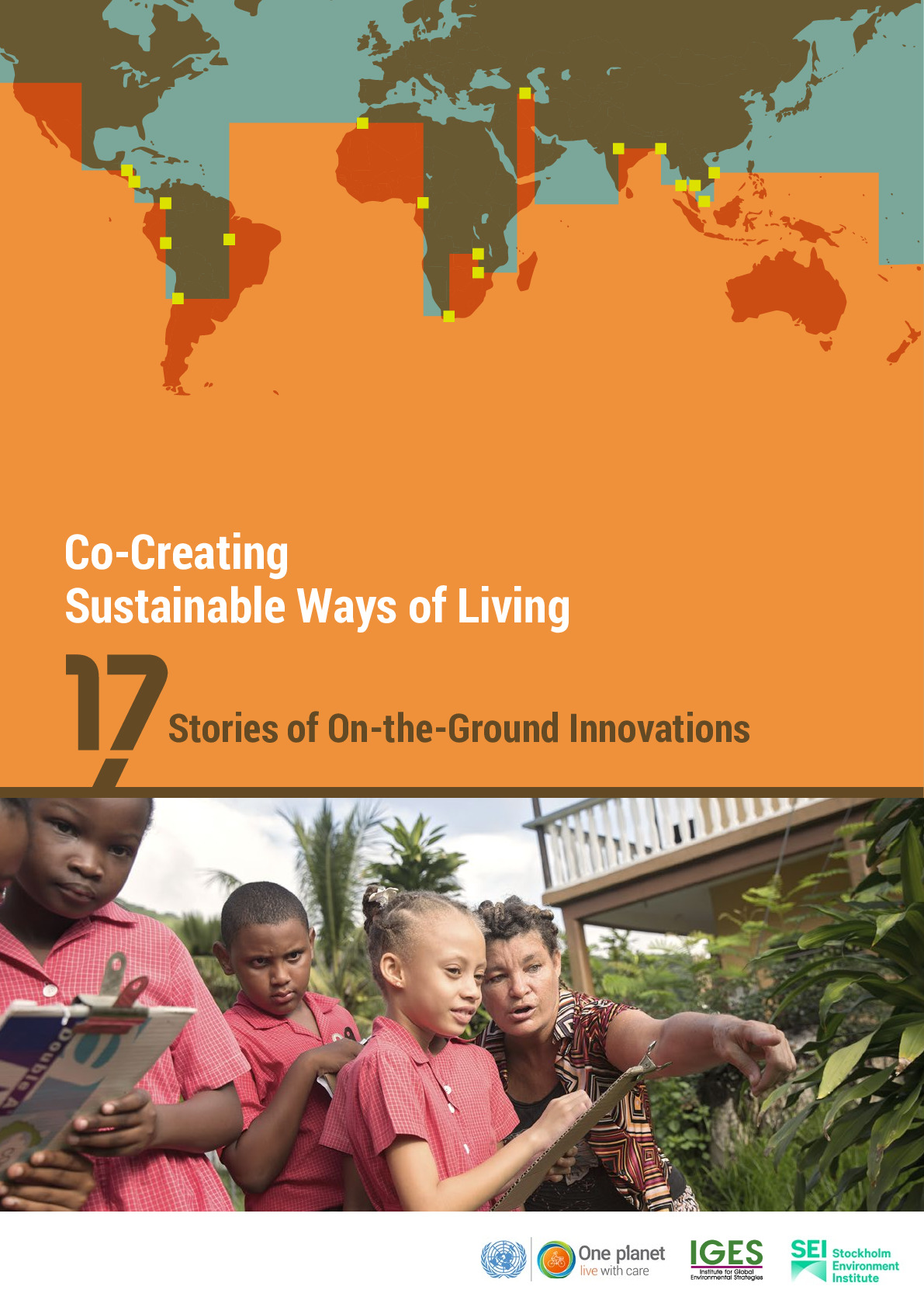
The recognition of the urgent need for more sustainable lifestyles dates from the late 20th century, originating in concerns about resource depletion and climate change. Research and policy measures have evolved since then, paying increasing attention to systemic change over individual behaviour. However, as individual behavioural change is...
Our lifestyles, through the impacts of our day-to-day activities such as eating, moving and commuting, heating and cooling our homes, caring, working, and so on, have become major threats to the sustainability of the environment. While continued economic growth and urbanisation in many countries are expected, it is imperative to consider how we...