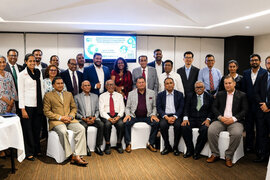
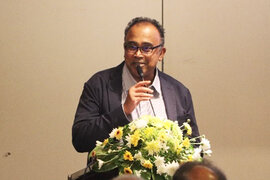
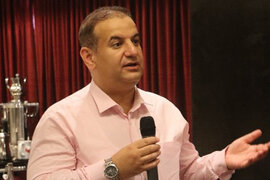
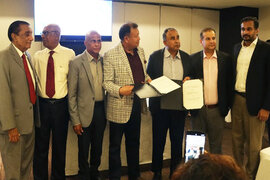
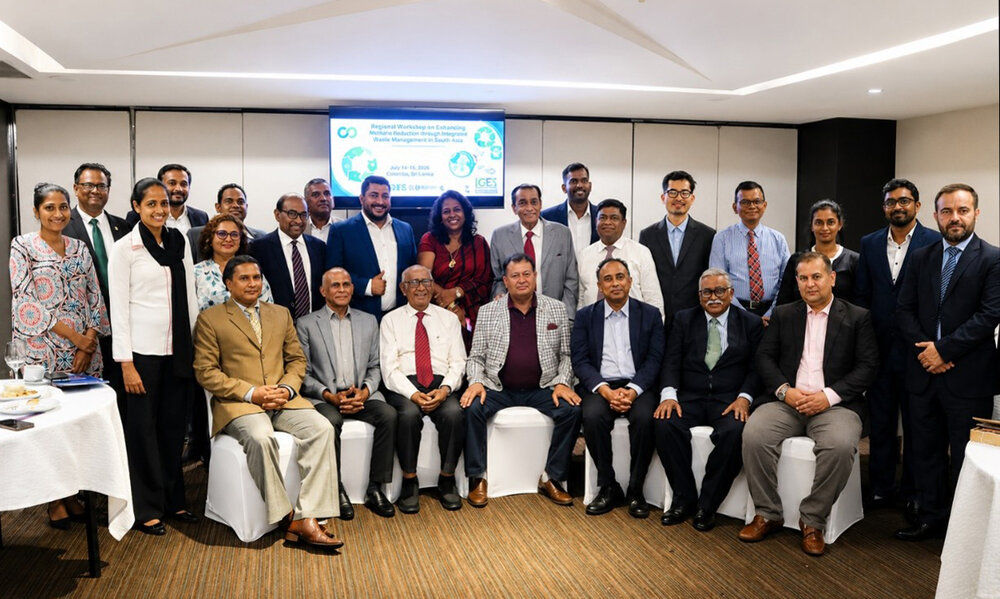
The Consultation and Knowledge-Sharing Workshop for Co-designing the Regional Circular Economy Framework for South Asia, co-organised by the Institute for Global Environmental Strategies (IGES), the South Asian Chamber of Commerce and Industry (SACCI) and the Federation of Chambers of Commerce and Industry of Sri Lanka (FCCISL), convened private sector leaders and policy experts to co-design a regional framework for the circular economy transition in South Asia. The event brought together chamber leadership, business executives and sector specialists from manufacturing, construction, pharmaceuticals and renewable energy to review the draft framework and provide country-specific input ahead of its next revision.
Specifically, the workshop set out to review the framework's three-pillar architecture; market mechanisms, enabling regulation and green investment alongside its tiered implementation approach and 2026–2030 roadmap; to anchor the business case for circular investment in Sri Lanka–specific data; and to capture stakeholder feedback for the next draft. It also sought to build momentum towards a regional chamber dialogue in Nepal, where unified circular economy indicators are to be finalised. The programme covered:
- Strategic planning and architecture of the South Asian Regional CE Framework
- Integrated Solid Waste Management as the operational backbone of the circular transition
- The circular economy as a commercial engine: markets, trade competitiveness and investment
The event concluded with an interactive stakeholder consultation, in which industry representatives raised country-specific concerns to be reflected in the next revision of the framework.

Background
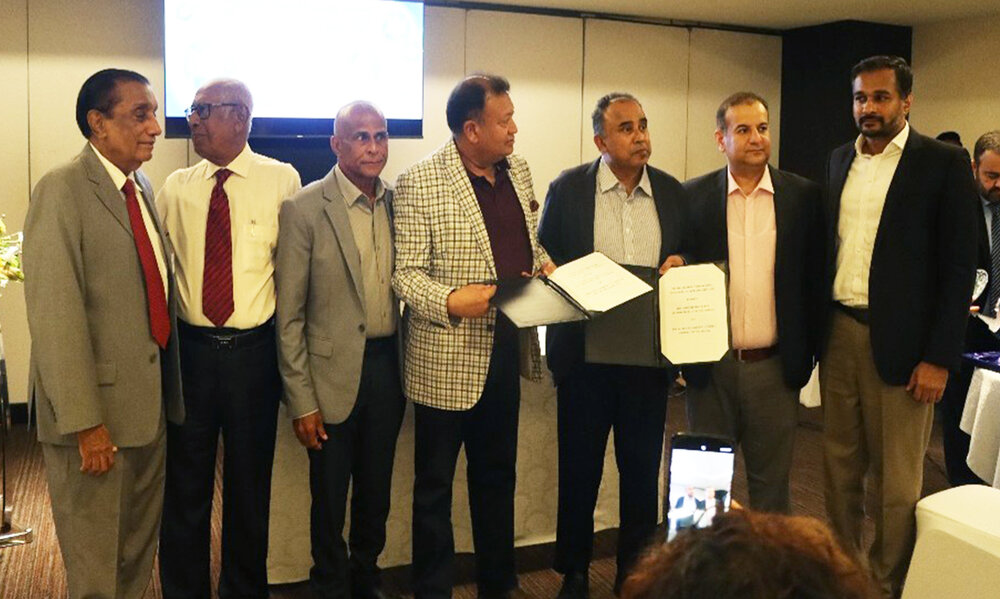
South Asia is home to nearly a quarter of the world's population and generates over 300 million tonnes of waste annually, yet less than 40% is collected, while the region ranks among the most environmentally vulnerable in the world. Recognising that a circular economy transition extends well beyond waste management into material use, product design and production planning, IGES and SACCI launched a joint initiative, formalised through a Memorandum of Understanding, to draft and operationalise a Regional Framework for the Circular Economy in South Asia. Colombo was selected as the inaugural country-level consultation, hosted by FCCISL ahead of subsequent sessions across the region. The consultation aimed to co-design the Regional CE Framework with the private sector. While circular economy policy has traditionally been developed in partnership with government bodies, chambers of commerce and industry are indispensable to a transition that reaches upstream into design, production and supply chains.
Programme Highlights
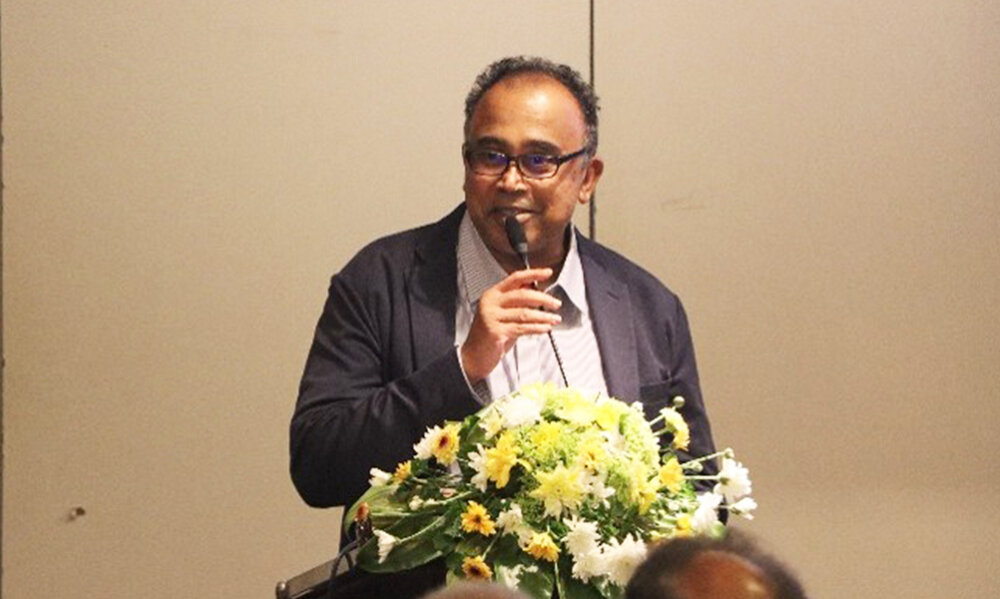
Opening Session – Dr. Rohitha Silva (President, FCCISL) welcomed delegates from Japan and across South Asia and encouraged active participant input. In his keynote, Mr. Chandraj Takar (President, SACCI) claimed that circular economy adoption is a vital necessity rather than an option, essential for protecting livelihoods, building economic resilience and supporting climate action and called for translating shared ideas into collaborative regional action.
Strategic Planning for the South Asian CE Framework – Dr. Premakumara Jagath Dickella Gamaralalage (Director of CCET) linked rising resource extraction under linear economic systems to the triple planetary crisis of climate change, biodiversity loss and pollution. He introduced the framework's three interlocking pillars; market, regulations and investment, structured around a lifecycle approach from product design through production and consumption to resource recovery. Drawing on the Japan Circular Economy Business Forum and IGES's work with the ASEAN Secretariat, he noted that tightening EU recycling targets and Japanese packaging and e-waste rules require South Asian businesses to align in order to remain trade-competitive. The framework proposes a Circular Economy Business Committee within SACCI, with progress tracked against indicators on material productivity, recycled content, resource efficiency and circular investment flows.
Framework Architecture and Operational Backbone – Dr. Pham Ngoc Bao (Research Director, SCP, IGES) explained that the proposed Regional Circular Economy Framework for South Asia is designed not as an additional compliance burden, but as a practical platform for countries to operationalise their existing national commitments, mobilise green finance, strengthen regional competitiveness, and reduce dependence on imported virgin materials. He emphasised that Integrated Solid Waste Management (ISWM) is the non-negotiable foundation of a circular economy. Without efficient waste collection, materials never enter the circular value chain; without source segregation, recyclable materials become contaminated and lose their value; and without Material Recovery Facilities (MRFs), secondary material markets cannot develop, rendering mechanisms such as Extended Producer Responsibility (EPR) and industrial symbiosis ineffective.
Dr. Bao further explained that the Framework is structured as a sequential roadmap, progressing from understanding the regional context to achieving practical implementation. It begins with the regional context, rationale, vision, and strategic objectives, followed by three overarching strategic goals underpinned by guiding principles that provide a common foundation for promoting a resilient, inclusive, and resource-efficient circular economy while recognising the diverse circumstances of South Asian countries. Building on this foundation, the Framework identifies five strategic priorities, supported by cross-cutting enablers, including policy, finance, digitalisation, infrastructure, capacity building, and partnerships; and concludes with a governance and implementation framework that defines the roles of SAARC-CCI and other stakeholders, together with institutional arrangements, monitoring and evaluation mechanisms, milestones, and a 2026–2030 implementation roadmap to ensure coordinated, measurable, and effective regional action.
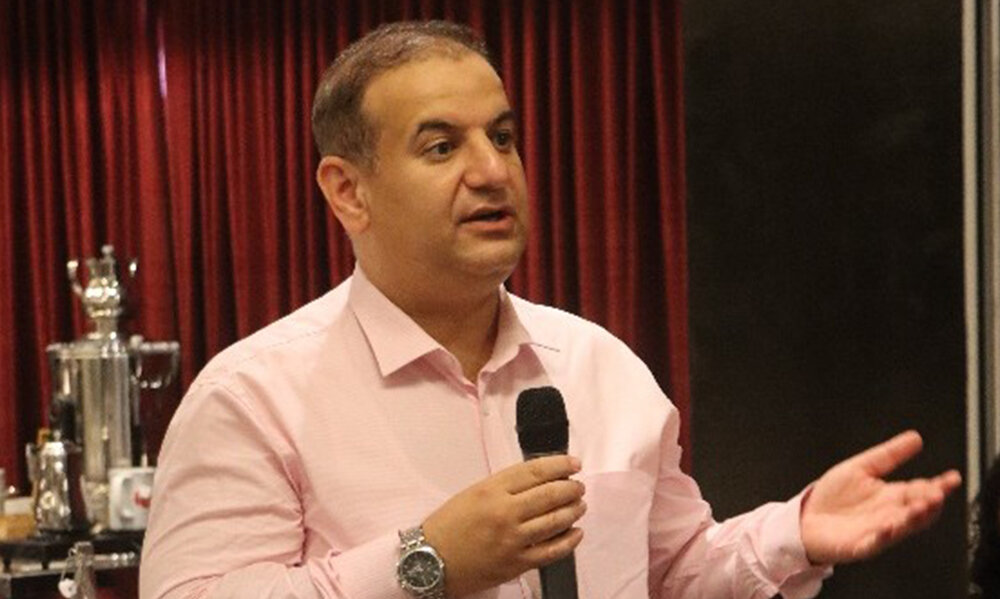
The Circular Economy as a Commercial Engine – Imran Ali (Director of R&D, SACCI) framed the circular economy in commercial terms: profitability, trade competitiveness, risk mitigation and revenue monetisation. Sri Lanka generates an estimated 2.5–2.7 million tonnes of waste annually, of which roughly 70% is collected but under 15% recycled, while over half is organic, pointing to untapped potential in composting, biogas and fuel substitution. With 71% of consumers preferring recycled products and 82% willing to segregate waste, market readiness is strong. He also flagged that strict EU due diligence and GSP+ requirements put regional exporters at risk of losing trade concessions in sectors such as textiles unless circular standards are adopted.
Interactive Stakeholder Consultation – Participants raised the gap between superficial corporate sustainability messaging and genuine impact sourcing, prompting discussion of incentive design, mandated recycled content and green public procurement. Construction representatives were assured that construction and demolition waste is a priority stream, with up to 100% recoverable as secondary structural resources. Pharmaceutical sector participants highlighted how over-ordering and expired stock create toxic waste, drawing responses on inventory management and strict source segregation. Industrial heavy metals and microplastics were also addressed, with IGES noting ongoing work on standardised measurement methods that could be adapted for South Asia.
Outcomes and Next Steps – Feedback on impact-sourcing incentives, construction material recycling and healthcare waste segregation will be incorporated into the next draft of the Regional Framework. SACCI will establish an internal Circular Economy Business Committee during 2026–2027, and arrangements are being finalised for a South Asian Chamber Dialogue in Nepal to adopt unified regional circular economy indicators. The Colombo consultation marks the first in a planned series of country-level dialogues, with further sessions to follow across the region.
イベントの詳細
Colombo, Sri Lanka
IGES Centre Collaborating with UNEP on Environmental Technologies
2108-11 Kamiyamaguchi, Hayama, Kanagawa, 240-0115 Japan
Phone: +81-46-855-3840
https://ccet.jp/