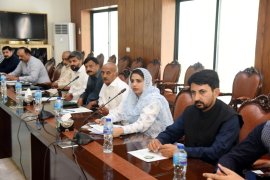
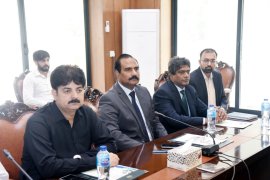
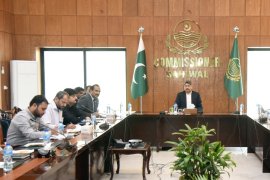
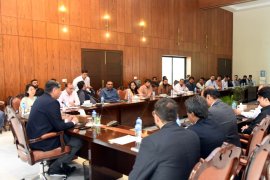
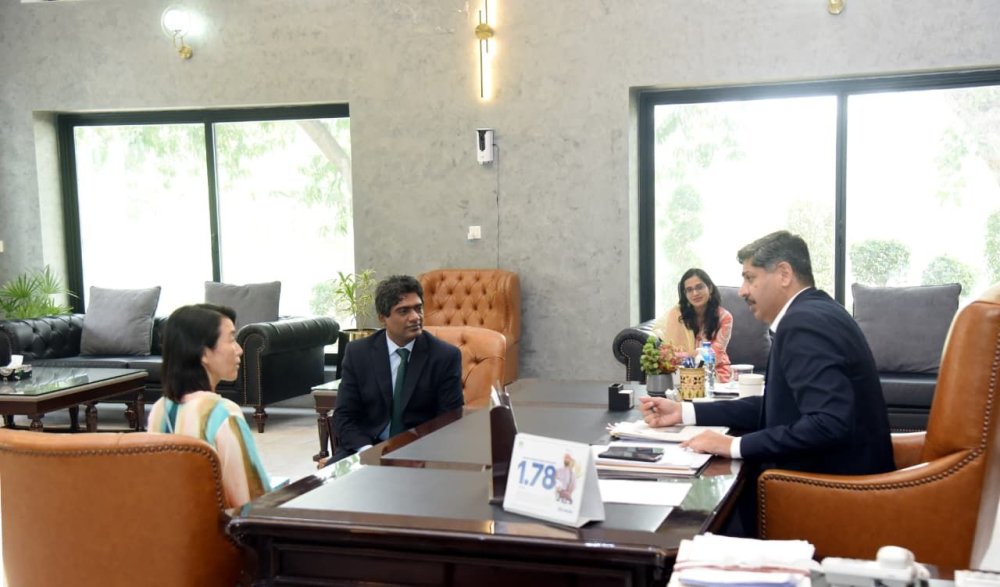
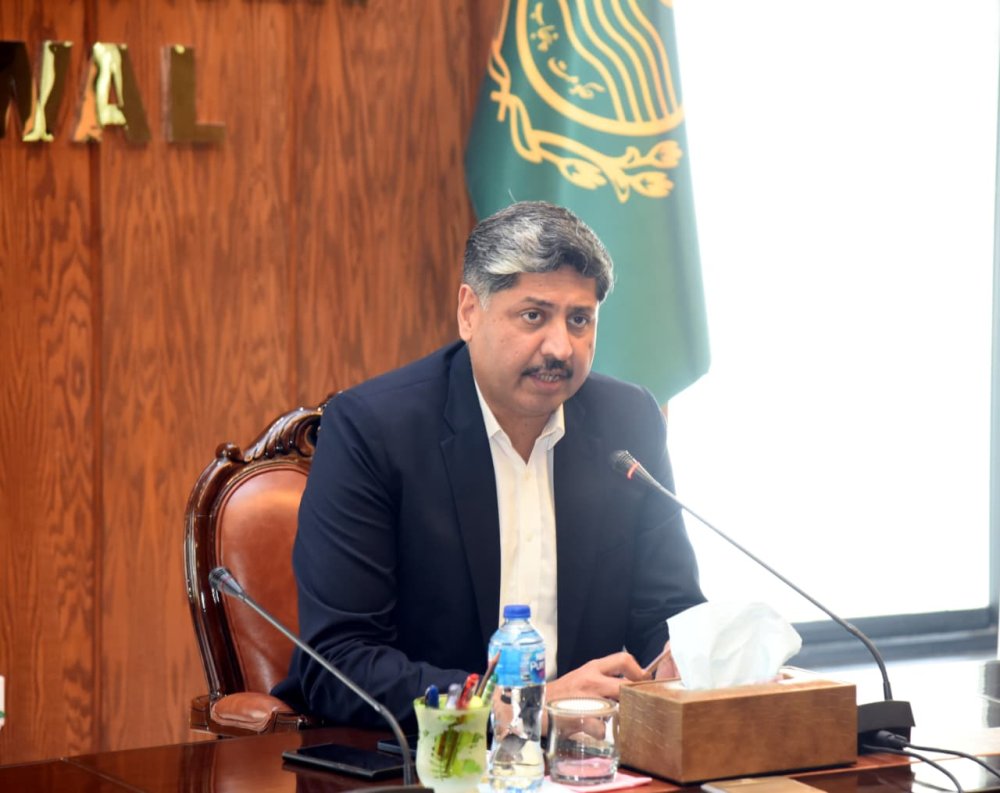
In response to the growing need for sustainable urban planning and efficient waste management, a consultative workshop was organised in Sahiwal Division, Pakistan, under the project 'Formulation of Solid Waste Management Strategy for Sahiwal Division'. Implemented by the Institute for Global Environmental Strategies (IGES) in collaboration with Sahiwal Division, Urban Unit, and the United Nations Environment Programme – International Environmental Technology Centre (UNEP-IETC), the objective of the workshop was to collect participants’ comments, feedback, and practical suggestions on the draft SWM strategy, ensuring its feasibility and applicability under real-world local conditions.
The event convened senior officials from the Environmental Protection Department (EPD) Sahiwal, Solid Waste Management (SWM) contractors, informal sector representatives, local government officials, and civil society agencies, including the Akhter Hameed Foundation. Participants shared insights, discussed ongoing initiatives, and explored opportunities to align efforts under a unified strategic framework.

▶ Summary
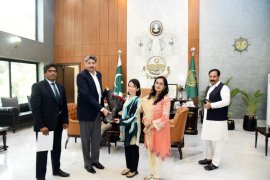
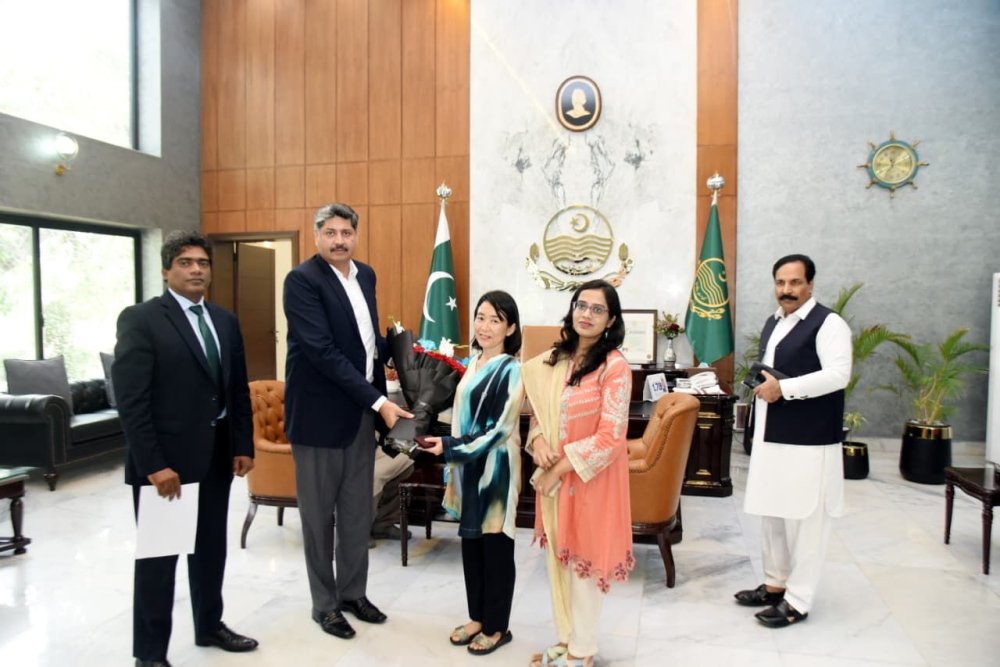
The workshop began with opening remarks by Commissioner Sahiwal, Mr. Asif Tufail, who underscored the need for coordinated, data-driven reforms in line with the 'Suthra Punjab' vision: a comprehensive provincial initiative focused on cleanliness, environmental sustainability, and modernisation across Punjab. to improve the province's environmental standards, sanitation infrastructure, and overall quality of life through systematic reforms and development projects. Under this initiative, the Sahiwal Solid Waste Management Company (SLSWMC) has been expanding waste collection coverage and operational efficiency across the division.
Mr. Tufail highlighted the digital monitoring system that enables real-time tracking of key data—such as worker attendance, tracking of collection vehicles, waste collection progress, and citizen complaints—across all state-owned waste management companies in Punjab. This integrated dashboard is also accessible to the Department of Local Government, facilitating oversight and coordination. He further noted the recent introduction of a waste collection fee for households and commercial sectors, which can be paid online or through contractors, marking a significant shift toward financial sustainability. In line with this, Mr. Iftikhar Ali, CEO of SLSWMC, emphasised that these initiatives collectively aim to strengthen governance and enhance service delivery efficiency.
Ms. Anum Shahid, SWM Specialist from Urban Unit, presented the draft Solid Waste Management Strategy (2026–2040), outlining short-, medium-, and long-term goals. The strategy focuses on operationalising the newly installed Material Recovery Facility (MRF), promoting source segregation, fostering community participation, establishing public–private partnership (PPP) frameworks, and advancing integrated waste recovery and sustainable governance.
Discussions during the workshop centred on themes such as policy alignment with global standards, integration of circular economy principles, inclusion of informal waste workers, capacity building, community outreach for source segregation, youth engagement, and data-driven planning. Through the interactive discussion, the workshop successfully laid the foundation for a comprehensive and actionable SWM strategy tailored to the Sahiwal Division, setting the stage for multi-sectoral collaboration focused on innovation, sustainability, and community empowerment.
In closing remarks, Ms. Miho Hayashi from IGES expressed appreciation for the participants’ active engagement and collaborative spirit in identifying practical solutions. She emphasised the importance of clearly defining institutional roles and responsibilities to achieve short-term SWM targets and highlighted the value of integrating informal actors and local communities to ensure effective and inclusive implementation.
イベントの詳細
Conference Room at Commissioner’s office, Sahiwal Division, Pakistan