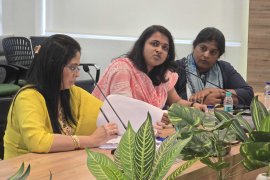
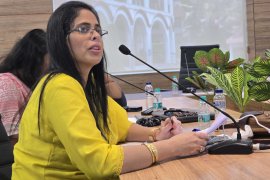
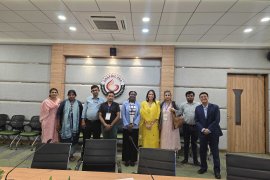
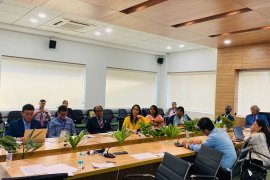
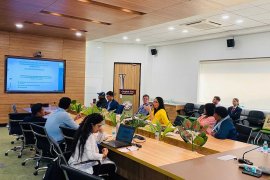
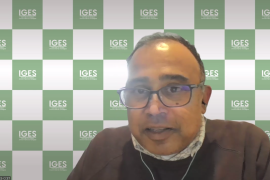
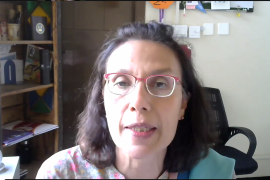
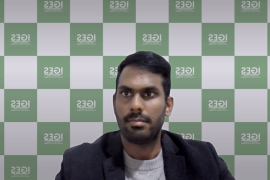
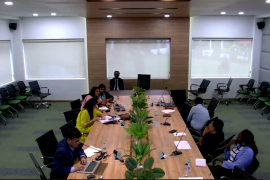
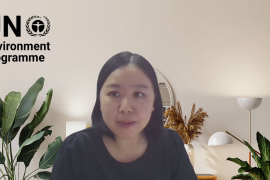
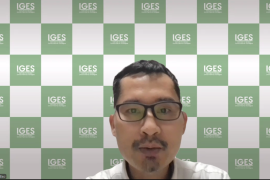
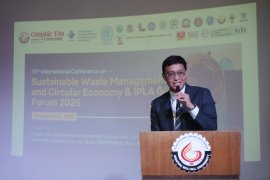
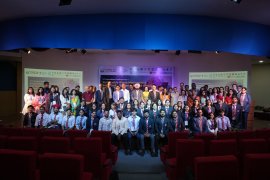
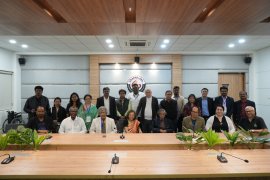
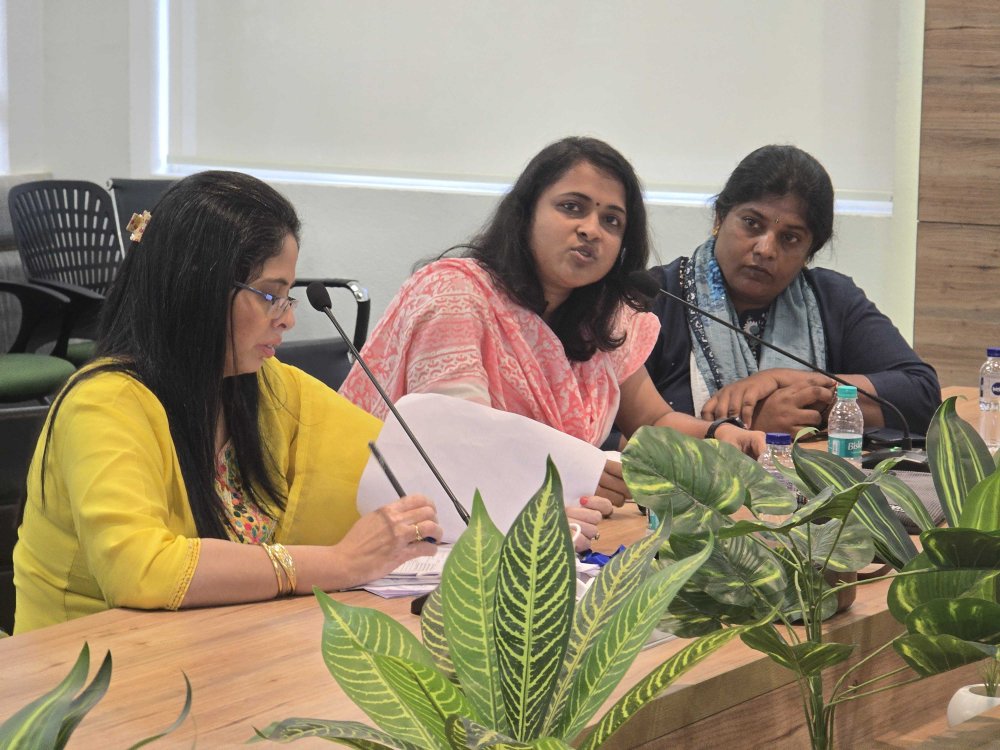
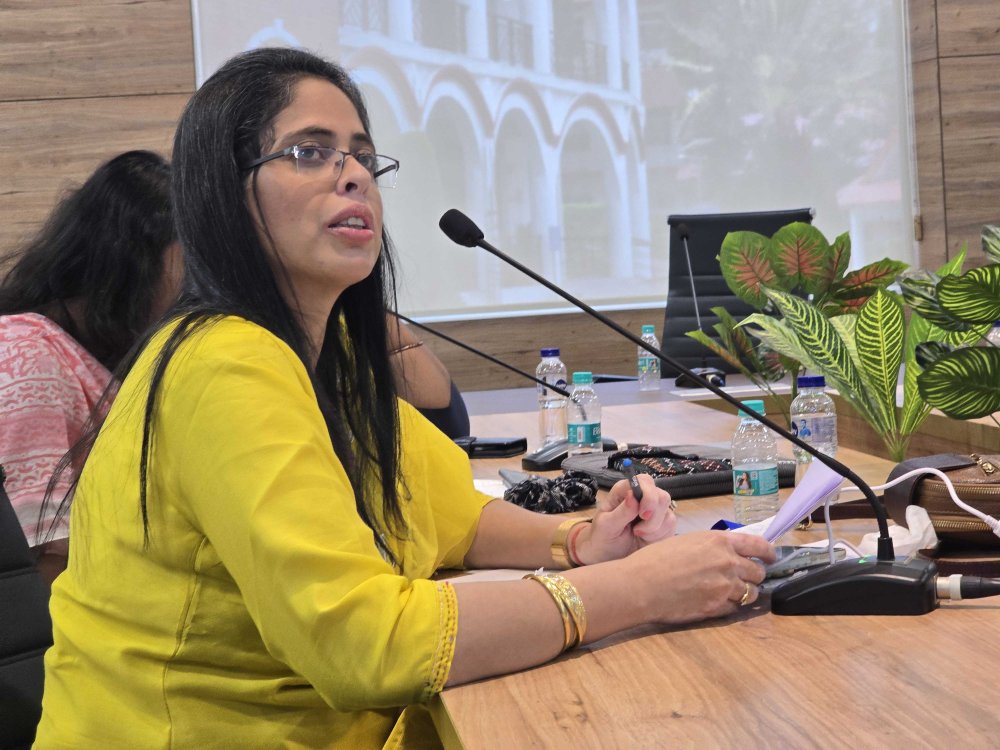
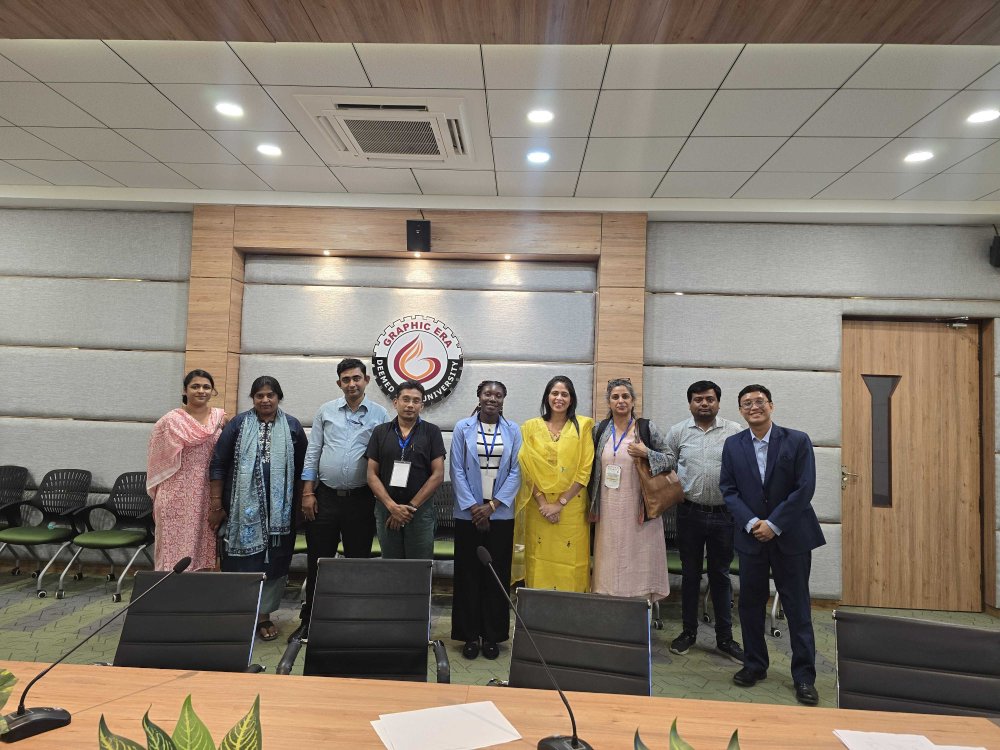
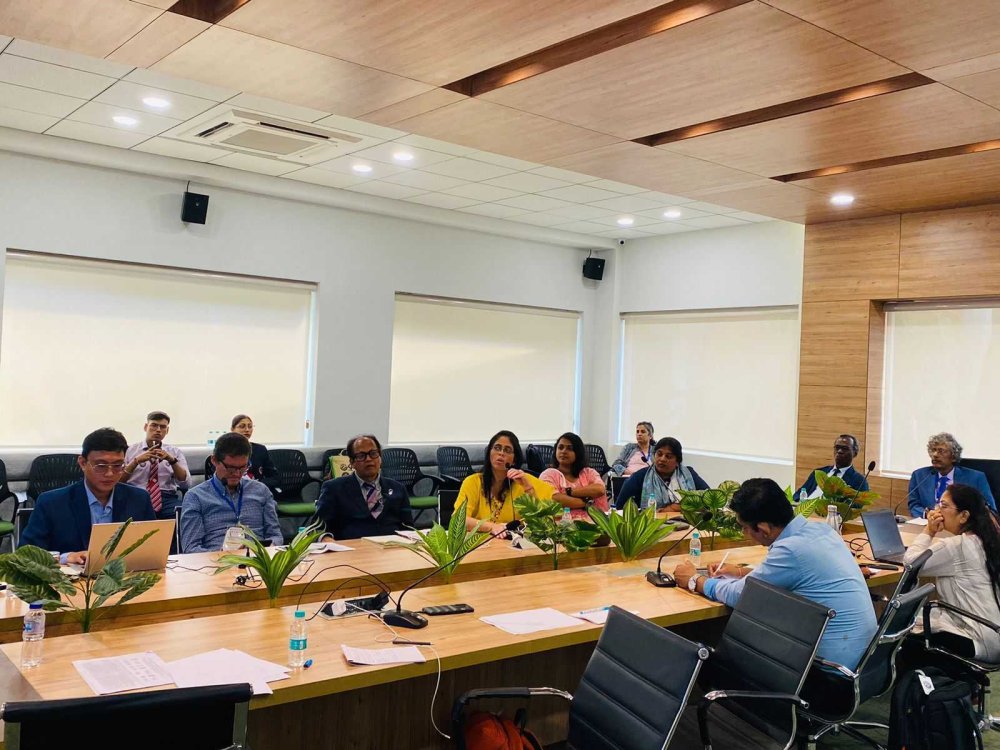
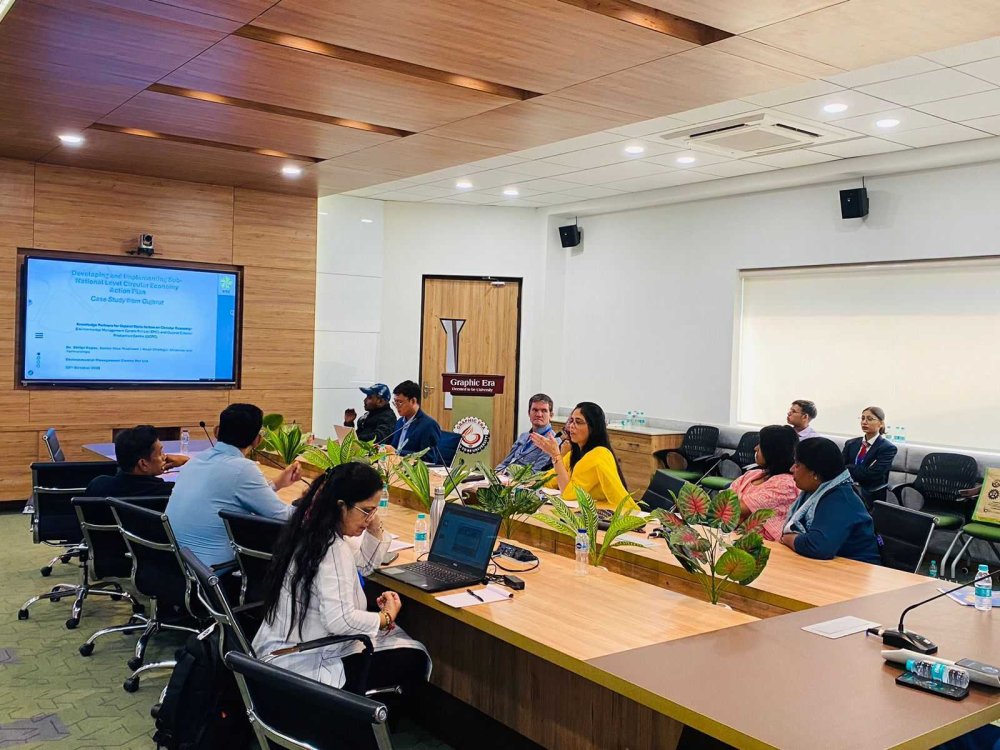
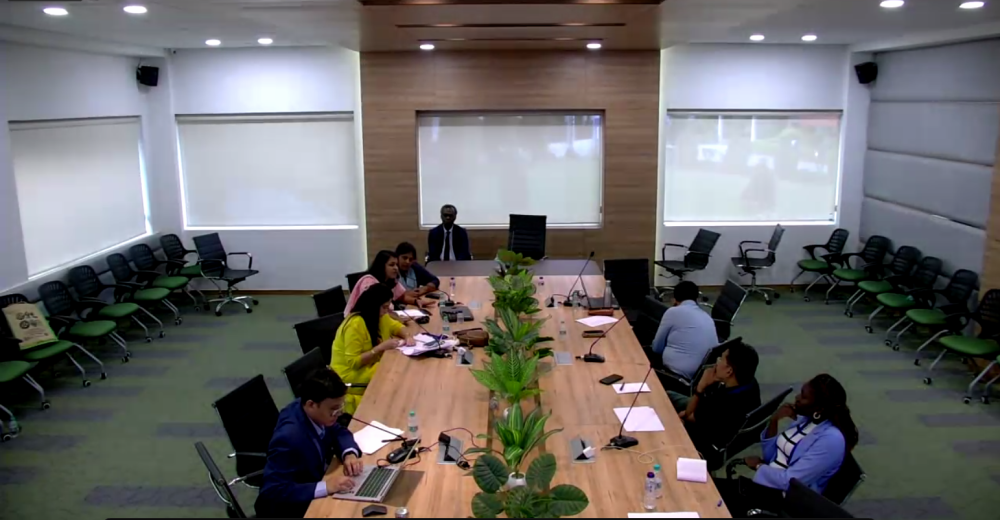
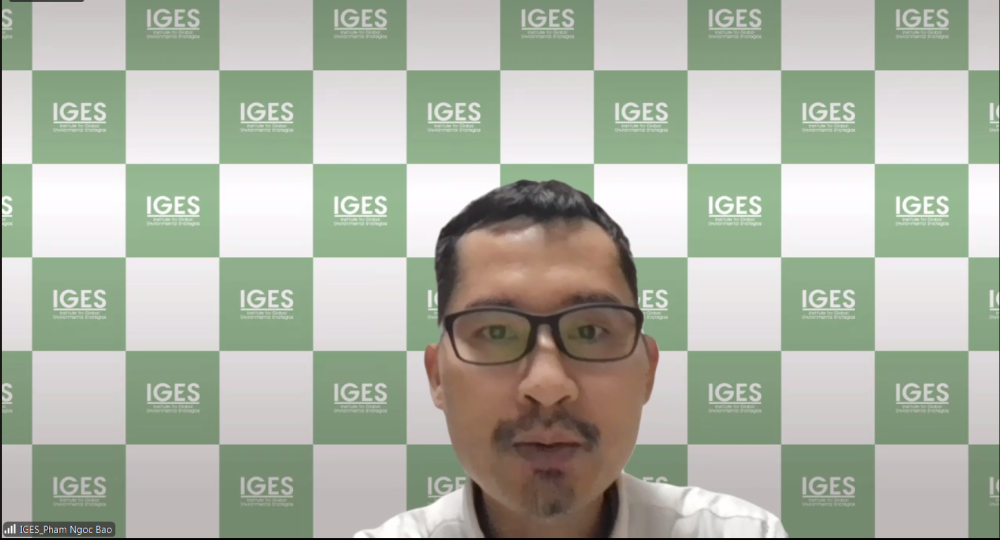
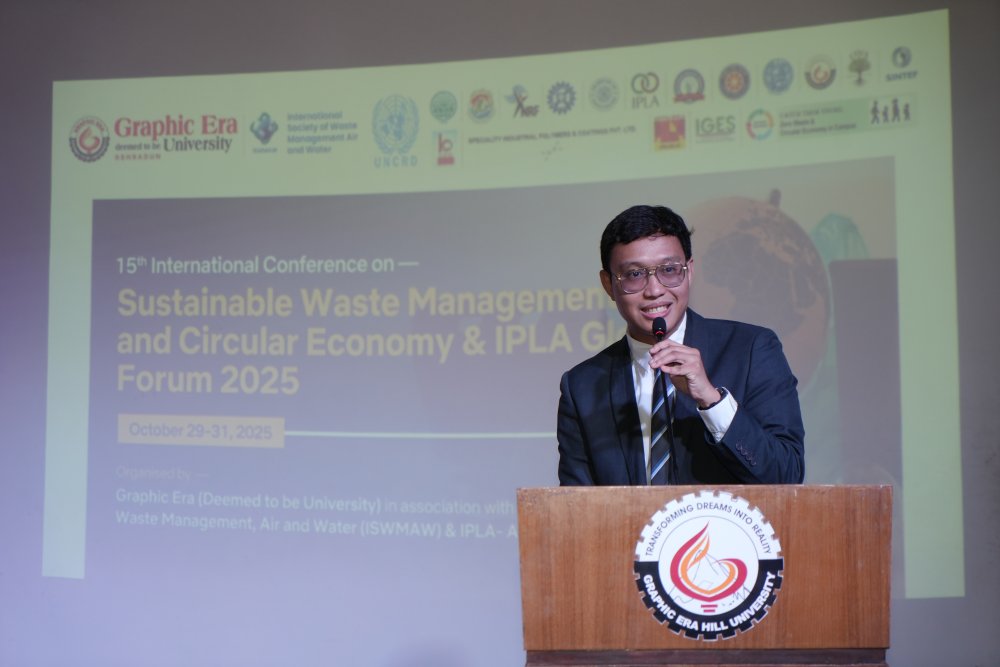
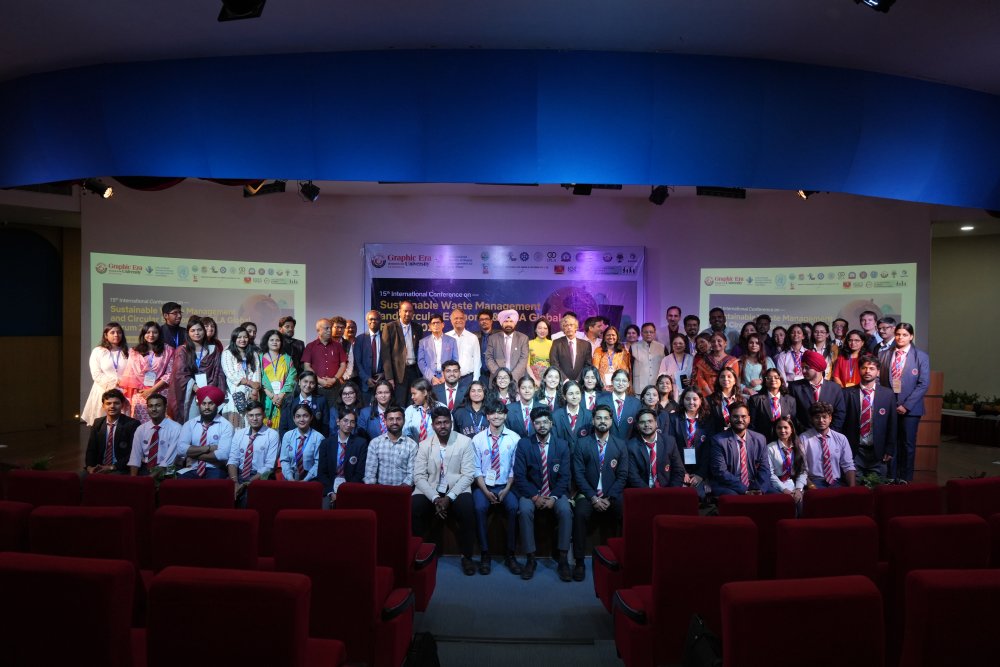
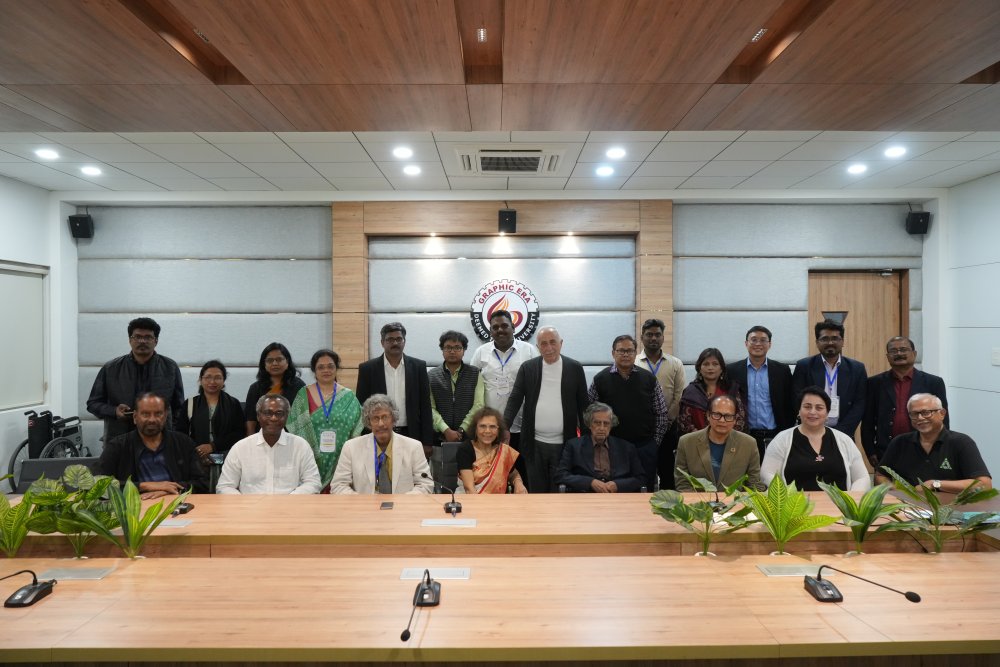
The special session on The Circular Economy in South Asia: Regional Progress and the Role of the Informal Waste Sector in a Just Transition was held on 30 October 2025 in Dehradun, India, during the 15th International Conference on Sustainable Waste Management - Circular Economy (IconSWM-CE) and the IPLA Global Forum 2025, hosted by Graphic Era (Deemed to be University). The event was co-organised by the Institute for Global Environmental Strategies (IGES) Centre Collaborating with UNEP on Environmental Technologies (CCET) in partnership with the International Society of Waste Management, Air and Water (ISWMAW) and the United Nations Environment Programme - International Environmental Technology Centre (UNEP-IETC). This session was part of IGES-CCET’s regional efforts to advance circular economy transitions in Asia and promote a just transition for the informal waste sector. It gathered policymakers, development practitioners, private sector representatives, academics, and civil society organisations from across South Asia to review regional progress, share lessons, and discuss inclusive models of circularity.

Background
South Asia’s economic expansion, coupled with its large population, has intensified pressures on natural resources, increased waste generation, and heightened environmental challenges. Traditional linear economic models — characterised by the pattern of “take, make, dispose” — are proving unsustainable, leading to resource depletion, plastic pollution, and growing carbon emissions.
In response, the concept of a Circular Economy (CE) is gaining significant traction across the region. The CE model aims to decouple economic growth from resource consumption by designing out waste and pollution, keeping materials in circulation for as long as possible, and regenerating natural systems. Regional initiatives — including the South Asia Roadmap for Sustainable Waste Management and the Jaipur Declaration on 3R and Circular Economy (2025–2035) — are increasingly guiding national and local efforts toward circularity.
However, progress across the region remains uneven. While countries such as India have advanced policy and regulatory frameworks, including Extended Producer Responsibility (EPR) schemes, others are at early stages of transition. Many community-led projects in Nepal, Bangladesh, and Sri Lanka demonstrate innovative approaches at the grassroots level. Collectively, these initiatives signal growing momentum for systemic change.
At the same time, the informal waste sector plays a pivotal role in the region’s material recovery and recycling processes. Millions of informal waste pickers and aggregators provide critical environmental services, diverting substantial quantities of waste from dumpsites and contributing directly to circular economy outcomes. Despite this contribution, they remain largely unrecognised and excluded from formal systems. A just and inclusive circular transition requires integrating this workforce into formal waste management structures, ensuring social protection, fair compensation, and safe working conditions. This special session was designed to create a focused platform for dialogue among policymakers, researchers, private sector actors, and representatives of the informal sector to explore the status of the Circular Economy in South Asia and pathways toward a socially inclusive transition.
Intent
The primary objective of this special session was to provide a comprehensive snapshot of the Circular Economy in South Asia — highlighting policy progress, challenges, and opportunities for inclusion of informal waste workers. Specifically, the session aimed to:
- Present regional and national progress on circular economy policies and practices in South Asia.
- Explore inclusive approaches for integrating the informal waste sector within circular systems.
- Highlight best practices and innovations from governments, private sector, and civil society.
- Foster dialogue among stakeholders to align circular economy goals with social justice and livelihood security.
- Identify potential areas for regional collaboration, policy harmonisation, and knowledge sharing.
Discussions focused on:
- Circular economy policy frameworks and implementation across South Asia
- Role of the informal sector and community-based initiatives.
- Financing, technology, and institutional enablers for scaling circular models
- Gender equality, youth engagement, and social inclusion in circular transition.
Summary
The discussion explored the intersection between social justice, circularity, and local economic development. Speakers agreed that informal waste workers should not be treated as passive beneficiaries but as active partners in circular systems. Examples from India, Pakistan, and the Cambodia illustrated successful models where informal workers were formalised through cooperatives, municipal partnerships, and inclusive policies. Panelists also discussed gender aspects, highlighting that a majority of informal waste workers in South Asia are women facing multiple vulnerabilities. Integrating gender-responsive approaches into circular economy frameworks was identified as key to achieving just and sustainable transitions.
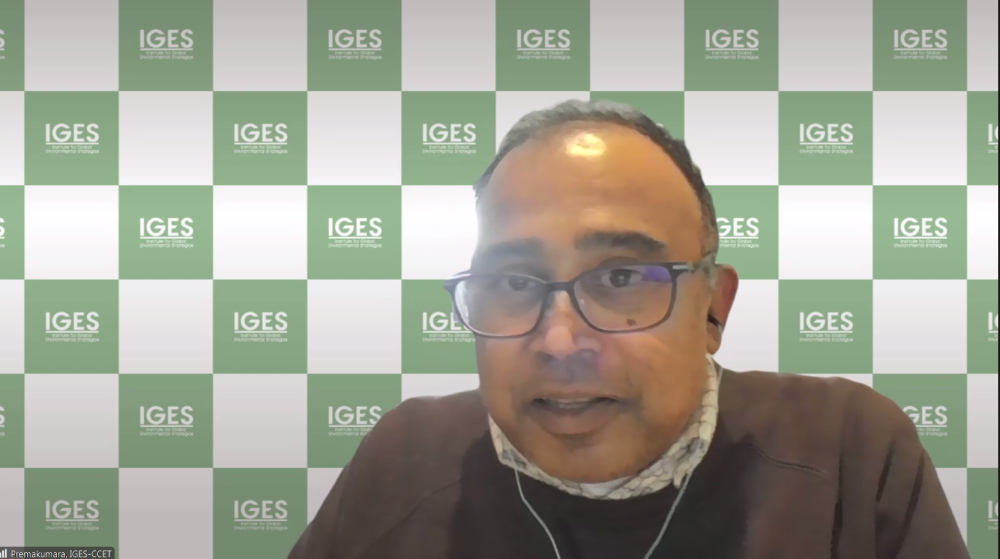
The session opened with welcome remarks from Dr. Premakumara Jagath Dickella Gamaralalage, Director of IGES-CCET, who emphasised the need for collective regional action to transition from linear to circular economies. He noted that the shift towards circularity must go hand-in-hand with social inclusion and livelihood protection.
Prof. Sadhan Kumar Ghosh, Founder and President of ISWMAW, facilitated the first part of the session underlining South Asia’s growing leadership in circular economy dialogues and the importance of collaboration across academia, government, and industry
Mr. Choudhury Rudra Charan Mohanty, United Nations Centre for Regional Development (UNCRD), shared insights on the Jaipur Declaration on 3R and Circular Economy, emphasising the need for integrated approaches linking 3R principles, climate action, and sustainable development.
Mr. Ezra Osorio (IGES) provided a regional overview of circular economy developments in South Asia. He observed that while countries have advanced policy frameworks, the translation into implementation remains limited by financing, infrastructure, and coordination gaps.
Dr. Shilpi Kapur Bakshi, Senior Vice President of Environmental Management Centre Pvt. Ltd., discussed India’s progress, highlighting EPR mechanisms, sectoral circularity pilots, and multi-stakeholder collaborations driving national momentum. She underscored that policy success depends on cross-sector partnerships and local ownership.
Mr. Gordon Jackson, representing Soneva Namoona (Maldives), shared experiences from community-based waste systems that have eliminated open burning through decentralised waste management and circular business models. His presentation highlighted how small island communities can achieve circularity through innovation, partnership, and behaviour change.
Participants discussed how regional frameworks can be localised, how informal and small-scale enterprises can participate in CE transitions, and how governments can incentivise circular practices.
The second half of the session, moderated by Dr. Shilpi Kapur Bakshi, focused on the critical role of informal workers in building an inclusive circular economy. Ms. Bharati Chaturvedi, Director of Chintan Environmental Research and Action Group (India), presented on Plastic Pollution and the Informal Waste Sector in South Asia. She highlighted how informal workers recover and recycle significant proportions of waste materials that would otherwise end up in landfills or be burned. She called for recognition, fair compensation, and inclusion of informal waste pickers in formal systems.
Mr. Lakshitha Paranagamage, IGES-CCET, shared insights from Building Inclusive Waste Systems: Lessons from Cambodia, emphasising the importance of cooperative models, gender inclusion, and capacity building to support informal sector integration.
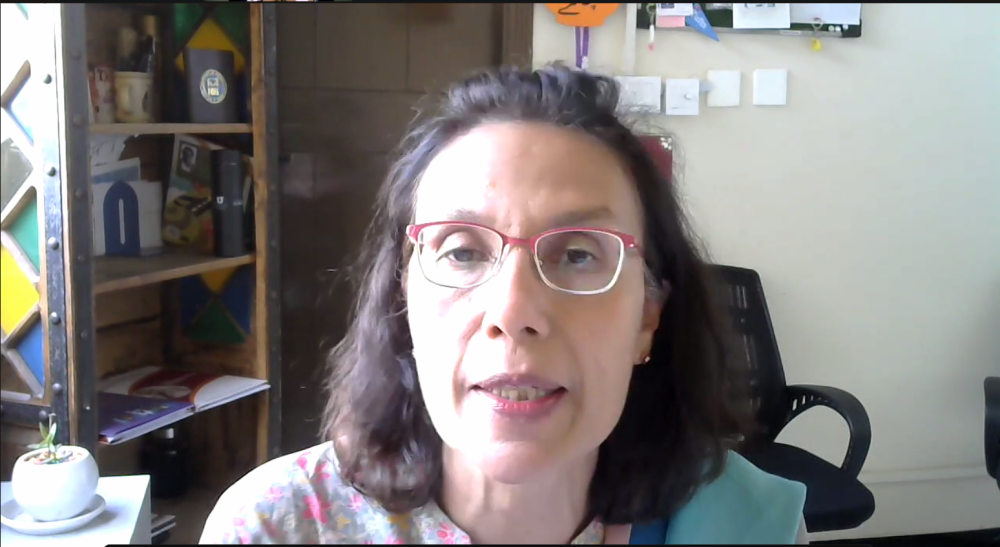
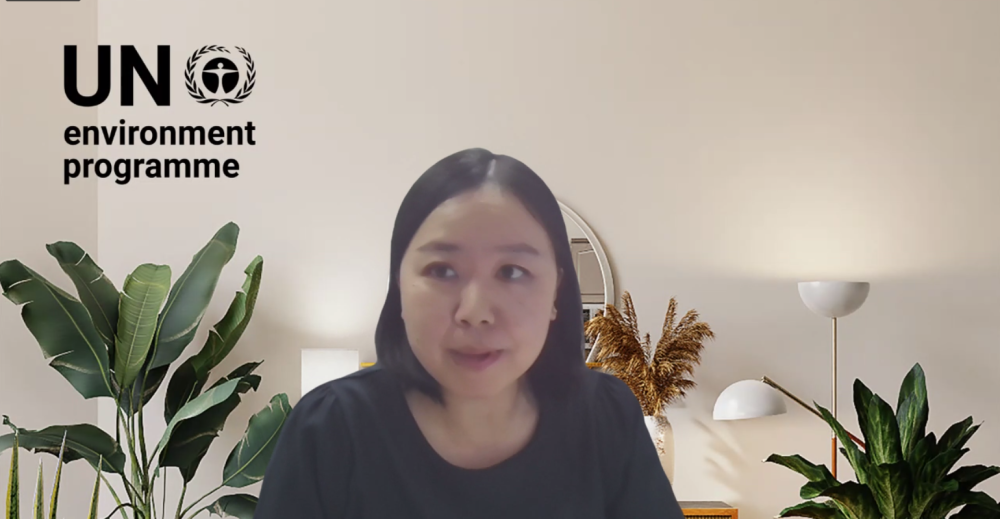
A panel discussion followed, featuring Dr. Ayesha Khan (Akhter Hameed Khan Foundation, Pakistan), Ms. Junko Fujioka (UNEP-IETC), Ms. Chinmayi MN (Hasiru Dala, India), and Ms. Indumathi, (Thyajya Shramika Sangha, India).
イベントの詳細
Graphic Era University, Dehradun, Uttarakhand, India / Online
IGES Sustainable Consumption and Production Area, The IGES Centre Collaborating with UNEP on Environmental Technologies (CCET)
2108-11 Kamiyamaguchi, Hayama, Kanagawa, 240-0115 Japan
Tel: 046-855-3860 Fax: 046-855-3809 E-mail: [email protected]
発表資料
Part 1: The Circular Economy in South Asia: A Review of Regional and National ProgressModerated by: Prof. Sadhan K. Ghosh, Founder and President, International Society of Waste Management, Air and Water (ISWMAW) |
|||
| Welcome Remarks Premakumara Jagath Dickella Gamaralalage, Director, IGES-CCET |
|||
| Jaipur Declaration on 3R & CE (2025-2035) - A Regional Policy Framework in Advancing Circular Economy in Asia-Pacific Choudhury Rudra Charan Mohanty, Environment Programme Coordinator, UNCRD-DSDG/UN DESA |
PDF (1.8MB) | ||
| The Circular Economy in South Asia: An Overview of Progress and Regional Trends Ezra Osorio, Policy Researcher, IGES |
PDF (1.7MB) | ||
| Developing and Implementing Sub-National Level Circular Economy Action Plan Shilpi Bakshi, Senior Vice President, Environmental Management Centre Pvt Ltd |
PDF (1.5MB) | ||
| Ending Open Burning: A Circular Economy Case Study from the Southern Maldives Gordon Jackson, Soneva Namoona Champion, Soneva Namoona |
PDF (6.0MB) | ||
| Interactive Panel Discussion and Way Forward to the Next Part of the Session | |||
Part 2: The Role of Informal Workers in a Just TransitionModerated by: Dr. Shilpi Bakshi, Senior Vice President, Environmental Management Centre Pvt Ltd |
|||
| Framing Presentation for the Informal Waste Sector Bharati Chaturvedi, Director, Chintan Environmental Research and Action Group |
PDF (1.4MB) | ||
| Presentation: Key Findings and Case Studies from Asia Lakshitha Paranagamage, Programme Coordinator, IGES |
PDF (1.3MB) | ||
| Panel Discussion: Pathways for Integration | |||
| Bharati Chaturvedi, Director, Chintan Environmental Research and Action Group | |||
| Ayesha Khan, CEO, Akhter Hameed Khan Foundation, Pakistan | |||
| Junko Fujioka, Program Assistant, International Environmental Technology Centre, Chemicals and Health Branch, Industry and Economy Division, UNEP-IETC | |||
| Chinmayi MN, Executive Director, Hasiru Dala | |||
| Indumathi, President, Thyajya Shramika Sangha | |||
| Audience Engagement: Roundtable Input & Q&A | |||
| Summary of Key Takeaways Closing of the Session |
|||
| Pham Ngoc Bao, Research Director, IGES | PDF (1.3MB) | ||