- English
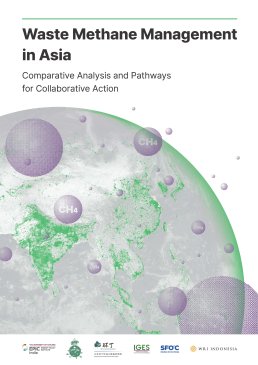


Methane is a potent, short-lived climate pollutant responsible for nearly 0.5°C of global temperature rise. Though it remains in the atmosphere for about 12 years, its climate impact is 86 times stronger than carbon dioxide over 20 years, making methane mitigation one of the most effective strategies for tackling climate change.
The waste sector contributes around 20% of annual global anthropogenic methane emissions, and under current practices in the waste sector, emissions are projected to rise to 2.3 Gt CO₂-e (2,300 Mt CO₂-e) per year by 2030. However, the sector also offers significant mitigation potential (10%), with up to 1.8 Gt CO₂-e (1,800 Mt CO₂-e) in annual reductions by 2050, achievable at net savings if targeted technical measures are implemented early. Reducing methane from waste delivers major health and economic benefits, including the prevention of about 1 million premature deaths each year and economic gains of USD 4,300 per tonne of methane.
Asia is experiencing a steady rise in methane emissions driven by rapid population growth, urbanization, and increasing consumption. In 2024, the Asian region generated an estimated 684.5 Mt CO₂-e of methane from the waste sector. According to a 2025 Report by the United Nations Economic and Social Commission for Asia and the Pacific (ESCAP), the East and North-East Asia subregion alone accounted for one-third of these emissions, reflecting its high waste generation, an urbanization rate of 81%, and expanding industrial activity. Among the five regions, Asia shows the largest projected increase in waste-sector methane emissions between 2020 and 2030.
Given this trajectory and the sector’s significant mitigation potential in the near term, understanding how Asian countries are addressing waste methane and where challenges persist is critical. This analysis reviews waste methane management across six Asian countries - Japan, South Korea, China, India, Malaysia, and Indonesia - to identify shared outcomes of the best practices, remaining challenges and gaps, and priority areas for potential coordinated regional action. These countries were selected because they account for a sizable share of Asia’s waste sector methane emissions while reflecting diverse policy approaches, technological development and waste sector challenges. It incorporates ground level insights from the Asia Waste Methane Convening 2025, drawing directly on the experiences and priorities raised by participants from across the region.
- English