Cultural landscapes as vectors for local sustainable development
Environmental Education Center Zapovedniks, Russia
Project period: February 2014 to December 2014
Project overview
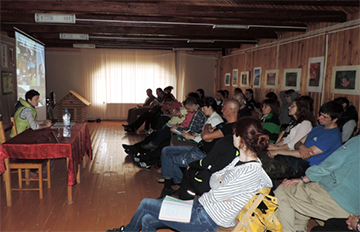
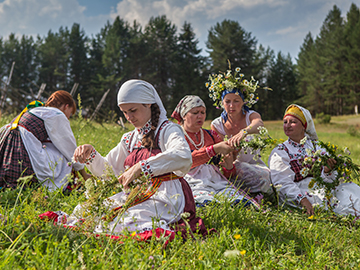
Many cultural landscapes of Russia are located in rural areas where living standards are low, unemployment rate is high, and economy is prioritised over the preservation of local cultures. Protected area managers and other key stakeholders do not have enough skills, knowledge or resources to effectively manage cultural and socio-ecological landscapes. The Environmental Education Center Zapovedniks therefore implemented this project to foster the capacity of and collaboration between protected area managers, local communities and local authorities, with a view to bring about a positive change towards long- term socio-economic development.
Highlights of project results
- The capacity of protected area managers, local communities and local authorities to work with cultural and socio-ecological landscapes was enhanced
- Innovative approaches to managing, protecting and interpreting cultural landscapes were introduced and disseminated
- Good practices in Kenozero National Park were documented and published in an educational brochure, a special issue of an environmental education newspaper “Protected Islands” as well as in official websites. These were disseminated through the network of all protected areas, museums and other relevant authorities in Russia, as well as to international audience at the World Parks Congress in Sydney.
Key lessons
- The project demonstrated the practical role of cultural landscapes in local socio- economic development, and suggested new approaches to protecting natural and cultural heritage, and to developing rural areas through the involvement of local communities in sustainable tourism and traditional land uses.
広報物
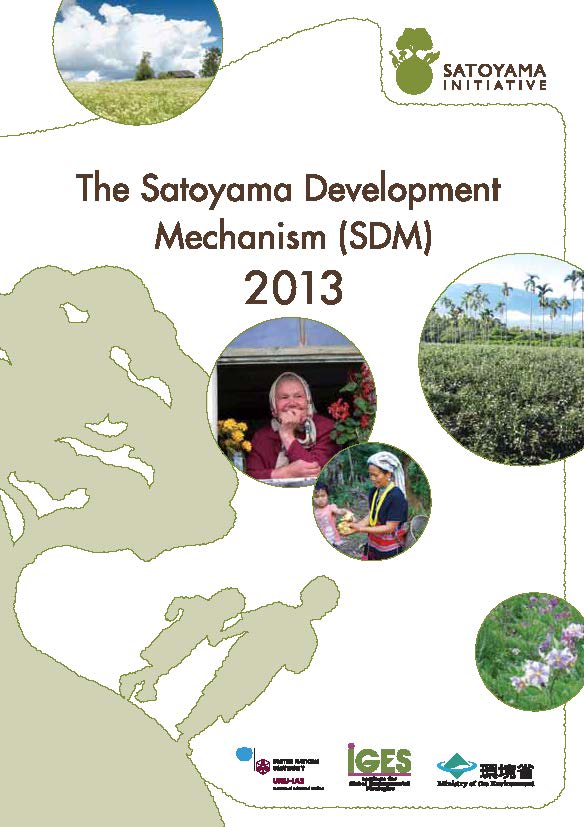
The booklet provides the results of the first year of the Satoyama Development Mechanism operations and a brief introduction of the six projects selected for the year 2013.
Related Aichi Biodiversity Targets


Project location map
Implementing organisation