Project for conserving Sundarbans SAYATOMA and developing its showcase through creating action plan and ensuring the sustainable use of Natural resources by promoting mangrove restoration traditional culture and skill of mangrove shrimp collection
Capacity building of local communities can effectively enhance theirunderstanding of conservation values in SEPLS, promote their livelihoods basedon sustainable use of natural resources, such as the collection and marketing ofshrimps in the Sundarbans, and ensure their participation in multi-stakeholderconservation initiatives (JEEF, Bangladesh).
Project overview
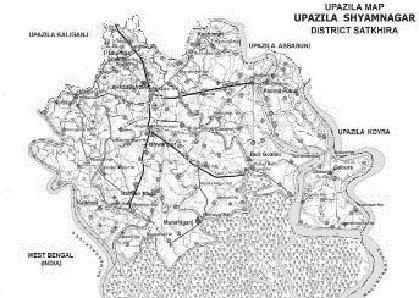
The Sundarbans constitute the single largest mangrove forest in the world and are a UNESCO World Natural Heritage and RAMSAR wetland site. They are home to many endangered species and support the livelihoods of approximately 3.2 million people. However, this SEPLS has faced threats from a lack of: a) multi-stakeholder planning for their conservation and management; b) environmental awareness of local communities; and c) good practices for harvesting and using natural resources. To address these shortcomings the project aimed to:
- (1) Organise a forum to create “Action Plan 2030” involving local communities, local government, GOs and NGOs representatives, to design future government policies, reduce gaps in coordination, implement government laws and ensure the rights of forest people and other stakeholders.
- (2) Conduct mangrove plantation activities and its management by local community participation.
- (3) Promote good practices for harvesting and using natural resources, such as khoti, one of the traditional shrimp drying techniques.
Highlights of project results
- The most important achievement of the project is the development of the Sundarbans Mangrove SATOYAMA Conservation Guideline, which will be available to nearly 3.2 million coastal people for options on how the Sundarbans can be conserved.
- A forum has been established that will meet annually to reduce the gap of coordination among the organisations (government, NGOs, universities and communities) working for the conservation of the Sundarbans’ ecosystems based on a Co-Management Strategic Action Plan.
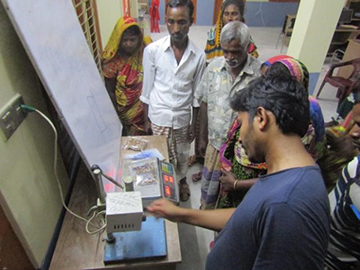
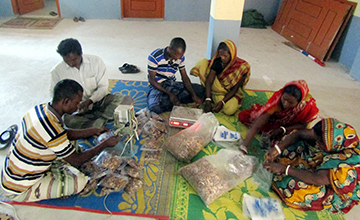
- The project also created a close relationship with the target 100 fishermen, who received education on the value and ways of biodiversity conservation in the Sundarbans. The fishermen and their families received training on the processing and packaging of traditionally dried shrimp and its marketing. As a result, the target community is now practicing sustainable natural resource harvesting, their income has increased and their livelihood is being improved.
- Moreover, 5,000 mangroves have been planted for enhancing the resilience of the coastal embankment.
Key lessons
- The project delivered effective strategies to increase the understanding of impoverished fishing communities about conservation values and sustainable shrimp collection methods while it ensured their participation in multi-stakeholder conservation initiatives of Sundarbans’ mangrove ecosystems.
- At the same time, the project successfully introduced an innovative model that promoted the marketing of traditionally processed dried shrimp by the fishermen’s families through capacity building on packing technology.
Related Sustainable Development Goals


Related Aichi Biodiversity Targets


Project location map
Implementing organisation