In August 2019, the IPCC [1] Special Report on Climate Change and Land [2] (SRCCL), which synthesises the latest available scientific knowledge on the relationship between climate change and land use, was released. When we think about land use, the concept sounds somewhat distant from our day-to-day lives; however, various resources, including food...
297件中 31~40件 (日付順)
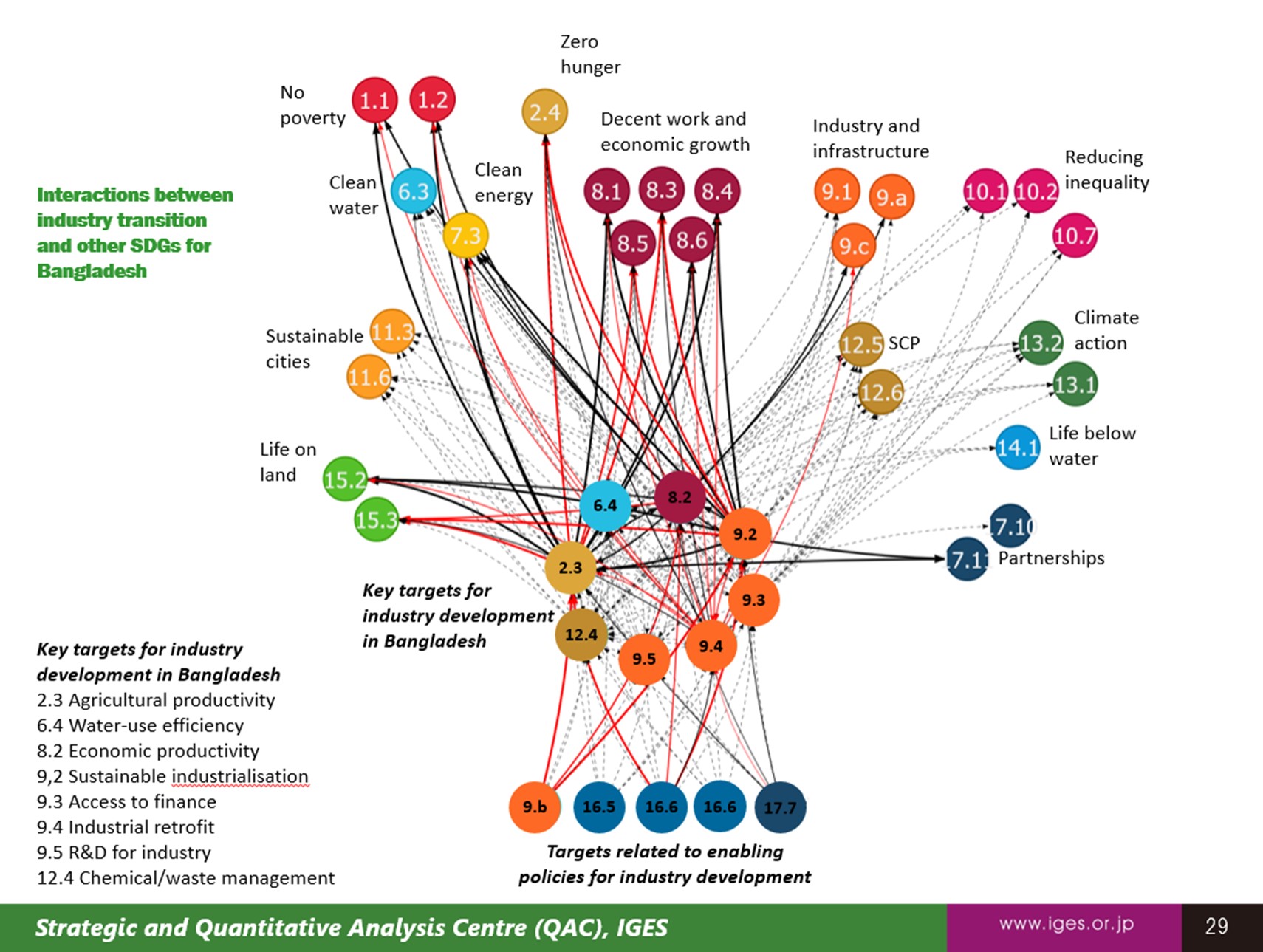
This presentation provides insights on how to leverage the potential of the industry sector in achieving the Sustainable Development Goals (SDGs) in Bangladesh. Taking an SDG interlinkages perspective, the presentation demonstrates the crucial role of the industry sector in the SDGs, identifies some of the critical challenges (such as in the labour...
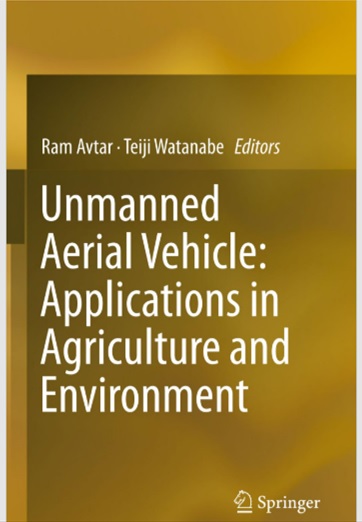
The scope of unmanned aerial vehicles (UAVs), also known as “drone technology,” is increasing, with various applications in the field of remote sensing and environment. UAVs not only provide high-resolution, real-time data but also have different applications for end users. They have become an essential tool for land surveyors because traditional...
Anthropogenic Tropical Forests所収
Rapid development in Bintulu has resulted in large-scale changes in land use, especially the conversion of forests into oil palm plantations and industrial tree plantations. Using high-resolution satellite imagery, we analysed land-cover types in the Kemena–Tubau–Lower Jelalong region of Sebauh subdistrict and classified them into nine major land...
Anthropogenic Tropical Forests: Human–Nature Interfaces on the Plantation Frontier所収
This chapter discusses the historical formation and current features of society in the Kemena and Tatau river basins in Bintulu, central Sarawak, where various ethnic groups live close together in a small area as a result of the historical migration of each group. We refer to previous studies and to interviews we conducted, mainly in 2011...
Anthropogenic Tropical Forests: Human–Nature Interfaces on the Plantation Frontier所収
While Borneo is a global biodiversity hotspot, its species-rich natural rainforests have been degraded and deforested in the past few decades by unsustainable shifting agriculture, commercial logging and the rapid development of industrial tree and oil palm plantations. Populations of some wildlife species have decreased drastically due to...
Anthropogenic Tropical Forests: Human–Nature Interfaces on the Plantation Frontier所収
The island of Borneo is regarded as one of the most biologically rich regions in the world, containing some of the oldest remaining tropical rainforests. However, it also suffers high levels of deforestation and degradation to meet the demands for timber extraction and agricultural activities. In Sarawak, areas designated as permanent forests...
Anthropogenic Tropical Forests: Human–Nature Interfaces on the Plantation Frontier所収
With rapid deforestation and forest degradation ongoing in tropical regions, the maintenance of biodiversity and high biomass/carbon stocks can bring additional benefits to the sustainable management of natural forests along with sustainable timber production. However, the measures for improving the maintenance of biodiversity and high biomass are...
Anthropogenic Tropical Forests: Human–Nature Interfaces on the Plantation Frontier所収
The drastic transformation in land use from natural forest to acacia and oil palm plantations in tropical regions is an issue of some controversy. The influence of land-use change on nutrient cycling is not fully understood. In this case, stream water chemistry is one of the most useful indexes of the nutrient status of an ecosystem. We...
Anthropogenic Tropical Forests: Human–Nature Interfaces on the Plantation Frontier所収
It is important to understand carbon (C) dynamics in terrestrial and coastal ecosystems in order to develop a strategy to control carbon dioxide effluxes. However, the factors determining concentrations of riverine carbon are still largely unknown, especially in Southeast Asia. We investigated the spatial distribution of dissolved and particulate...