- English
Chapter: Chapter 4


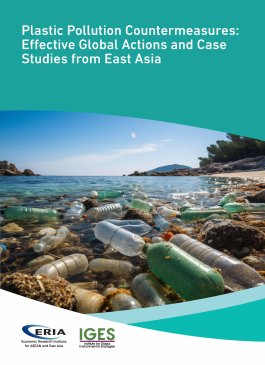
Plastics, known for their versatility, durability, and affordability, are ubiquitous in everyday life. Their consumption, particularly of single-use items like packaging – the largest application of plastic resins (UNIDO, 2023) – surged during the coronavirus disease (COVID-19) pandemic and even post-pandemic, driven by increased reliance on packaging for hygiene, the expansion of e-commerce (Patrício Silva et al., 2021; Leal Filho et al., 2021), and the exponential growth in overall production and consumption (OECD, 2024). However, this growing reliance on plastics comes at a substantial environmental cost, driving a global crisis, as plastics constitute the largest, most harmful, and significant fraction of marine litter, accounting for at least 85% of total marine waste (UNEP, 2021; 2023c). Annually, an estimated 19–23 million tonnes (Mt) of plastic waste leaks into aquatic ecosystems such as lakes, rivers, and seas (UNEP, 2021; OECD, 2022).
- English
Chapter: Chapter 4