Results 1 - 10 of 13 (Sorted by date)
Peer-reviewed Article
In Land Degradation and Development
Author:
Mrittika
Basu
Shalini
Dhyani
Shizuka
Hashimoto
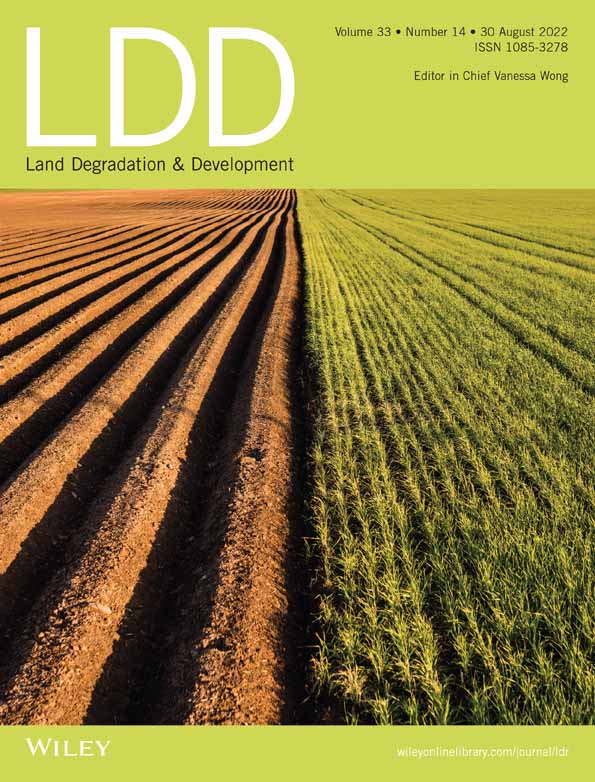
Place attachment and ecocentric attitude are the important determinants of conservation behaviour, especially for traditionally managed landscapes. In this paper, we explore the relationship between place attachment and the ecocentric attitude of farmers engaged in Jhum cultivation ( aka shifting /slash and burn cultivation) in the Zunheboto...
Policy Report
Author:
Akira
Doi
Yoshiko
Shoji
Haruko
Uchida
Asako
Osaki
Mariko
Saito
Emi
Sugawara
Shinya
Fujino
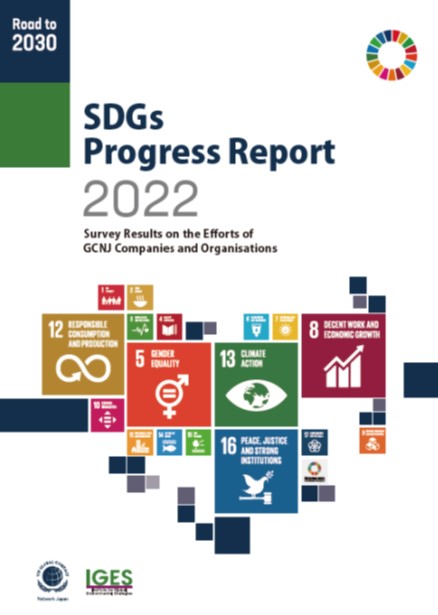
Based on the results of a survey conducted in October-November 2021, this report provides an analysis of the level of awareness and penetration of the SDGs among GCNJ member companies and organisations, as well as progress on five of the global goals: SDG 5, (Gender Equality), SDG 8 (Decent Work and Human Rights), SDG 13 (Climate Change), and SDG16...
Keywords:
Conference Proceeding
Author:
Sacha
Amaruzaman
Verónica
Rojo
Bibiana
Vilá
Himangana
Gupta
On Thursday 2 December 2021, United Nations University Institute for the Advanced Study of Sustainability (UNU-IAS) and Institute for Global Environmental Strategies (IGES) convened a session entitled “Landscape Approaches for Biodiversity, Climate Change and Sustainable Development Co-benefits” at the 13th International Forum for Sustainable Asia...
Book Chapter
In Implementing the Satoyama Initiative for the benefit of biodiversity and human well-being
Author:
Raffaela
Kozar
Primary production, including agriculture, aquaculture, forestry and fisheries is the strongest driver of biodiversity loss globally. It can, however, contribute to biodiversity conservation if wisely managed such as in ‘Satoyama’ and ‘Satoumi’, or socio-ecological production landscapes and seascapes (SEPLS), where production activities support...
Conference Proceeding
Author:
Dang
Kien
Leni
Camacho
Maiko
Nishi
William
Dunbar
Makiko
Yanagiya
On Thursday 12 November 2020, United Nations University Institute for the Advanced Study of Sustainability (UNU-IAS) and Institute for Global Environmental Strategies (IGES) convened a session entitled “The Satoyama Initiative, transformative change, and societies in harmony with nature” at the 12th International Forum for Sustainable Asia and the...
Presentation
High Level Political Forum on Sustainable Development 2020 Side Event "Satoyama Initiative – Societies in Harmony with Nature: An inclusive approach for communities, landscapes and seascapes"
This presentation is about the critical role of socio-ecological production landscapes and seascapes (SEPLS) for the achievement of Sustainable Development Goals (SDGs) and the Post-2020 Global Biodiversity Framework. It overviews the Satoyama Initiative, including the Satoyama Development Mechanism, and discusses resilience in the face of COVID-19...
Commentary (Op. Ed)
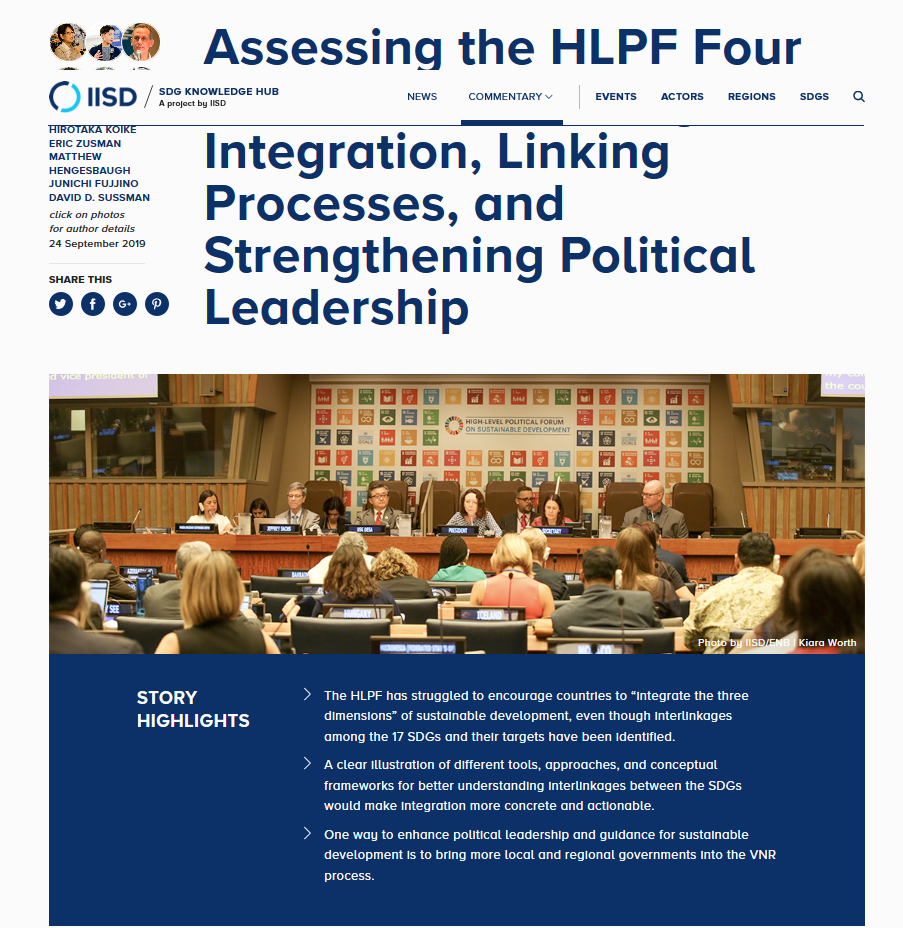
Story Highlights; The HLPF has struggled to encourage countries to “integrate the three dimensions” of sustainable development, even though interlinkages among the 17 SDGs and their targets have been identified. A clear illustration of different tools, approaches, and conceptual frameworks for better understanding interlinkages between the SDGs...
Commissioned Report
Author:
Ministry of the Environment Japan
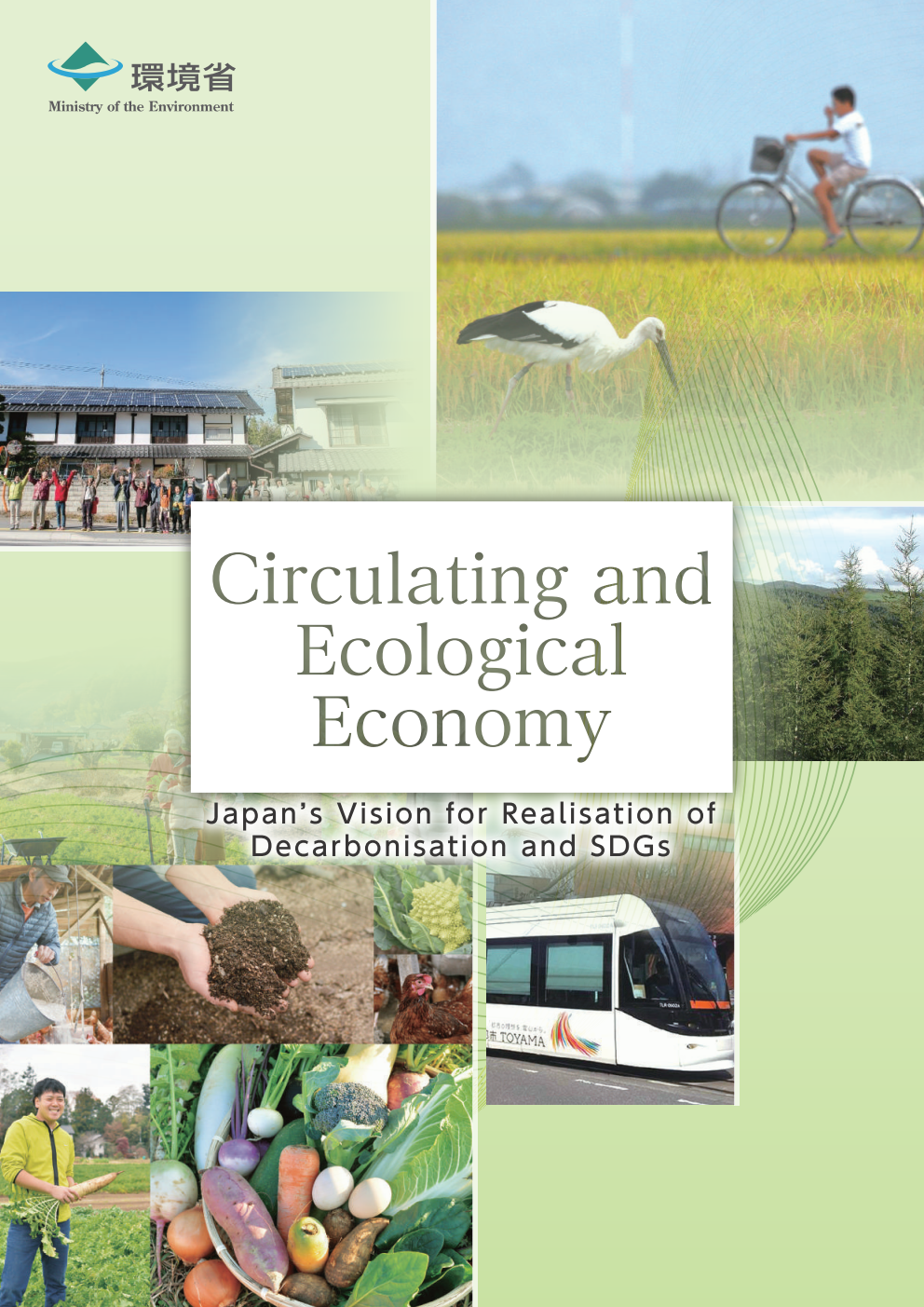
The Japanese government has proposed a vision called "Circulating and Ecological Economy" in the Fifth Basic Environment Plan approved by the Cabinet in April 2018. The Circulating and Ecological Economy is an idea that aims to develop self-reliant and decentralized societies by leveraging regional resources, including natural environments and...
PR, Newsletter or Other
IGES recognises the importance of science, technology and innovation (STI) to achieve the SDGs, and tries to incorporate STI into our research and engagement with target stakeholders. This brochure shows examples of STI-related research activities by IGES which take a needs-based approach.
Discussion Paper
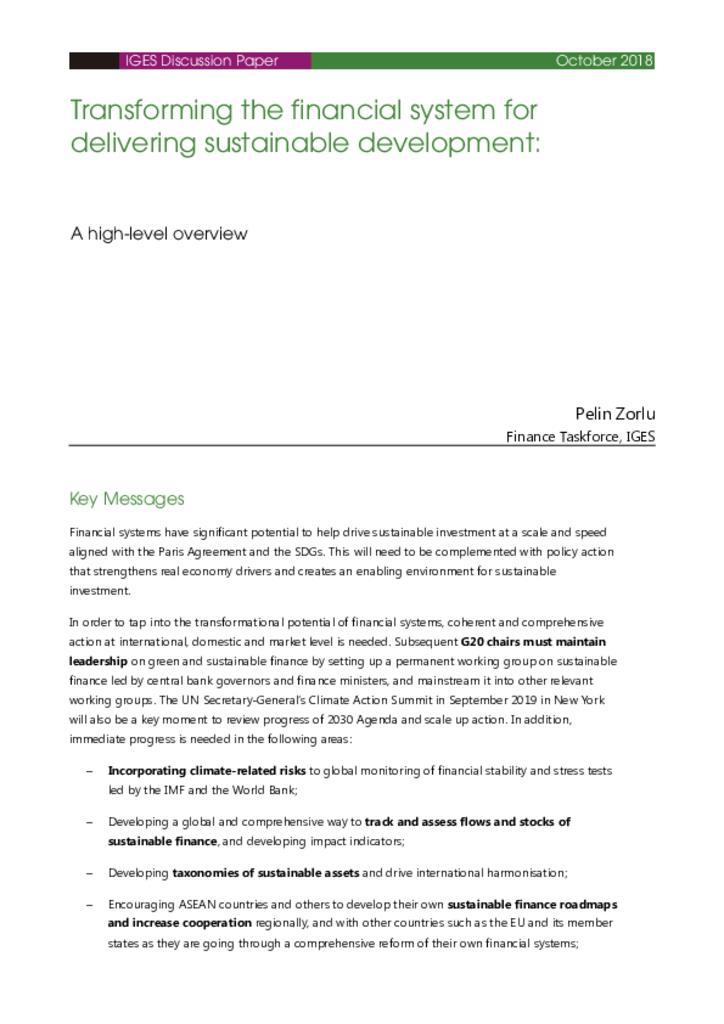
This discussion paper aims to provide a high-level overview of the challenges and opportunities in delivering the 2030 Agenda and Paris Agreement commitments, and sets out the essential role financial systems could play. It makes high-level recommendations in order to mainstream sustainable finance into national and international financial systems...