

Results 31 to 40 of 91 (Sorted by date)
Presentation
7th International Symposium on Environmental Sociology in East Asia (ISESEA)
The Communique of the G7 Summit in 2018 reaffirmed their strong commitment to implement the Paris Agreement through reducing emissions while strengthening resilience and reducing vulnerability as well as ensuring a just transition. Discussions of climate and energy justice, the key basis of the aforementioned consideration, focus on who produced no...
Conference Paper
7th International Symposium on Environmental Sociology in East Asia (ISESEA)
Local-level actions toward sustainable societies have gained momentum following recent global agreements on sustainable development. These include, but not limited to the reconfiguration of production, consumption, resource management, etc. by the residents' groups and civil society organisations. It is important to note that local initiatives do...
Report Chapter
In Global Environment Outlook 6 For Industry in Asia-Pacific
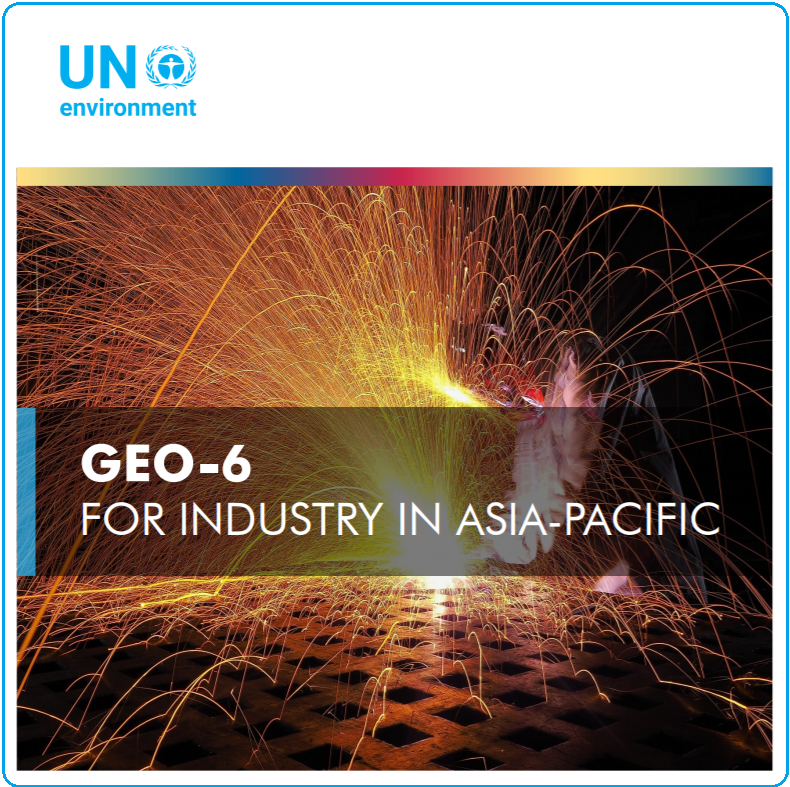
Asia and the Pacific’s unrelenting industrial development has been a driving force in the economic growth of scores of countries in the region and beyond. This shift has led to greater prosperity, increased urbanization and sustained population growth. Yet as the region has become the “world’s factory”, it is increasingly realizing not only the...
Presentation
Second Regional Seminar for the Asia-Pacific Region Parliaments on Achieving the SDGs
Inter-Parliamentary Union (IPU) hosted its second regional seminar to provide parliaments the opportunity to discuss their crucial role in achieving the SDGs and invited IGES as the speaker for the session on climate change. The presentation put particular emphasis on how parliaments and parliamentarians could increase awareness on climate change...
Policy Report
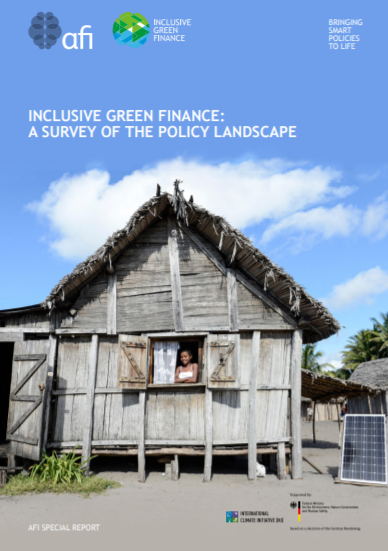
Climate change deepens poverty; whereas, researches have shown financial inclusion is one of the best ways to build resilience to the climate change effects. Inclusive green finance is an evolving policy area in which member institutions of the Alliance for Financial Inclusion (AFI) are beginning to implement policies, regulations and national...
Training or Learning Material
Clean Air Asia (CAA) organised a training on the Guidance Framework for Better Air Quality in Mongolia to enable local-level air quality managers to implement strategies and programmes towards air quality improvement and climate change mitigation. To conduct the training, CAA invited IGES to deliver the co-benefits training for the representatives...
Commissioned Report
This report is for FY2018 contract work with the Ministry of Environment, Japan as the Secretariat of the Asian Co-benefits Partnership (ACP) for the international partnership for promotion of co-benefits approach.
Presentation
East Asian Sociological Association Congress
New social movements are constantly emerging that aim to implement sustainable solutions: the Return to Rural movement is a typical case that operates on the underlying premise that the current development centred consumer society should recognize the urgent need for radical shift due to the scale of catastrophic environmental degradation and socio...
Commissioned Report
This report is about the project with a purpose to promote cooperation on Co-benefits-type air pollution measures mainly in Asia. IGES provided advice to MOEJ on the activities of international organisations; supporting international SLCP mitigation activities such as the Climate and Clean Air Coalition to Reduce Short Lived Climate Pollutants...
Policy Report
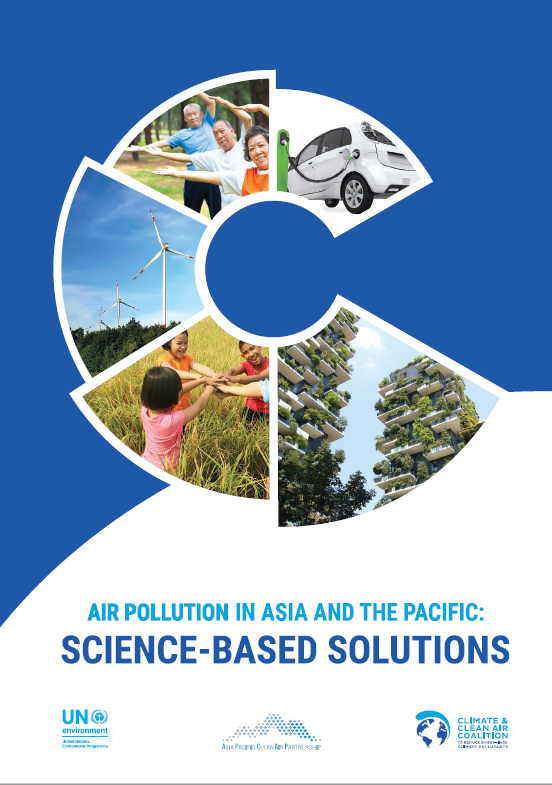
UNEP published the Air Pollution in Asia and the Pacific: Science-based Solutions, the first-ever comprehensive scientific assessment of air pollution outlook in the region. It outlines 25 clean air measures that could achieve safe air quality levels for 1 billion people by 2030 - with numerous benefits for public health, economic development and...
Results 1 to 1 of 1 (Sorted by date)
Project
Updated: July 2023
Sustainability Science journal
Sustainability Science probes interactions between global, social, and human systems, the complex mechanisms that lead to degradation of these systems, and concomitant risks to human well-being. The journal provides a platform for building...