

Results 1661 - 1670 of 5565 (Sorted by date)
Peer-reviewed Article
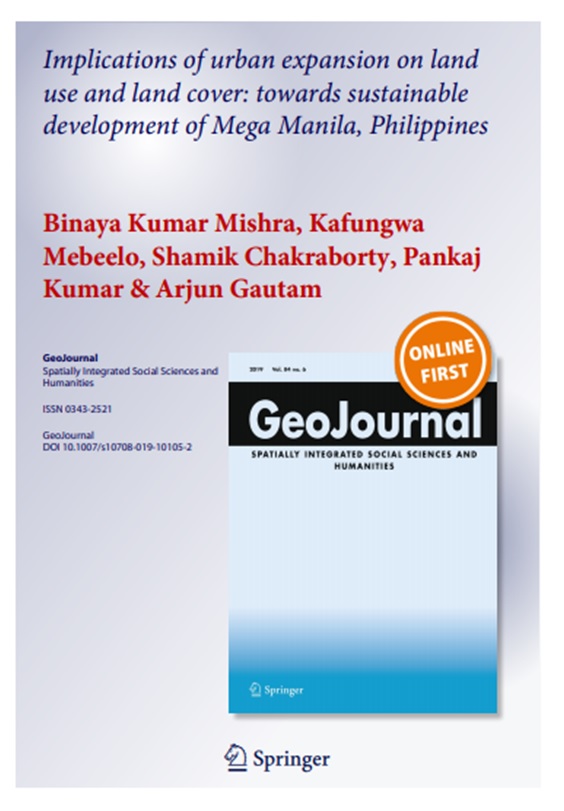
In GeoJournal
Planning of land use and infrastructure in advance for a population that is projected to grow rapidly is highly important for its sustainable development. A correlative approach of land use shifts and infrastructure design is perhaps the best sustainable urban development option that can be made at present. This paper is aimed at suggesting policy...
Presentation
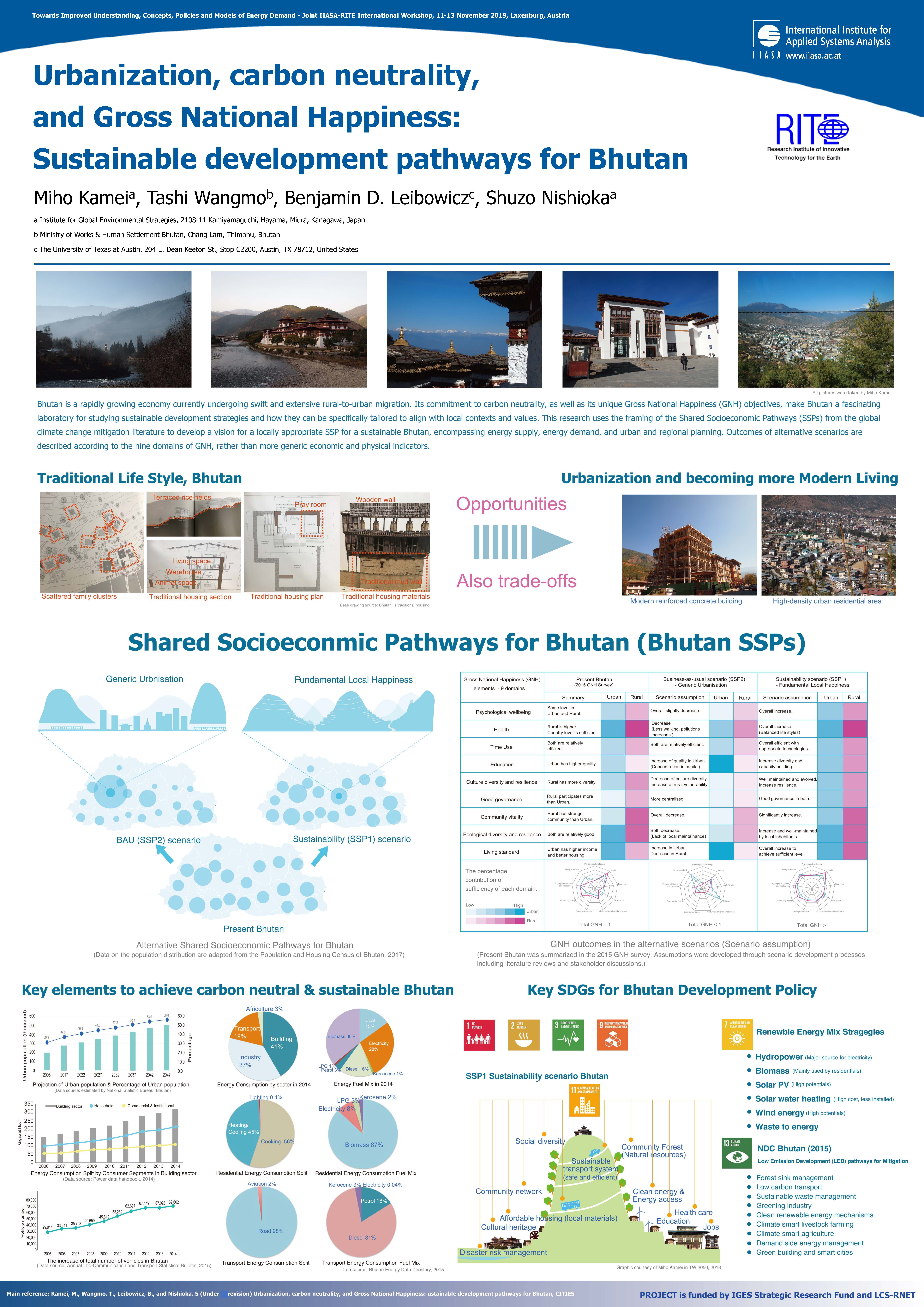
The research was presented at the Joint IIASA - RITE International Workshop,Towards Improved Understanding, Concepts, Policies and Models of Energy Demand - held in November 2019, Laxenburg, Austria.
Presentation

Towards Better Governance of Marine Plastic Pollution and Circular Economy in East and Southeat Asia
Sea of Solutions 2019
To be successful, solutions to marine plastic pollution must take into consideration institutional, legal and regulatory frameworks at international, regional and local levels. Consideration of these frameworks is not relevant to governments only. To be fully effective, they must be embraced and leveraged also by development actors, private...
Peer-reviewed Article
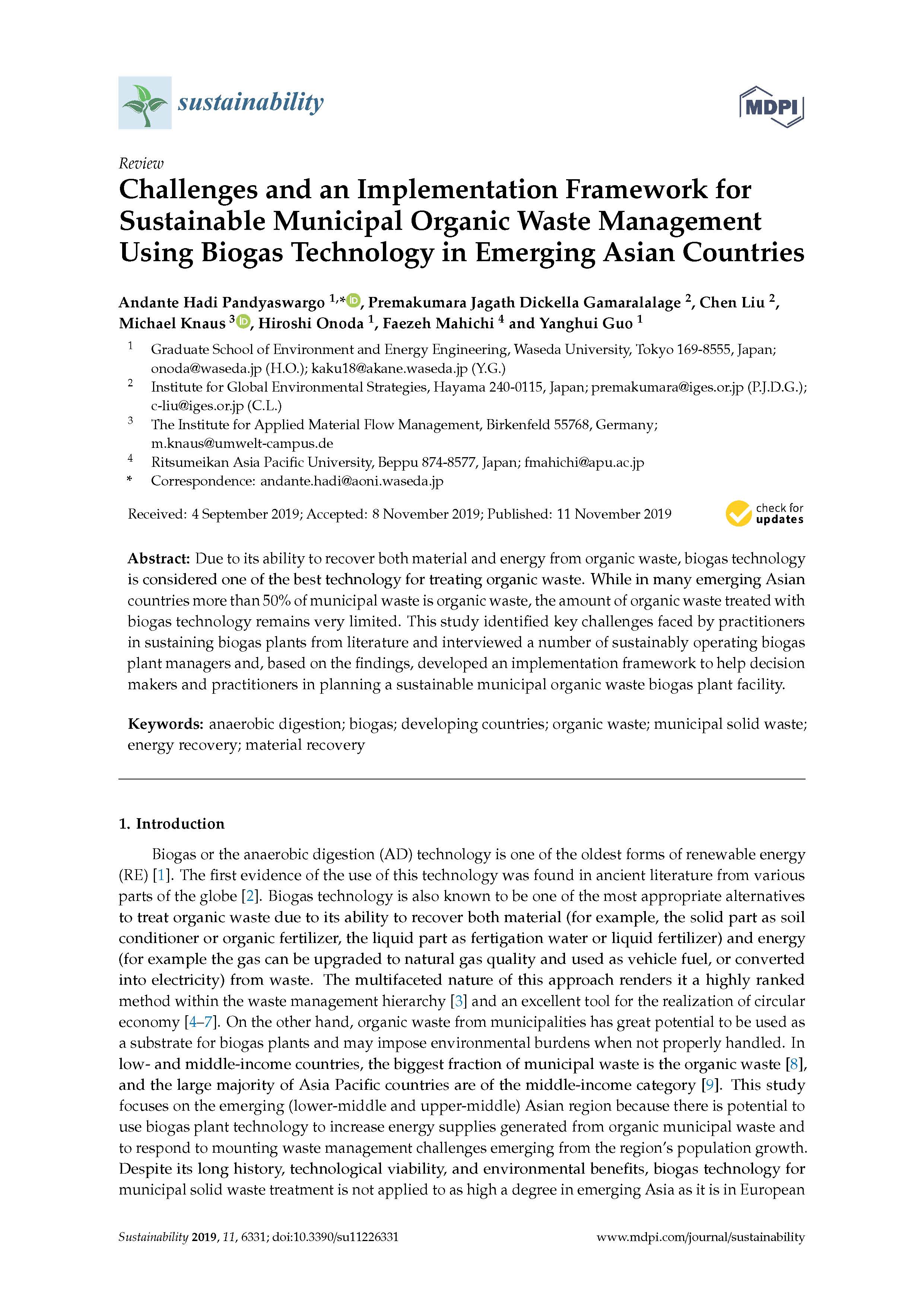
In sustainability
Due to its ability to recover both material and energy from organic waste, biogas technology is considered one of the best technology for treating organic waste. While in many emerging Asian countries more than 50% of municipal waste is organic waste, the amount of organic waste treated with biogas technology remains very limited. This study...
Discussion Paper
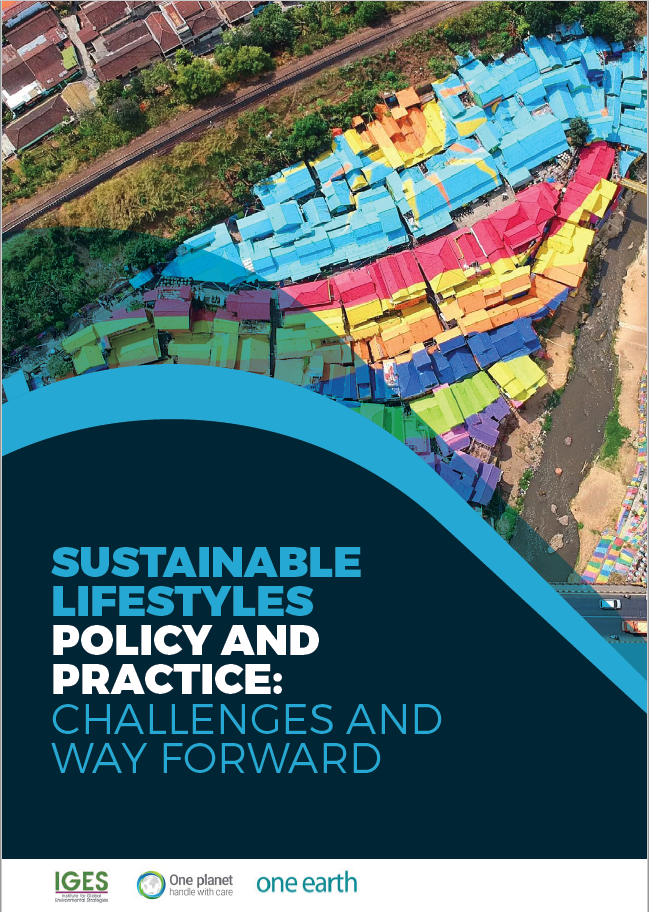
Sustainable Lifestyles Policy and Practice: Challenges and Way Forward provides an overview of the current (2019) situation for sustainable lifestyles globally. It includes 32 case studies from around the world, showing on-going efforts to support the transition to sustainable ways of living. The key messages of the publication are: There are...
Peer-reviewed Article
In Energy Strategy Reviews
This paper explores Japan's energy and emissions-related choices up to 2050 using the Japan 2050 Low Carbon Navigator (Low Carbon Navigator), an energy and emissions scenario simulation tool based on the 2050 Pathways Calculator model. Using illustrative examples and scenarios, the paper demonstrates some unique features of the Low Carbon Navigator...
PR, Newsletter or Other
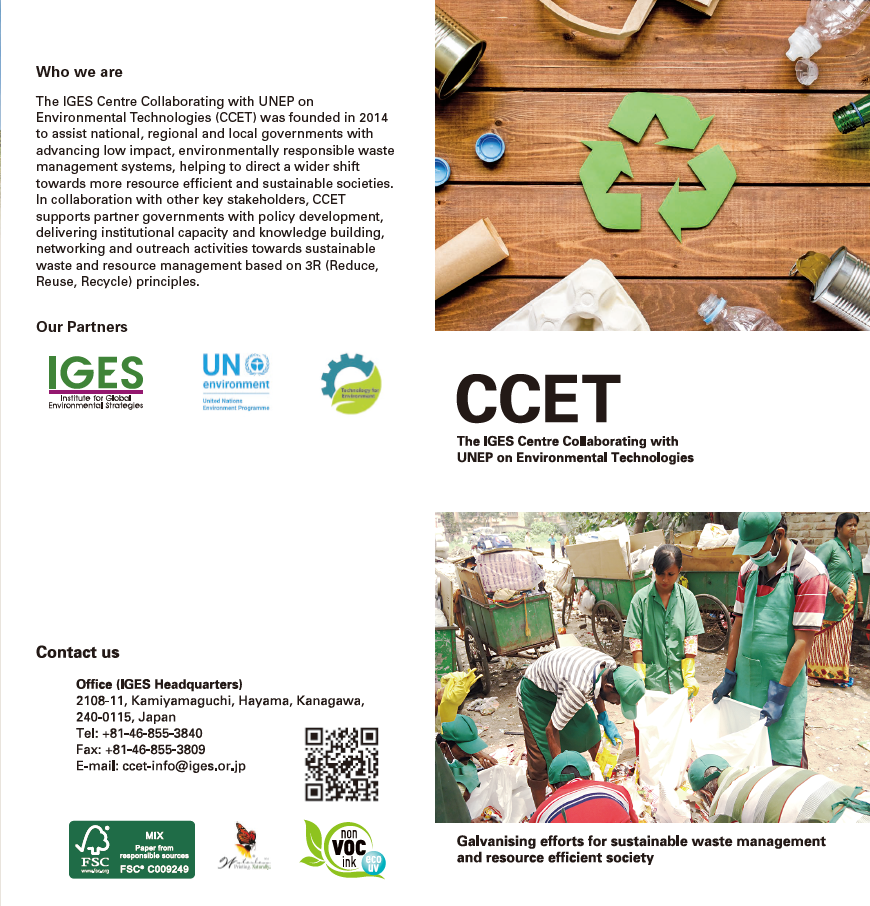
The IGES Centre Collaborating with UNEP on Environmental Technologies (CCET) was founded in 2014 to assist national, regional and local governments with advancing low impact, environmentally responsible waste management systems, helping to direct a wider shift towards more resource efficient and sustainable societies. In collaboration with other...
Non Peer-reviewed Article
Book Chapter
In Sustainable Waste Management Challenges in Developing Countries
Myanmar, the largest country in mainland Southeast Asia, has been facing considerable challenges with the management of solid waste in the recent past because of increasing income and consumption patterns, urban growth, and lack of effective waste management policies, treatment, and disposal methods. Waste management is also a crosscutting issue...
Commissioned Report
SME sector in India offers considerable potential for reducing India’s GHG emissions through the introduction of low carbon technologies (LCTs). A business-to-business (B2B) model of technology cooperation, targeting Indian SMEs, has been successfully demonstrated by IGES and TERI through several joint projects (2010-2018). IGES and TERI propose to...