
Results 1491 - 1500 of 5565 (Sorted by date)
Conference Proceeding
Science-Policy Dialogue for South-East Asia and North-East Asia on the IPBES Asia-Pacific Regional Assessment
A subregional biodiversity science-policy dialogue workshop for South-East Asia and North-East Asia was held at the Anantara Riverside Bangkok Resort, Bangkok, Thailand from 21-23 October 2019. The workshop formed part of the “Capacity Building Project for the Implementation of IPBES Asia-Pacific Regional Assessment”, funded by the Japan...
Keywords:
Conference Proceeding
Science-Policy Dialogue in Oceania on the IPBES Asia-Pacific Regional Assessment
The purpose of the Oceania Sub-regional dialogue was to facilitate understanding of the findings of the Assessment, including policy options to mitigate the deterioration of biodiversity and ecosystems in the region. The feedback from delegates relating to the effectiveness and uptake of the IPBES Assessment include: low visibility of the...
Policy Brief
This policy brief outlines some of the discussions at a series of science-policy dialogues for countries of the Asia-Pacific region, held between February and October 2019. The purpose of the dialogues was to introduce biodiversity policymakers, and other stakeholders from these countries, to the IPBES Regional Assessment for Asia and the Pacific...
Submission to Policy Process

The National Action Plan on Sustainable Consumption and Production for the Period of 2021-2030 in Vietnam was developed by the Ministry of Trade Industry of the Socialist Republic of Vietnam with the technical support from the working group of Vietnam (MOIT: Nguyen Thi Lam Giang - The Director General, Leader of the Group; The Government Office...
Discussion Paper
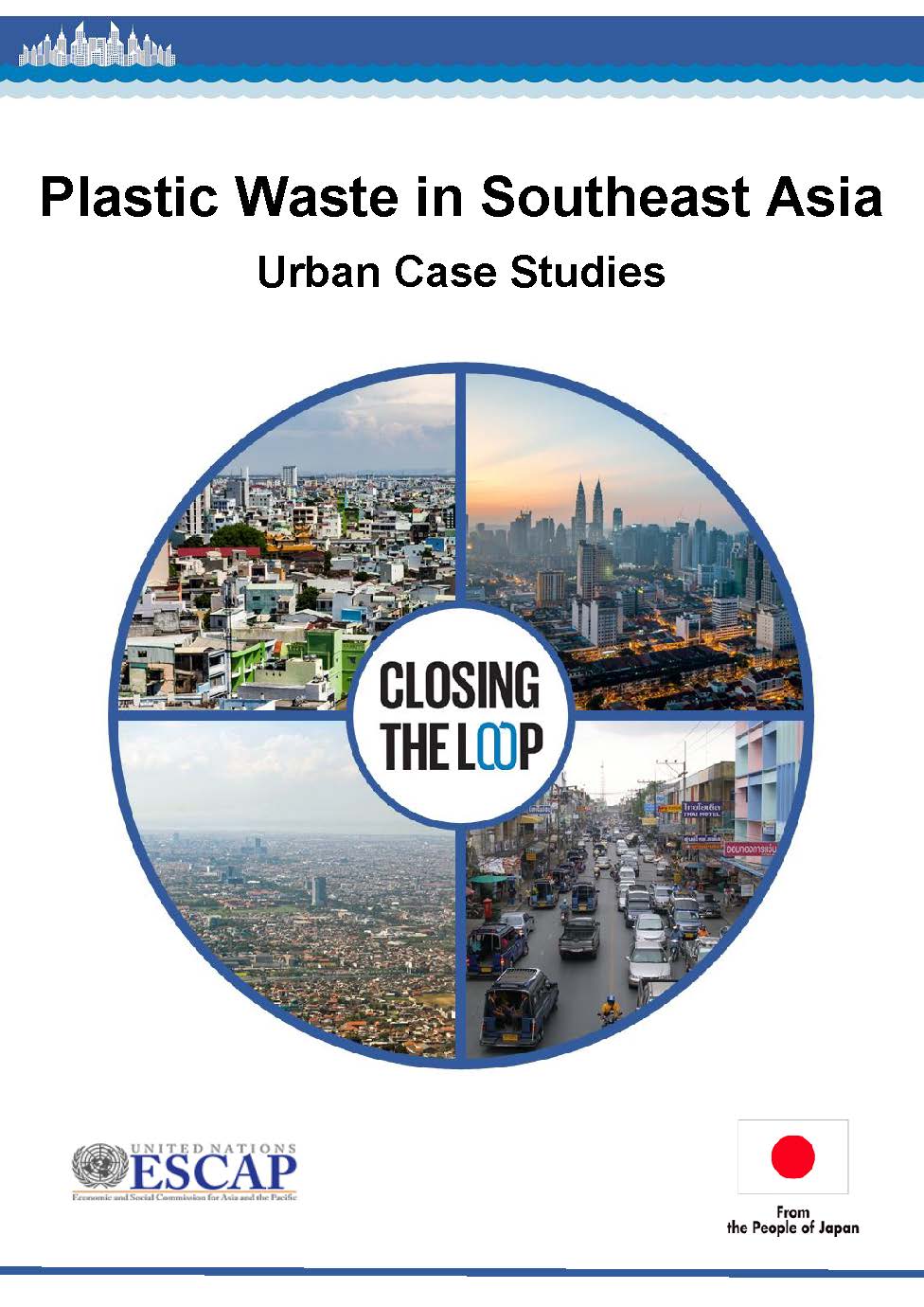
Unmanaged plastic waste poses a major socio-economic, environmental and health risk to urban and marine environments in the Asia Pacific. Each year South-east Asian countries produce 11.7 million metric tonnes of plastic waste, of which over 60% is derived from urban areas. Therefore a focus on effective city governance will be vital to tackle the...
Policy Report
This report assesses to what extent the national governments of ASEAN countries have made concrete domestic efforts to implement the Sustainable Development Goals (SDGs) in terms of policies and budgets as listed in their Voluntary National Reviews (VNRs). Methods used by this report are similar to those used by a comparable study of the G20...
Policy Report
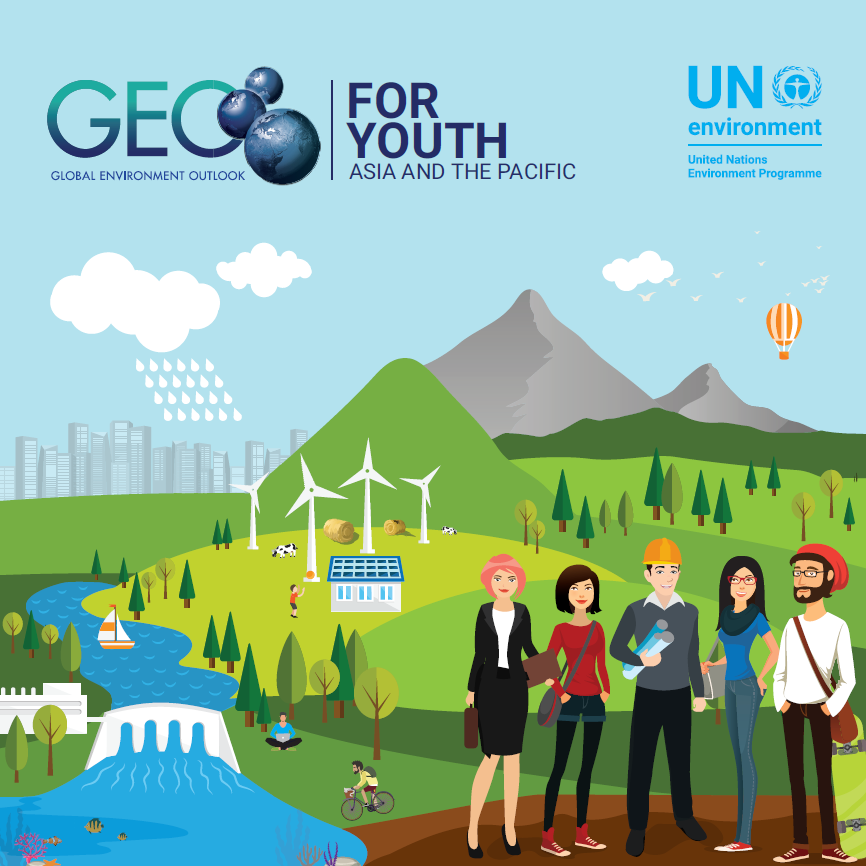
[DAISY] GEO for Youth Asia and the Pacific (text only DAISY3, zip file) IGES is proud to provide GEO for Youth Asia and the Pacific in DAISY format. DAISY enables accessibility of information to all, including people with print disabilities. This DAISY file was created by persons with disabilities and the support of the Assistive Technology...
Book Chapter

In Sustainable Solutions for Urban Water Security Innovative Studies
The urban water providers are confronted with the multiple challenges of limited water availability, inadequate water quality and rising living standards, resulting in growing water demands. The inefficient water supply systems and negative impacts of changing climate are threatening local water resource availability and increasing risks of water...
Policy Report
In the context of the current global surge of interest in sustainable finance, this report presents the findings of a study comparing the policy landscapes covering such issues in Japan and in the EU. The objective of the report is to provide an overview of, and identify the key characteristics deployed in each of these two jurisdictions, and then...
Book
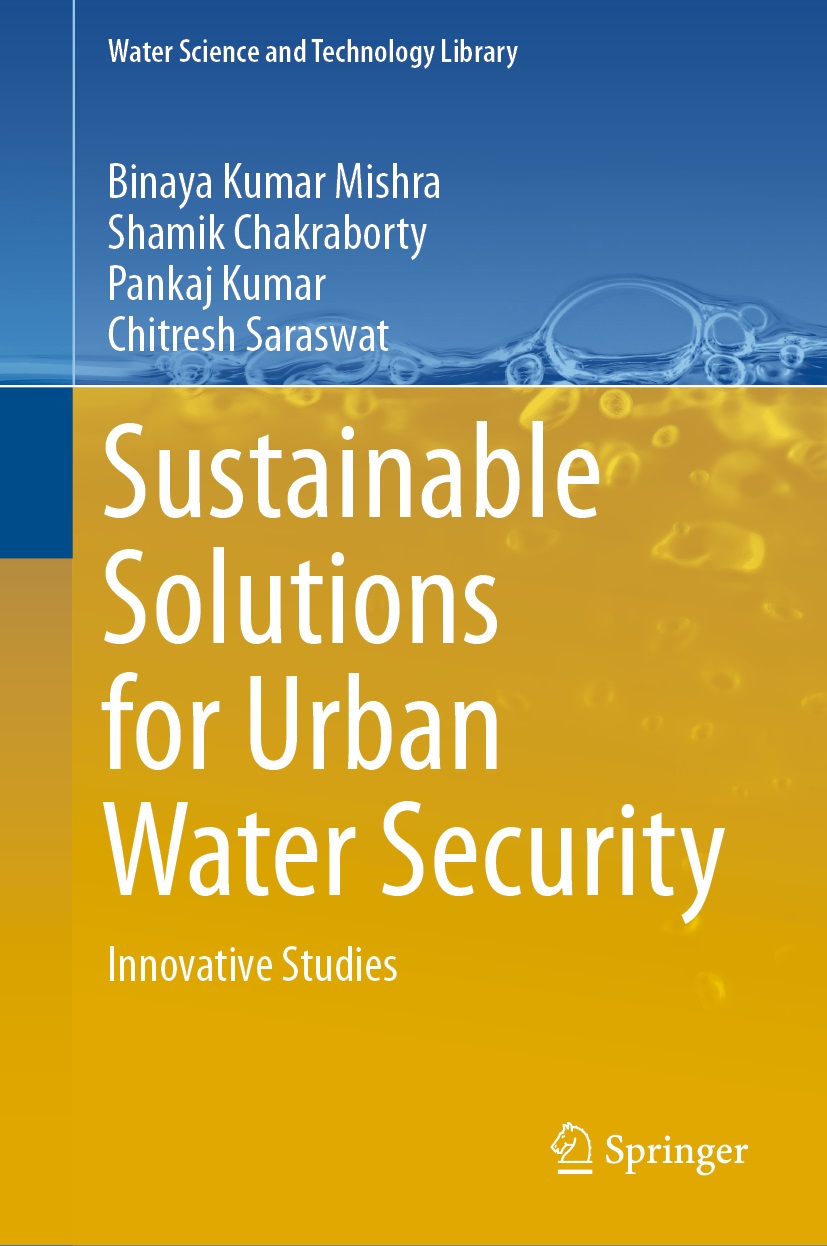
This book presents solutions to address water security in rapidly urbanizing cities, and explores the new paradigms of water security in changing contexts. Highlighting the latest developments in water research, changes in water policy, and current discourses on water security, the book also provides information and tools for local stakeholders...