
Results 1031 - 1040 of 5563 (Sorted by date)
Presentation

International Conference on CLIMATE CHANGE AND FOOD SECURITY in South Asia (CCFS)
The presentation provides an understanding of the complexity of issues surrounding climate change, climate security and other forms of security issues by providing several cases. It describes transboundary risks (global), climate fragility risks (Japan), food security (India), and external assistance (all countries) cases to showcase the...
Report Chapter
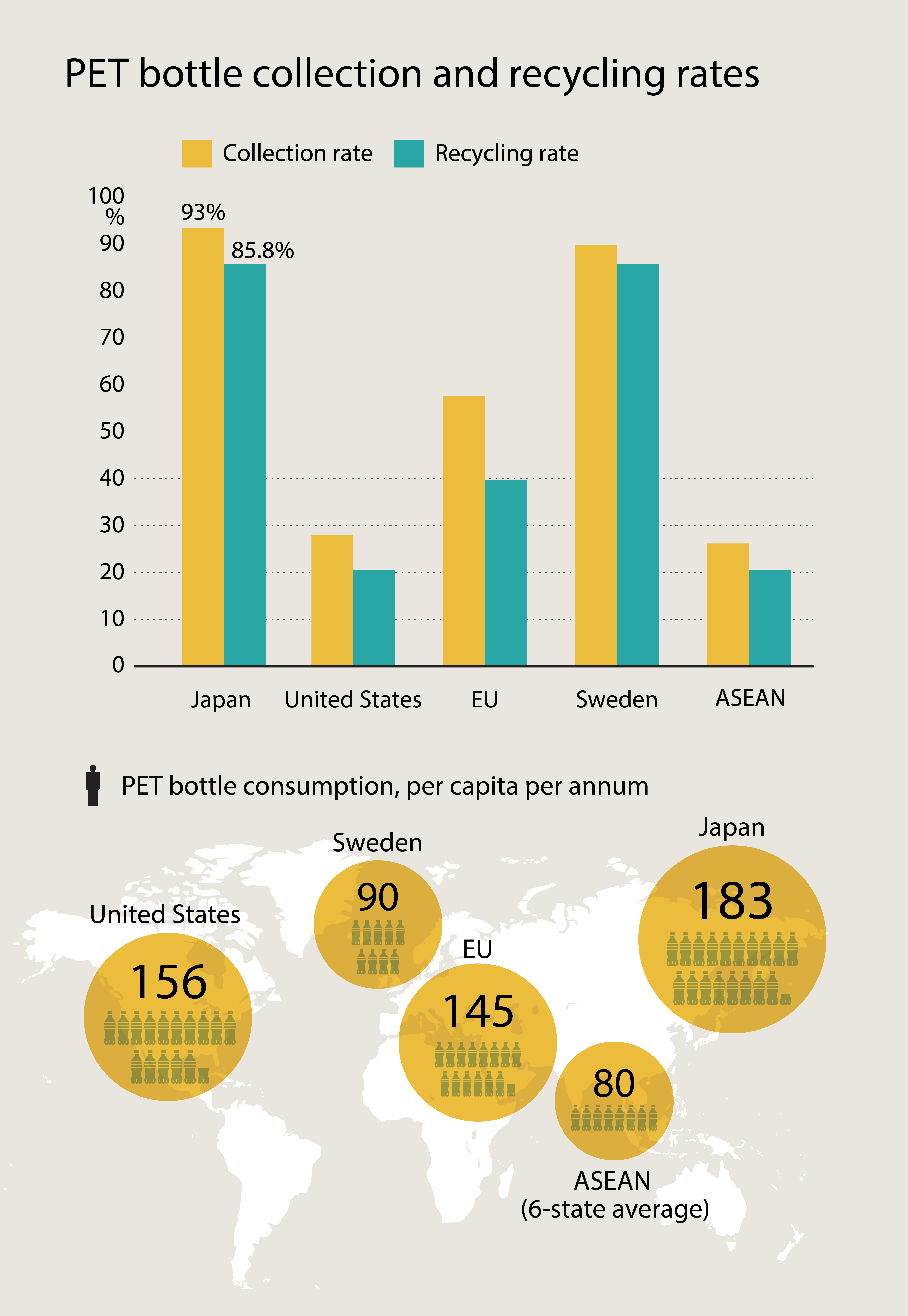
This chapter is developed to the Plastic Atlas Japan Special Edition プラスチック・アトラス アジア[日本語特別版]. As discussed by the chapter, Japan has introduced numerous innovative policies and strategies to promote the circulation of resources and to build a sustainable society. The Japanese experience shows that building an adequate waste management system is a...
Keywords:
Report Chapter
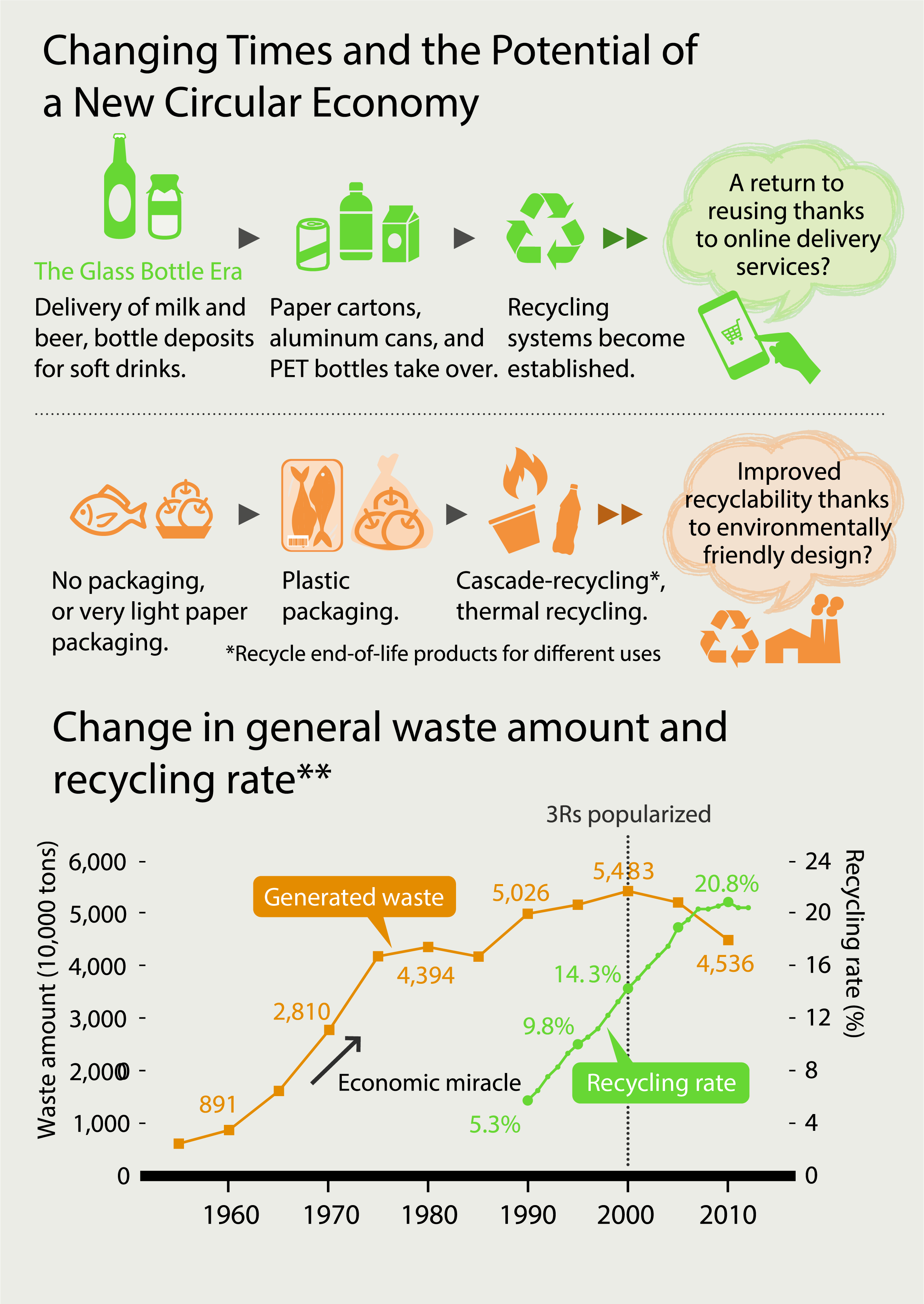
This chapter is newly added to the Plastic Atlas Japan Special Edition プラスチック・アトラス アジア[日本語特別版]. From the “economic miracle” period up to the present, Japan has built an excellent system for efficiently collecting and recycling recyclable waste. Yet, recycling does not constitute a definitive solution. Rather, it is important to lower the amount of...
Keywords:
Working Paper
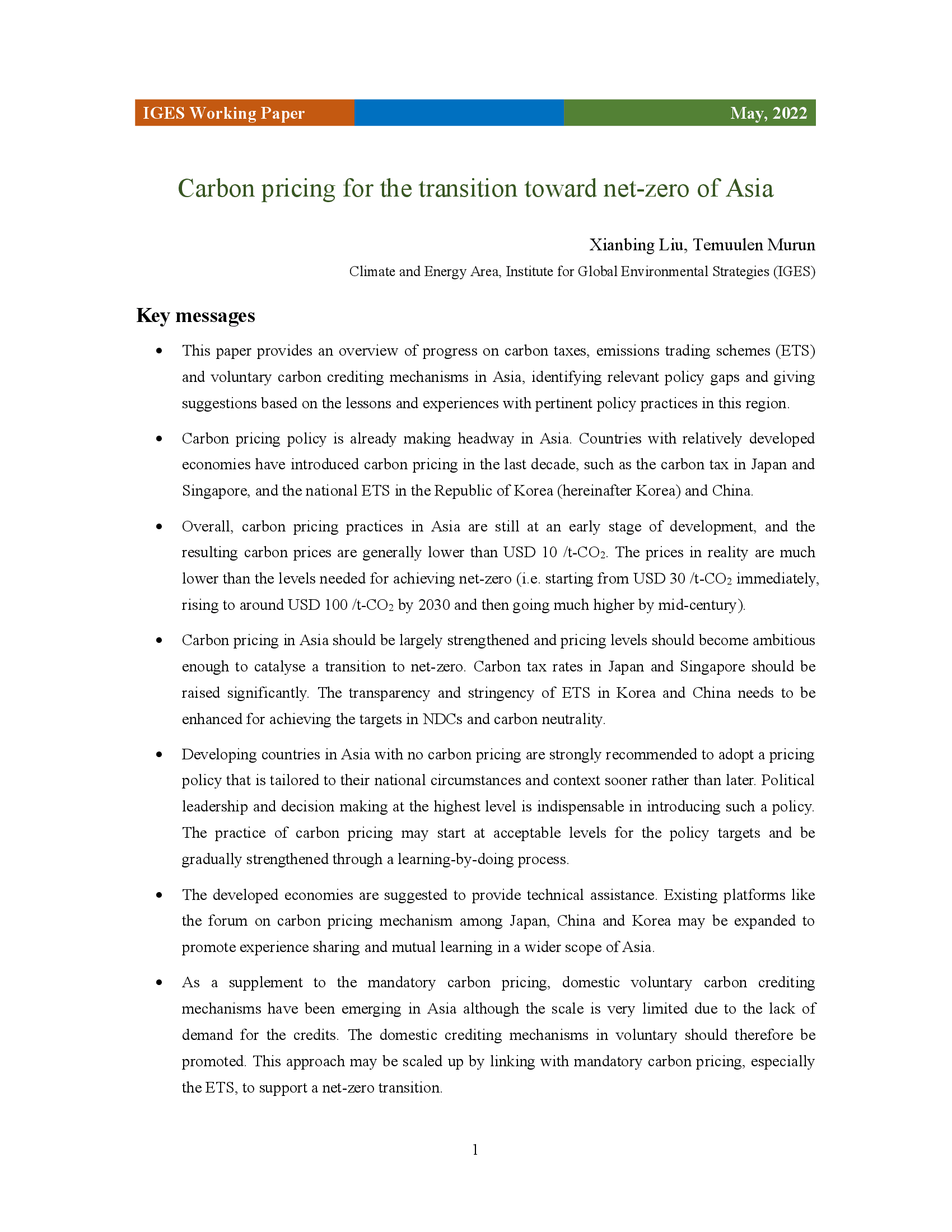
This paper provides an overview of progress on carbon taxes, emissions trading schemes (ETS) and voluntary carbon crediting mechanisms in Asia, identifying relevant policy gaps and giving suggestions based on the lessons and experiences with pertinent policy practices in this region. Overall, carbon pricing practices in Asia are still at an early...
Keywords:
Fact Sheet
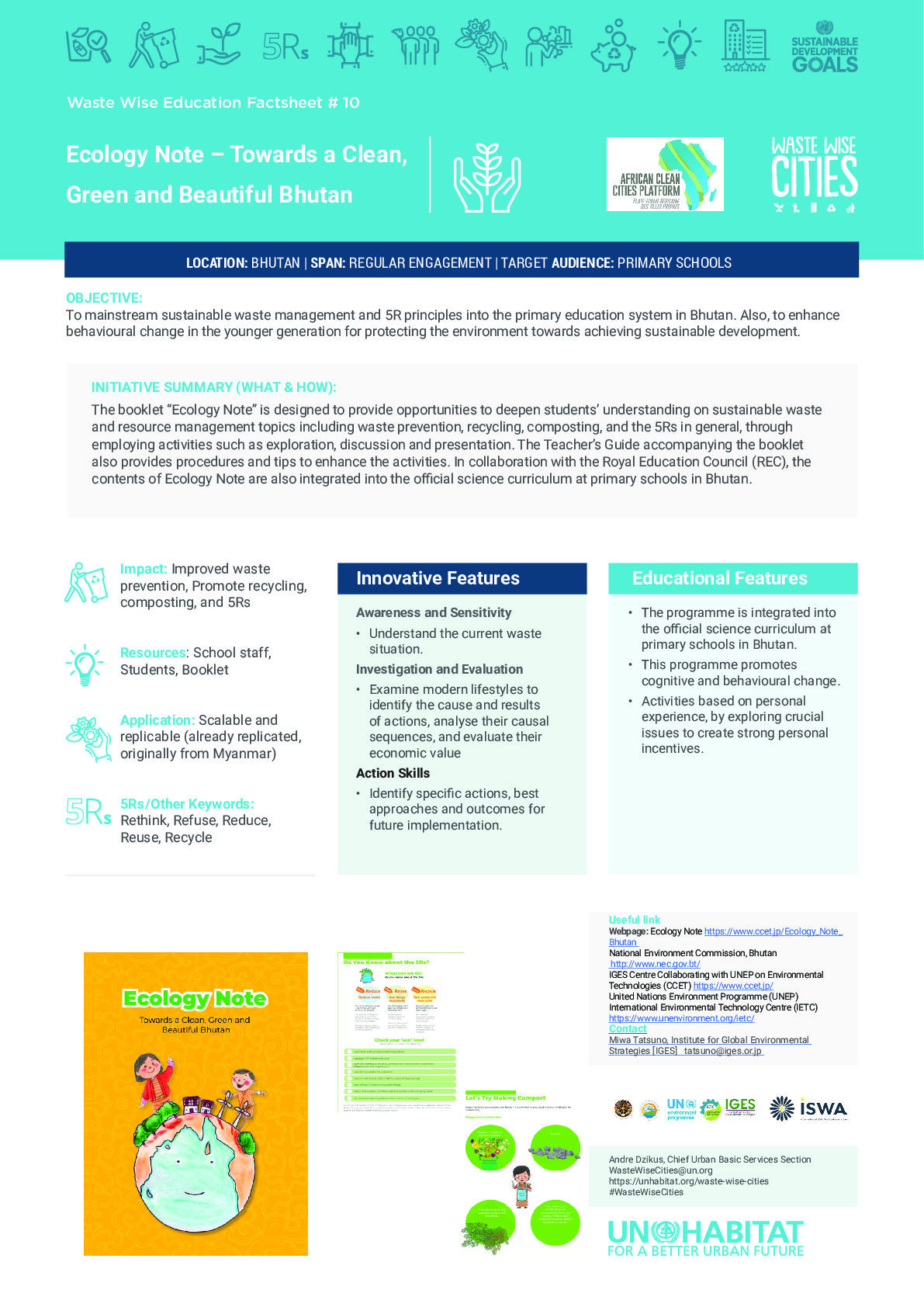
The booklet “Ecology Note” is designed to provide opportunities to deepen students’ understanding on sustainable waste and resource management topics including waste prevention, recycling, composting, and the 5Rs in general, through employing activities such as exploration, discussion and presentation. The Teacher’s Guide accompanying the booklet...
Keywords:
Policy Brief
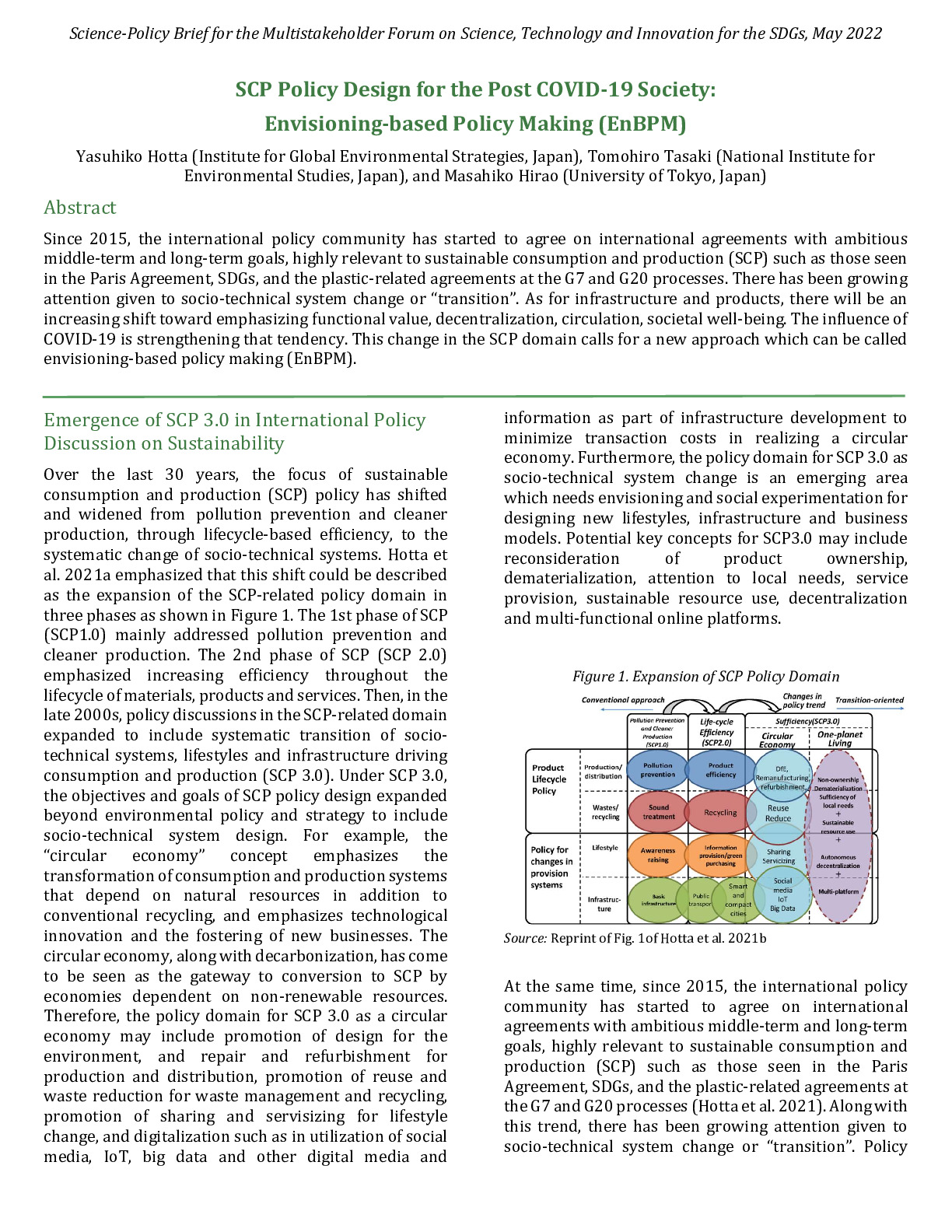
United Nations 7th Multi-stakeholder Forum on Science, Technology and Innovation for the Sustainable Development Goals
This science-policy brief was published as a background science policy brief for United Nations 7th Multi-stakeholder Forum on Science, Technology and Innovation for the Sustainable Development Goals held on May 5-6, 2022. Since 2015, the international policy community has started to agree on international agreements with ambitious middle-term and...
Technical Report

This report covers the technical assessment of the voluntary submission of Thailand on its proposed forest reference emission level (FREL) and forest reference level (FRL) in accordance with decision 13/CP.19. The author at IGES (Chisa Umemiya) served as a member of the technical assessment team.
Presentation
IEA – EBC – Annex 83
This presentation explores how Japanese cities are planning to transition to net-zero greenhouse gas emissions. It first reviews national mechanisms in place to support local governments’ efforts to become net-zero. The presentation continues by presenting the case of Kitakyushu City and its current policies. It concludes by asking how a shrinking...
Conference Proceeding
International Forum for Sustainable Asia and the Pacific (ISAP2021)
The International Forum for Sustainable Asia and the Pacific (ISAP) is held annually in Japan bringing together leading experts, international organisations, governments, businesses, and NGOs to discuss various aspects of sustainable development in Asia and the Pacific. This year’s forum was organised by the Institute for Global Environmental...
Policy Brief
T7 Policy Brief: T7 Task Force on Climate and Environment
G7 leaders have already accepted many important concepts related to the environment and sustainability. The G7 agreed to “protect our planet by supporting a green revolution that creates jobs” in 2021 at the Cornwall Summit. H owever, the challenge is that the G7 has mostly issued general statements of principle rather than committed to concrete...
Keywords: