

Results 1961 - 1970 of 5566 (Sorted by date)
Policy Report
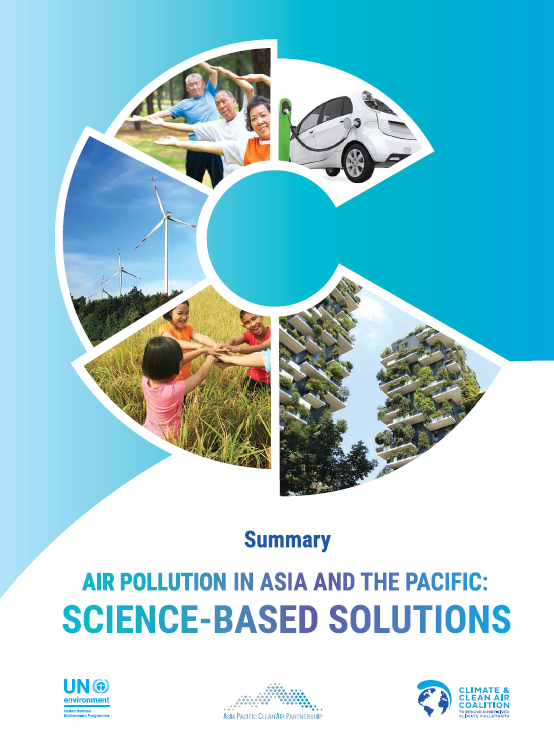
UNEP published the Air Pollution in Asia and the Pacific: Science-based Solutions, the first-ever comprehensive scientific assessment of air pollution outlook in the region. It outlines 25 clean air measures that could achieve safe air quality levels for 1 billion people by 2030 - with numerous benefits for public health, economic development and...
Conference Paper
3rd Japanese- German Workshop on Renewable Energies
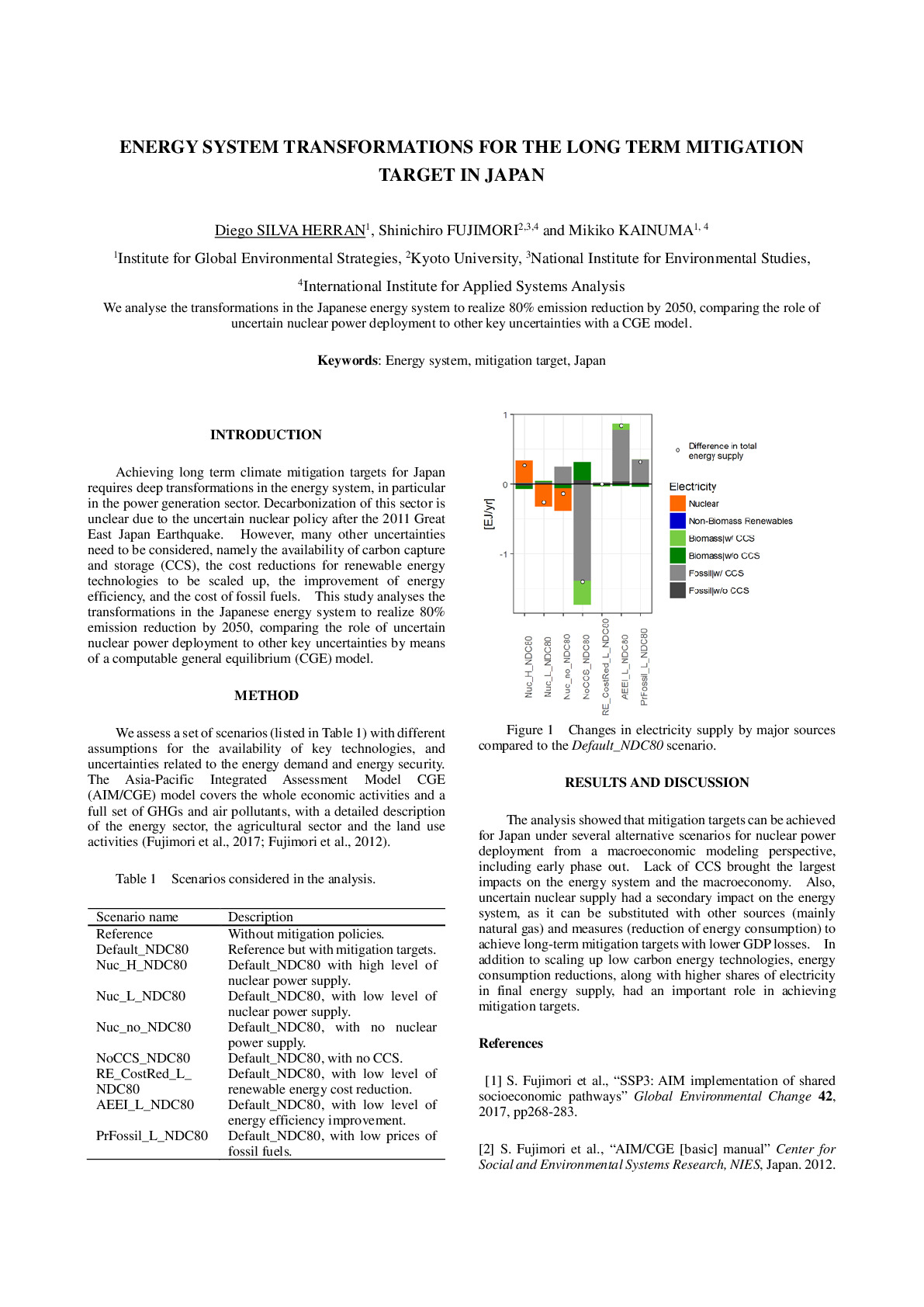
Achieving long term climate mitigation targets for Japan requires deep transformations in the energy system, in particular in the power generation sector. Decarbonization of this sector is unclear due to the uncertain nuclear policy after the 2011 Great East Japan Earthquake. However, many other uncertainties need to be considered, namely the...
Presentation

3rd Japanese- German Workshop on Renewable Energies
Achieving long term climate mitigation targets for Japan requires deep transformations in the energy system, in particular in the power generation sector. Decarbonization of this sector is unclear due to the uncertain nuclear policy after the 2011 Great East Japan Earthquake. However, many other uncertainties need to be considered, namely the...
Presentation
2018 Sustainable Development Transition Forum
The presentation addresses the question of how the HLPF can provide useful policy guidance.
Discussion Paper

Global support for promoting adaptation, both in terms of technical and financial assistance is growing, though only a few countries have reached the stage of submitting their NAPs. Developing effective NAPs is a complicated process requiring a great deal of financial and technical resources, much akin to the implementation of environmental...
Report Chapter

The chapter focuses on future scenarios of Biodiversity and Ecosystem nServices (BES) and implications to human well-being in the Asia-Pacific region and account for the unique regional characteristics and national policy making practices related to conservation of BES.
Report Chapter

In An IPCC special report on the impacts of global warming of 1.5 °C above pre-industrial levels and related global greenhouse gas emission pathways
This chapter frames the context, knowledge-base and assessment approaches used to understand the impacts of 1.5°C global warming above pre-industrial levels and related global greenhouse gas emission pathways, building on the IPCC Fifth Assessment Report (AR5), in the context of strengthening the global response to the threat of climate change...
Presentation
2018 Asia-Pacific Forum on Low Carbon Technology
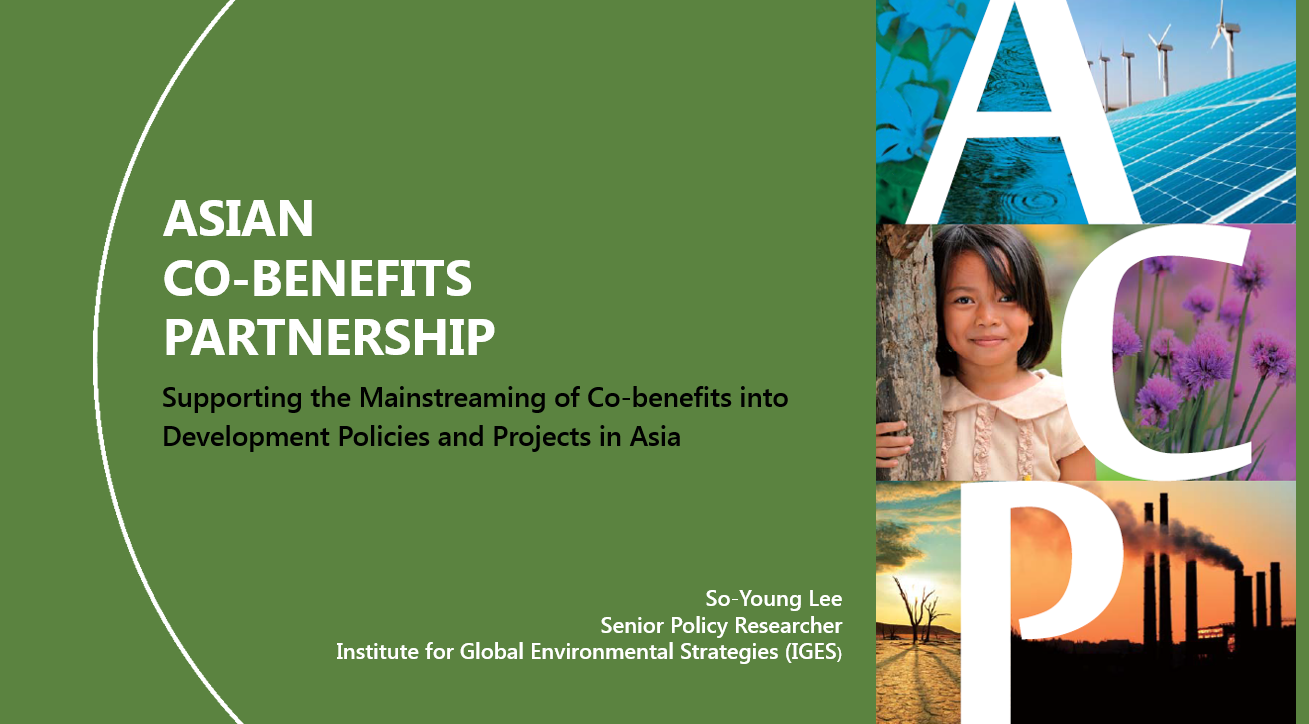
Asian Development Bank (ADB) and Hunan Development and Reform Commission, China hosted the 2018 Asia-Pacific Forum on Low Carbon Technology and invited IGES as the discussant for the session on Perspectives from Global/Regional Alliances, Research and Advocacy Organizations on Coordinated Control and Management of Urban Carbon Emission Reduction...
Training or Learning Material
This training material has been designed for water engineering students and water practitioners in Da Nang city under the 10YFP Project on "A new approach to reducing greenhouse gas (GHG) emission through changing lifestyle toward water and electricity saving in urban households in Danang, Vietnam" funded by UNEP. The presentation addressed some...
Briefing Note

This briefing note summarises the status and challenges related to SDG 6, 7, 11, 12, and 15 that were highlighted during HLPF 2018 thematic plenaries and selected side event discussions.