
Results 81 - 90 of 5560 (Sorted by date)
Translation of non-IGES Material
「まえがき」より 我々を取り巻く環境が変化していることは、もはや周知の事実である。異常気象・慢性的な気候変動・環境悪化は、今やますます業務運営に支障を生じさせ、より広範なシステム全体へのショックを引き起こしている。サプライチェーンの寸断から、資産の損傷・インフラへの衝撃・公衆衛生の危機・地域社会の崩壊に至るまで—多くの企業がすでにその影響を肌で感じている。そして、脅威はニュースの見出しを飾るような大災害だけにとどまらない。目立たず、じわじわと慢性的に進行する悪影響が、静かに企業価値を蝕んでいるのである。しかも、それらは多くの場合、既存のシステムでは予兆を検知することも、管理することも難しい形で進行していく。 (中略) ビジネスリーダーであるCEOには今こそ...
Keywords:
Submission to Policy Process
Building bridges between G7 and G20 processes on critical minerals is crucial for minerals security and shared prosperity. An international framework that coherently reconciles the various interests of importing countries seeking supply security and market stability, and producing countries aiming to maximise the economic contribution of mineral...
Peer-reviewed Article
In Sustainability Science
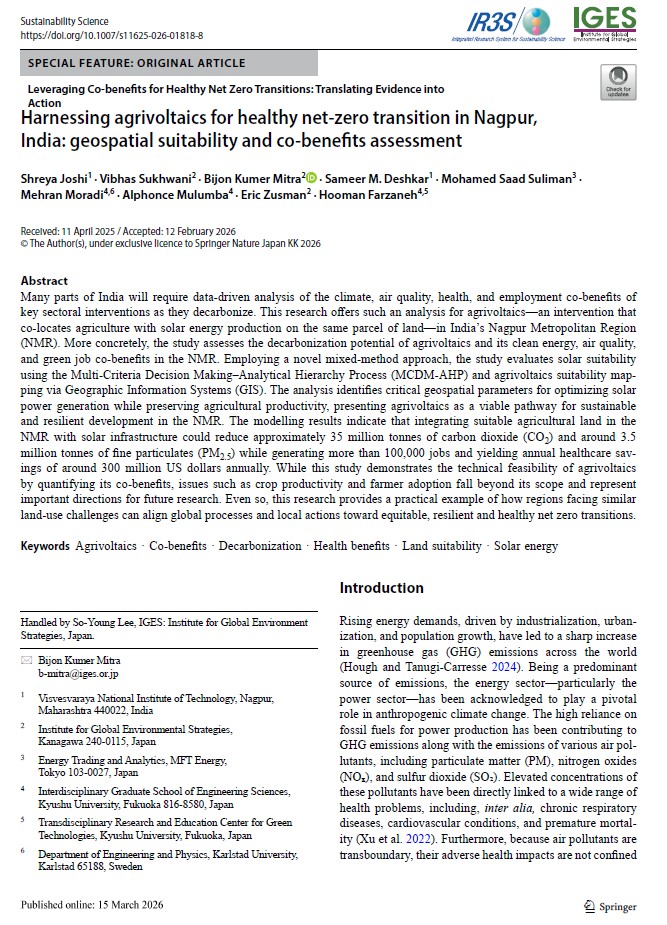
Many parts of India will require data-driven analysis of the climate, air quality, health, and employment co-benefits of key sectoral interventions as they decarbonize. This research offers such an analysis for agrivoltaics—an intervention that co-locates agriculture with solar energy production on the same parcel of land—in India’s Nagpur...
Submission to Policy Process
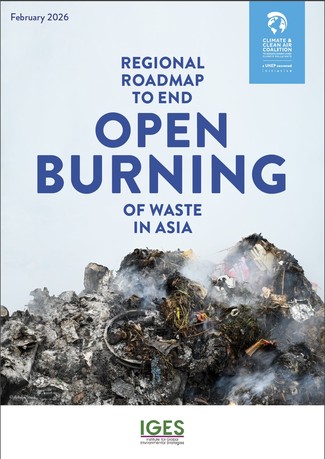
This Regional Roadmap to End Open Burning of Waste in Asia provides a structured, holistic, and evidence-based guide for policymakers, practitioners, academics, and development partners to eliminate OWB in a manner that is feasible, equitable, and aligned with global and national development priorities. The Roadmap draws on literature review...
Keywords:
Presentation
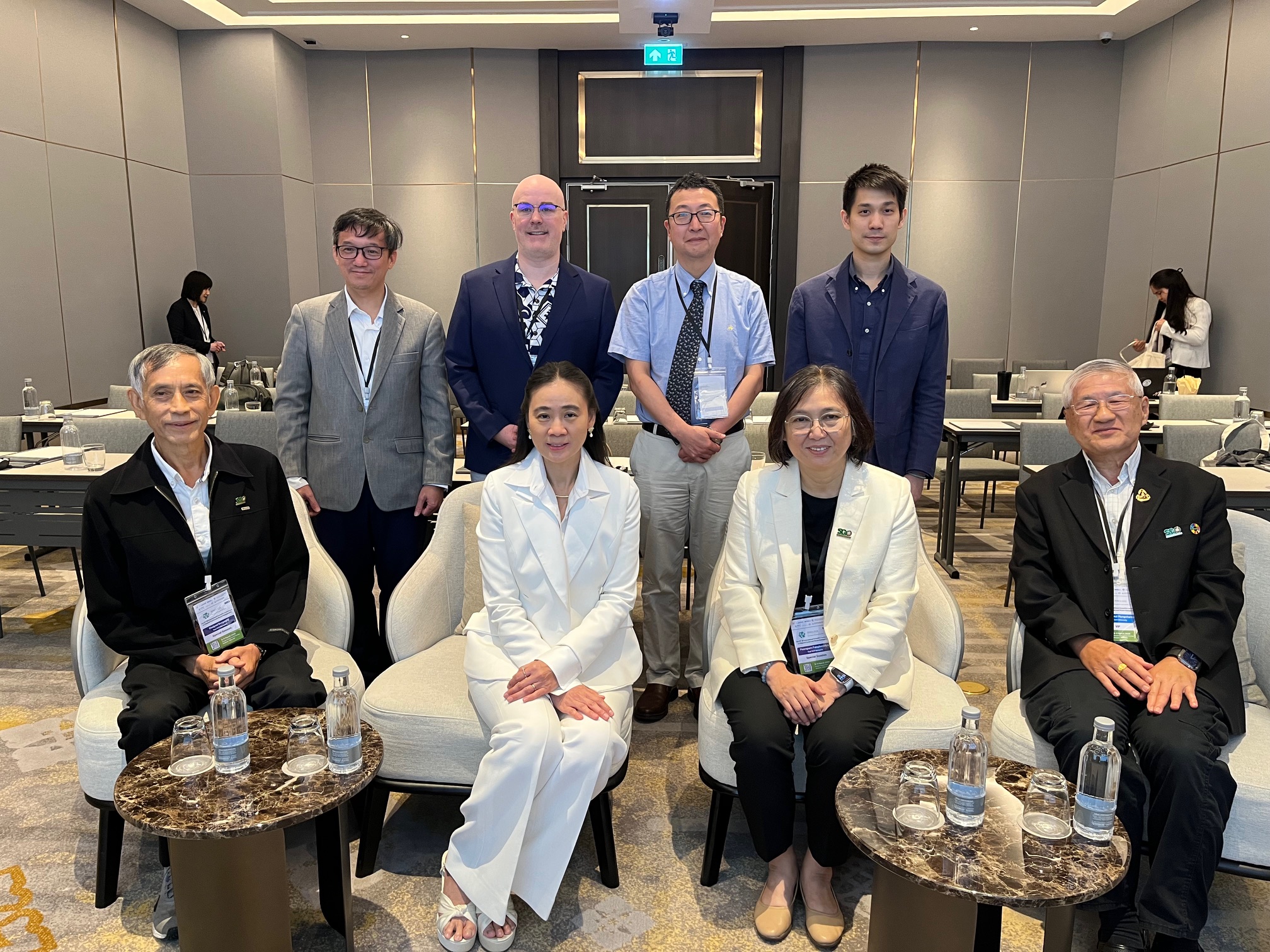
3RINCs 2026 Special Session "Promoting SCP model and beyond for the decarbonized and circular economy""
Asia Pacific Roundtable for SCP (APRSCP), IGES, Thai SCP Net, and Viet Nam's Institute for Circular Economy Development co-organized a special session on "Promoting SCP model and beyond for the decarbonized and circular economy" at the 3RINCs 2026 held in Bangkok on March 9-11, 2026. The session was organized to Showcase National SCP-CE Models...
Presentation

3RINCs 2026 ASEAN-Japan Special Session "International Metal Resource Circularity: Towards Establishing an E-waste Proper Treatment Network and Contributing to Sustainable Resource Management"
The special session was co-organized by the Embassy of Japan in Thailand and the Ministry of the Environment, Japan, focuses on establishing and expanding an international metal resource circularity network through the proper treatment of e-waste between ASEAN and Japan. Dr. Hotta and Dr. Menikpura presented about lifecycle sustainability...
Keywords:
Data or Tool
IGES's GHG emissions database aims to compile the latest information on GHG and CO2 emissions, as reported annually by UNFCCC Annex I countries. The data covers the period from from 1990 up to two years before the submission date of the reports. This database also provides information on target compliance, in order to compare historical emission...
Keywords:
Data or Tool
The List of Grid Emission Factors aims to provide information to be utilized for research and analysis regarding emissions from electricity generation. A "grid emission factor" refers to a CO2 emission factor (tCO2/MWh) which will be associated with each unit of electricity provided by an electricity system. It is a parameter to determine the...
Peer-reviewed Article
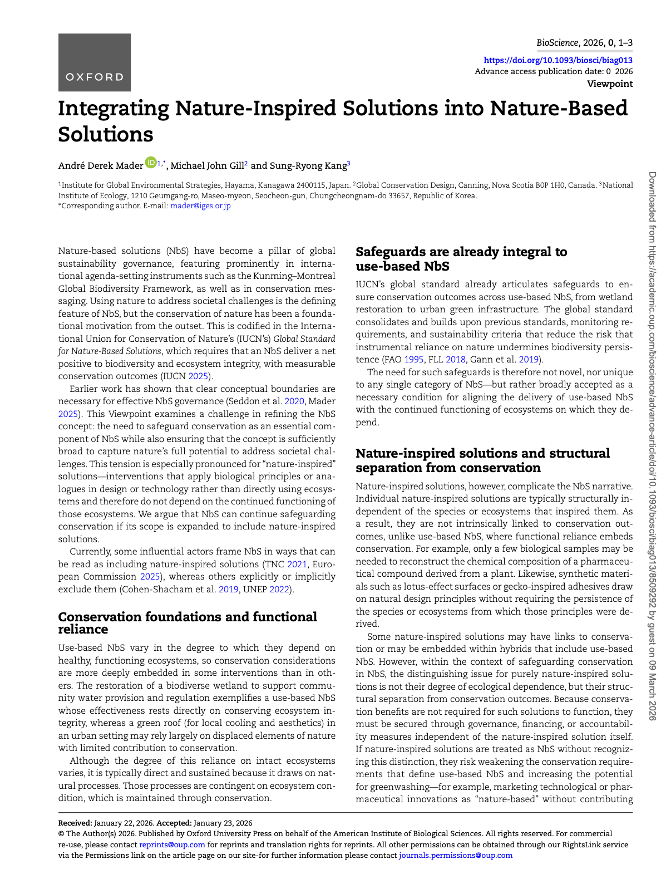
In BioScience
Excerpt (first section): Nature-based solutions (NbS) have become a pillar of global sustainability governance, featuring prominently in international agenda-setting instruments such as the Kunming–Montreal Global Biodiversity Framework, as well as in conservation messaging. Using nature to address societal challenges is the defining feature of NbS...
Book
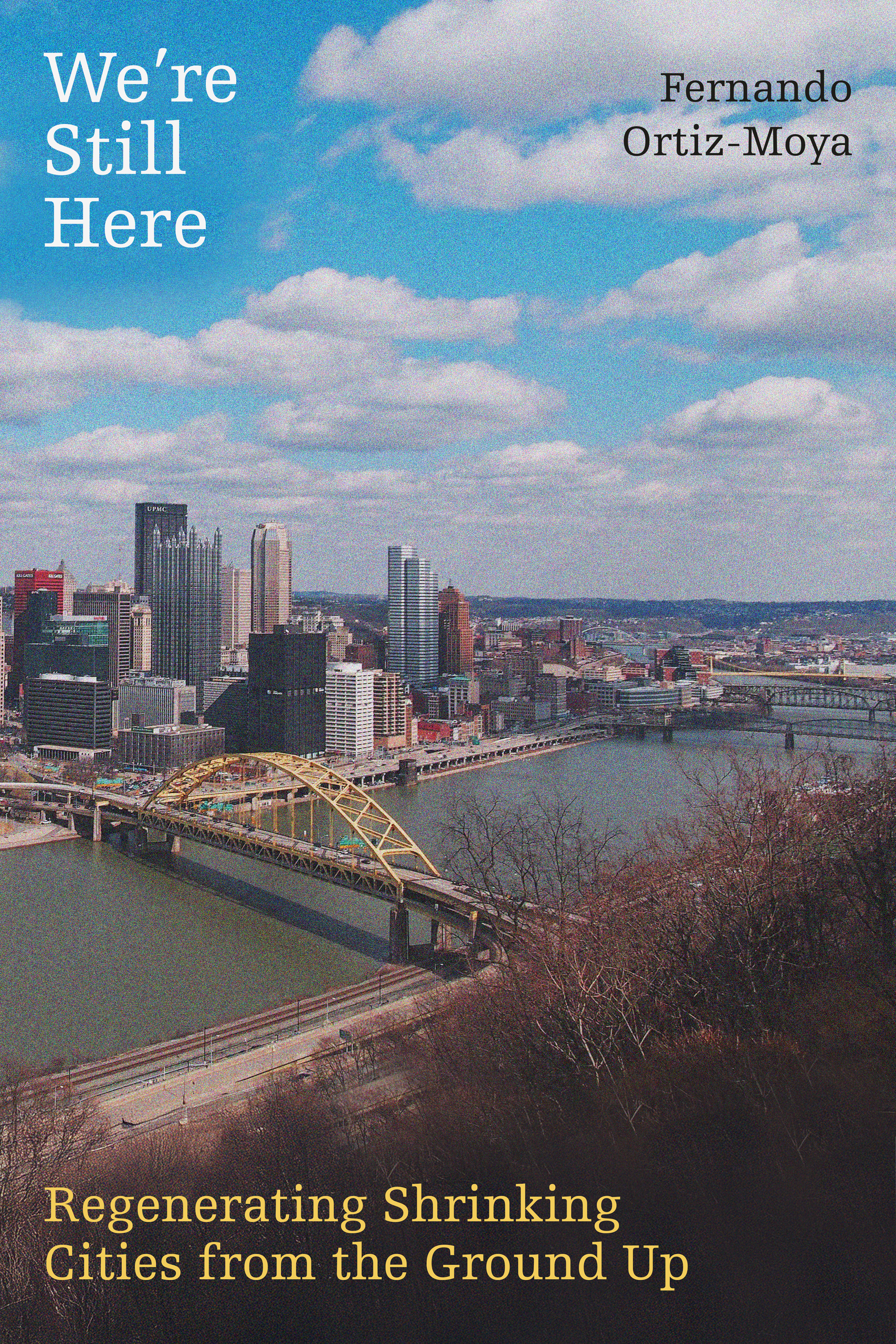
In a world that expects cities to fuel economic growth and attract millions of people every year, there's something unnerving about the phrase "shrinking cities." But thousands of cities are getting smaller, leaving vacant homes, abandoned factories, and oversized infrastructure. Shrinking cities pose a new problem for urban planners: how to manage...