About COP
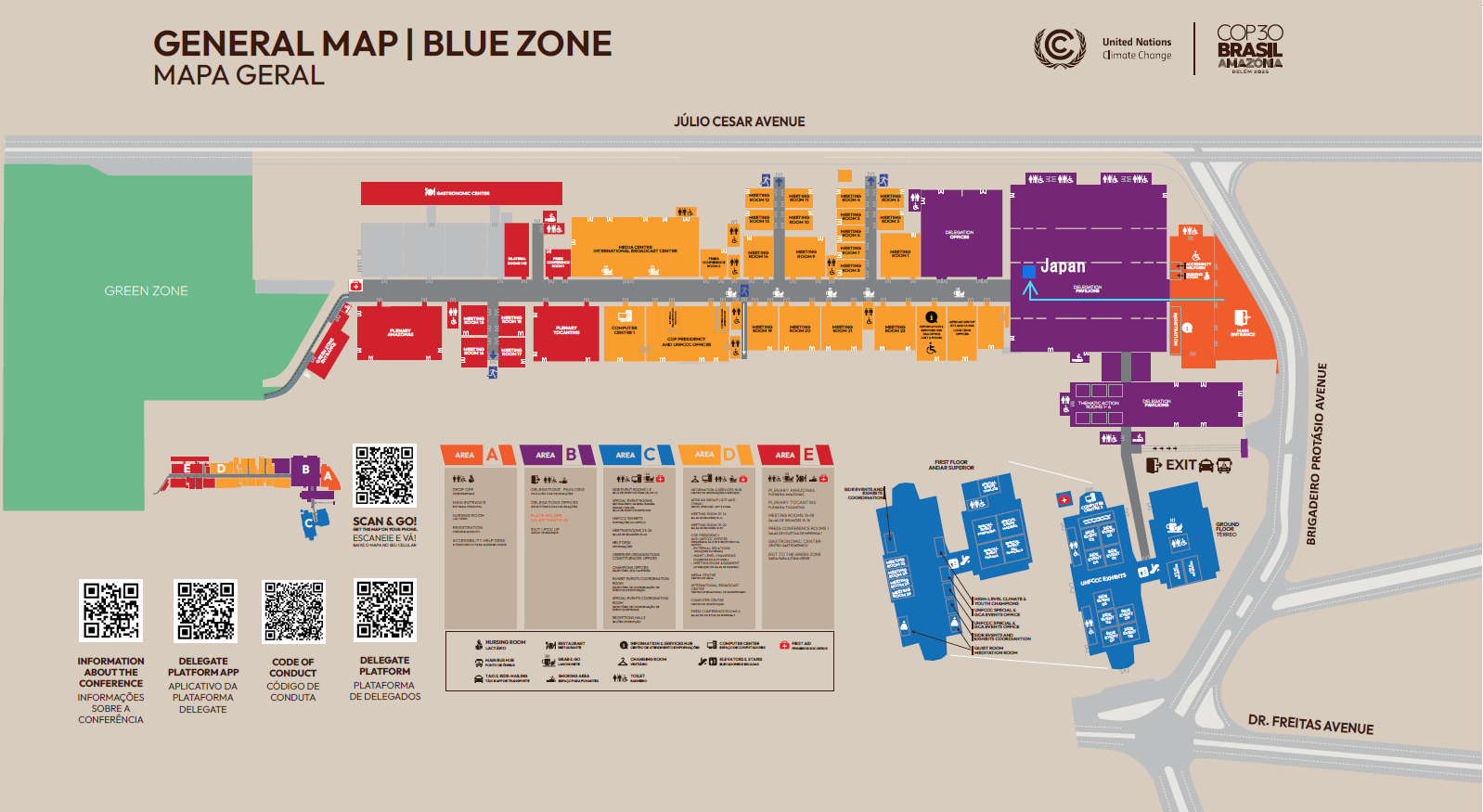
From 10 to 21 November, the 30th Conference of the Parties (COP30) to the United Nations Framework Convention on Climate Change (UNFCCC) will be held in Belém, located at the gateway to the Amazon rainforest in Brazil. As the highest decision-making body of the UNFCCC, COP oversees the implementation of agreements —such as the Kyoto Protocol and the Paris Agreement— and reviews progress on previous commitments.
Outcomes from Last Year’s Negotiations
At COP29, held in Baku, Azerbaijan in November 2024, progress was made in several key areas, including:
- ・Agreement on a new climate finance goal
- ・Completion and full operationalisation of negotiations on Article 6 of the Paris Agreement
- ・Development of indicators to measure progress towards the Global Goal on Adaptation (GGA)
- ・Advancements in the establishment of the Fund for responding to Loss and Damage
Further details available here.
About COP30
This year’s COP30 marks a significant milestone: 20 years since the Kyoto Protocol entered into force and 10 years since the adoption of the Paris Agreement. As the host country, Brazil has positioned COP30 as a pivotal moment marking the transition “from negotiation to implementation.”
In particular, Brazil regards the outcomes of the first Global Stocktake (GST), which reviewed collective progress and future pathways towards achieving the Paris Agreement’s goals as “a compass for Mission 1.5”. To support its implementation, Brazil has proposed an Action Agenda consisting of six pillars and thirty initiatives.
However, Parties have yet to reach agreement on how to follow up on the GST outcomes, and this is expected to be a major point of discussion at COP30. In addition, the formulation of indicators and operational guidance for the Global Goal on Adaptation (GGA), along with continued deliberations on the Fund for responding to Loss and Damage, will be key negotiation items.
As the first COP to be held in the Amazon region, Brazil’s efforts to bring forests to the forefront of discussions and underscore their role as both a critical issue and a key solution to climate change have drawn significant attention. A key initiative at COP30 is Brazil’s plan to launch a new fund for developing countries aimed at forest conservation: the “Rainforests Forever Fund”.
Towards COP30: Advancing the Paris Agreement
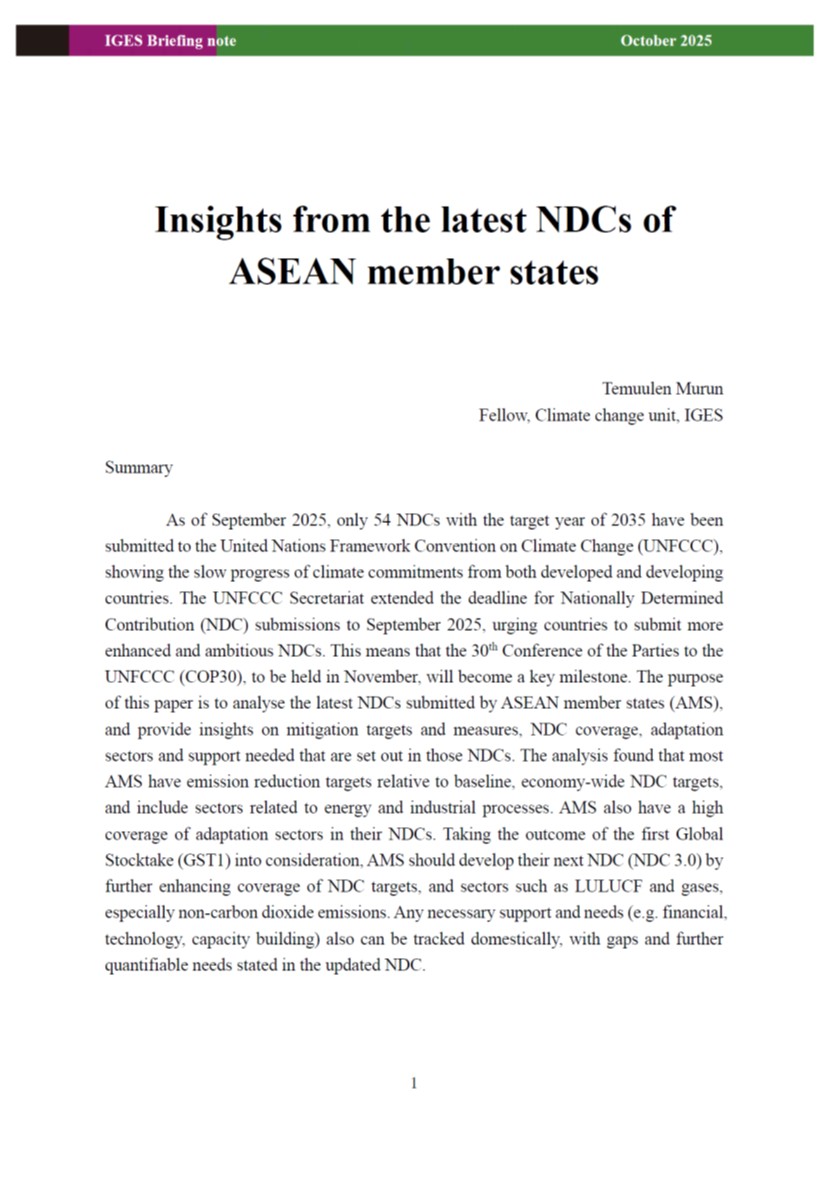
Following the negotiations at COP29, the Paris Agreement has now entered its implementation phase. To achieve the 1.5°C goal, countries are required to submit and update their Nationally Determined Contributions (NDCs) every five years.This year’s round of NDCs is particularly important, as it will determine whether the 1.5°C target remains within reach.
This special page provides the latest information on COP30 and IGES-related side events.
News
COP30 Japan Pavilion Seminar
Accelerating Synergistic Solutions to the Triple Planetary Crisis - The Power of Business-
COP30 Japan Pavilion Seminar
Japan’s Cooperation for ASEAN’s Decarbonization -Towards The ASEAN-Japan GST Report-
COP30 Japan Pavilion Seminar
Exploring synergies through Nature-based Solutions
COP30 Japan Pavilion Seminar
Advancing Resilient Supply Chains through EWS
COP30 Japan Pavilion Seminar
The Role of Universities in Achieving Net-Zero by 2050
COP30 Japan Pavilion Seminar
Launching Global Circularity Protocol for Business - Impact on Climate, Nature & Equity
Associated Events
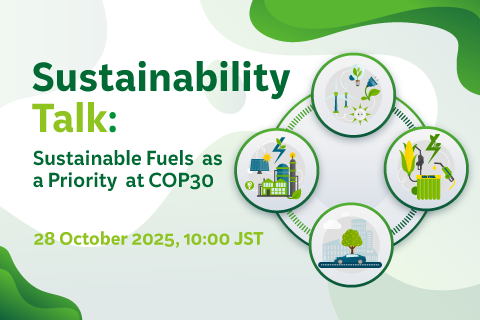
Sustainable Fuels as a Priority at COP30
COP30 Side Events
Japan’s Cooperation for ASEAN’s Decarbonization -Towards The ASEAN-Japan GST Report-
Accelerating Synergistic Solutions to the Triple Planetary Crisis - The Power of Business
Exploring synergies through Nature-based Solutions
Advancing Resilient Supply Chains through EWS
Clean City Partnership Program (C2P2) Seminar
The Role of Universities in Achieving Net-Zero by 2050
Launching Global Circularity Protocol for Business - Impact on Climate, Nature & Equity
Related Projects
UNFCCC COP Special webpage
Related Publications
Associated Staff