

Deputy Director of the Biodiversity and Ecosystem Services Unit / Senior Research Manager
Research Topics & Areas of Expertise
Biodiversity scinece-policy interfaces, socio-ecological systems, ecosystem services, action research for nature-positive supply chains, action research
Education
- Ph.D. in Environmental Science Development at the Graduate School of Environmental Science, Hokkaido University, 2024;
- MSc in Conservation and Tourism at Durrell Institute of Conservation and Ecology (DICE), University of Kent, England, 2010; and
- BSc in Agrobiology and Bioresources, University of Hokkaido, 2002.
Results 121 to 130 of 182 (Sorted by date)
Commissioned Report
平成30年度のIPBES関連国内支援業務の業務報告書です。IPBES第6回総会報告会、IPBES国内連絡会、IPBES評価報告書SPM和訳、IPBESシンポジウム等の成果をとりまとめています。
Policy Report
Translator:
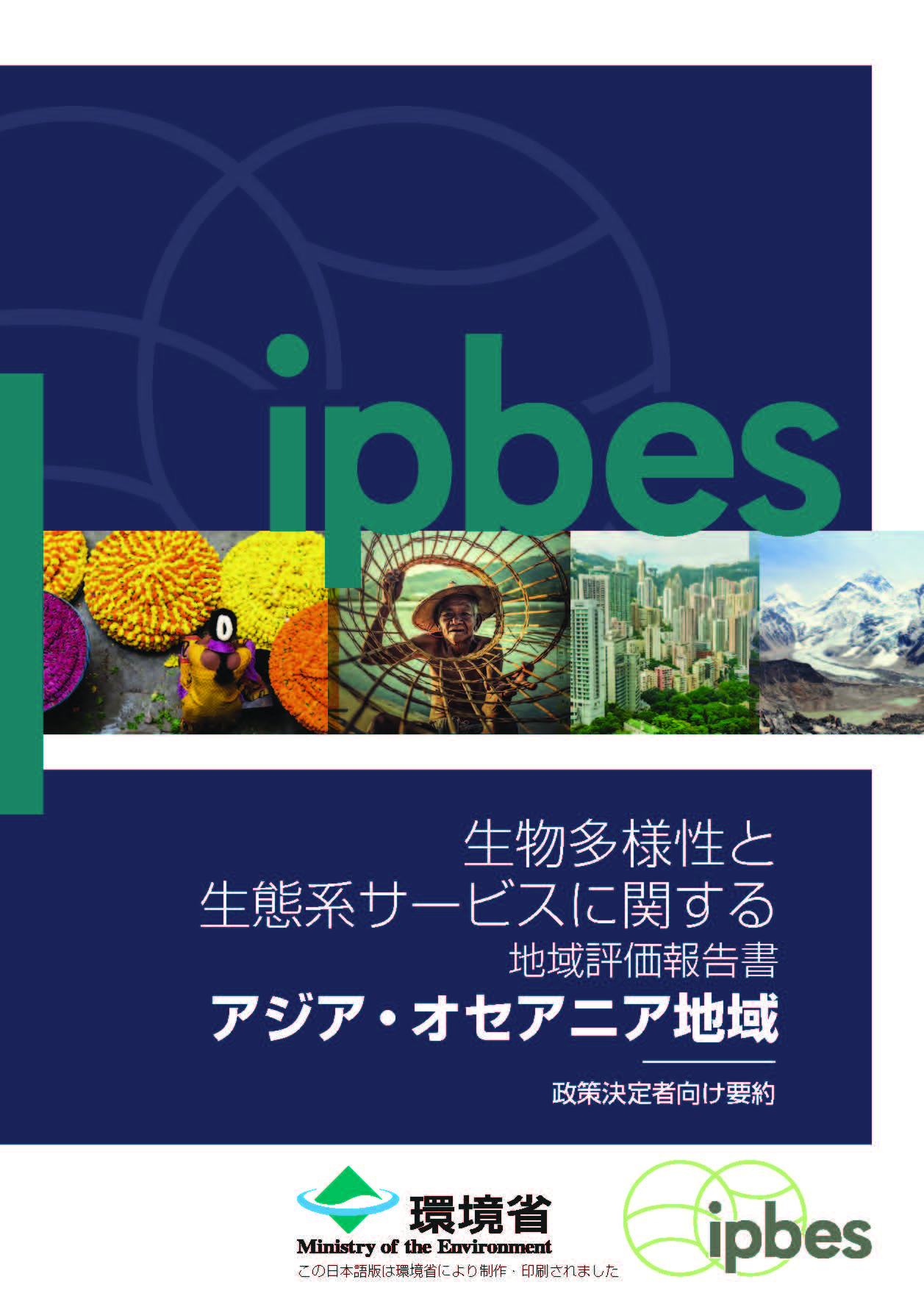
生物多様性及び生態系サービスに関する政府間科学-政策プラットフォーム(IPBES)による「IPBES 生物多様性と生態系サービスに関する地域評価報告書:アジア・オセアニア地域」は、生物多様性および自然が人にもたらすもの(NCP2)の重要性、現況および変化に関する既存の知見を厳密に分析するものである。本評価では、生物多様性および自然が人にもたらすもの(NCP)の変化の直接原因と根本要因、ならびにこのような変化が人々の生活の質におよぼす影響を分析する。本評価の最後には、アジア・オセアニア地域において生物多様性および自然が人にもたらすもの(NCP)の減少を抑えるために現在実践可能なガバナンスのオプション、政策および管理方法の組み合わせを特定する。本評価では、陸域...
Issue Brief
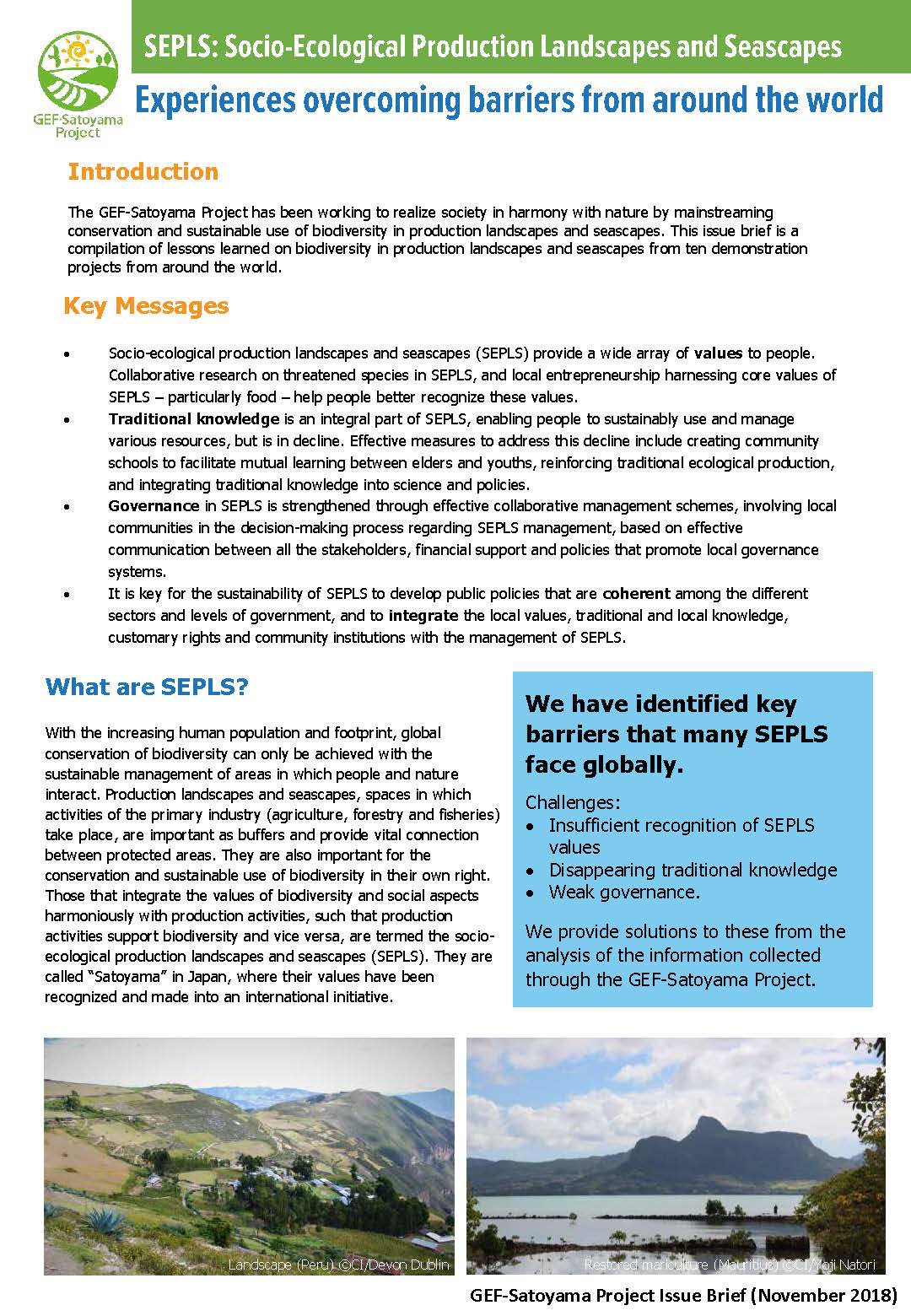
The GEF-Satoyama Project has been working to realize society in harmony with nature by mainstreaming conservation and sustainable use of biodiversity in production landscapes and seascapes. This issue brief is a compilation of lessons learned on biodiversity in production landscapes and seascapes from ten demonstration projects from around the...
Book
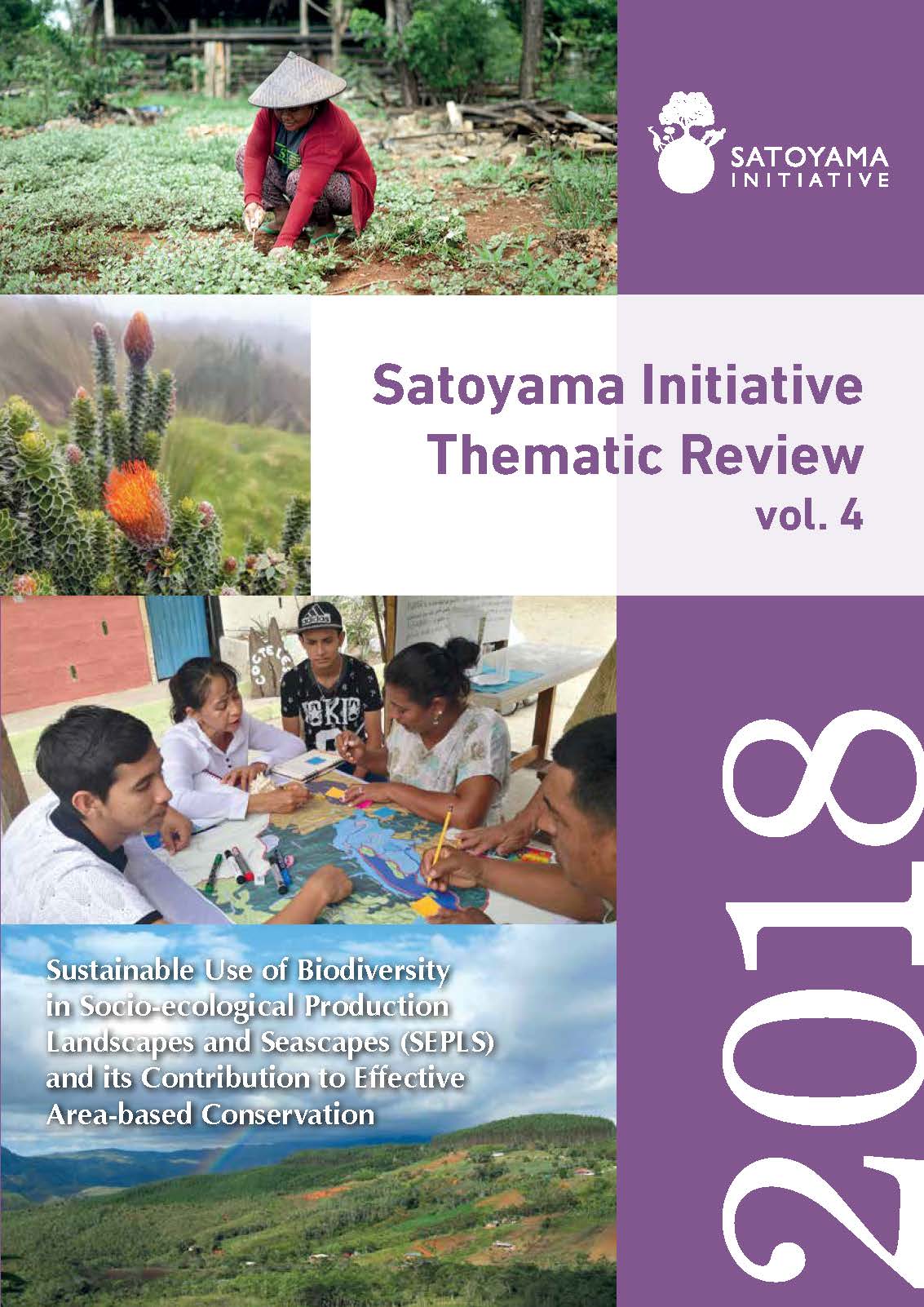
In this volume, we seek to highlight how the sustainable use of biodiversity as practiced in well-managed SEPLS can contribute to effective area-based conservation of biodiversity. The concept of SEPLS includes the idea that integrated and holistic management approaches can have mutual benefits for biodiversity and livelihoods, sustainably...
Policy Report
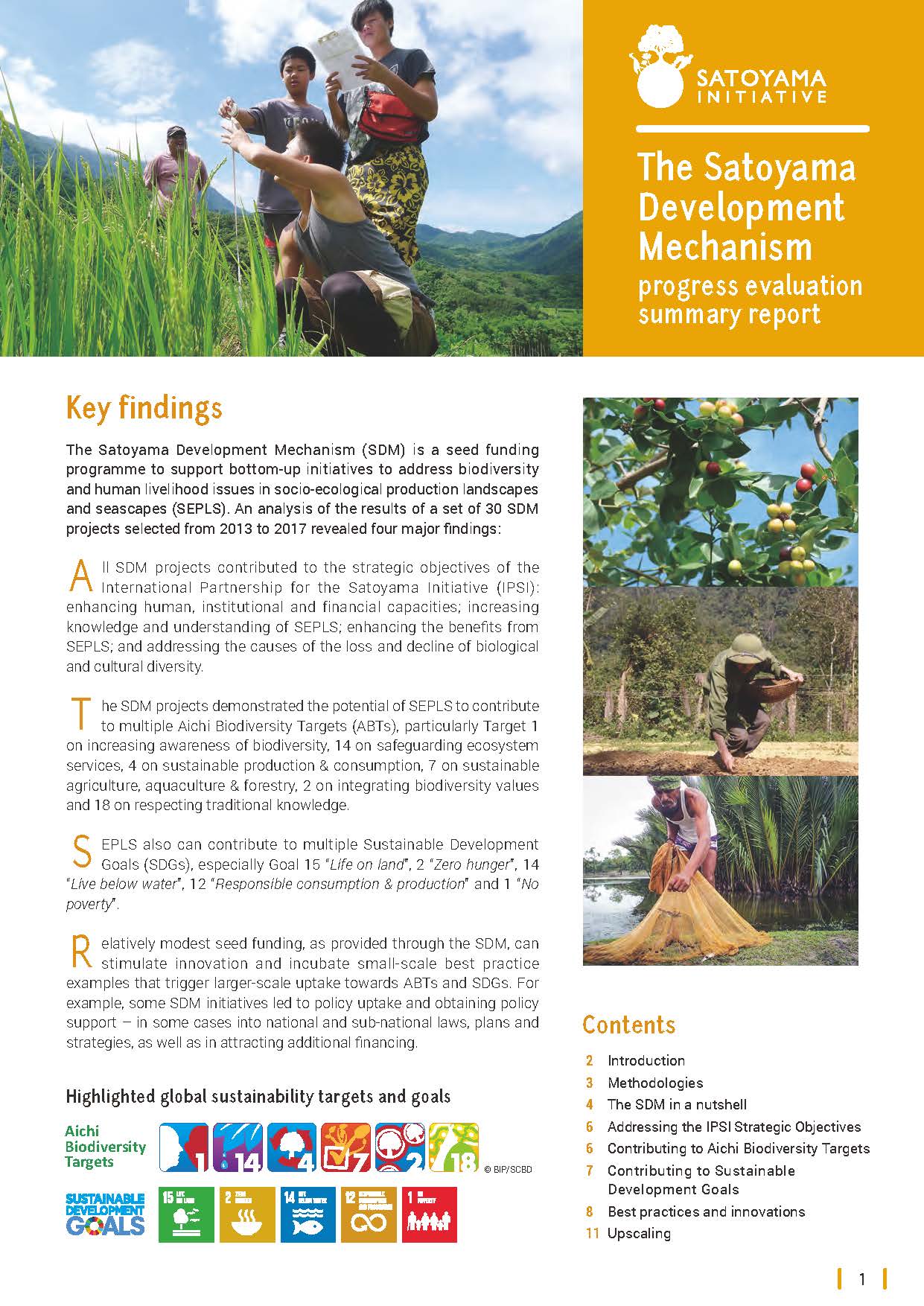
The Satoyama Development Mechanism (SDM) is a seed funding mechanism to encourage IPSI members to develop and accelerate sustainability actions in SEPLS. This report aims to present the SDM projects and their contributions to global goals, for the consideration of policymakers, businesses, researcher institutions, organizations and civil society...
Presentation
Consolidation and replication of effective landscape approaches for biodiversity conservation and human livelihoods: CBD-COP14 Side Event 2812
This presentation was made as one of the three key note presentations in a side event at the Convention on Biological Diversity (CBD) fourteenth meeting of the conference of parties (COP14), entitled "Consolidation and replication of effective landscape approaches for biodiversity conservation and human livelihoods". It demonstrated key facts and...
Presentation
International Conference on Eco-friendly Farming and Farmland Ecology, Taipei
Socio-ecological production landscapes and seascapes (SEPLS) are globally ubiquitous and constitute the fundamental elements in achieving societies in harmony with nature. They, when wisely managed with thoughtful investments, can significantly contribute to the conservation and enhancement of local biodiversity. In this study, we analyse the...
Presentation
GEF-Satoyama Project Consolidation Workshop
The presentation briefed the results of a synthesis of case studies on the ten GEF-Satoyama Projects, focusing on the values, traditional knowledge and governance of socio-ecological production landscapes and seascapes (SEPLS)
Commissioned Report

環境省の請負事業により、ミャンマーの環境影響評価制度・運用実態について、調査を実施し、とりまとめた報告書。ミャンマー環境影響評価手続きに係る基礎情報、国際的な環境影響評価手続き・基準との比較と注意点、環境影響評価の実施実績とこれを取り巻く状況、関連する現地政府機関・国際機関のコンタクト、その他参考資料等が盛り込まれている。
Commissioned Report
環境省の請負事業により、韓国の環境影響評価制度・運用実態について、調査を実施し、とりまとめた報告書。韓国の環境影響評価手続きに係る基礎情報、国際的な環境影響評価手続き・基準との比較と注意点、環境影響評価の実施実績とこれを取り巻く状況、関連する現地政府機関・国際機関のコンタクト、その他参考資料等が盛り込まれている。
Results 1 to 3 of 3 (Sorted by date)
Project
Updated: October 2024
CBD COP16 Special Webpage
The Convention on Biological Diversity The Convention on Biological Diversity (CBD) is a multilateral environmental agreement on: (1) the conservation of biodiversity; (2) the sustainable use of the components of biodiversity; (3) the fair and...
Project
Updated: July 2023
G7 (2023) Special webpage
The G7 Ministers' Meeting on Climate, Energy, and Environment was recently held in Sapporo, Japan, ahead of the G7 Hiroshima Summit on May 19-21. In this special issue, we provide in-depth coverage of the latest updates and insights from th
Project
Updated: December 2022
CBD COP15 Special Webpage
The Convention on Biological Diversity (CBD) is a multilateral environmental agreement on: (1) the conservation of biodiversity; (2) the sustainable use of the components of biological diversity; and (3) the fair and equitable sharing of the benefits