

Deputy Director of the Biodiversity and Ecosystem Services Unit / Senior Research Manager
Research Topics & Areas of Expertise
Biodiversity scinece-policy interfaces, socio-ecological systems, ecosystem services, action research for nature-positive supply chains, action research
Education
- Ph.D. in Environmental Science Development at the Graduate School of Environmental Science, Hokkaido University, 2024;
- MSc in Conservation and Tourism at Durrell Institute of Conservation and Ecology (DICE), University of Kent, England, 2010; and
- BSc in Agrobiology and Bioresources, University of Hokkaido, 2002.
Results 111 to 120 of 182 (Sorted by date)
Book Chapter
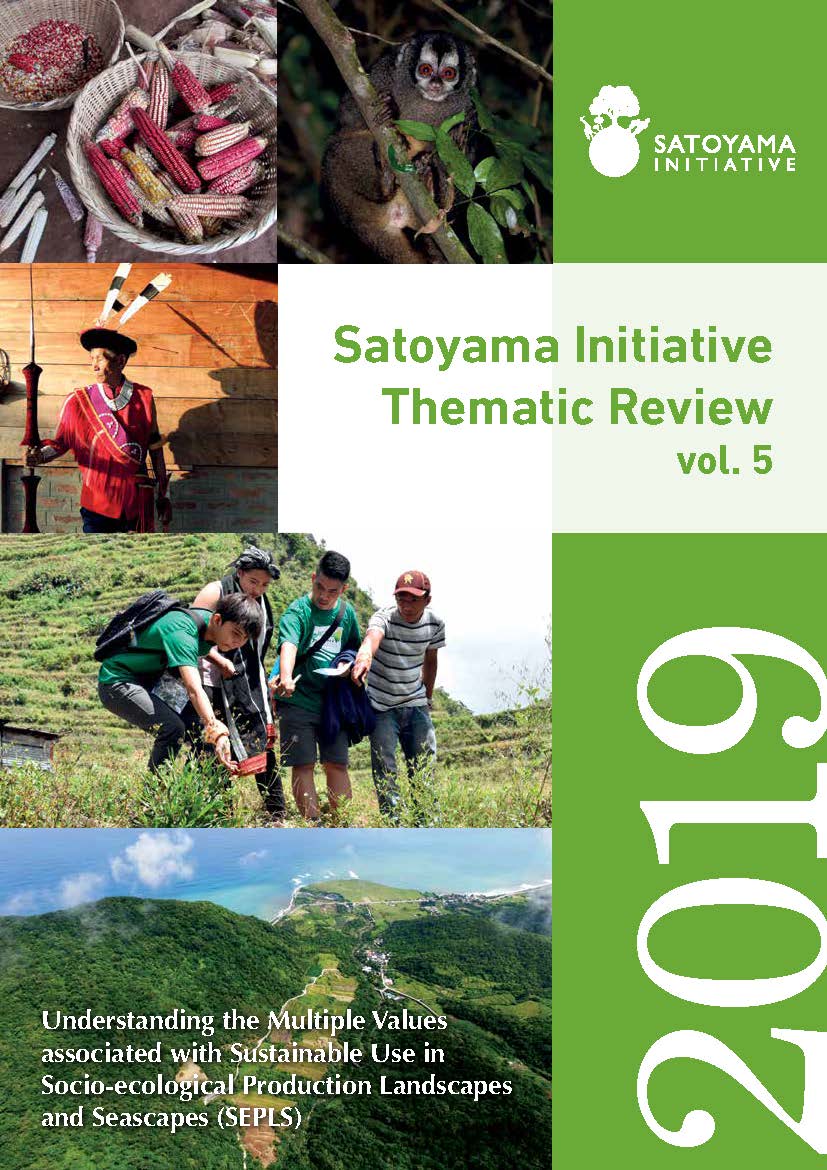
In Satoyama Initiative Thematic Review vol. 5: Understanding the Multiple Values associated with Sustainable Use in Socio-ecological Production Landscapes and Seascapes (SEPLS)
Barachois is a term used to describe a historical seascape in Mauritius, composed of brackish water lagoons enclosed by stone walls traditionally used for fish farming under French rule before 1800. The description includes the patches of mangroves and coastal woodlands surrounding the lagoons. However, these areas are now mostly abandoned and have...
Book
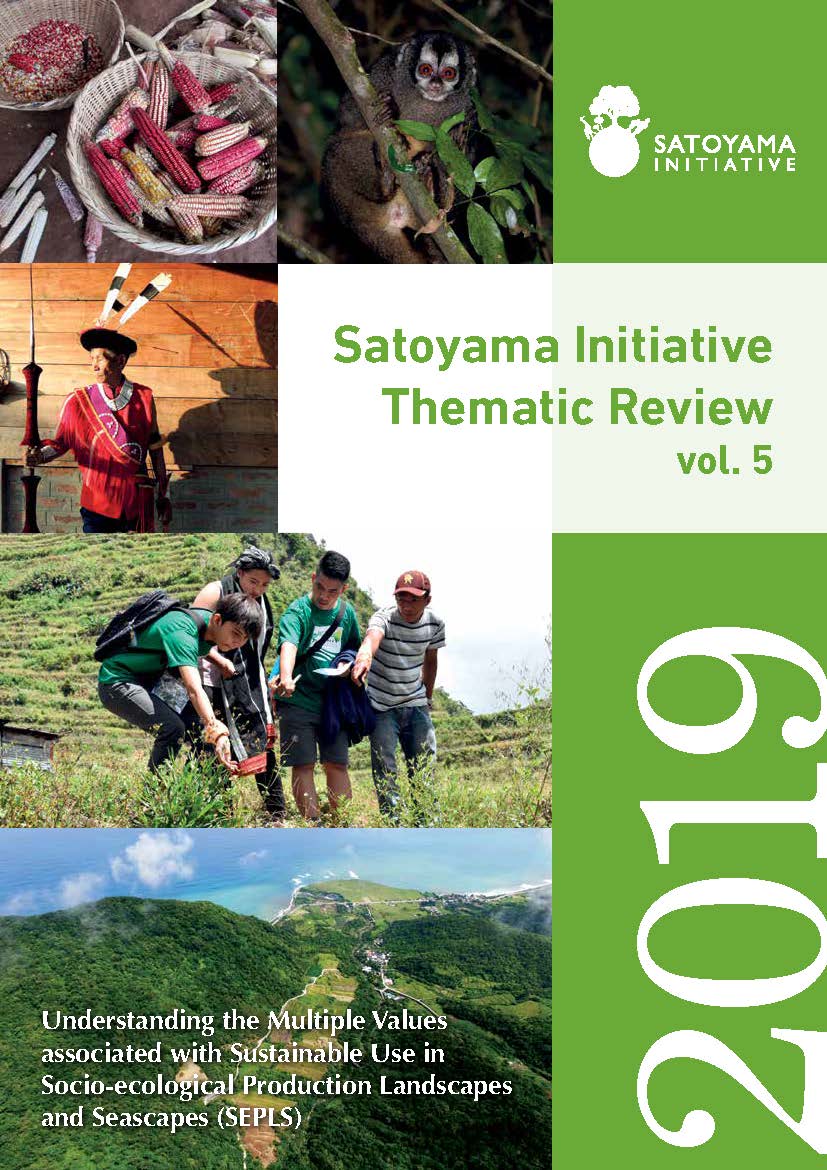
Editor:
In this volume, we seek to contribute to the understanding of how different kinds of values, which have been called “multiple values of nature”, are provided and maintained through sustainable use of biodiversity in socio-ecological production landscapes and seascapes (SEPLS) management. Included here are case studies that demonstrate how...
Peer-reviewed Article
In Environmental Science and Policy
Despite increasing scientific understanding of the global environmental crisis, we struggle to adopt the policies science suggests would be effective. One of the reasons for that is the lack of inclusive engagement and dialogue among a wide range of different actors. Furthermore, there is a lack of consideration of differences between languages...
Peer-reviewed Article
In Sustainability Science
Bioenergy has been promoted in Japan with ambitious targets. However, the incentive schemes excluded renewable heat and overlooked synergies with local forest management, leading to the development of large-scale biomass plants that heavily rely on overseas biomass supplies. This case report discussed an alternative scenario of systems supported...
Technical Report
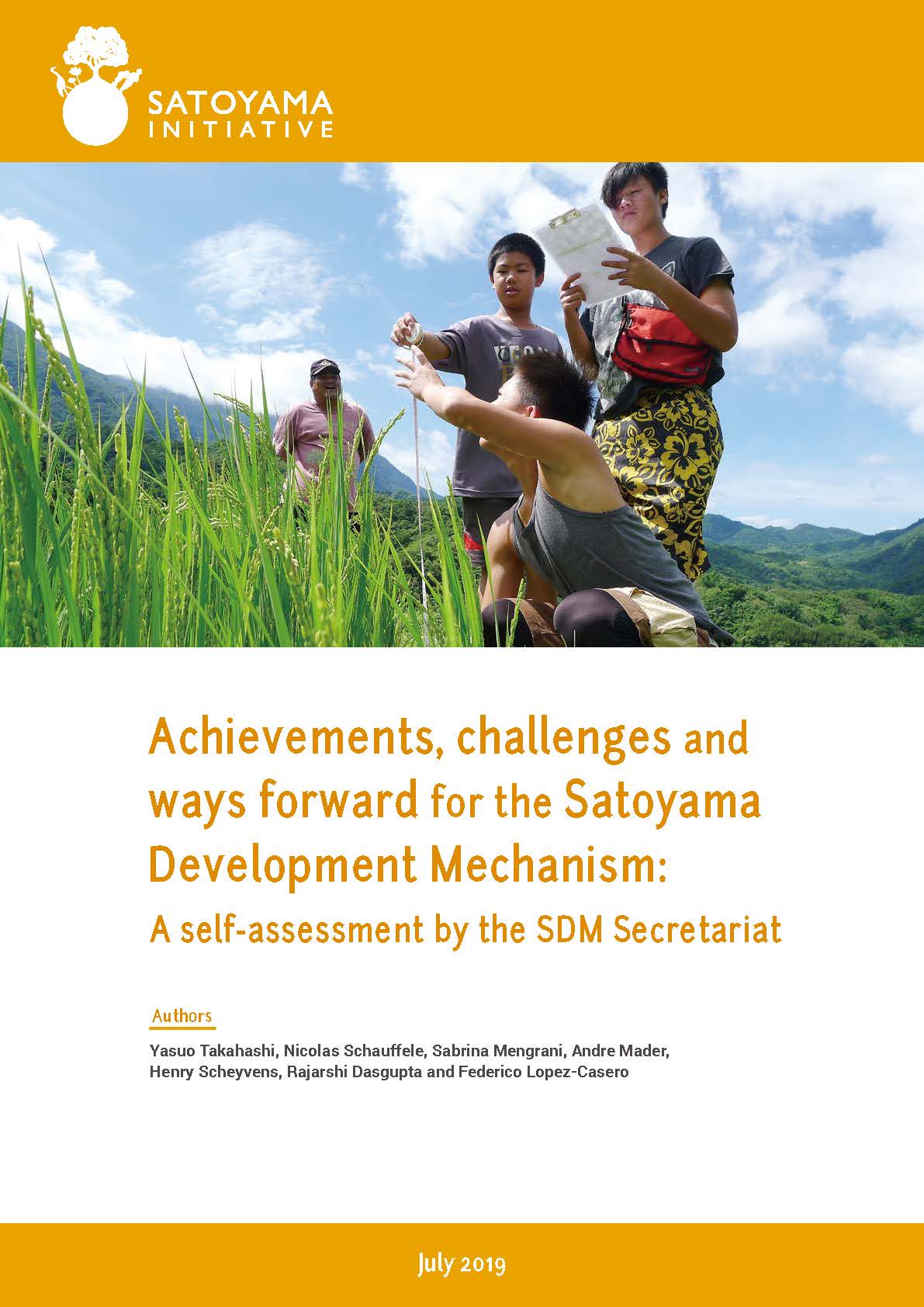
The International Partnership for the Satoyama Initiative (IPSI) is a global network to promote collective efforts for sustainability in socio-ecological production landscapes and seascapes (SEPLS), and thereby to contribute to the realisation of “living in harmony with nature”. The Satoyama Development Mechanism (SDM) is a seed funding programme...
Peer-reviewed Article
In 保全生態学研究(Japanese Journal of Conservation Ecology)
Abstract: Issues related to biodiversity now attract much attention, not only from biologists but also from the wider public. Biodiversity has been recognized to play an important role in a number of social issues, such as disaster prevention and mitigation, social and economic capital and the sustainable use of natural resources. Consequently...
Issue Brief

Socio-ecological production landscapes and seascapes (SEPLS) can contribute to global goals for biodiversity conservation and dealing with climate change, while also contributing locally to human security and wellbeing. SEPLS are, however, under threat around the world. SEPLS have been promoted under the Satoyama Initiative by the International...
Book
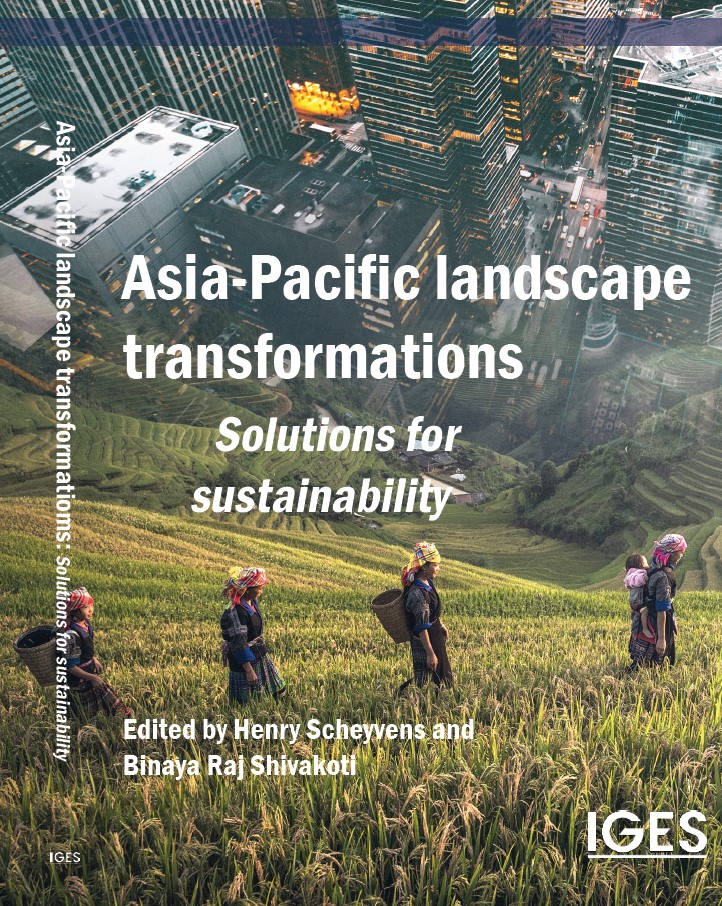
The Asia-Pacific region faces a fundamental dilemma. Over recent decades the region has achieved tremendous economic growth that has lifted millions of its people out of poverty and raised living standards, but in many places the way land is being used to generate this growth is unsustainable. Land has been exploited – growing economies regardless...
Discussion Paper

Ecosystem-based (EB) approaches have been strongly promoted in various international environmental and development processes. As a result, they are gaining increasing attention among development practitioners, policymakers and researchers. A review of G20 national adaptation plans and related strategies revealed that member countries have...
PR, Newsletter or Other
The Satoyama Development Mechanism (SDM) was established in 2013 to promote activities in line with the Strategy and Plan of Action of the International Partnership for Satoyama Initiative (IPSI) through the provision of seed funding to promising projects proposed by IPSI members. Six projects have been selected every year, bringing the total...
Results 1 to 3 of 3 (Sorted by date)
Project
Updated: October 2024
CBD COP16 Special Webpage
The Convention on Biological Diversity The Convention on Biological Diversity (CBD) is a multilateral environmental agreement on: (1) the conservation of biodiversity; (2) the sustainable use of the components of biodiversity; (3) the fair and...
Project
Updated: July 2023
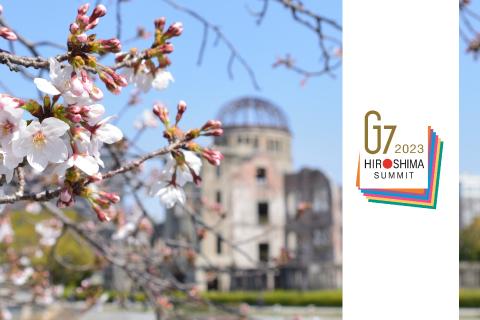
G7 (2023) Special webpage
The G7 Ministers' Meeting on Climate, Energy, and Environment was recently held in Sapporo, Japan, ahead of the G7 Hiroshima Summit on May 19-21. In this special issue, we provide in-depth coverage of the latest updates and insights from th
Project
Updated: December 2022
CBD COP15 Special Webpage
The Convention on Biological Diversity (CBD) is a multilateral environmental agreement on: (1) the conservation of biodiversity; (2) the sustainable use of the components of biological diversity; and (3) the fair and equitable sharing of the benefits