
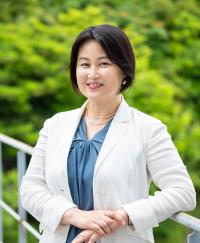
Senior Research Manager
Research Topics & Areas of Expertise
Her current research is mainly on 3R policies and municipal solid waste management, food waste, single-use plastics, and sustainable food consumption and production in Asian countries.
Education
BS / Jul. 1994 Environmental Science of Nankai University, Tianjin, China
MD / Mar. 1998 Human and Environmental Studies of Kyoto University, Kyoto, Japan
PhD / Mar. 2001 Biosphere Informatics of Kyoto University, Kyoto, Japan
Results 31 to 40 of 122 (Sorted by date)
Conference Paper

This study is based on the author’s previous research carried out in Bangkok before the COVID outbreak and after the COVID outbreak, and in Hanoi for both the FW issue and single-use plastic issue to provide a comparative analysis of challenges and opportunities for household food and plastic waste reduction.
Conference Paper
The 2nd ERIA’s Experts Working Group on Marine Plastic Debris
This is a scoping paper to frame the study to assess current state and changing patterns of usages, consumption as well as regulation on single use plastics which is triggered or accelerated by COVID-19 pandemic. The study aims to reveal changing consumption patterns of single use plastics through case-studies in selected cities. The study tries to...
Policy Report
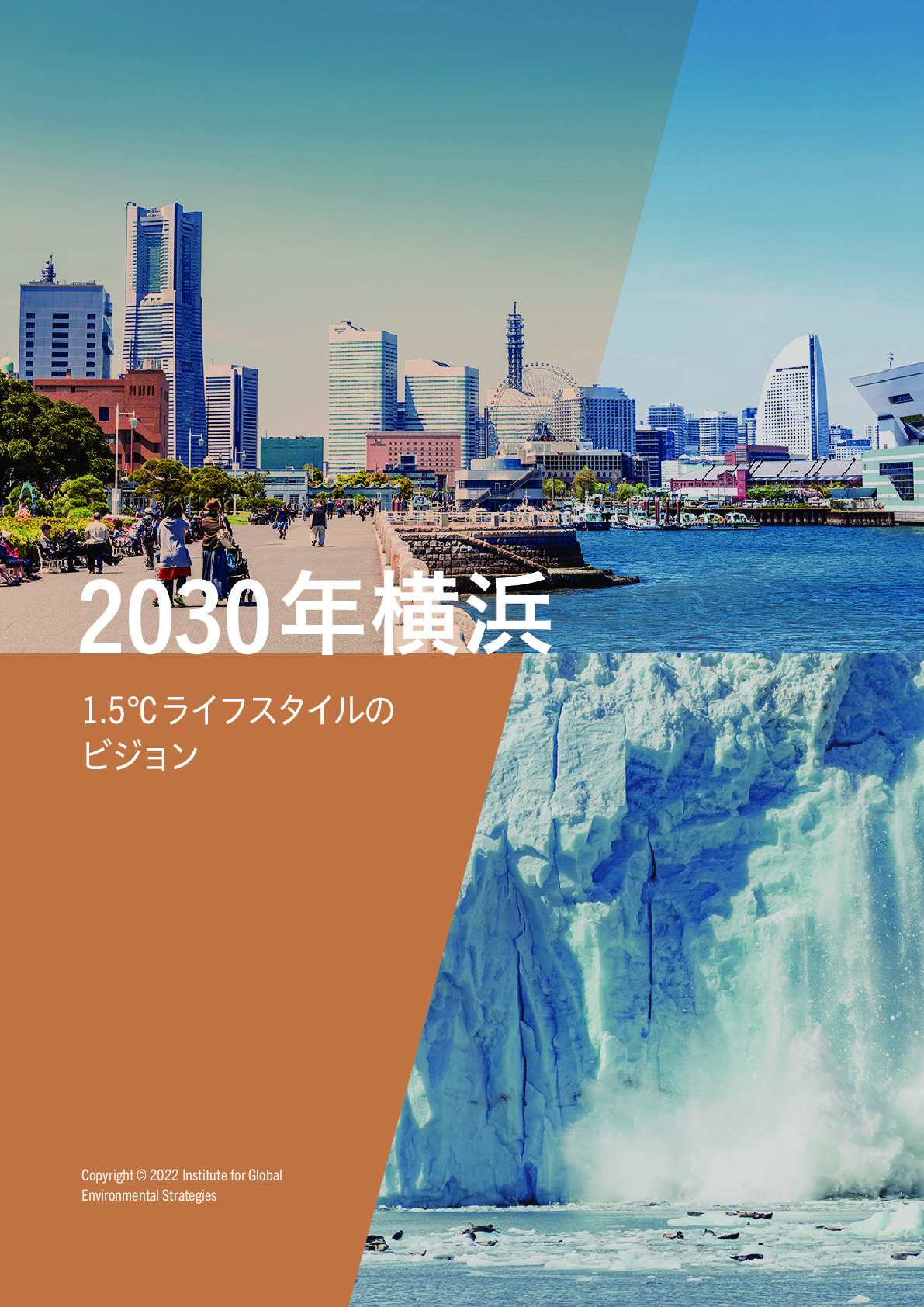
地球温暖化を産業革命前の水準から1.5°C以内に抑えるには、一人あたりのカーボンフットプリントを世界平均で現在の4.6tCO2e/年から2030年には2.5tCO2e/ 年に削減する必要がある1。住宅、食、移動、製品の購入、サービス利用、レジャーの分野における消費量とエネルギー原単位の分析から、横浜市に暮らす人々の暮らしに関わる平均的なカーボンフットプリントは7.1tCO2e/ 年であることがわかった。これは日本の全国平均(7.1tCO2e/ 年)と同等の水準であり世界平均(4.6tCO2e/ 年)よりは多い。7.1tCO2eから2.5tCO2eへのカーボンフットプリントの削減は、供 給(生産)側と需要(消費)側の対策を組み合わせることで初めて可能となる...
Policy Report
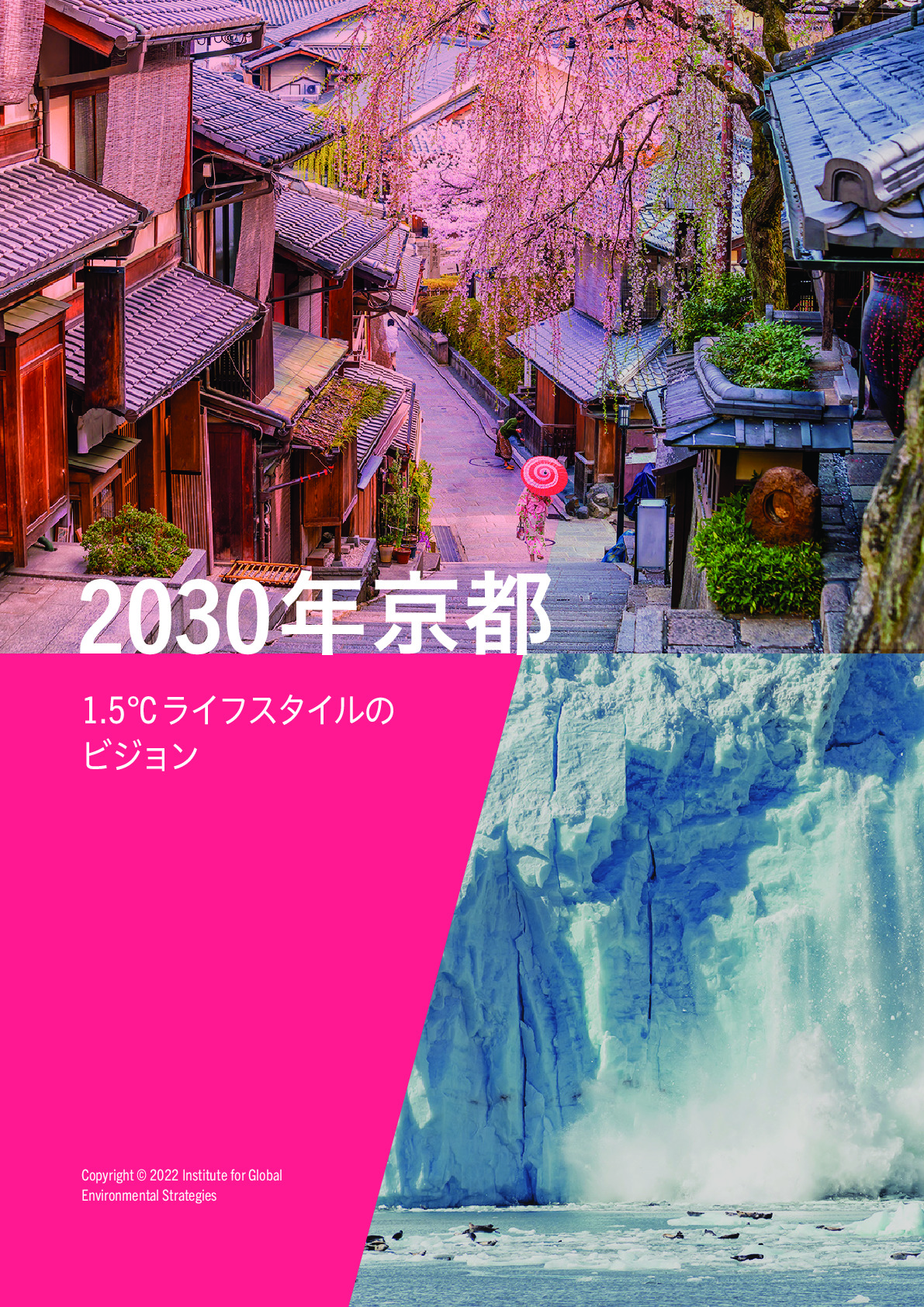
地球温暖化を産業革命前の水準から1.5°C以内に抑えるには、一人あたりのカーボンフットプリントを世界平均で現在の4.6tCO2e/年から2030年には2.5tCO2e/ 年に削減する必要がある。住宅、食、移動、製品の購入、サービス利用、レジャーの分野における消費量とエネルギー原単位の分析から、京都市に暮らす人々の暮らしに関わる平均的なカーボンフットプリントは7.0tCO2e/ 年であることがわかった。これは日本の全国平均(7.1tCO2e/ 年)よりやや低い水準であるが世界平均(4.6tCO2e/ 年)よりは多い。 7.0tCO2eから2.5tCO2eへのカーボンフットプリントの削減は、供給(生産)側と需要(消費)側の対策を組み合わせることで初めて可能となる...
Peer-reviewed Article
In World Food Policy
This article asks how to achieve food waste prevention in Asia from a governance perspective by looking at Japan, Thailand, and Vietnam as case studies. Aligning stakeholders behind preventive measures on food waste requires a context-appropriate mix of hierarchical, market, and network modes of governance. This article analyzes current food waste...
PR, Newsletter or Other

The '1.5-Degree Lifestyles Magazine' shares stories about everyday sustainable living. It is part of the ‘Envisioning Future Low-Carbon Lifestyles and Transitioning Instruments’ project, 2019-2021. This demonstration project is implemented under the United Nations’ One Planet network and funded by the Government of Japan through its contribution to...
Keywords:
Policy Brief
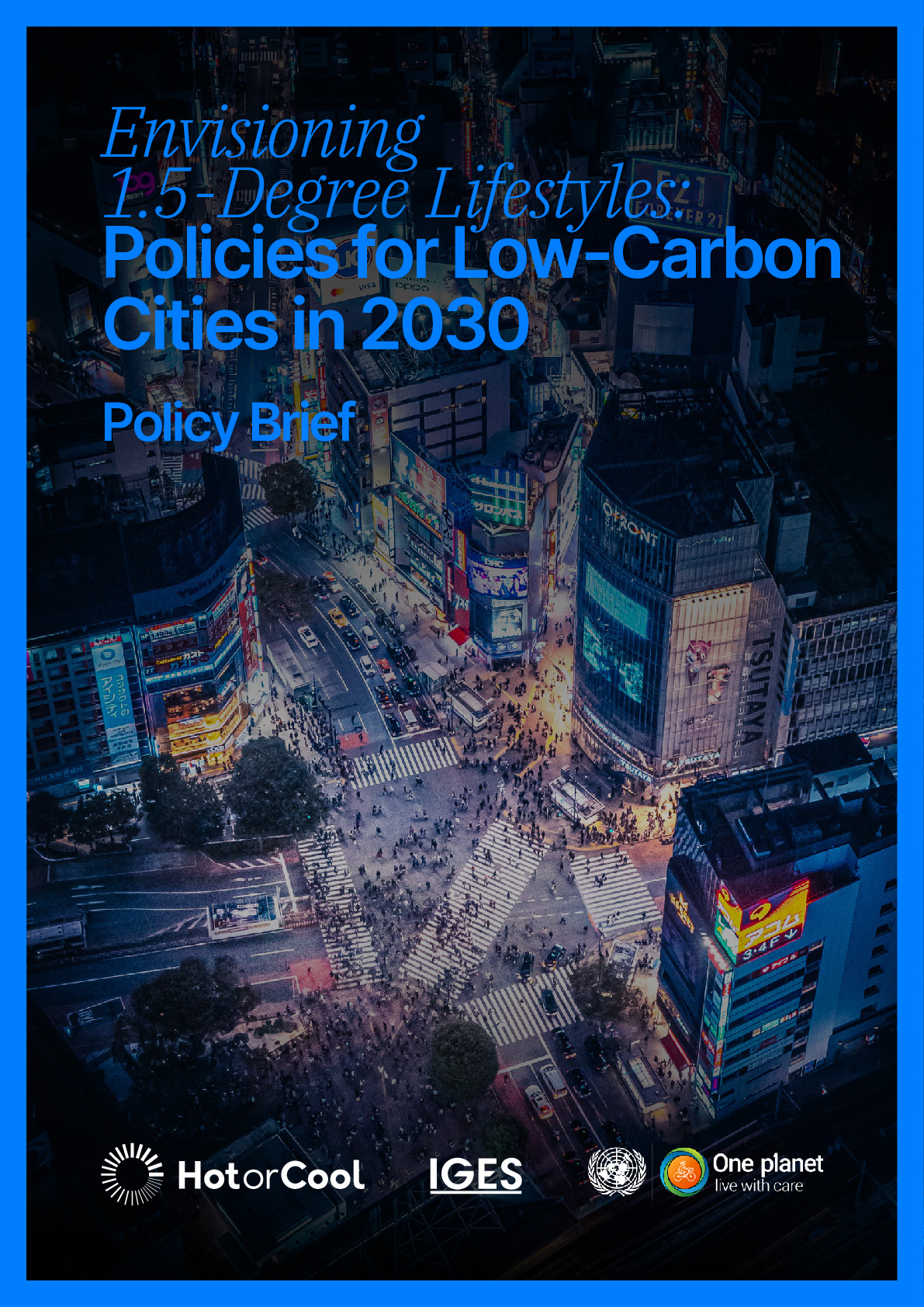
The concept of 1.5-degree lifestyles involves changes in household consumption for achieving levels of per person carbon footprint compatible with the 1.5°C target of the Paris Agreement (IPCC, 2018). This requires, on average, emitting the equivalent of 2.5 tons of CO₂ per person per year by 2030, and 0.7 tons of CO₂ per person per year by 2050...
Policy Report
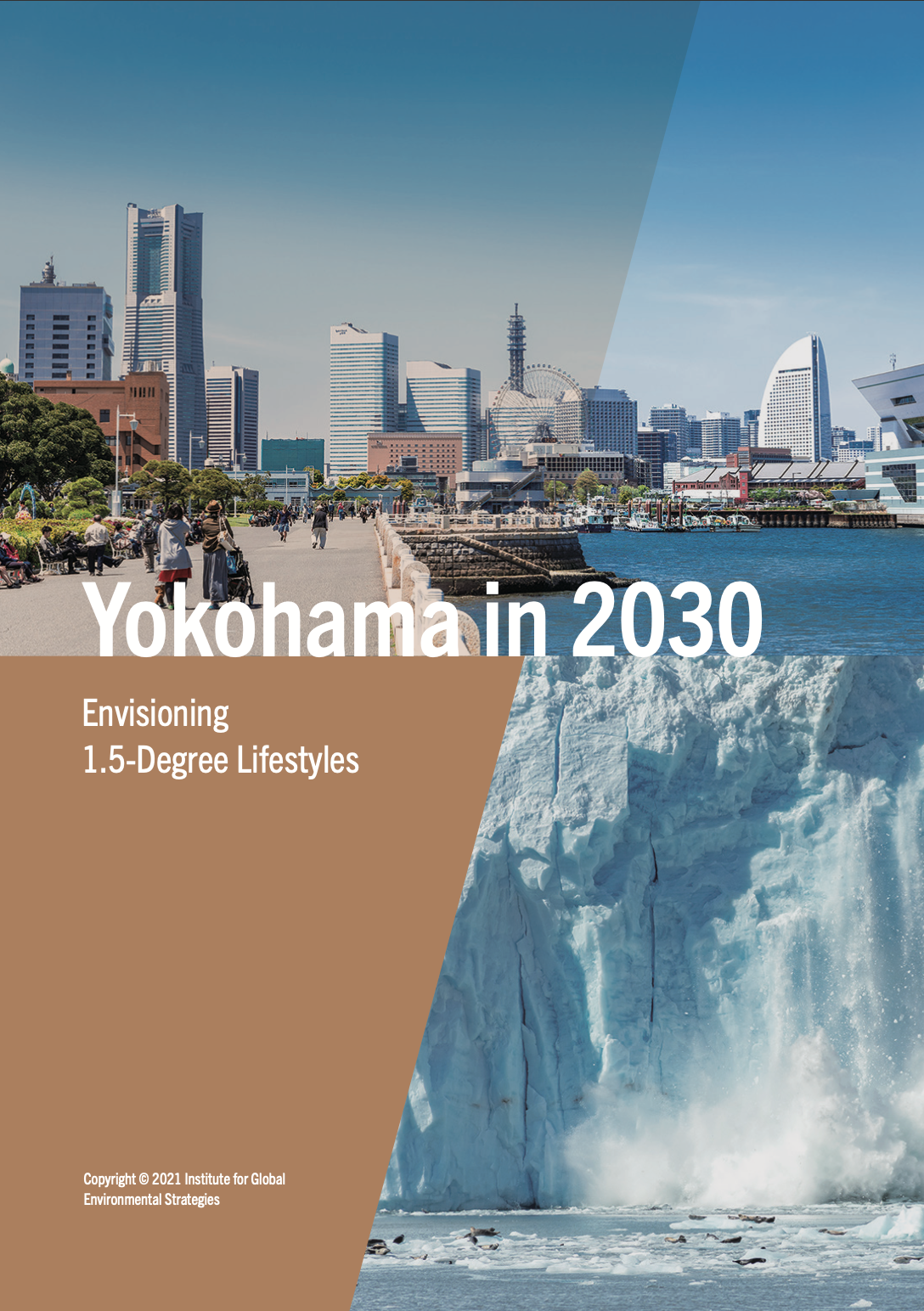
'Yokohama in 2030: Envisioning 1.5-Degree Lifestyles' shares findings of the ‘Envisioning Future Low-Carbon Lifestyles and Transitioning Instruments’ demonstration project, 2019-2021. This project was implemented under the United Nations’ One Planet network and funded by the Government of Japan through its contribution to the 10YFP Trust Fund...
Keywords:
Policy Report
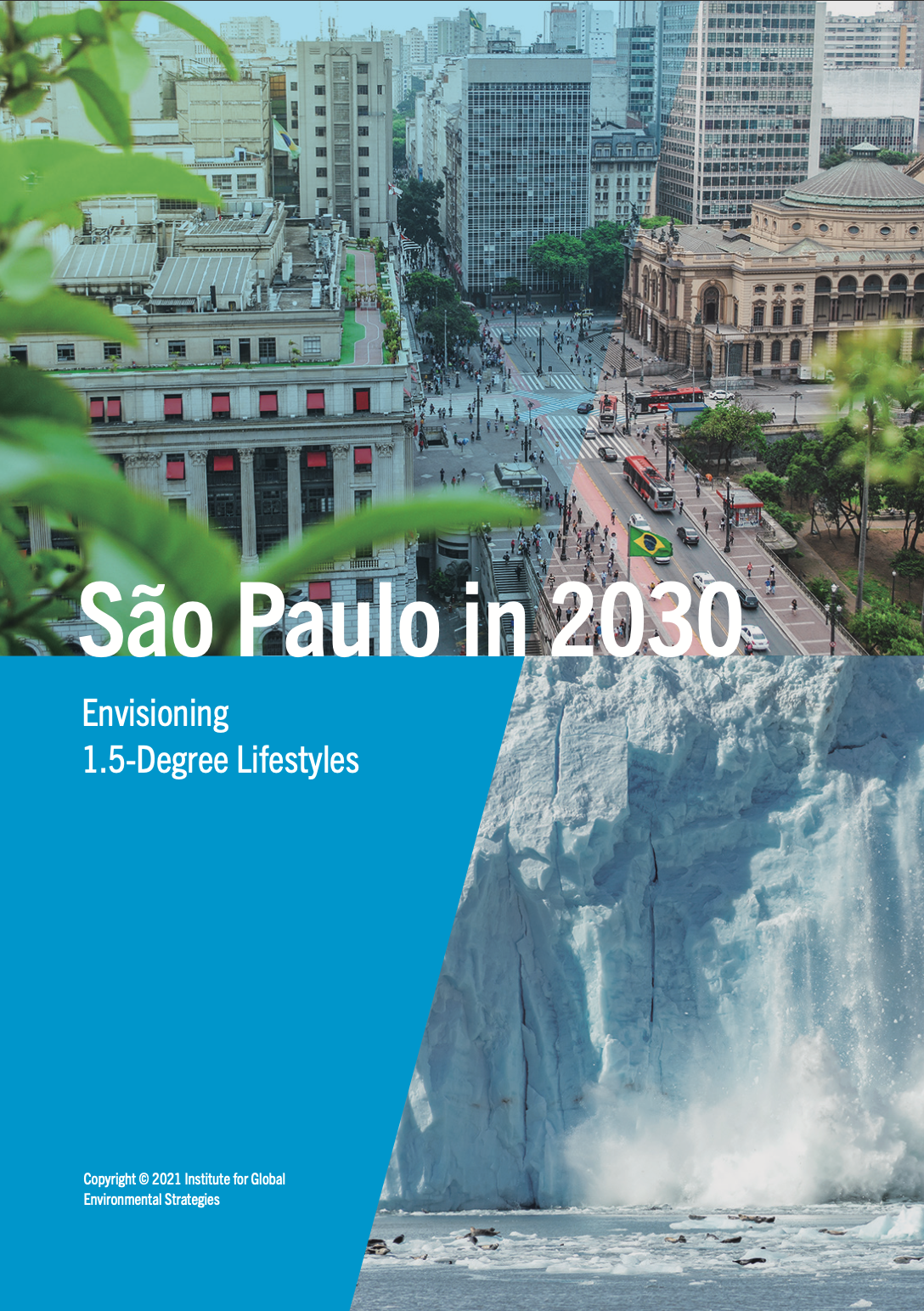
'Sao Paulo in 2030: Envisioning 1.5-Degree Lifestyles' shares findings of the ‘Envisioning Future Low-Carbon Lifestyles and Transitioning Instruments’ demonstration project, 2019-2021. This project was implemented under the United Nations’ One Planet network and funded by the Government of Japan through its contribution to the 10YFP Trust Fund...
Keywords:
Policy Report
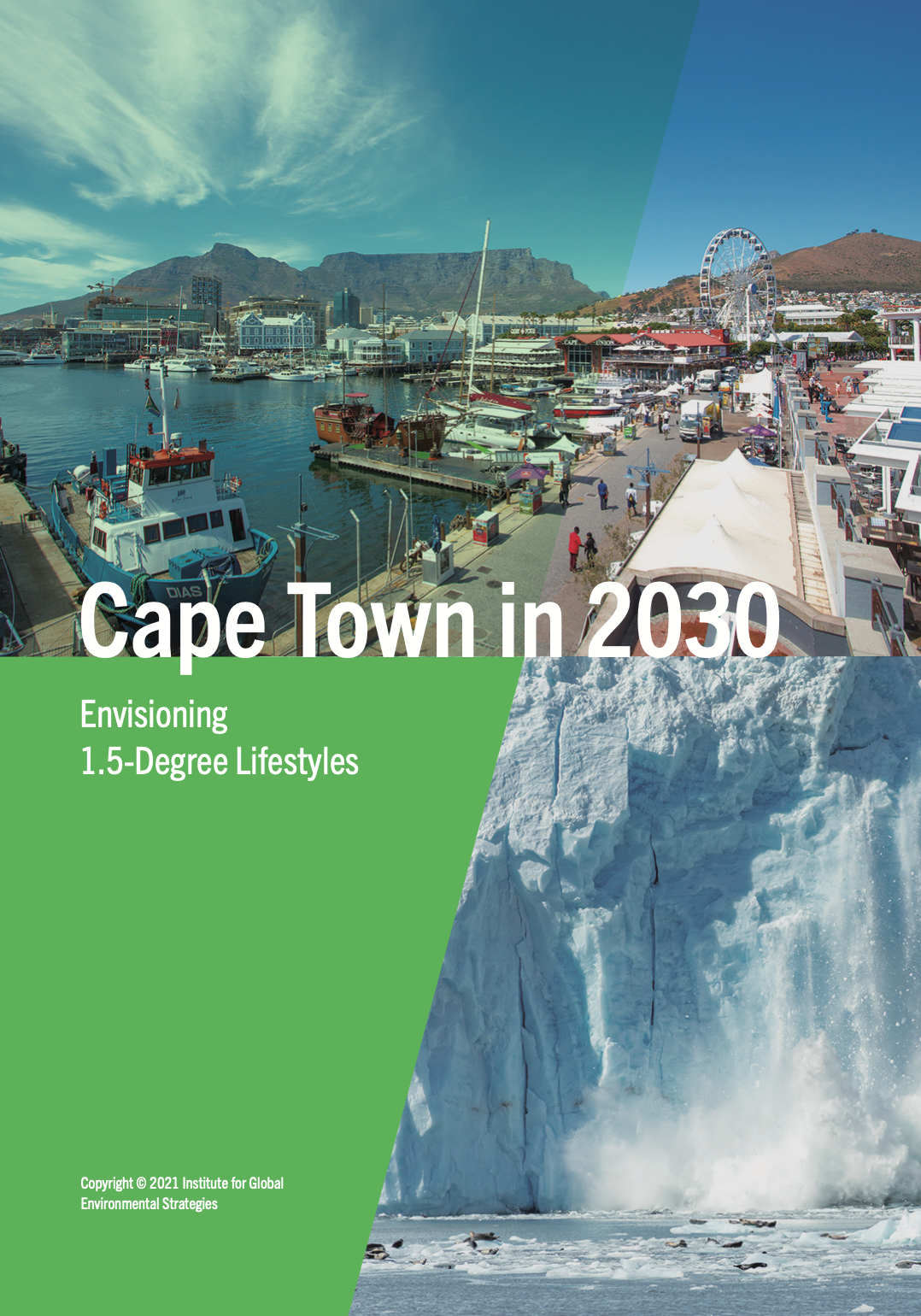
'Cape Town in 2030: Envisioning 1.5-Degree Lifestyles' shares findings of the ‘Envisioning Future Low-Carbon Lifestyles and Transitioning Instruments’ demonstration project, 2019-2021. This project was implemented under the United Nations’ One Planet network and funded by the Government of Japan through its contribution to the 10YFP Trust Fund...
Keywords:
Results 1 to 1 of 1 (Sorted by date)
Project
Updated: March 2026
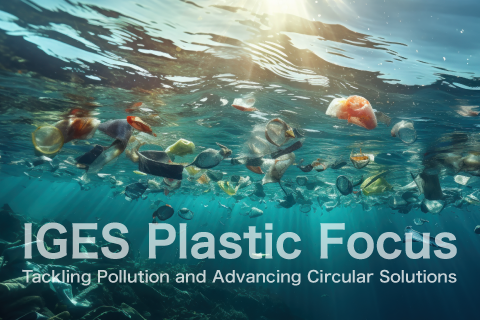
IGES Plastic Focus: Tackling Pollution and Advancing Circular Solutions
This special webpage highlights global developments in addressing plastic pollution, focusing on the growing importance of the circular economy as a solution. It also showcases IGES contributions to this agenda, including its environmental policy...