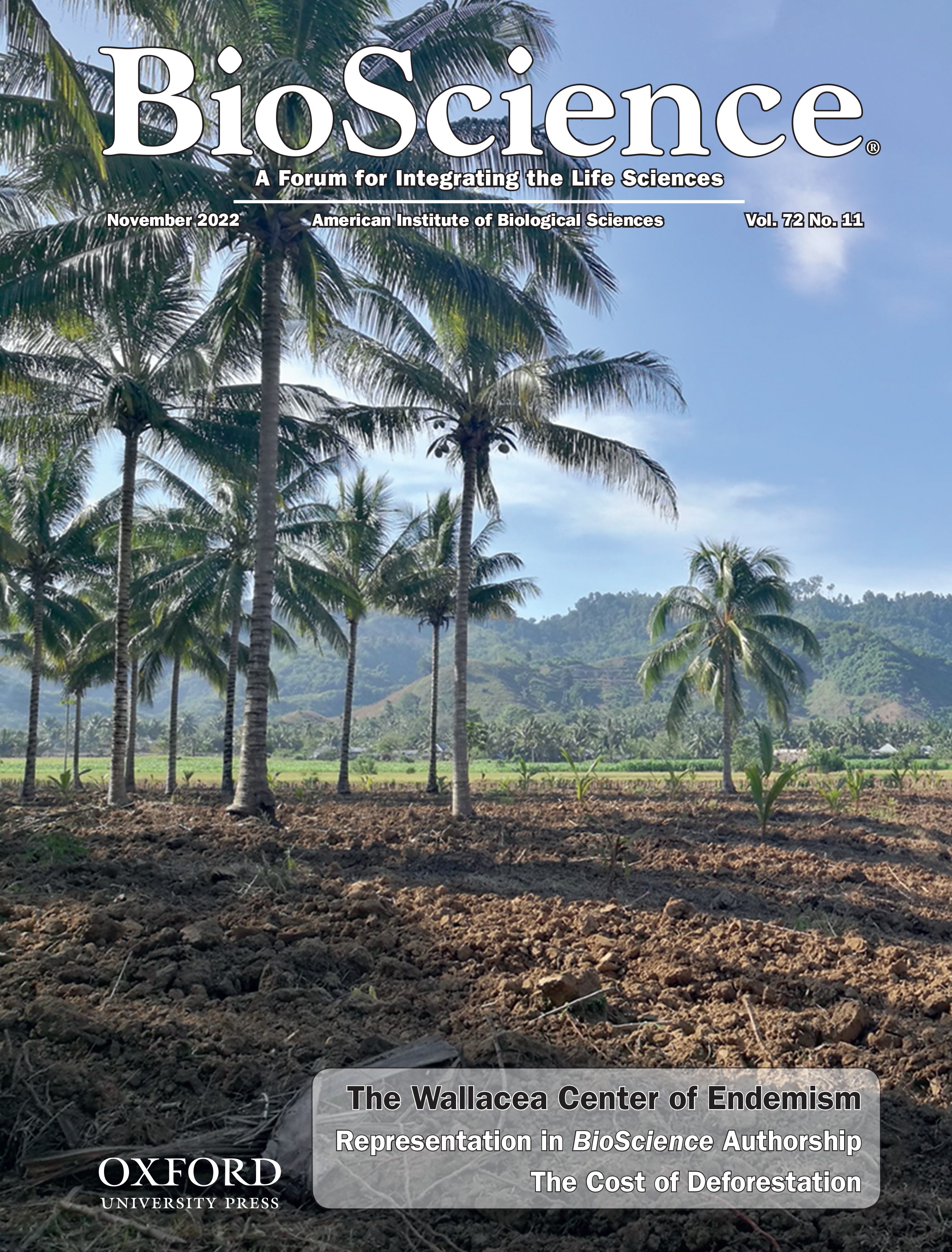
Effective policies to halt biodiversity loss require knowing which anthropogenic drivers are the most important direct causes. Whereas previous knowledge has been limited in scope and rigor, here we statistically synthesize empirical comparisons of recent driver impacts found through a wide-ranging review. We show that land/sea use change has been...
A hallmark of the media publicity surrounding COVID-19 has been the message that land change causes zoonotic diseases to spill over from wild animals to humans. The secondary peer-reviewed literature sends a similar message. However, as indicated in the primary peer-reviewed literature, the complexity of interacting variables involved in zoonotic...
Asia’s growing vulnerability to a warming climate and significant share of greenhouse gas (GHG) makes achieving a net zero future a development imperative in the region. But what steps will countries in Asia need to take to make such a future...
The sound management of healthcare waste (HCW) has been receiving increasing global attention, now even more so given the urgency of the COVID-19 pandemic. Uncontrolled fluctuations in generation quantities, the composition of HCW as well as the significant impacts it poses on public health and the environment require a more dynamic and cohesive...
*Please note that internet connection may be unstable due to connectivity issues at the venue. We appreciate your understanding. As climate change deepens, its impacts are becoming increasingly severe. Cooperation among diverse actors is essential...
Detailed Land-Use and Land-Cover (LULC) information is of pivotal importance in, e.g., urban/rural planning, disaster management, and climate change adaptation. Recently, Deep Learning (DL) has emerged as a paradigm shift for LULC classification. To date, little research has focused on using DL methods for LULC mapping in semi-arid regions, and...
The objective of this Guideline is to provide a systems approach to sustainable consumption and production (SCP) in the seafood sector in Vietnam that considers all stages of the production chain. SCP is conceived as a crucial framework for achieving the social and economic benefits, and minimizing the environmental burden, of Vietnam’s seafood...