Avoiding disasters is an interesting and helpful idea to understand where we have made progress in risk reduction and where we can make further inroads. This presentation looks at the idea of avoiding disasters deeply and discusses the needed approaches to quantify and bring evidence to the front. It proposes that while evidence on avoiding...
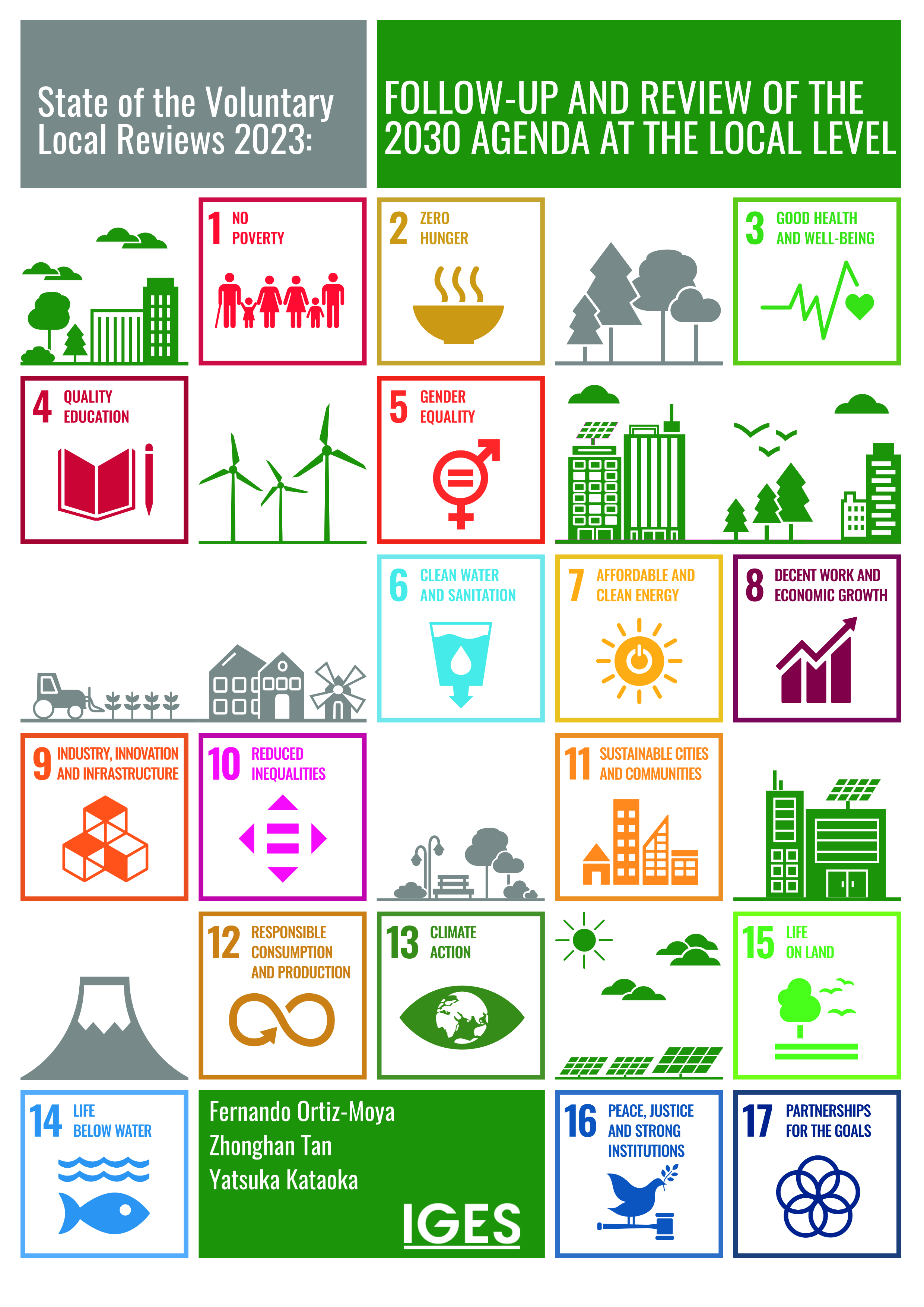
Halfway to the 2030 deadline, humanity is clearly off-track on the Global Goals. Achieving the Sustainable Development Goals (SDGs) proposed in the 2030 Agenda for Sustainable Development remains a significant challenge for society. Numerous and compounding crises—including coping with the aftermath of the COVID-19 pandemic, ongoing armed...
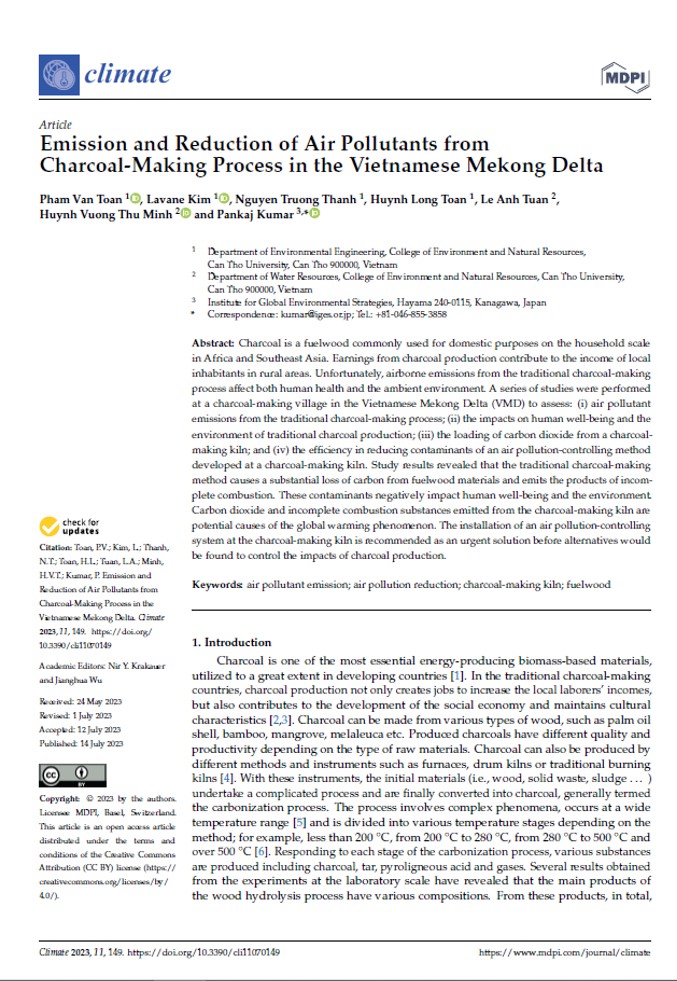
Charcoal is a fuelwood commonly used for domestic purposes on the household scale in Africa and Southeast Asia. Earnings from charcoal production contribute to the income of local inhabitants in rural areas. Unfortunately, airborne emissions from the traditional charcoal-making process affect both human health and the ambient environment. A series...
This event was organised as part of IGES-CCET’s collaboration with ADB on improving waste management and the circular economy in Asia and the Pacific. This online course was a capacity-building programme for Asian Development Bank (ADB) personnel and technical staff that aimed to provide them with the planning knowledge and skills needed to perform...
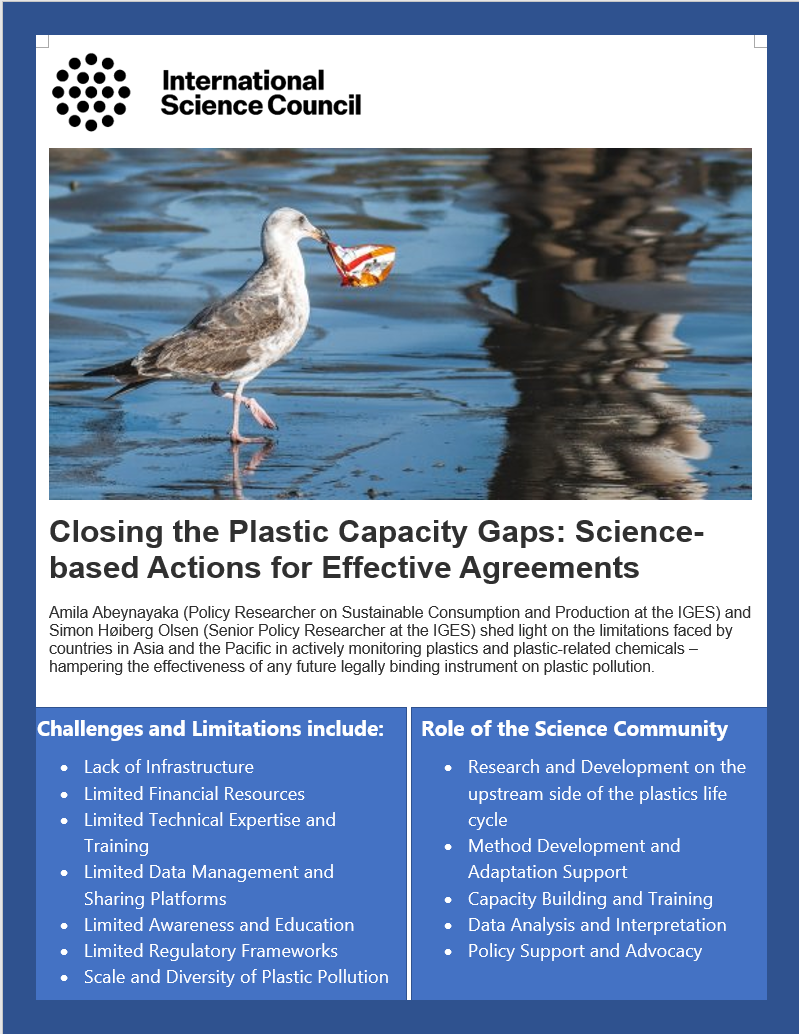
Amila Abeynayaka (Policy Researcher on Sustainable Consumption and Production at the IGES) and Simon Høiberg Olsen (Senior Policy Researcher at the IGES) shed light on the limitations faced by countries in Asia and the Pacific in actively monitoring plastics and plastic-related chemicals – hampering the effectiveness of any future legally binding...
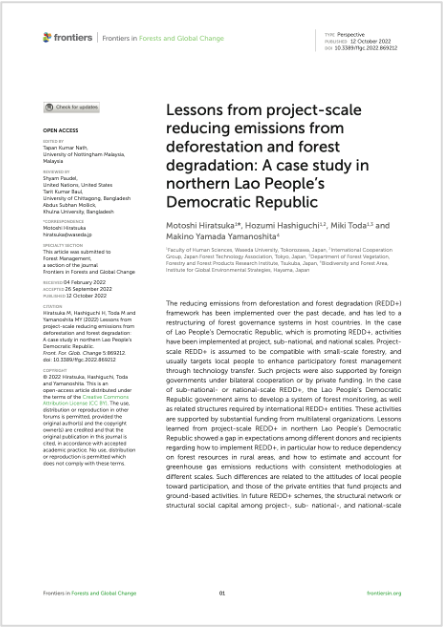
Reducing emissions from deforestation and forest degradation (REDD+) has been implemented over the past decade, and has led to a restructuring of forest governance systems in host countries. In the case of the Lao People’s Democratic Republic, which is promoting REDD+, activities have been implemented at national, sub-national and project scales...
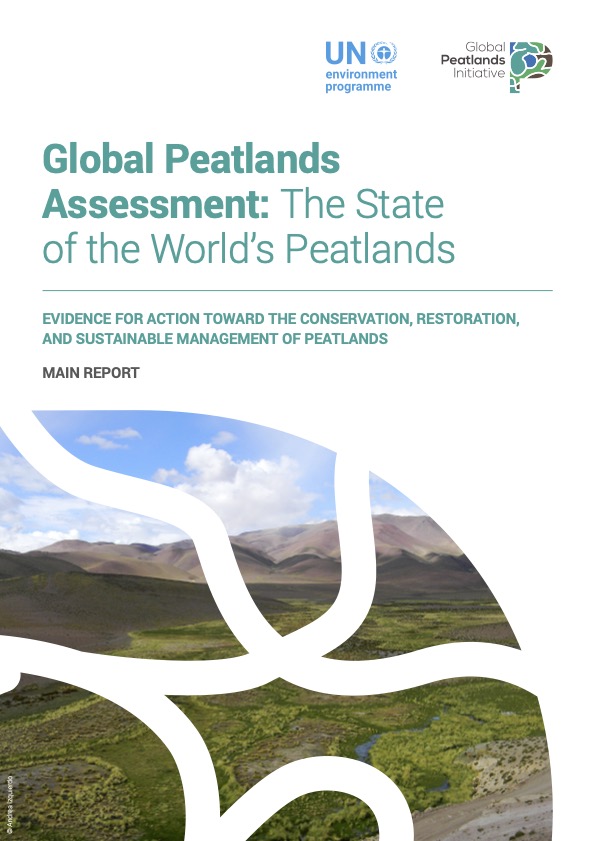
Peatlands are unique and rare ecosystems that, despite only covering around 3-4% of the planet’s land surface, they contain up to one-third of the world’s soil carbon, which is twice the amount of carbon as found in the world’s forests. Keeping this carbon locked away is absolutely critical to achieving global climate goals. However, about 12% of...