
Results 1531 - 1540 of 5565 (Sorted by date)
Presentation

The Durban Forum on capacity-building was established in 2011 under the SBI to further enhance the monitoring and review of the effectiveness of capacity-building under the Convention. This year's Forum tackled the issue of Capacity-building to support the Enhanced Transparency Framework – ensuring coherence and coordination of actions and support...
Peer-reviewed Article
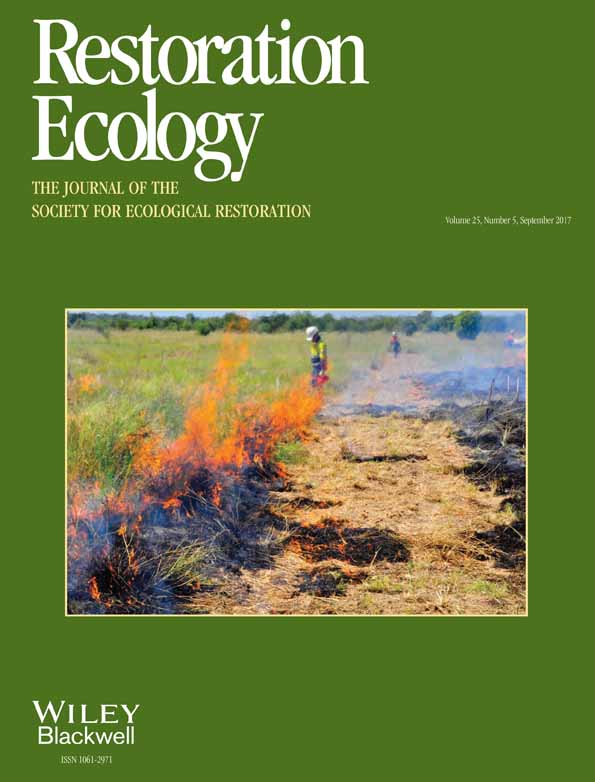
In Restoration Ecology
Sustainable land restoration is the key to restore degraded land, halt biodiversity loss, and reinstate ecosystem services for human well‐being. Restoration needs to be planned and conducted with due recognition to growing climate uncertainty with an evolved understanding of the future restoration targets. Present opinion article attempts to...
Research Report
This report, which focuses on innovation, is the third by The World in 2050 (TWI2050) initiative that was established by the International Institute for Applied Systems Analysis (IIASA) and other partners to provide scientific foundations for the UN’s 2030 Agenda for Sustainable Development. In 2018, the first report by TWI2050 on Transformations...
Peer-reviewed Article
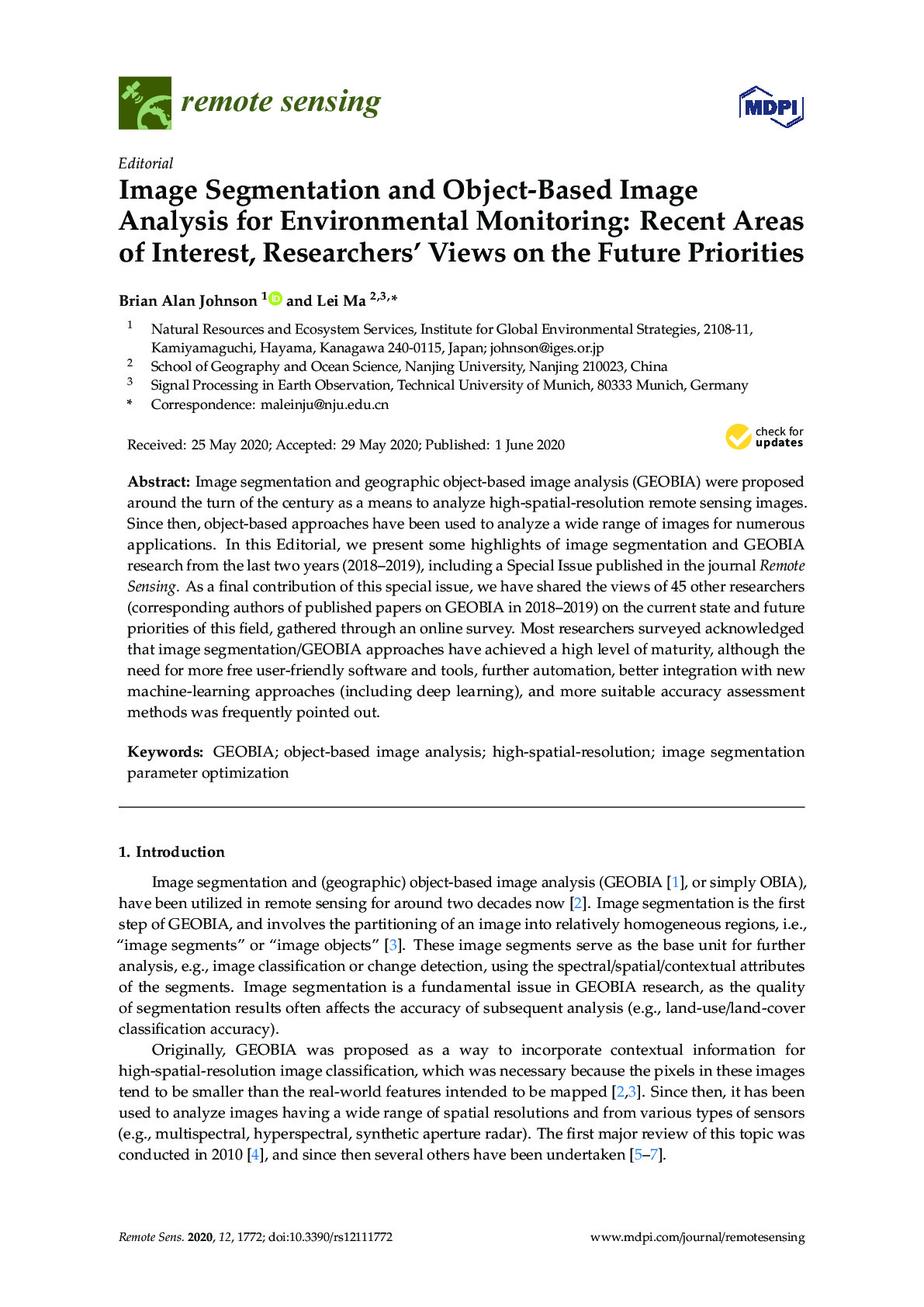
In Remote Sensing
Image segmentation and geographic object-based image analysis (GEOBIA) were proposed around the turn of the century as a means to analyze high-spatial-resolution remote sensing images. Since then, object-based approaches have been used to analyze a wide range of images for numerous applications. In this Editorial, we present some highlights of...
Peer-reviewed Article
In Remote Sensing
Land use/land cover (LULC) maps are now being used across disciplines for many different types of applications, e.g., to analyze urban heat islands or rainfall-runoff dynamics. Traditional map accuracy metrics are limited in this regard, as they only assess LULC map thematic accuracy. In reality, some types of misclassification lead to larger...
Fact Sheet
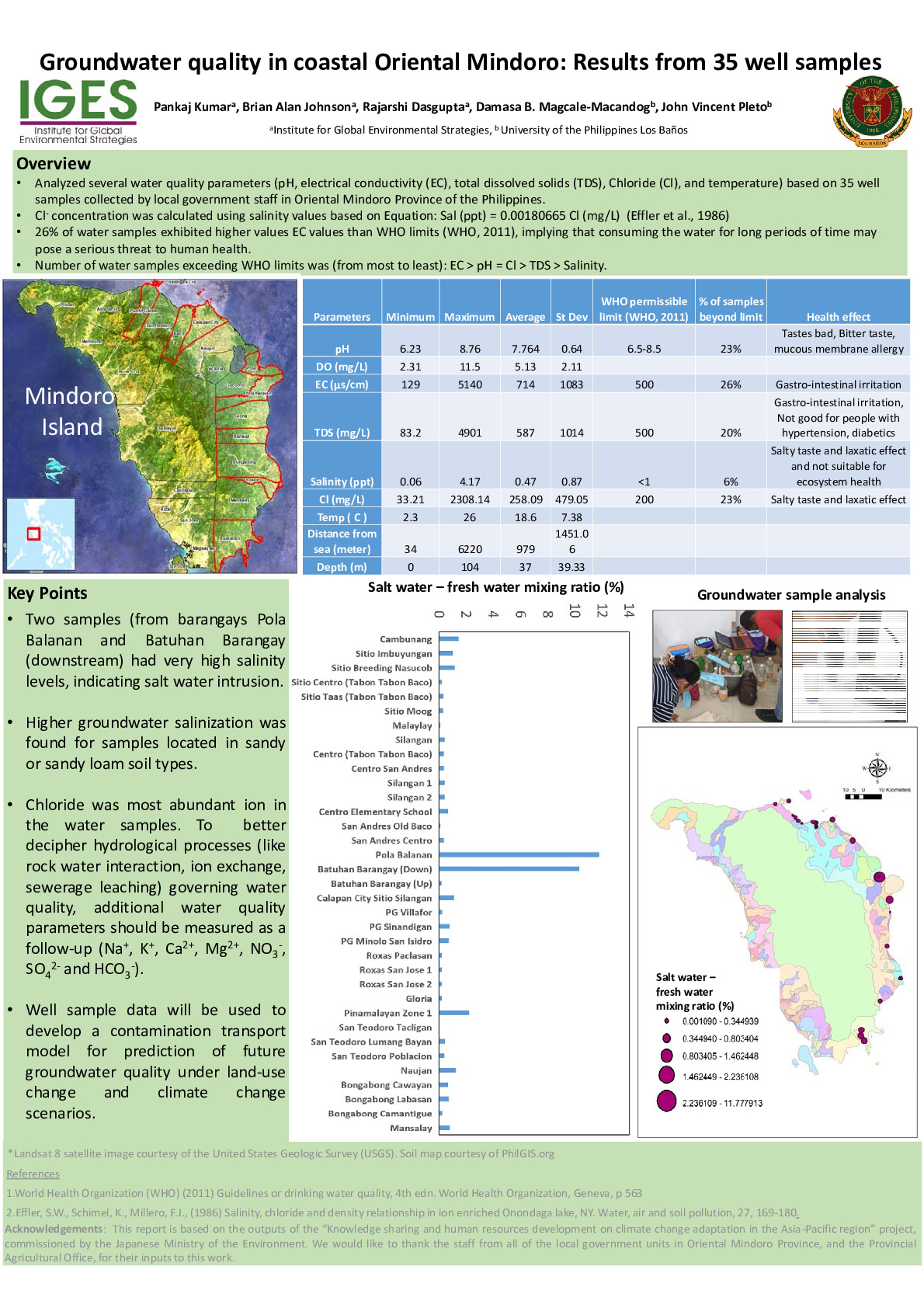
Key point Analyzed several water quality parameters (pH, electrical conductivity (EC), total dissolved solids (TDS), Chloride (Cl), and temperature) based on 35 well samples collected by local government staff in Oriental Mindoro Province of the Philippines. Cl- concentration was calculated using salinity values based on Equation: Sal (ppt) = 0...
Submission to Policy Process
With a population of 250 million, Indonesia is the fourth most populous country and second-largest plastic polluter in the world after China. The country produces 3.2 million tonnes of un-managed plastic waste a year, of which about 1.29 million tonnes ends up in the marine environment. In addition, approximately 10 billion plastic carry bags...
Peer-reviewed Article
In Environmental Science and Policy
Effective management of invasive alien species (IAS) requires comprehensive stakeholder engagement and a clear understanding of how people interact with these species. Such interactions are particularly complex in socio-ecological production landscapes and seascapes (SEPLS), where local communities and their environment are highly inter-dependent...
Submission to Policy Process
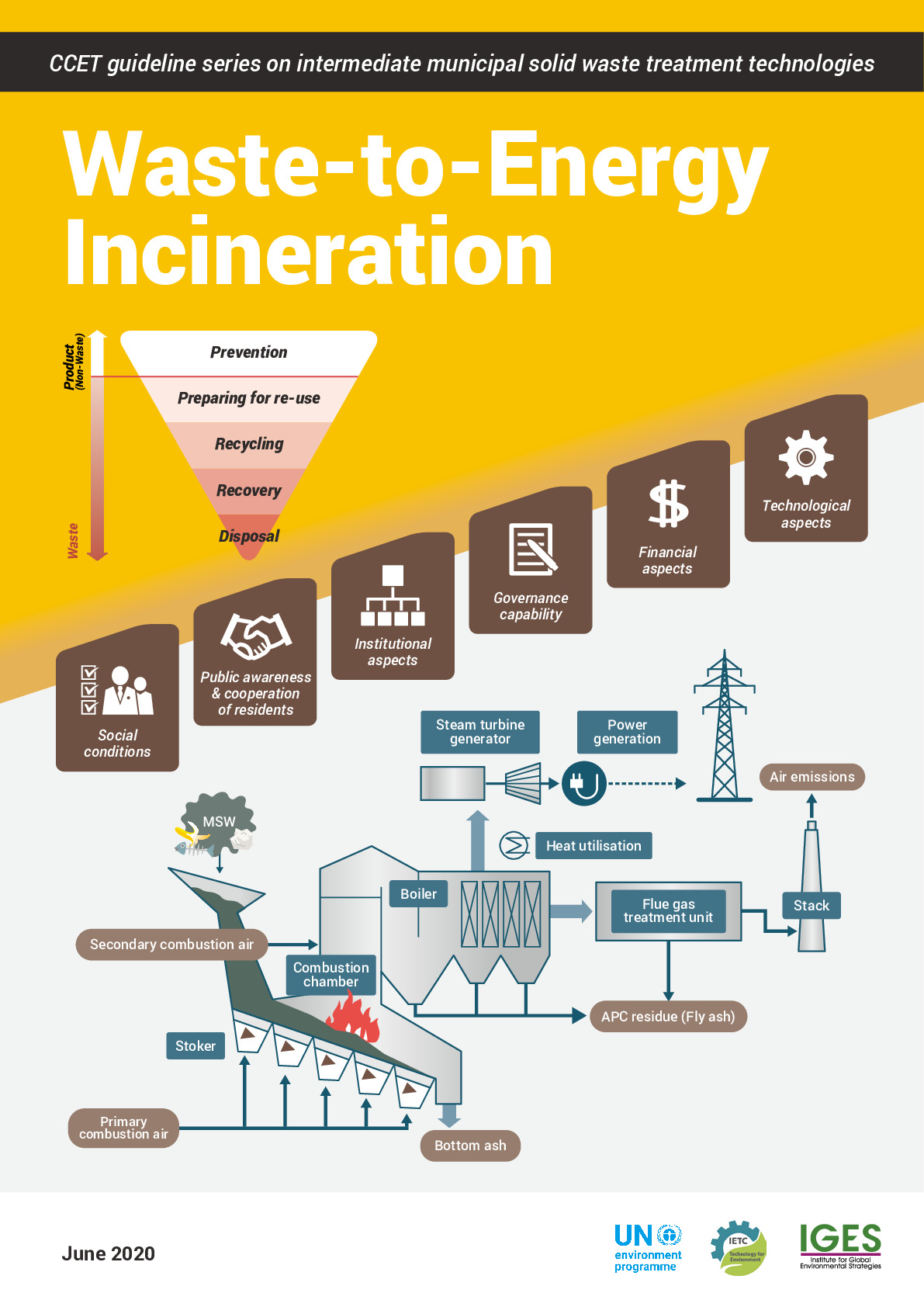
According to the World Bank (2018), global annual waste generation is expected to jump from 2.01billion tonnes in 2016 to 3.40 billion tonnes over the next 30 years, and this trend is especially true in developing countries in Asia and Africa. This suggests that there has been very little success in reversing the trend of the increased generation...
Peer-reviewed Article
In Water
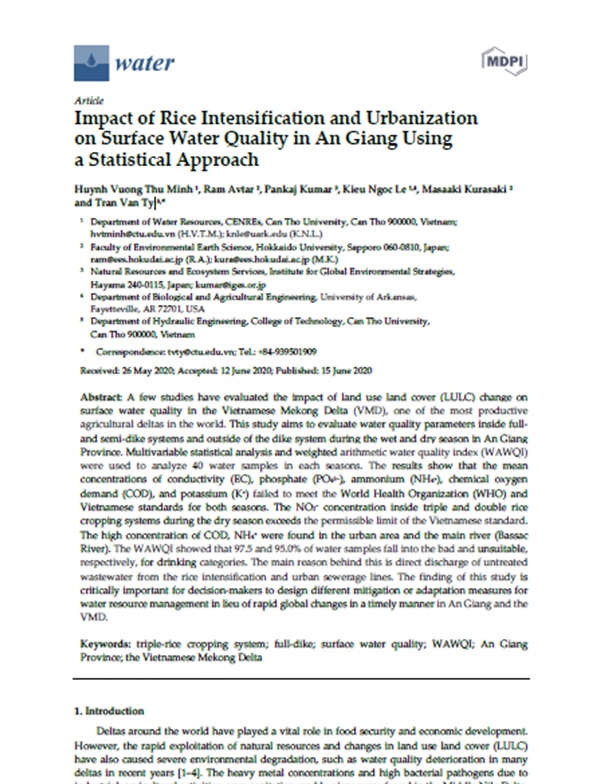
A few studies have evaluated the impact of land use land cover (LULC) change on surface water quality in the Vietnamese Mekong Delta (VMD), one of the most productive agricultural deltas in the world. This study aims to evaluate water quality parameters inside full- and semi-dike systems and outside of the dike system during the wet and dry season...