生物多様性、水、食料、健康および気候の悪化の直接要因および根本的な原因は相互に絡み合っているにもかかわらず、各課題への対処は個別に対処されていることが多く、その結果として、政策間の潜在的な不整合や、計画外の背反性(トレードオフ)、意図しない結果が生じます。ネクサス評価は、トレードオフを克服し、生物多様性、水、食料、健康および気候変動の間の相乗性(シナジー)を高める首尾一貫した意思決定を促し、公正で持続可能な未来に向けた社会変革につながる対応策を提示しています。
- Clear all
- Research Unit: (-) Biodiversity and Ecosystem Services
- SDGs: (-) Goal 1. No Poverty
Results 1 - 10 of 21 (Sorted by date)
Asia and the Pacific is a large and extremely diverse region, and home to 60% of the world’s population (United Nations Department of Economic and Social Affairs, 2024), with the smallest per capita area of forest (FAO, 2024a). Deforestation has taken place across the region but at different scales, and different paces at different times. Naturally...
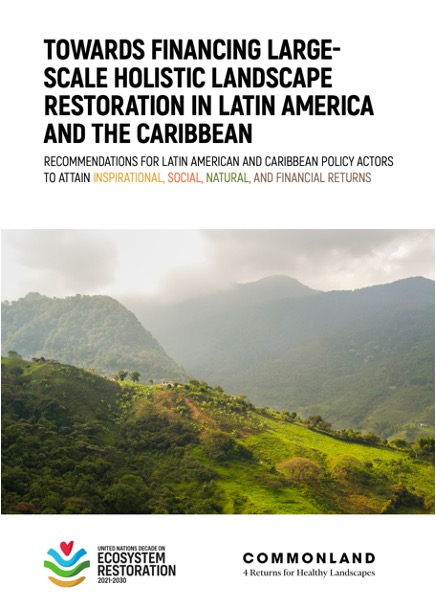
Holistic landscape restoration offers a solution to multiple interconnected challenges that face our planet. This paper introduces an innovative approach to financing nature alongside local socio-economic and wellbeing needs. Specifically, it describes a practical financing framework for HLR that can aid implementation of commitments related to...
Fifth Science-policy Forum For Biodiversity
This is presented at the Fifth Science-policy Forum For Biodiversity on 12 December, COP15 in Montréal. It aimed to apply the Tourism and Sustainable Transformation Framework, while integraing the recent findings from the IPBES assessments, to the case of coastal communities in Mauritius where the majority of the local communities are artisanal...
In Environmental Management
Globally, shifting cultivation is known to be an important driver of tropical deforestation. However, we argue that it can be sustainably managed if the environmental boundary conditions, laid by the traditional customs and practices, are fully respected. We narrate an empirical study from the Zunheboto district of Nagaland, India, where we...
In International Journal of Agricultural Sustainability
This paper explores key elements of an extension approach for enhancing the sustainability and realizing the scaling-up of tree growing by smallholder farmers in rural remote areas where extension services seldom reach and access to external markets is difficult. By referring to the case in Madagascar, the paper discusses that creating a certain...
Translator:
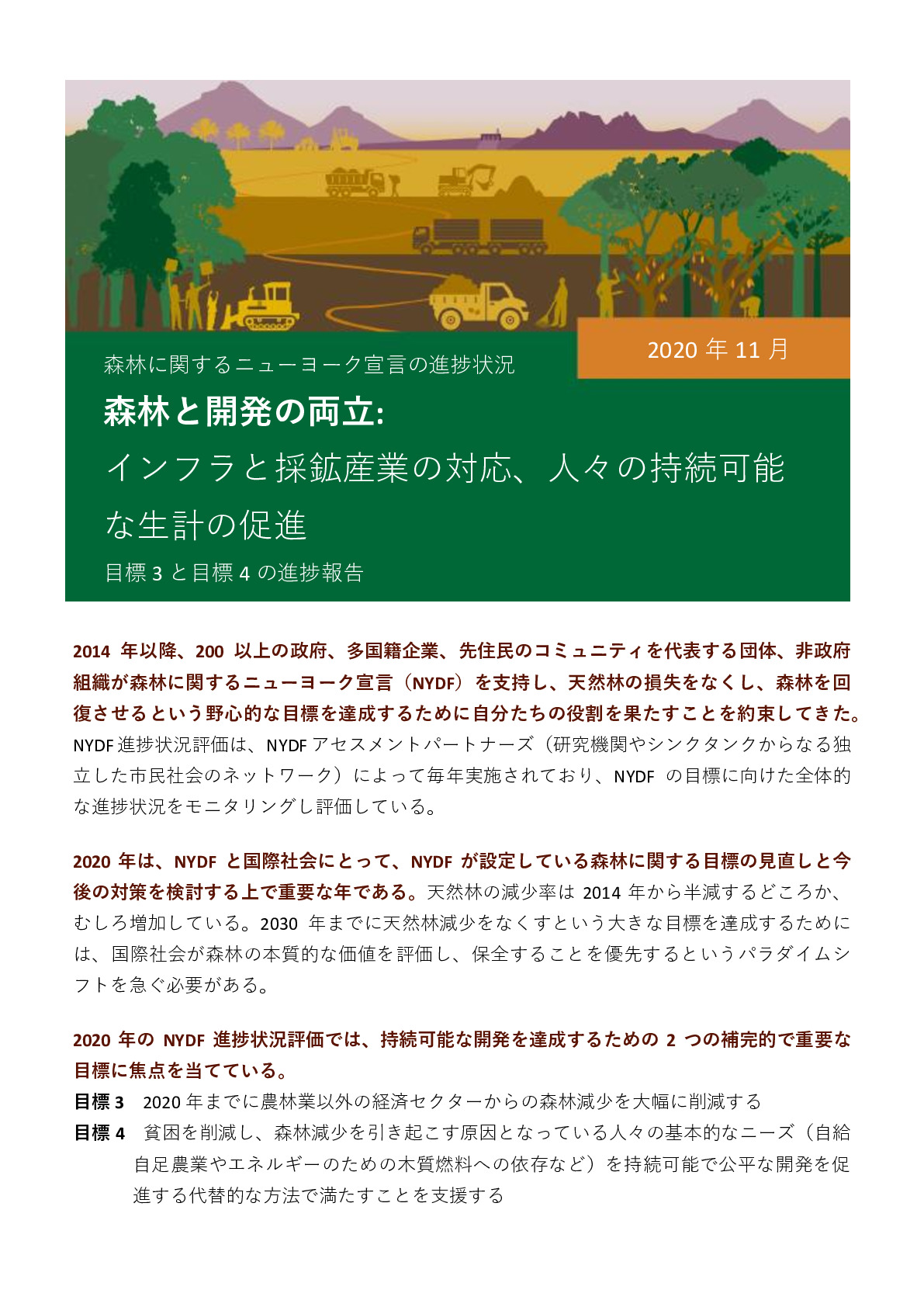
2020年のNYDF進捗状況評価では、持続可能な開発を達成するための2つの補完的で重要な目標に焦点を当てている。 目標3 2020年までに農林業以外の経済セクターからの森林減少を大幅に削減する 目標4 貧困を削減し、森林減少を引き起こす原因となっている人々の基本的なニーズ(自給自足農業やエネルギーのための木質燃料への依存など)を持続可能で公平な開発を促進する代替的な方法で満たすことを支援する 人々の持続可能な生計を支えながら、インフラ開発や採掘による森林減少を削減するという目標3と目標4の達成に向けた進捗は遅々として進んでいない。採取、搾取、消費への依存というこれまでの経済開発戦略を、森林と人々に価値を置くという代替経路に劇的に転換しなければ、世界は持続可能な開発、気候危機...
Editor:
Alexandros
Gasparatos
Merle
Naidoo
Abubakari
Ahmed
Alice
Karanja
Kensuke
Fukushi
The aim of this two-volume book series is to highlight some of the most pervasive sustainability challenges that Sub-Saharan Africa faces. The two volumes contain 20 chapters that illustrate very diverse sustainability challenges throughout the continent, adopting interdisciplinary and problem-oriented research approaches, and methods from the...
The aim of this 2-volume book is to highlight how Sustainability Science approaches can help solve some of the pervasive challenges that Africa faces. The volumes collect a number of local case studies throughout Africa that adopt transdisciplinary and problem-oriented research approaches using methodologies from the natural and the social sciences...
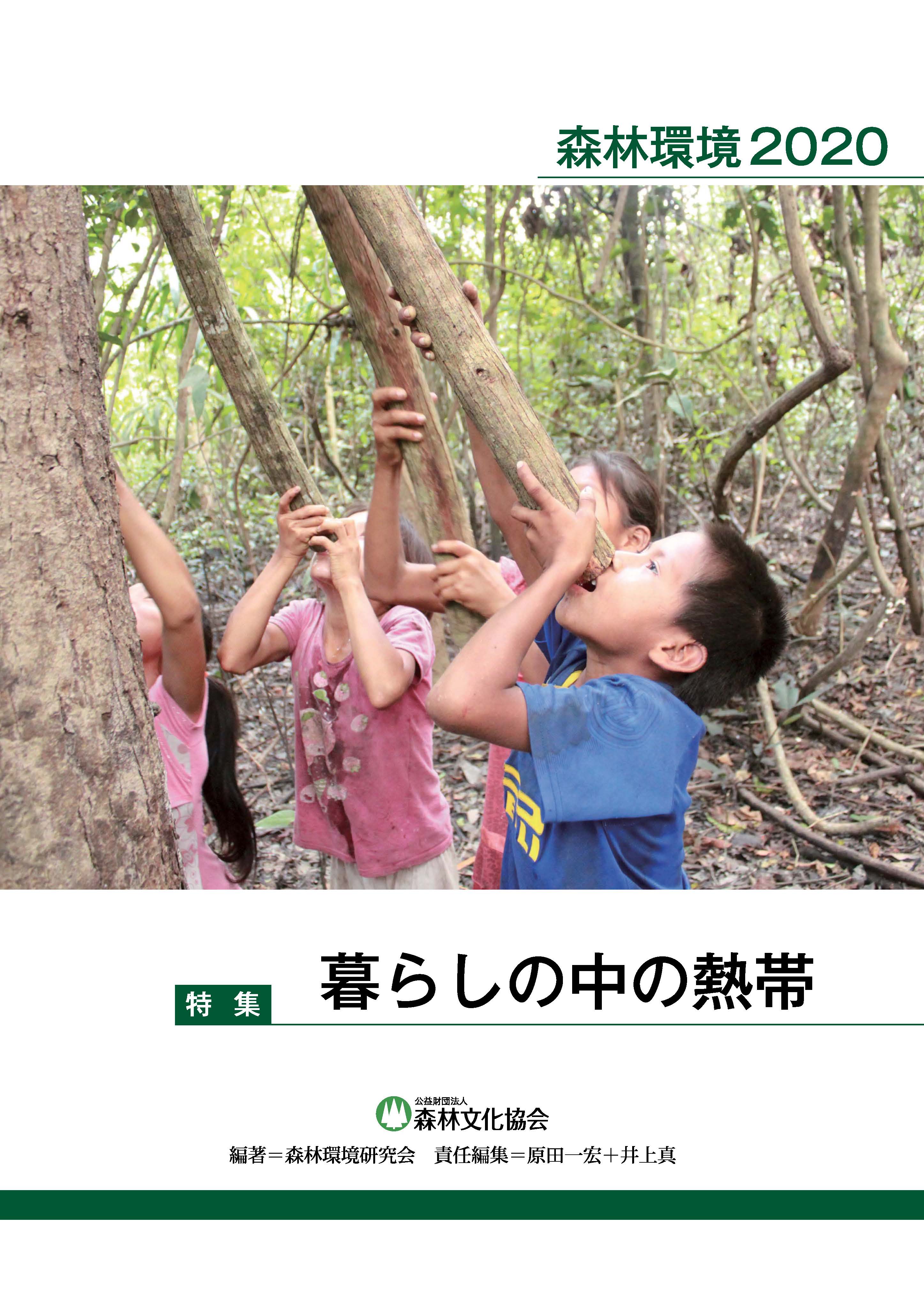
「森林環境2020」 特集・暮らしの中の熱帯
本稿で紹介するインドネシアの東カリマンタン州は1980年代に一部の県でアブラヤシ農園開発が始まった後、特に2000年代後半から、比較的最近になってアブラヤシ農園が急拡大しており、私の調査地を含めて、今でも天然二次林が伐採されてアブラヤシ農園が造成されている。アブラヤシ農園企業と地域住民の土地の権利を巡る争いも数多く起きており、地元の新聞で報道されることも多い。このようなアブラヤシ農園の拡大はどこまで続くのか、歯止めをかけることができるのか、それを東カリマンタン州の森林の状況、政策、制度、開発、地域住民の経済状況、土地の収用といった複数の点から考える。 本稿は『グリーンパワー』月刊2019年5月号に掲載された論考が『「森林環境2020」 特集・暮らしの中の熱帯』に再掲されたものである。