Search

Results 841 - 850 of 6464 (Sorted by date)
Report Chapter
In Sixth ASEAN State of the Environment Report
Author:
Abdullah
Zed
Fakri
Karim
Jaffer
Machano
• By 2050, more than half the population of most ASEAN Member States (AMS) will live in cities, and by 2035 the ASEAN region will have at least five mega-cities. • Cities are a laboratory of local and global challenges and solutions, and ASEAN cities are frequently frontrunners in developing sustainable (model) cities, with multiple good practices...
Report Chapter
In Sixth ASEAN State of the Environment Report
• As ASEAN increasingly transitions away from its agrarian traditions and becomes a core part of the global supply chain, improved environmental management of chemicals and waste is imperative. • Manufacturing is now a major contributor to AMS' gross domestic product (GDP) and exports but too many outdated factories in some developing ASEAN...
Report Chapter
In Sixth ASEAN State of the Environment Report
Author:
• Except for land-linked Lao PDR, the remaining ASEAN Member States (AMS) are bordered by seas. Those seas, however, are under increasing direct and indirect pressure from human interference, including the preference for many forms of development in the region’s coastal zones and islands. • Aquaculture is rapidly replacing overexploited capture...
Report Chapter
In Sixth ASEAN State of the Environment Report
Author:
Marianne
Kjellen
Thammarat
Koottatep
▪ Remarkable progress has been made to improve access to safe and clean drinking water over the last 20 years; however, water degradation caused by poor sanitation and hygiene services, low water-use efficiency for agriculture, and lack of appropriate domestic wastewater treatment systems are still common challenges observed in many ASEAN Member...
Report Chapter
In Sixth ASEAN State of the Environment Report
Author:
Filberto A.
Pollisco
• The ASEAN region is one of the most biodiverse in the world on land, in freshwater and in the ocean. • Drivers that underlie pressures on biodiversity in AMS include economic incentives that promote consumption and, hence, land-use change. These drivers are challenges to achieving SDGs 14 and 15 on conserving marine and terrestrial biodiversity...
Report Chapter
In Sixth ASEAN State of the Environment Report
• Climate change is already causing serious negative impacts in the region. In the future, extreme weather and sea level rise will cause mounting economic costs in terms of damage to health, infrastructure, and food security. • ASEAN Member States (AMS) have a variety of policies and responses to climate change adaptation and disaster risk...
Report Chapter
In Sixth ASEAN State of the Environment Report
● Many environmental responses tackle the impacts that appear at the end of a long chain of logic, such as premature deaths from air pollution, but they rarely address the underlying “drivers” of change. ● In the ASEAN region, these drivers include economic strategies that are geared towards creating an ASEAN economic community, continued...
Report Chapter
In Sixth ASEAN State of the Environment Report
This report comprehensively reviewed the state and trends of the environment, the pressures on it and the drivers of those pressures, and the national and regional initiatives in place to address environmental concerns, using the DPSIR framework, and provided an overall outlook for the ASEAN environment. New elements, especially the SDGs, Paris...
Report Chapter
In Sixth ASEAN State of the Environment Report
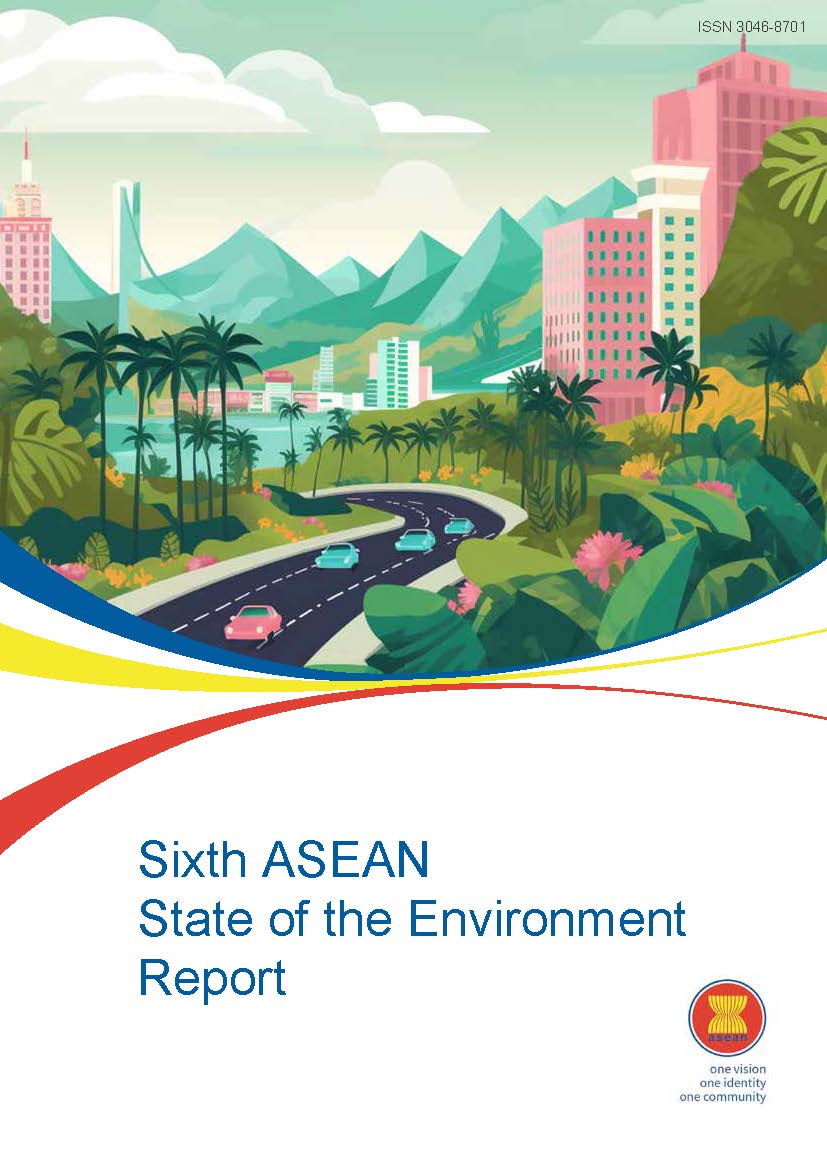
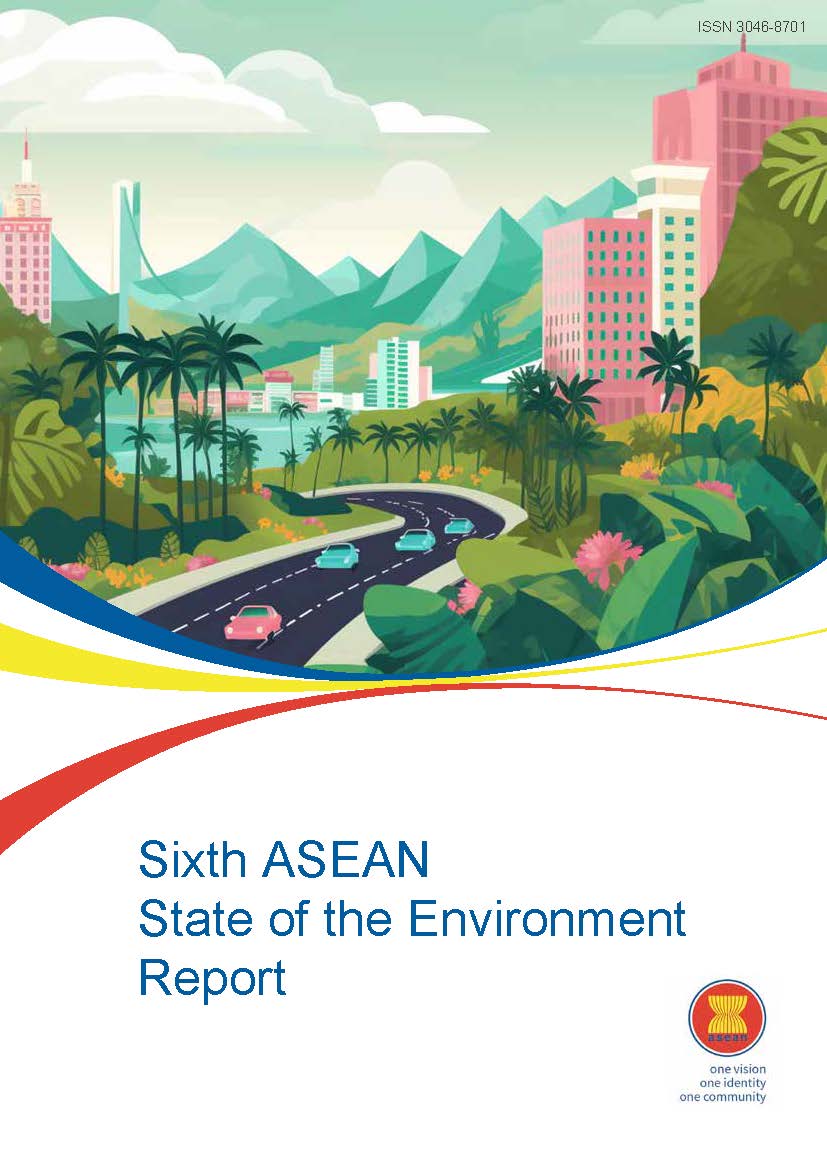
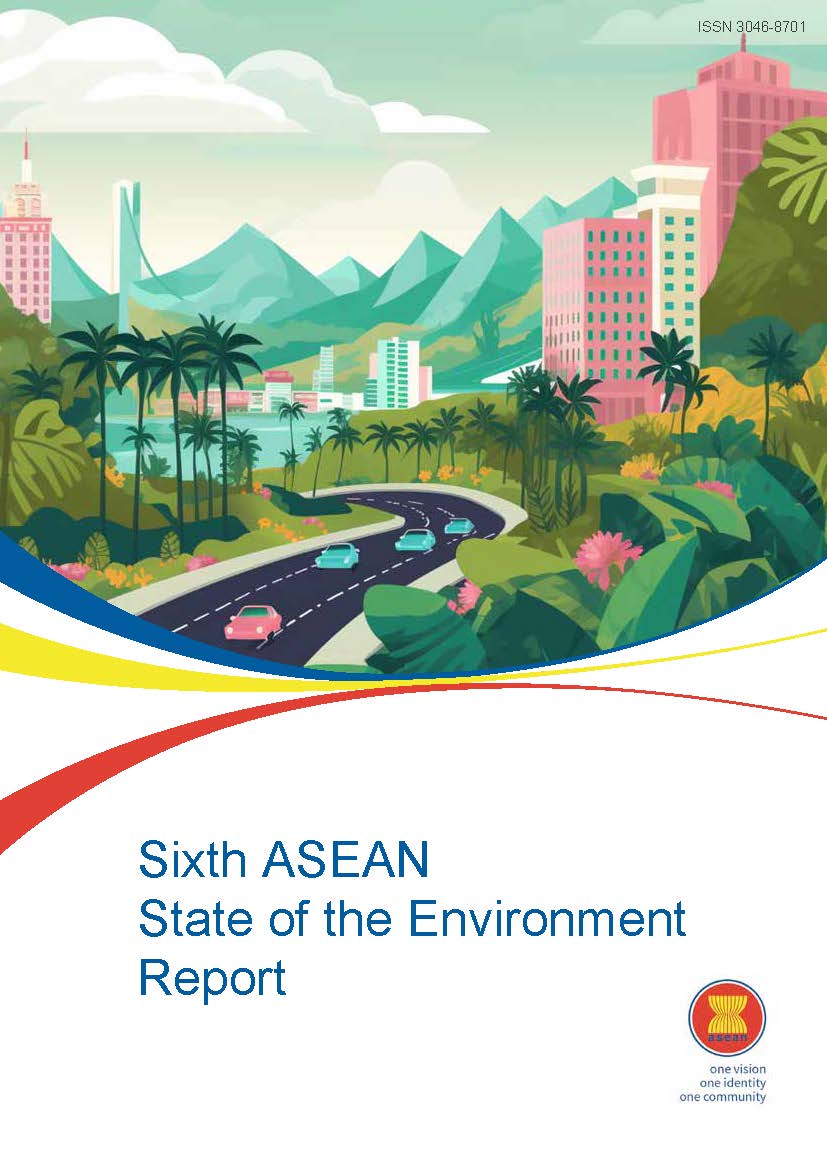
As the nature of environmental issues is constantly changing, the development of the Sixth ASEAN State of the Environment Report (SOER6) is pivotal to equipping the ASEAN Member States (AMS) with up-to-date information on the status and trends of the region’s environment. SOER6 has several new elements. It assesses the progress and contribution...
Peer-reviewed Article
In Earth
Author:
Upasana
Choudhury
Shruti
Kanga
Suraj Kumar
Singh
Anand
Kumar
Gowhar
Meraj
Saurabh
Singh
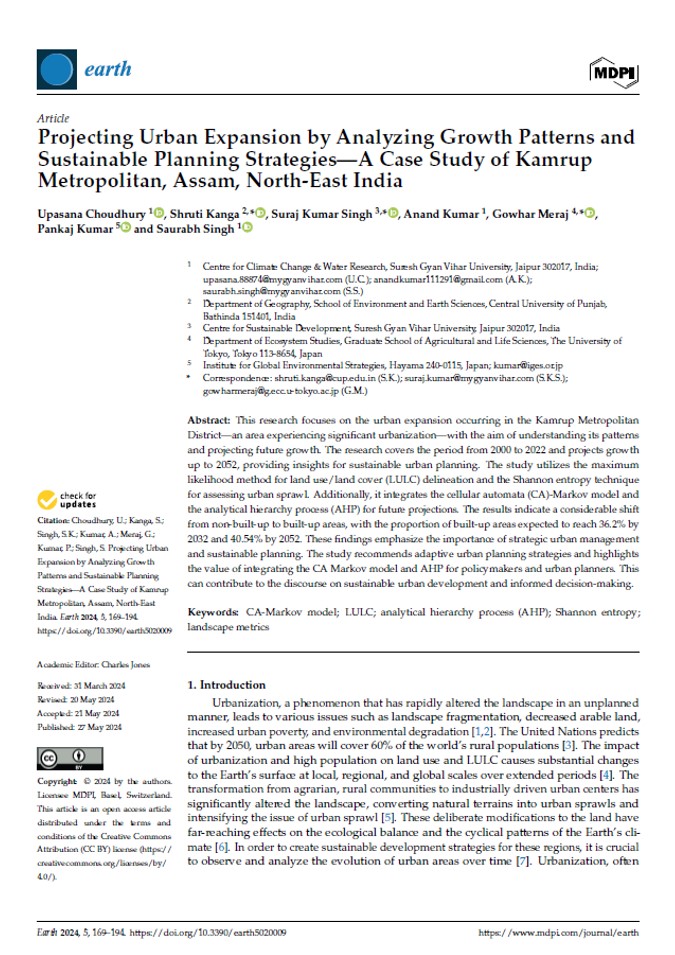
This research focuses on the urban expansion occurring in the Kamrup Metropolitan District—an area experiencing significant urbanization—with the aim of understanding its patterns and projecting future growth. The research covers the period from 2000 to 2022 and projects growth up to 2052, providing insights for sustainable urban planning. The...