

Results 2071 - 2080 of 5566 (Sorted by date)
Working Paper
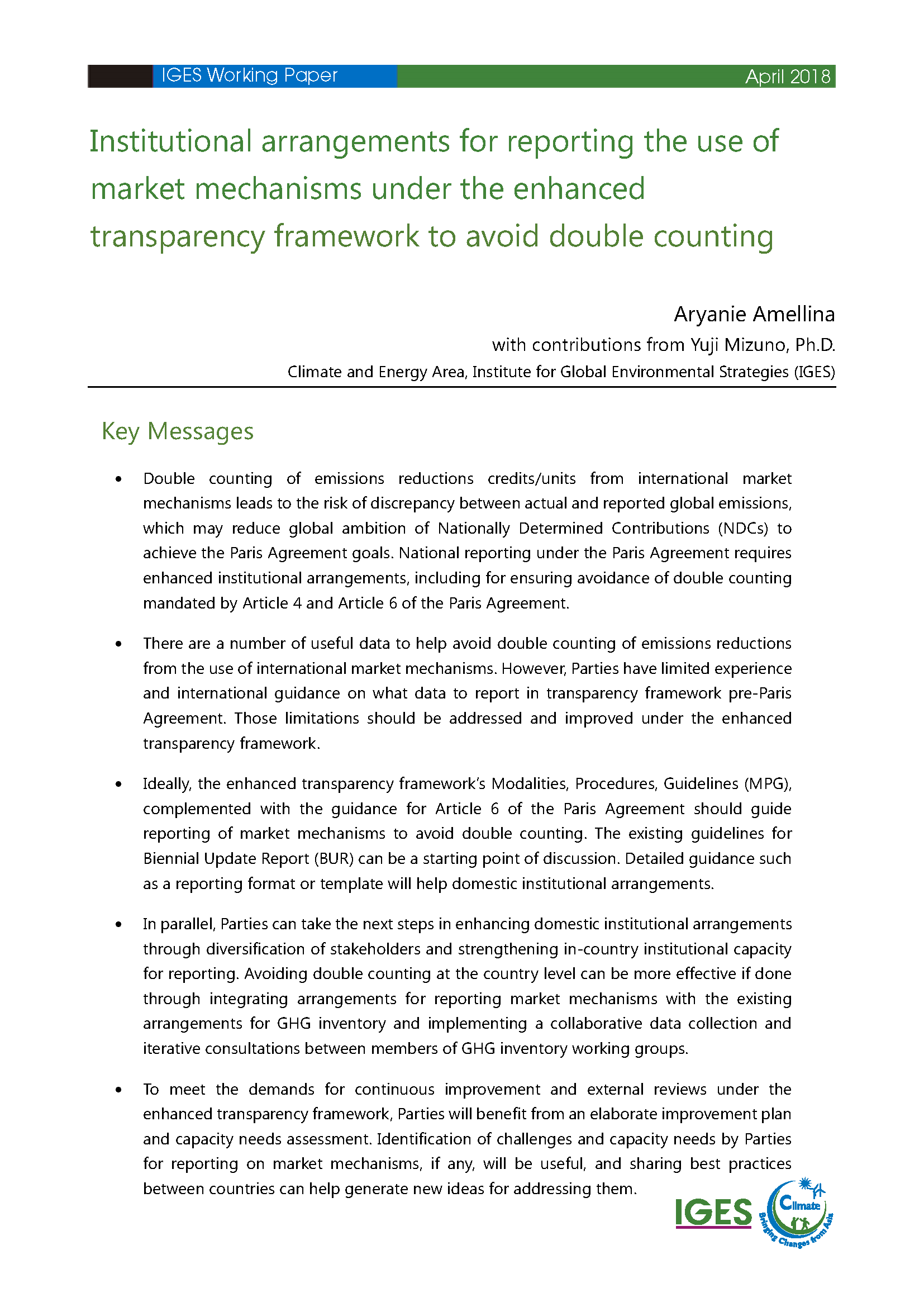
Parties to the Paris Agreement agreed to ensure avoidance of double counting of emissions reductions from the use of international market mechanisms. Although useful data may be available, Parties have limited experience and guidance from the UNFCCC on what data to report in the transparency framework pre-Paris Agreement. If the current reporting...
Conference Paper
International Association for Energy Economics
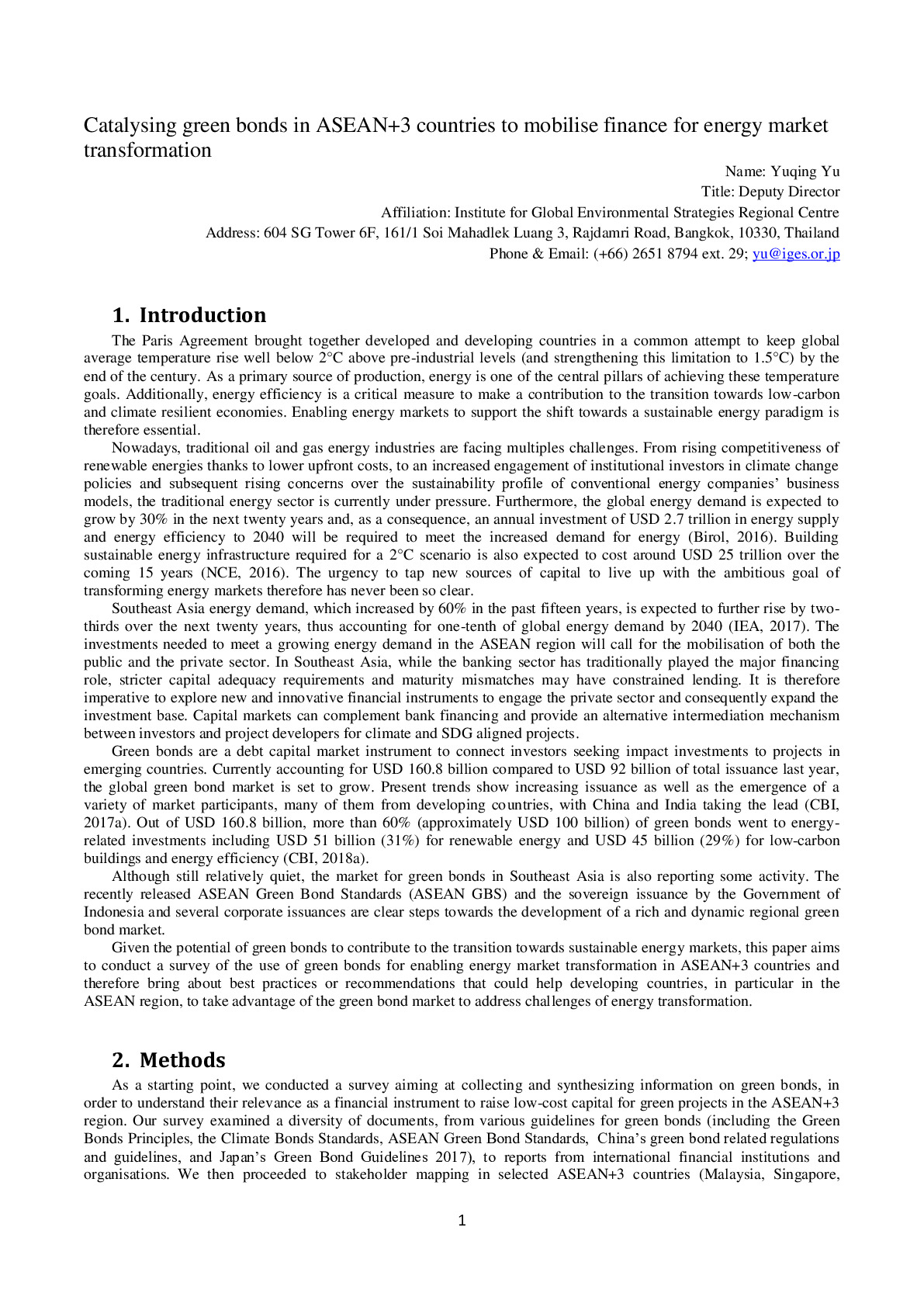
Southeast Asia energy demand, which increased by 60% in the past fifteen years, is expected to further rise by two-thirds over the next twenty years, thus accounting for one-tenth of global energy demand by 2040.The investments needed to meet a growing energy demand in the ASEAN region will call for the mobilisation of both the public and the...
Peer-reviewed Article
In Applied Energy
The Kyoto Protocol implemented the first international top-down mechanisms and provided mitigation incentives for both Annex B and non-Annex B countries. An assessment of the Kyoto Protocol would contribute to the fundamental discussion on designing future mitigation mechanisms under Article 6 of the Paris Agreement, while the use of a top-down...
Peer-reviewed Article

In Journal of Industrial Ecology
This study quantifies the environmental impacts and impact reductions related to wood consumption in Japan from 1970 to 2013 using material flow analysis and life cycle assessment.
Book Chapter
In Climate Change and Cities - Second Assessment Report of the Urban Climate Change Research Network
The Urban Climate Change Research Network's Second Assessment Report on Climate Change in Cities (ARC3.2) is the second in a series of global, science-based reports to examine climate risk, adaptation, and mitigation efforts in cities. The book explicitly seeks to explore the implications of changing climatic conditions on critical urban physical...
Policy Report
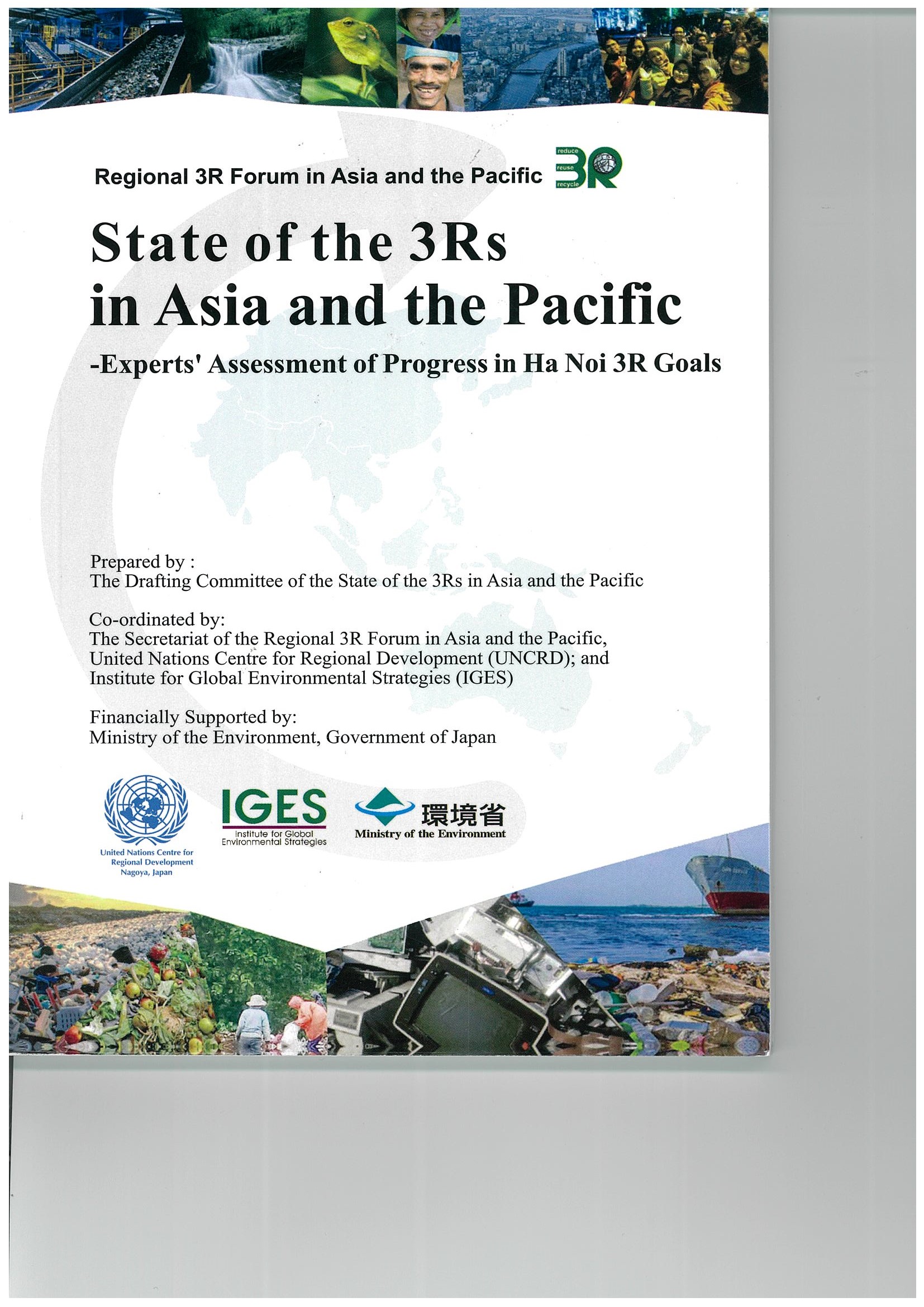
Developed in coordination with a key expert panel of waste management specialists from across Asia, the report comprises an indicator-based assessment of 3R policies in 11 countries including Japan, China, India, Thailand as well as the Pacific Island region. By utilizing comparable measures for waste prevention, recycling, biomass utilization...
Peer-reviewed Article

In energies
In response to the domestic emission trading scheme, Korean companies are required to shift their strategies from voluntary or regulation-driven management approaches to innovative carbon management utilizing their carbon option linked with economic value. Using a questionnaire survey targeting companies subjected to the emission trading scheme...
Peer-reviewed Article
In Environmental Economics and Policy Studies
The aim of this study is to investigate the macroeconomic impacts of Japan meeting its 2030 NDC GHG emission reduction target, using a carbon tax, under different assumptions about the share of nuclear in the power sector. We further investigate different ways to recycle revenues raised from carbon tax. The analysis was carried out using the global...
Commissioned Report
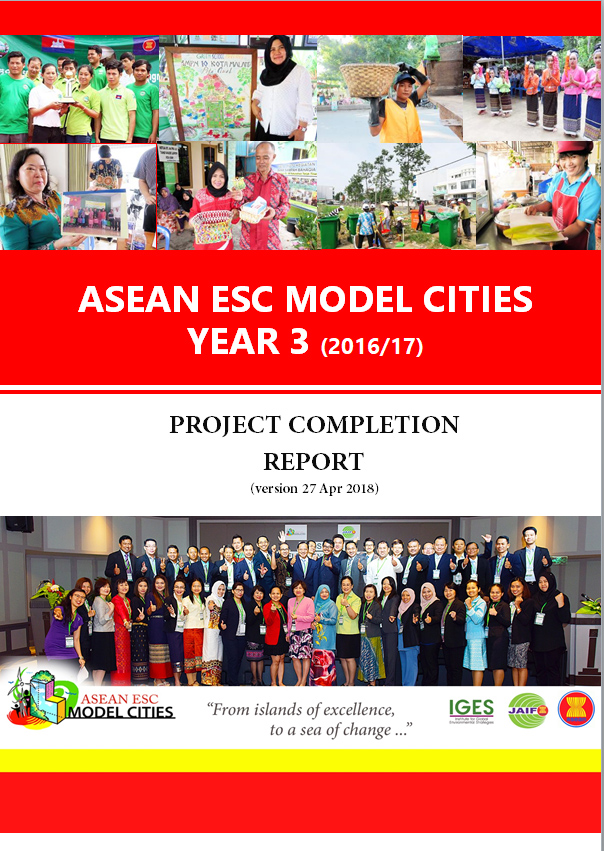
The ASEAN ESC Model Cities Programme was established in 2011 to promote the development of Environmentally Sustainable Cities (ESC) in ASEAN Member States (AMS). To achieve this broad objective, the programme conducted activities at the local, national and regional levels. In Year 3, a total of 15 Model Cities (including 9 new cities) in AMS...
Policy Report
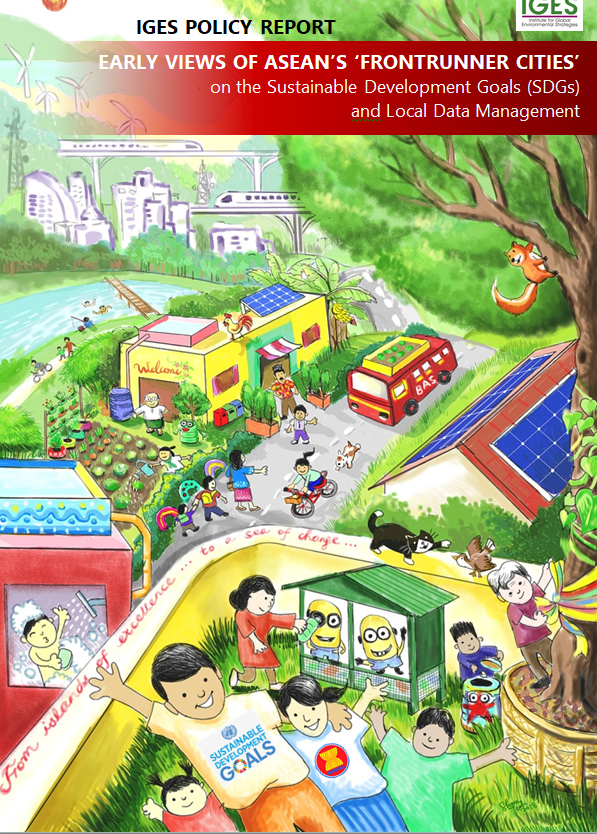
The adoption of the Sustainable Development Goals (SDGs) in 2015 as one of the core frameworks driving the 2030 Agenda for Sustainable Development provided the impetus to design a new phase of the ASEAN ESC Model Cities programme which is aligned to the SDGs. From around 2016, many parties and experts have launched publications to inform cities...