In this study, we assessed the relationship between land cover change and changes in water quality in the Laguna de Bay area of the Philippines. Land cover changes occurring between 2007 and 2015 were mapped using a combination of optical (Landsat-7/-8) and synthetic aperture radar (ALOS Palsar-1/-2) satellite imagery, and time-series water quality...
Results 1621 - 1630 of 6464 (Sorted by date)
The overall objective of IBAQ is to improve air quality, mitigate climate change (including reducing carbon dioxide (CO2)) and contribute to more livable and healthy cities in Asia. The focus is on cities with high impact potential to leverage wider change.
In Land
This study uses a spatially-explicit land-use/land-cover (LULC) modeling approach to model and map the future (2016–2030) LULC of the area surrounding the Laguna de Bay of Philippines under three different scenarios: ‘business-as-usual’, ‘compact development’, and ‘high sprawl’ scenarios. The Laguna de Bay is the largest lake in the Philippines and...
This paper goes through the three historical experiences of carbon taxation in France and provides a detailed overview of the past attempts and current challenges to effectively put a price on carbon. By analysing the characteristics of each case, it explains the reasons for failure and success in adopting such tax and tries to help the reader...
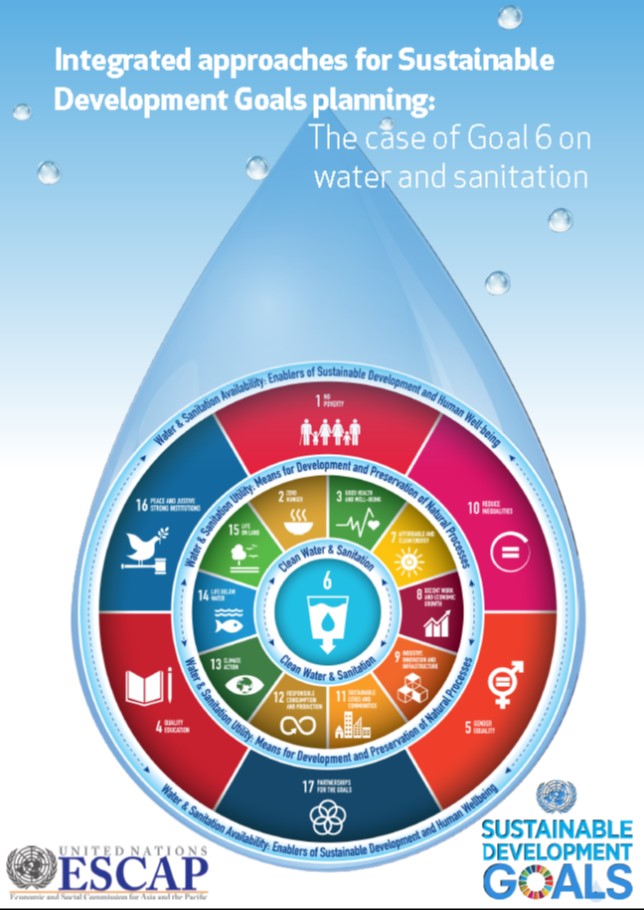
Since the adoption of the 2030 Agenda for Sustainable Development in 2016, scientist have been studying its “indivisible whole” nature, with the objectives to propose viable methods and tools for integrated planning of the implementation of the 17 SDGs. Furthermore, their 169 targets were developed through an inclusive and comprehensive process...
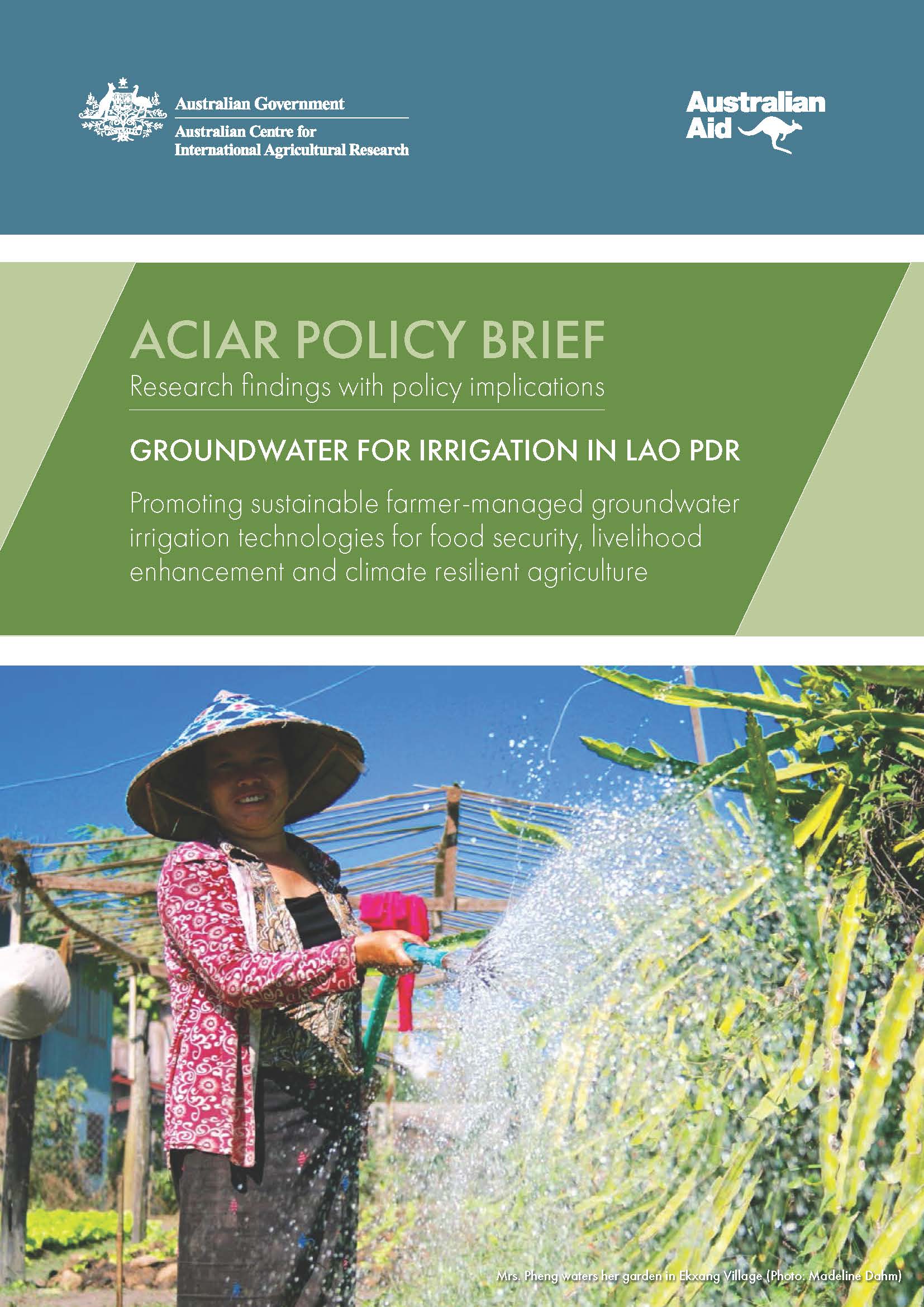
ACIAR Policy Brief
Groundwater can provide irrigation for rural communities where surface water is absent or unreliable. Technical, institutional and capacity limits have prevented rural communities from using groundwater for irrigation, and researchers have not demonstrated how to extract and use groundwater effectively for agriculture. A recent Australian-funded...
This booklet has been prepared for IPSI member organisations, as well as for others who are engaged in SEPLS, to introduce SDM and to provide snapshots of the projects implemented by our sub-grant recipients. The booklet starts with an introduction to SDM, followed by a list and a global map of the sub-grant projects. The third section provides an...
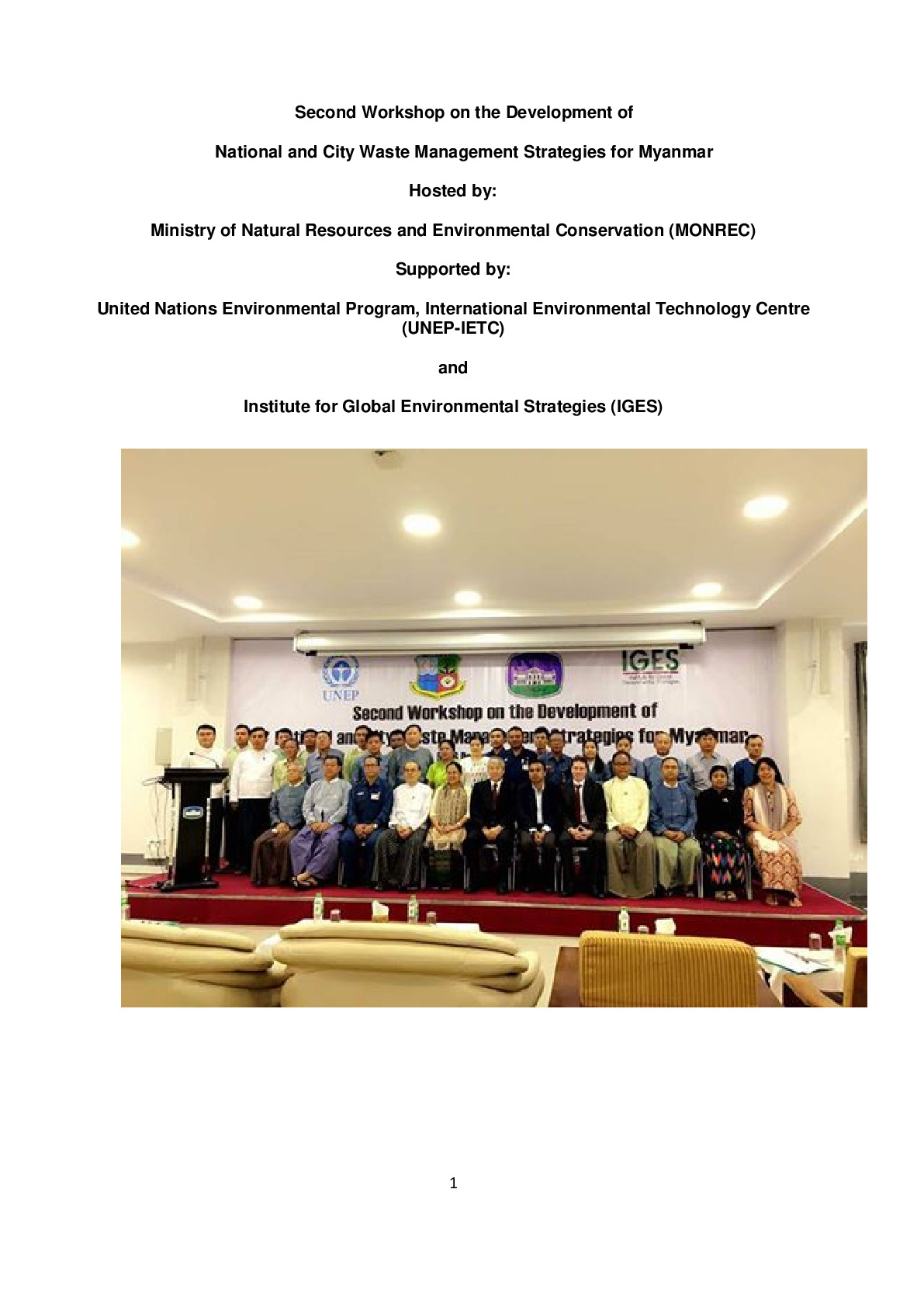
Second Workshop on the Development of National and City Waste Management Strategies for Myanmar
This workshop report documents the proceedings of Myanmar’s second Workshop focused on the development of national and city-level waste management strategies, held 5-6 December 2016 in Yangon, Myanmar. Organized in collaboration with the Ministry of Natural Resources and Environmental Conservation (MONREC) of the Government of Myanmar, Yangon City...
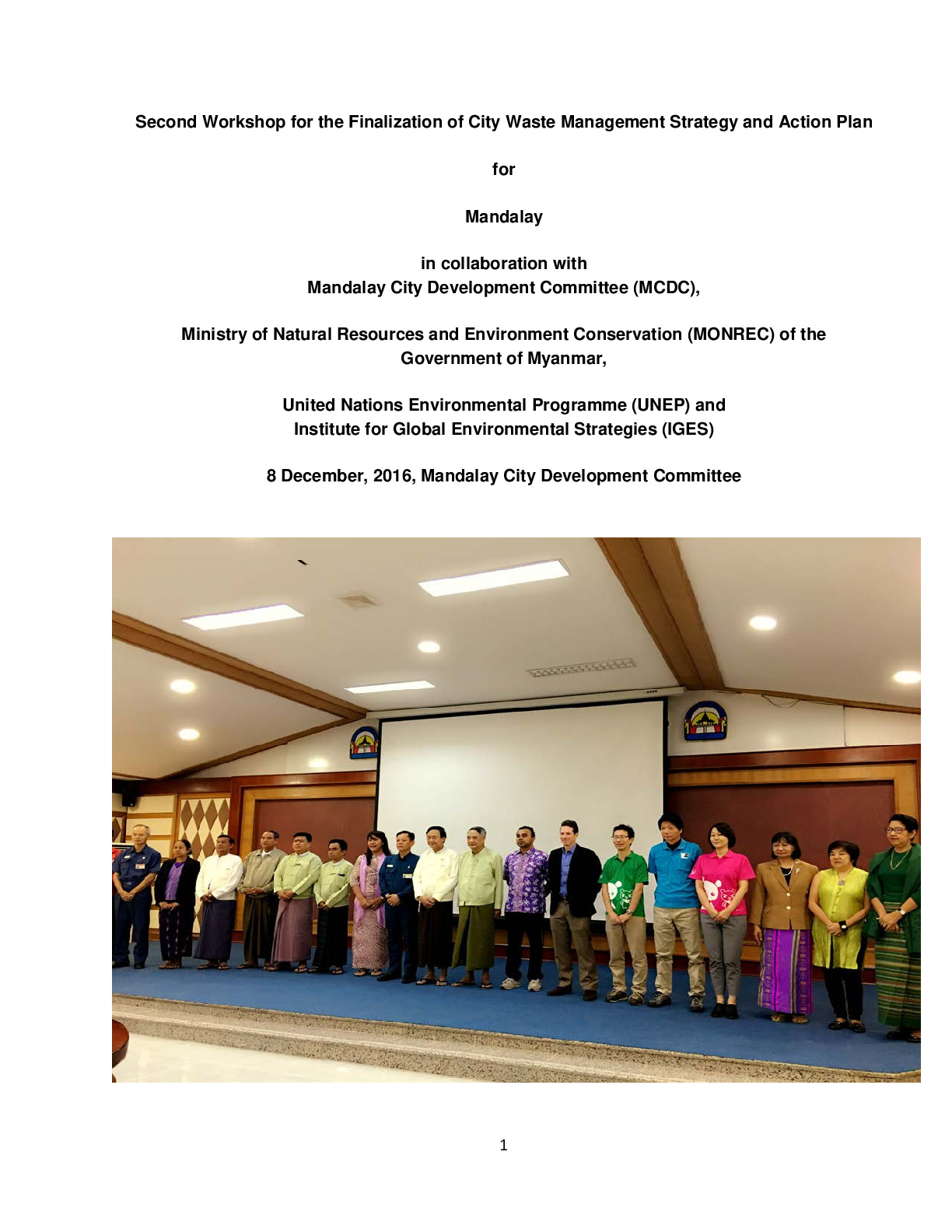
Second Workshop for the Finalization of City Waste Management Strategy and Action Plan for Mandalay
This workshop report covers the main discussions and outcomes of Mandalay City's second Workshop focused on the finalization of its Municipal Waste Strategy and Action Plan, held 8 December 2016. Organized in collaboration with the Mandalay City Development Committee, the Ministry of Natural Resources and Environment Conservation (MONREC) of the...
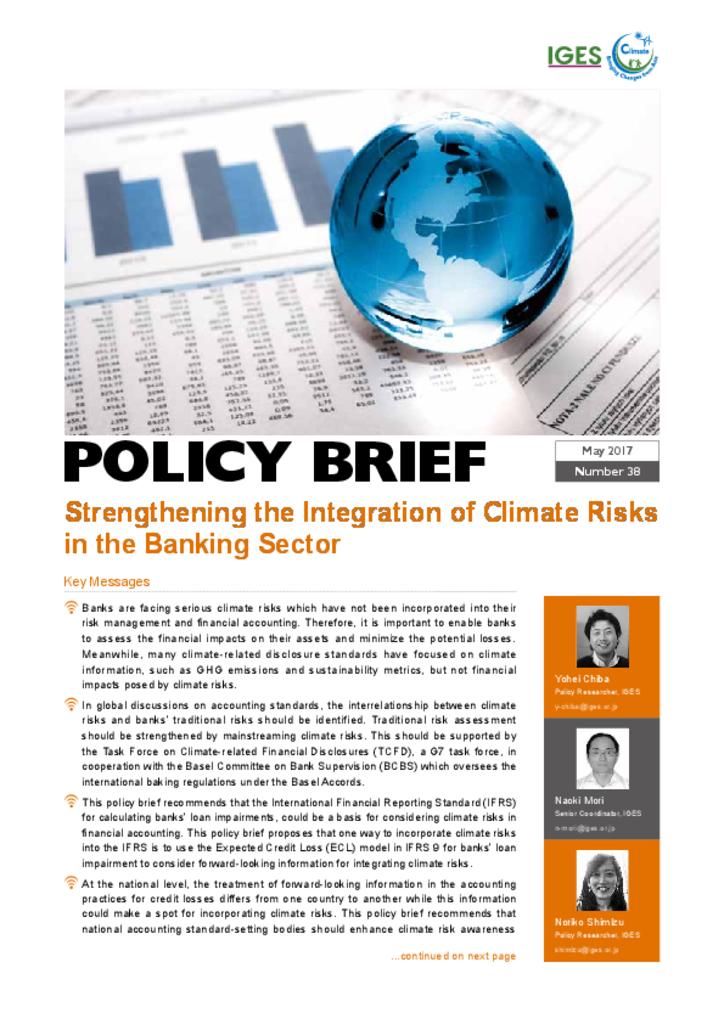
Banks face major losses unless climate risks are properly assessed and addressed. This policy brief makes recommendations to strengthen the integration of climate risks into banks' risk management and financial accounting so the banking sector can be more financially sustainable. 銀行が気候変動に伴うリスクを適切に評価し対処しない場合、巨額の損失に直面する危険性を指摘し、銀行セクターに対して...