
Results 1111 - 1120 of 5563 (Sorted by date)
Peer-reviewed Article
In Hydrology
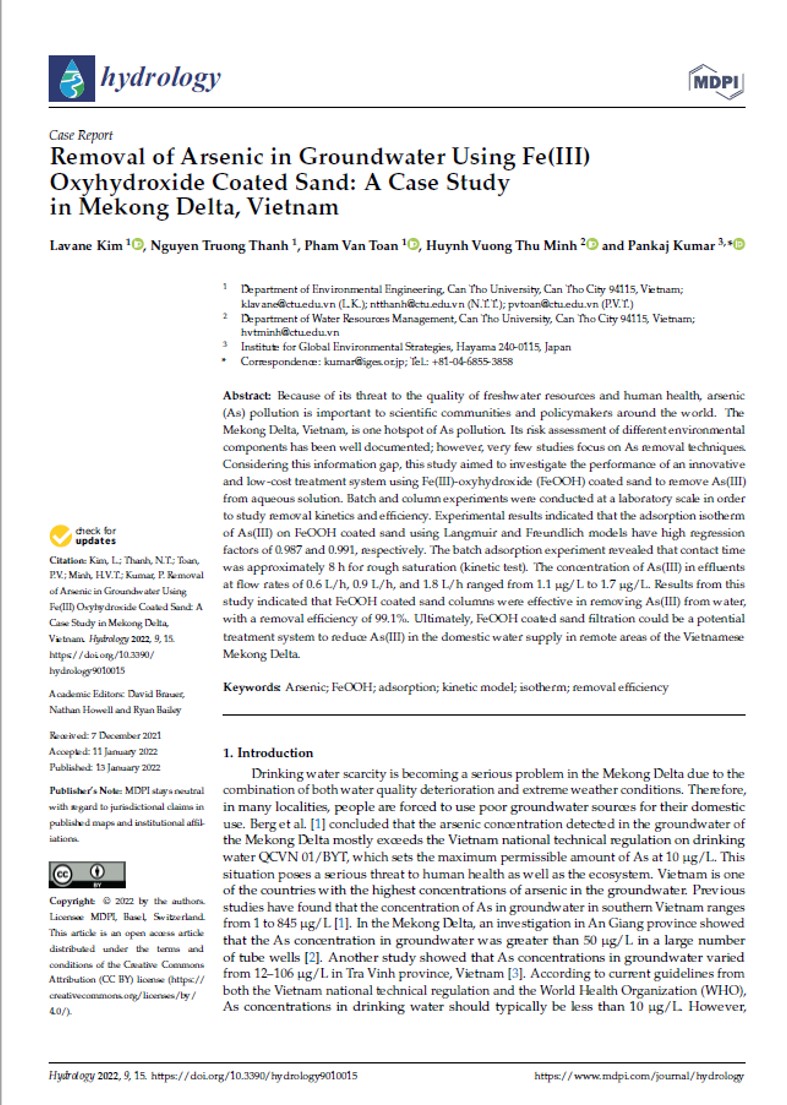
Because of its threat to the quality of freshwater resources and human health, arsenic (As) pollution is important to scientific communities and policymakers around the world. The Mekong Delta, Vietnam, is one hotspot of As pollution. Its risk assessment of different environmental components has been well documented; however, very few studies focus...
Peer-reviewed Article
In Natural Hazards
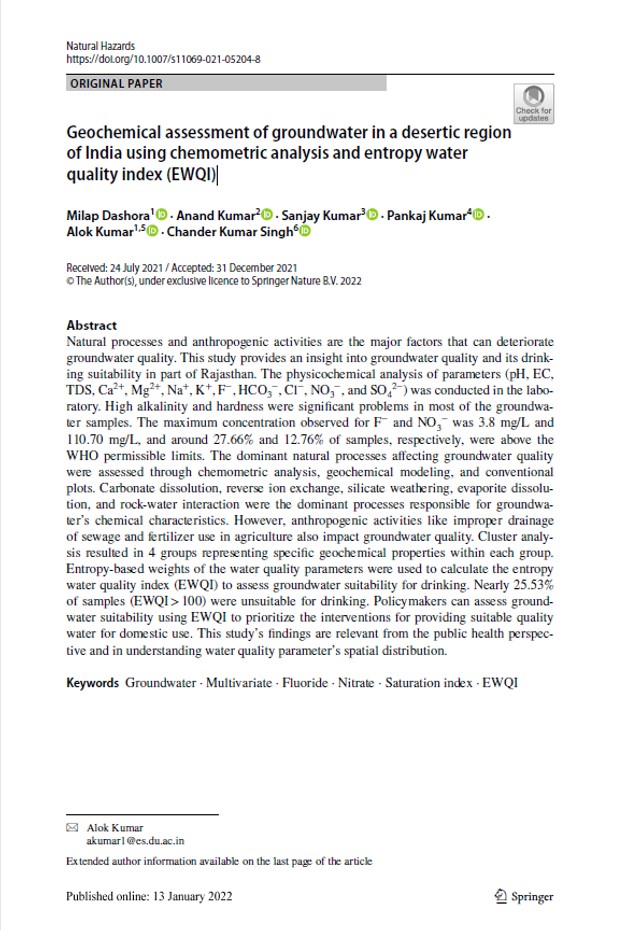
Natural processes and anthropogenic activities are the major factors that can deteriorate groundwater quality. This study provides an insight into groundwater quality and its drinking suitability in part of Rajasthan. The physicochemical analysis of parameters (pH, EC,TDS, Ca2+, Mg2+, Na+, K+, F−, HCO3−, Cl−, NO3−, and SO42−) was conducted in the...
Training or Learning Material

JICA Training Course "Development of Recycling Policy"
Yasuhiko Hotta acted as a lectuerer and commentator for JICA training course on "Development of Recycling Policy" organied in January 13, 2022. The course was organized as an on-line training course and participated by the participants from Kosovo, Palestine, Thailand, Samoa, Cuba, Egypt, Georgia, Micronesia, Vanuatu, and Tunisia.
Peer-reviewed Article
In Water
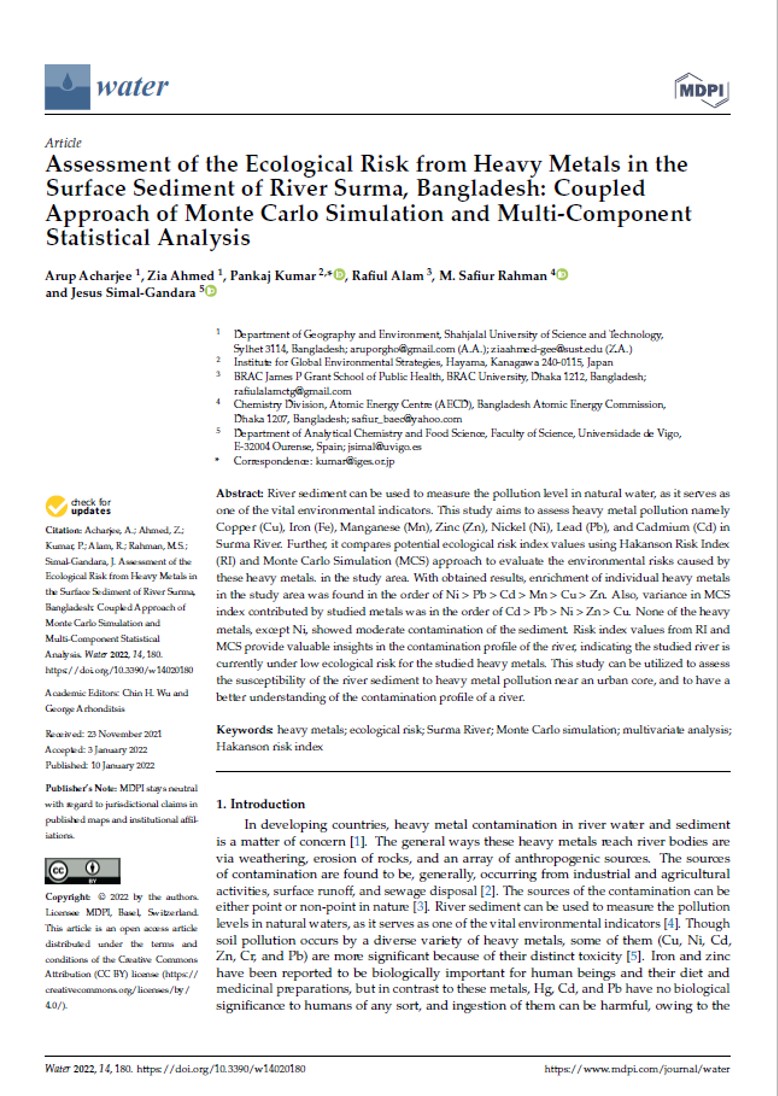
River sediment can be used to measure the pollution level in natural water, as it serves as one of the vital environmental indicators. This study aims to assess heavy metal pollution namely Copper (Cu), Iron (Fe), Manganese (Mn), Zinc (Zn), Nickel (Ni), Lead (Pb), and Cadmium (Cd) in Surma River. Further, it compares potential ecological risk index...
Peer-reviewed Article
In Sustainability Science
While the Sustainable Development Goals (SDG) are broadly framed with 17 goals, the goals and their targets inherently connect with each other forming a complex system. Actions supporting one goal may influence progress in other goals, either positively (synergies) or negatively (trade-offs). Effective managing the synergies and trade-offs is a...
Non Peer-reviewed Article
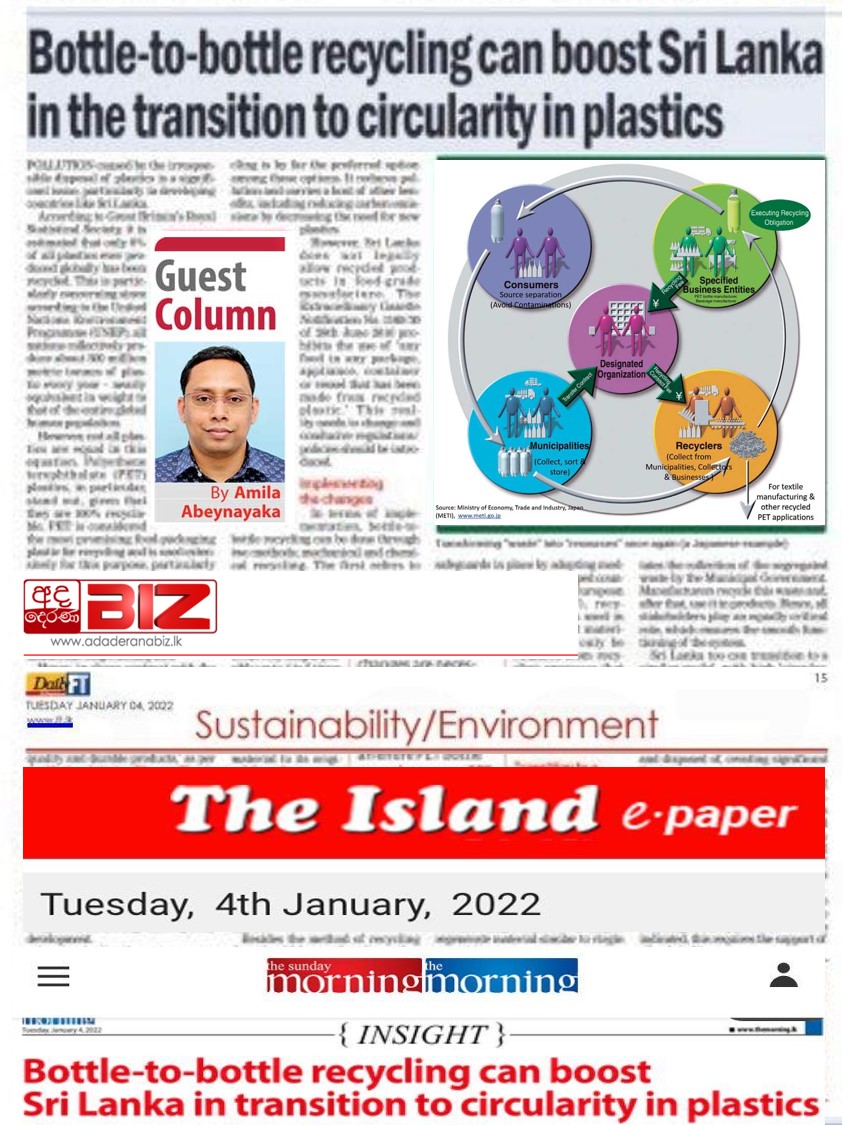
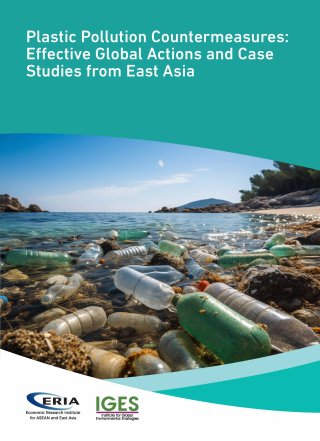
Pollution caused by the irresponsible disposal of plastics is a significant issue, particularly in developing countries like Sri Lanka. It is estimated that only 9% of all plastics ever produced globally have been recycled. However, not all plastics are equal in this equation, PET, in particular, stands out, given that they are 100% recyclable. Sri...
Policy Brief
ASEAN Centre for Energy Policy Brief
1. The ASEAN State of Climate Change Report (ASCCR) presented ASEAN’s mitigation goal: i) Achieve net-zero greenhouse gas (GHG) emissions as early as possible in the latter half of the 21st century; and ii) Cap peak GHG emissions as soon as possible after 2030 to ensure the net-zero GHG emission goal is met on schedule. 2. However, the updated...
Book Chapter
In addition to providing a range of social, economic, and environmental benefits to human societies, forest ecosystems also play a vital role in disaster prevention and mitigation. With the growing frequency and intensity of landslide hazards, the importance of forest management is increasingly being recognized to safeguard the sustainable delivery...
Training or Learning Material
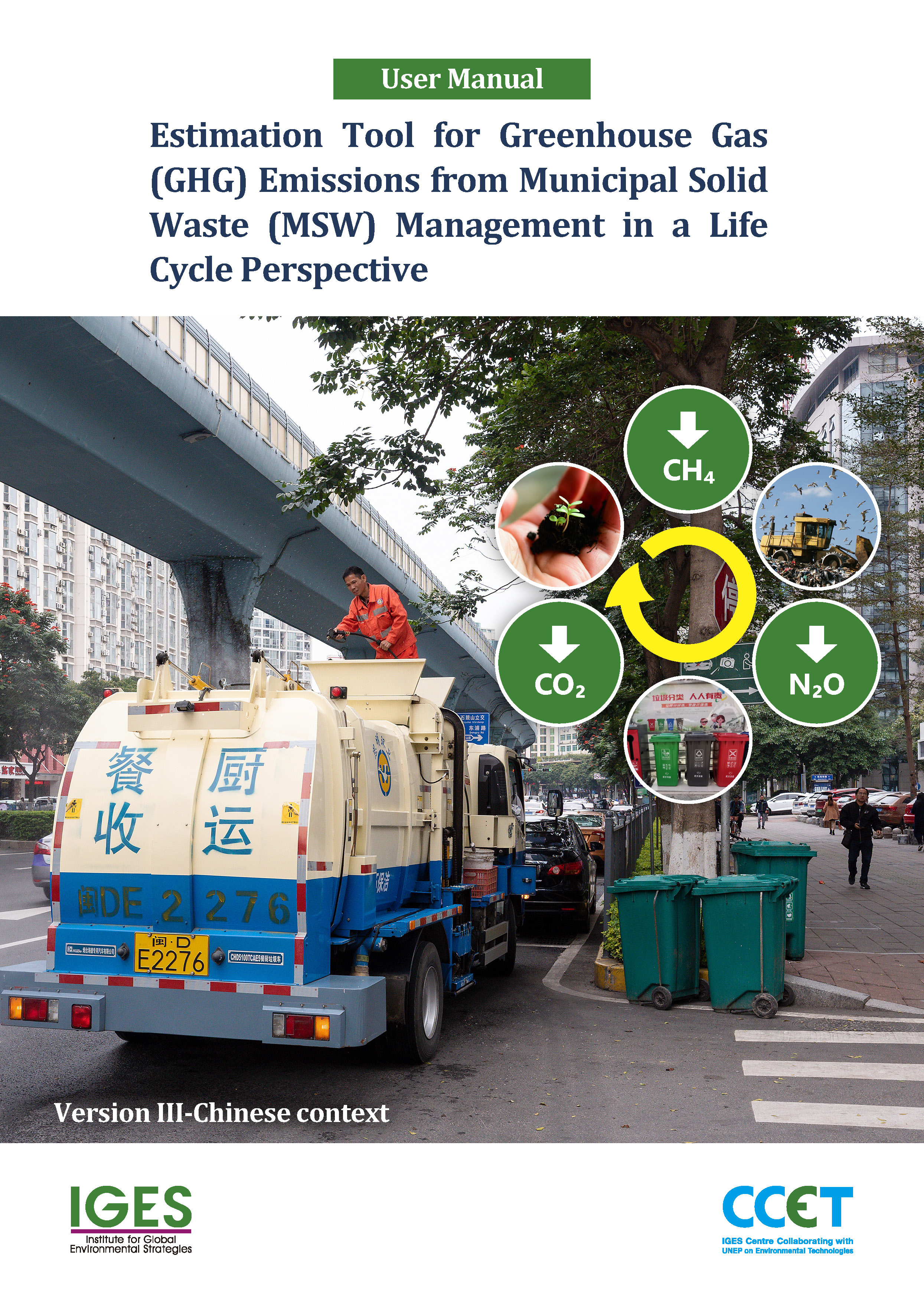
IGES Centre Collaborating with UNEP on Environmental Technologies (CCET) has developed version III of the IGES-GHG calculator entitled "Estimation Tool for Greenhouse Gas (GHG) Emissions from Municipal Solid Waste (MSW) Management in a Life Cycle Perspective", a tool that enables to estimate GHG emissions from the waste sector in China in the Life...
Data or Tool
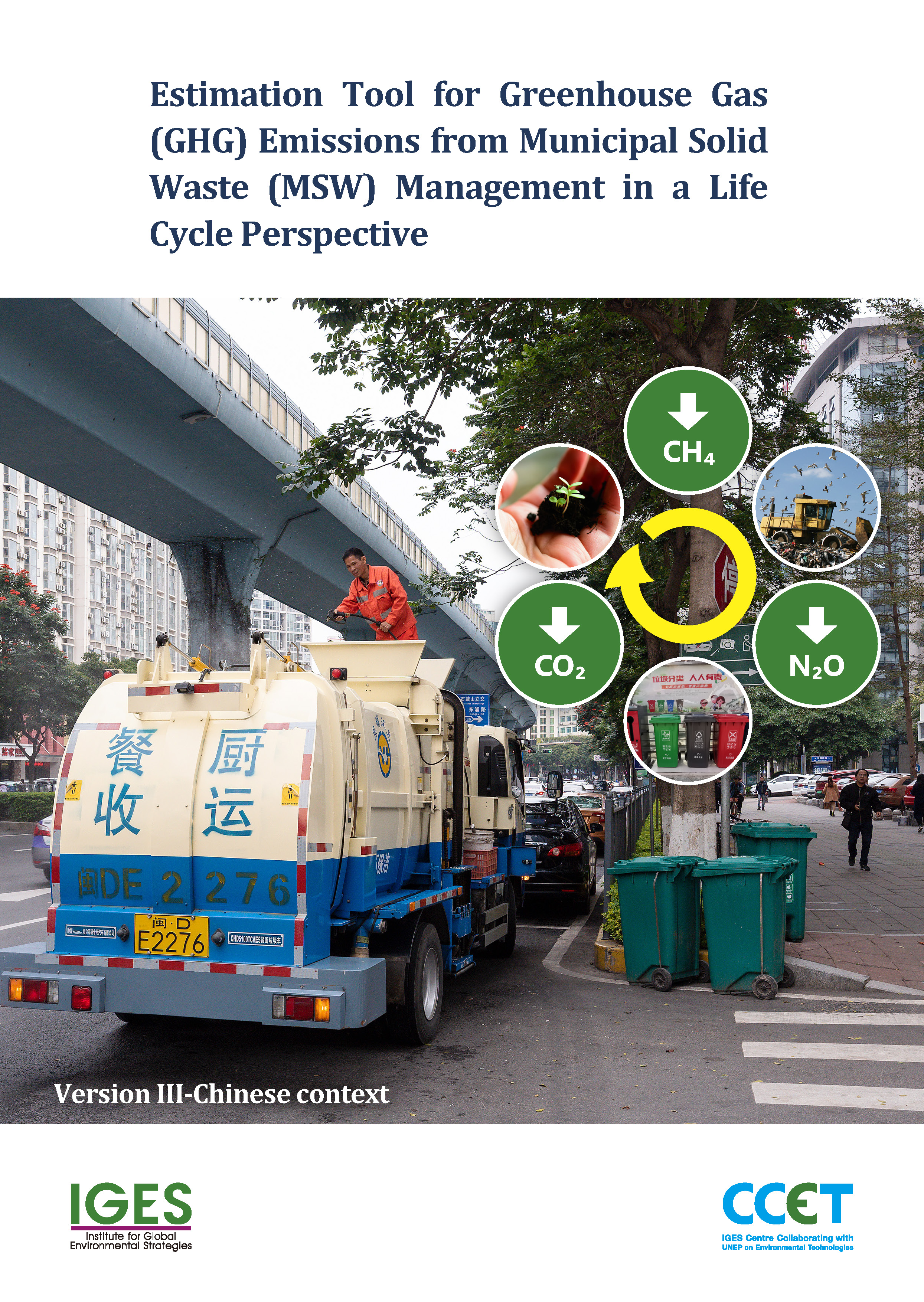
IGES Centre Collaborating with UNEP on Environmental Technologies (CCET) has developed version III of the IGES-GHG calculator entitled "Estimation Tool for Greenhouse Gas (GHG) Emissions from Municipal Solid Waste (MSW) Management in a Life Cycle Perspective", a tool that enables to estimate GHG emissions from the waste sector in China in the Life...