Results 21 - 30 of 139 (Sorted by date)
Policy Brief
T7/G7 Task Force 2 Wellbeing, Environmental Sustainability, and Just Transition Policy Brief
Author:
Jakob
Dirksen
Nabaghan
Ojha
Sumbal
Javed
Rolla
Moumné
Gabriela
Rigoni
Satoko
Yano
Katharina
Lima de Miranda
José
Stracquadaini
Aamer
Ikram
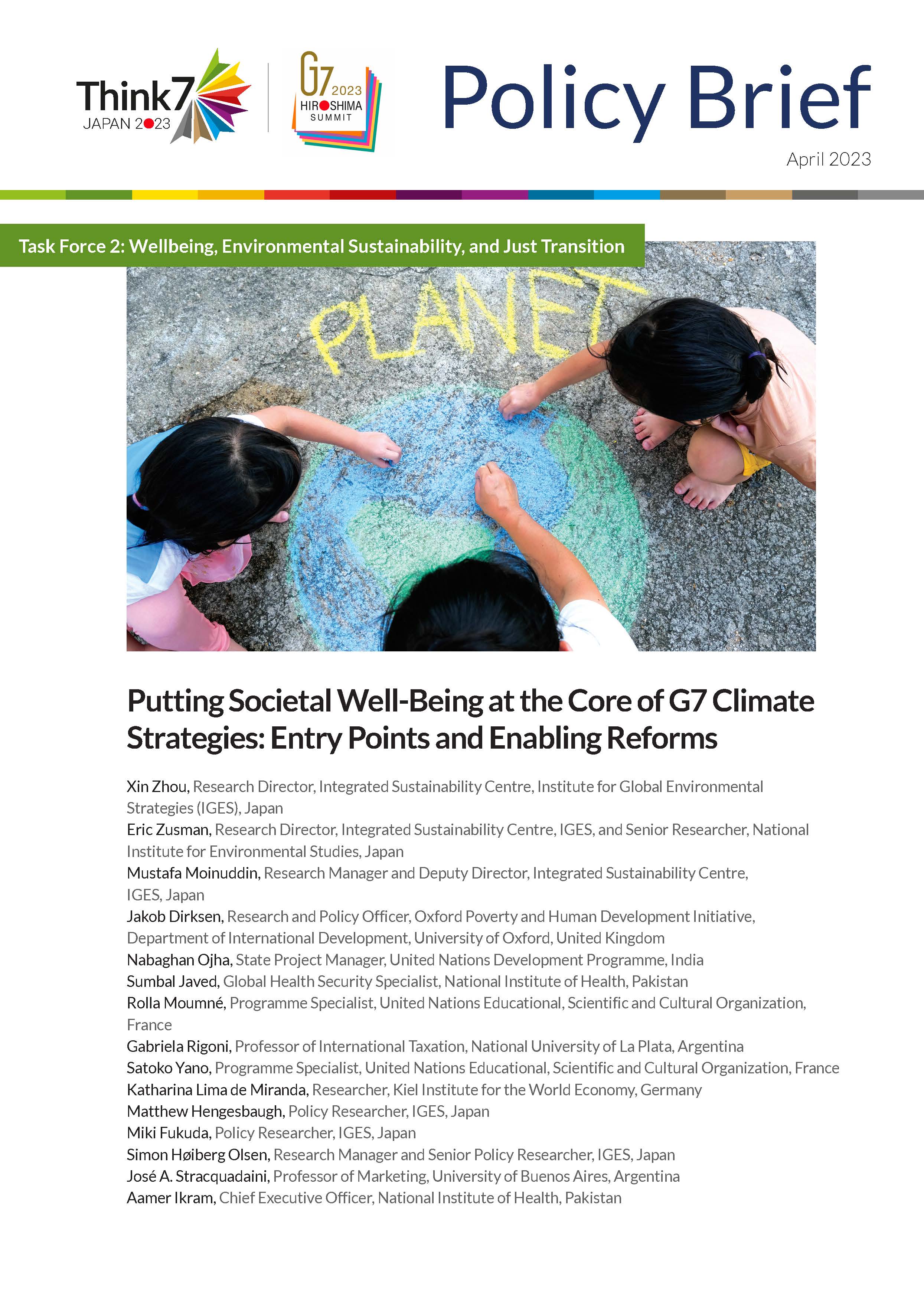
Integrating the Sustainable Development Goals (SDGs) into climate actions is essential for a healthy planet and people. Yet, national climate policies and international climate support programs often fail to explicitly recognize the interconnections between climate concerns and other priorities covered under the SDGs. This failure can leave key...

Commissioned Report
TPP協定「環境章」において、各国による違法伐採の抑止に働く行政措置の強化が規定されるとともに、日EU・EPAの「貿易と持続可能な開発章」においても、各国が違法伐採及び関連する貿易への対処に貢献することが規定されている。これらに対応するために、我が国の違法伐採木材への対策として平成29年5月に施行された「合法伐採木材等の流通及び利用の促進に関する法律」(通称「クリーンウッド法」。以下「クリーンウッド法」という。)を着実に運用していく必要がある。 本事業は、林野庁ホームページ「クリーンウッド・ナビ」に掲載されている生産国リスク情報を、木材関連事業者等の利用者がより活用しやすくするための検討及び情報の整理を行うことを目的とした。具体的には、①リスク情報に基づく基本的な合法性確認(デュー...
Commissioned Report
平成29年5月に「合法伐採木材等の流通及び利用の促進に関する法律」(通称「クリーンウッド法」)が施行され、同年11月からは、同法に基づく木材関連事業者の登録が始まった。このような中、木材関連事業者が同法に基づく合法性の確認等を効率的に行うことができるよう、国は同法第4条に基づき、同年5月から情報提供サイト「クリーンウッド・ナビ」を公開し、国別・地域別の違法伐採関連情報の提供を行っている。本事業は、「クリーンウッド・ナビ」の掲載情報の更新・拡充を行うとともに、掲載情報に関する事業者等からの問合せに対応することを目的とした。具体的には、①生産国における情報調査(カナダ ブリティッシュ・コロンビア州とオーストリア)、②「クリーンウッド・ナビ」の更新情報に関するコンテンツ作成、③「クリーンウッド...
Fact Sheet
Author:
Mariam
Kvaratskhelia
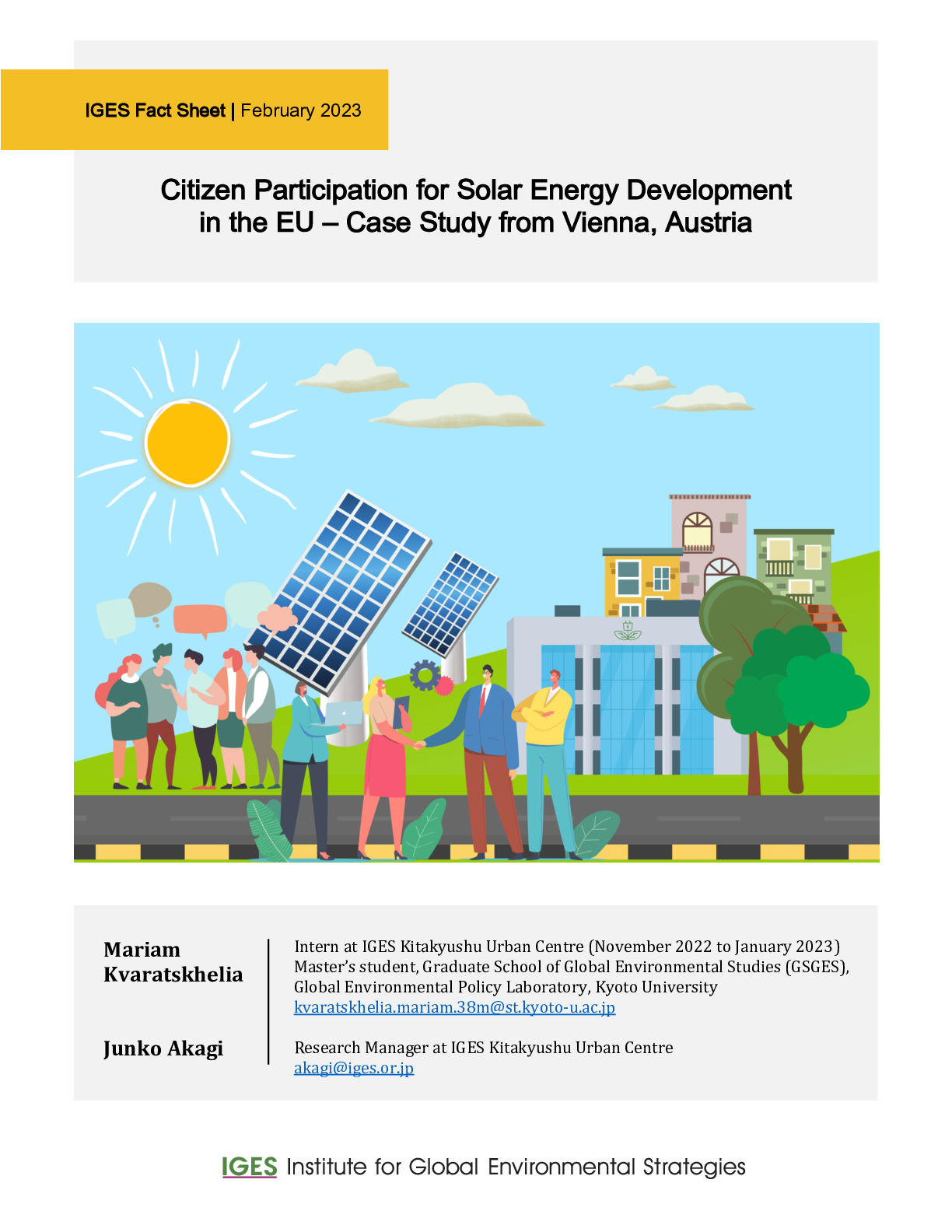
As a crucial part of transition towards sustainable energy systems, the European Union (EU) has been actively encouraging its citizens to participate in the uptake of solar energy. As a result, peoplecentred approaches, which put citizens at the heart of the energy transition process, have gained major momentum. By summarising the concept of...
Peer-reviewed Article
In Ecosystem Services
Author:
Mateja
ˇSmid Hribar
Keiko
Hori
Mimi
Urbanc
Matija
Zorn
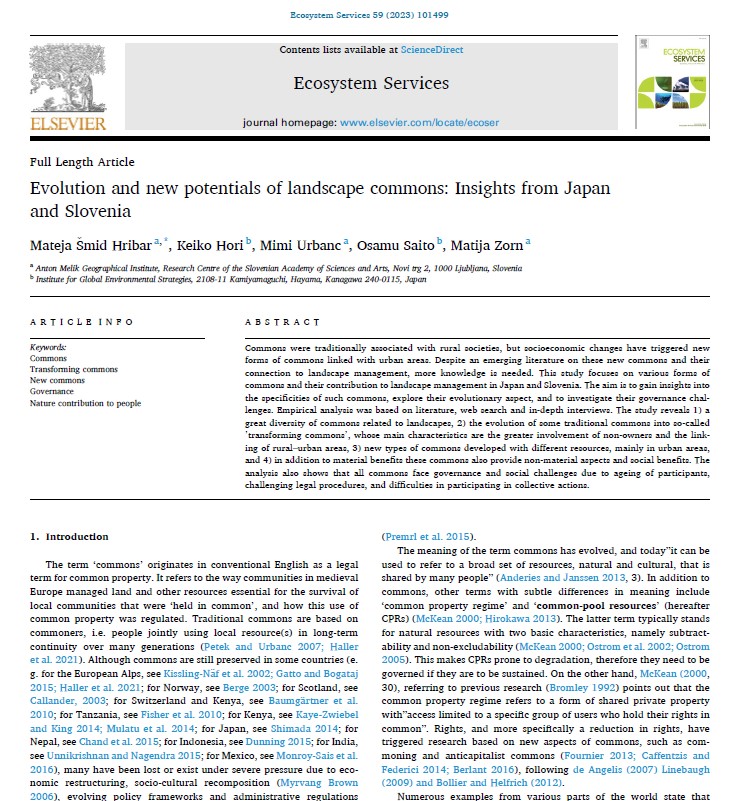
Commons were traditionally associated with rural societies, but socioeconomic changes have triggered new forms of commons linked with urban areas. Despite an emerging literature on these new commons and their connection to landscape management, more knowledge is needed. This study focuses on various forms of commons and their contribution to...
Non Peer-reviewed Article
In IATSS Review
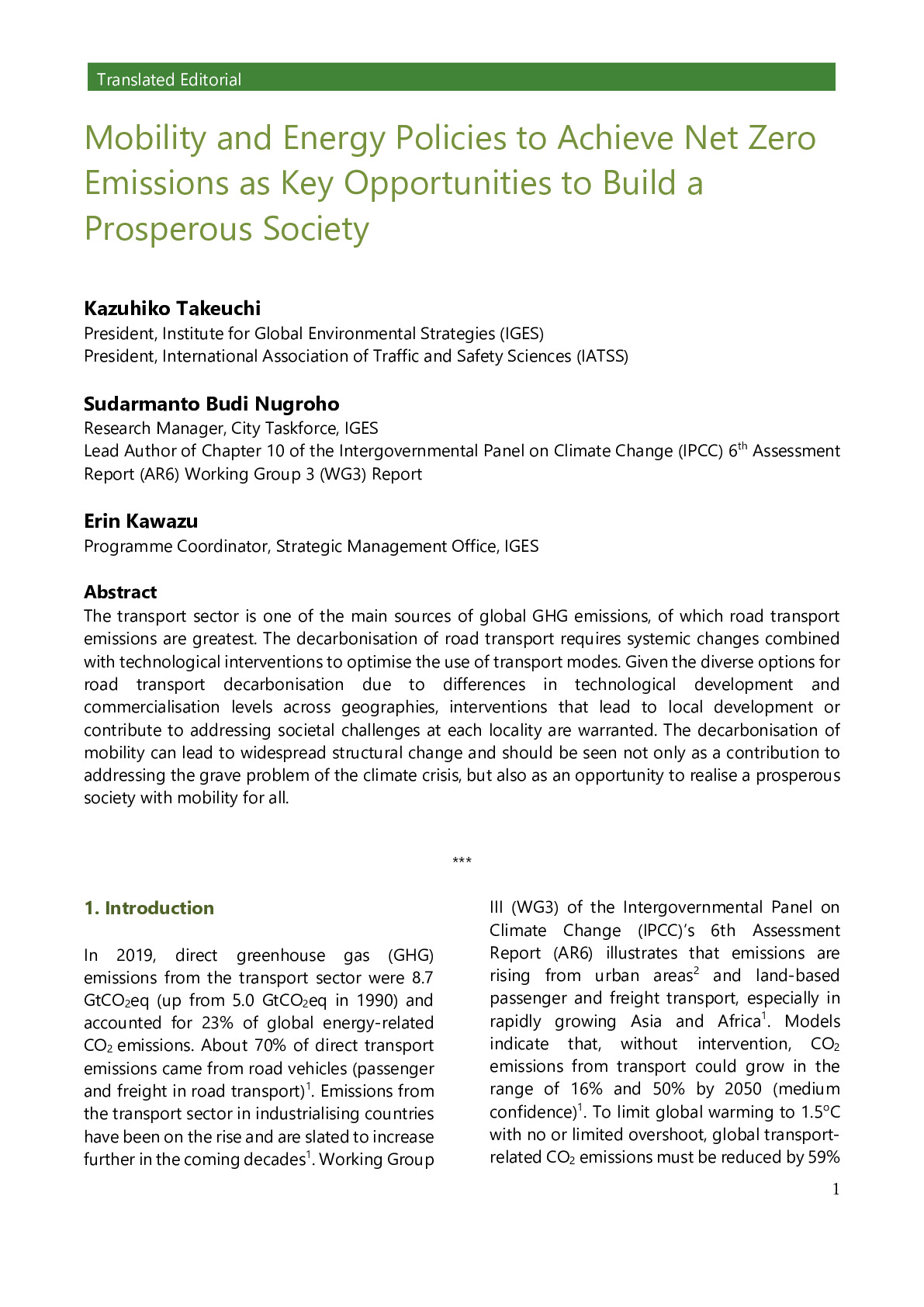
The transport sector is one of the main sources of global GHG emissions, of which road transport emissions are greatest. The decarbonisation of road transport requires systemic changes combined with technological interventions to optimise the use of transport modes. Given the diverse options for road transport decarbonisation due to differences in...
Presentation
SETAC North America
Author:
Valentina
Pauna
Susanne
Brander
Kara
Wiggin
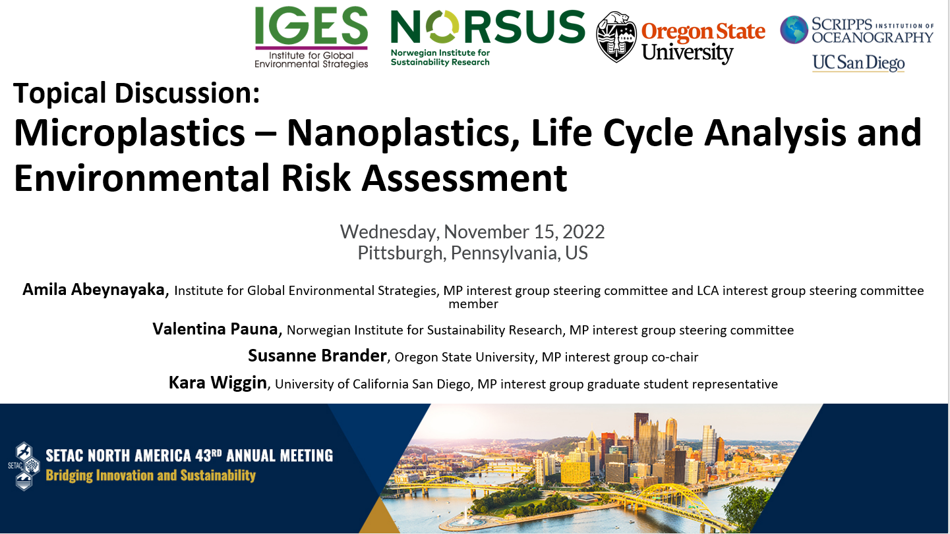
A global agreement to end plastic pollution must be based on pertinent, multi-disciplinary knowledge. Consideration of the full life cycle impacts of plastics and substitutes is important to achieve sustainable solutions rather than shifting the burden. Hence, this process requires considerations of fossil-based and biobased feedstocks for plastic...
Non Peer-reviewed Article
In 国際交通安全学会誌
運輸部門は、世界における温室効果ガス(GHG)の主な排出源の1つであり、特に道路輸送の比率が高い。道路輸送の脱炭素化には、技術革新と社会変革を組み合わせ、輸送手段を最適化することが求められる。道路輸送の脱炭素化に際しては、技術の進捗状況や商業化のレベルが国や地域によって大きく異なるため、地域ごとのまちづくりや社会的課題の解決につながるような方策が求められる。運輸部門の脱炭素化は、広範な社会構造の変化につながり、気候危機といった深刻な問題に対する解決に貢献するとともに、豊かな交通社会を導く好機となりうる。
Peer-reviewed Article
In Frontiers in Environmental Science | Freshwater Science
Author:
Tia
Jenkins
Bhaleka
Persaud
Win
Cowger
Kathy
Szigeti
Dominique
Roche
Erin
Clary
Stephanie
Slowinski
Benjamin
Lei
Ebenezer
Nyadjro
Thomas
Maes
Leah-Thornton
Hampton
Melanie
Bergmann
Julian
Aherne
Sherri
Mason
John
Honek
Fereidoun
Rezanezhad
Amy
Lusher
Andy
Booth
Rodney
Smith
Philippe Van
Cappellen
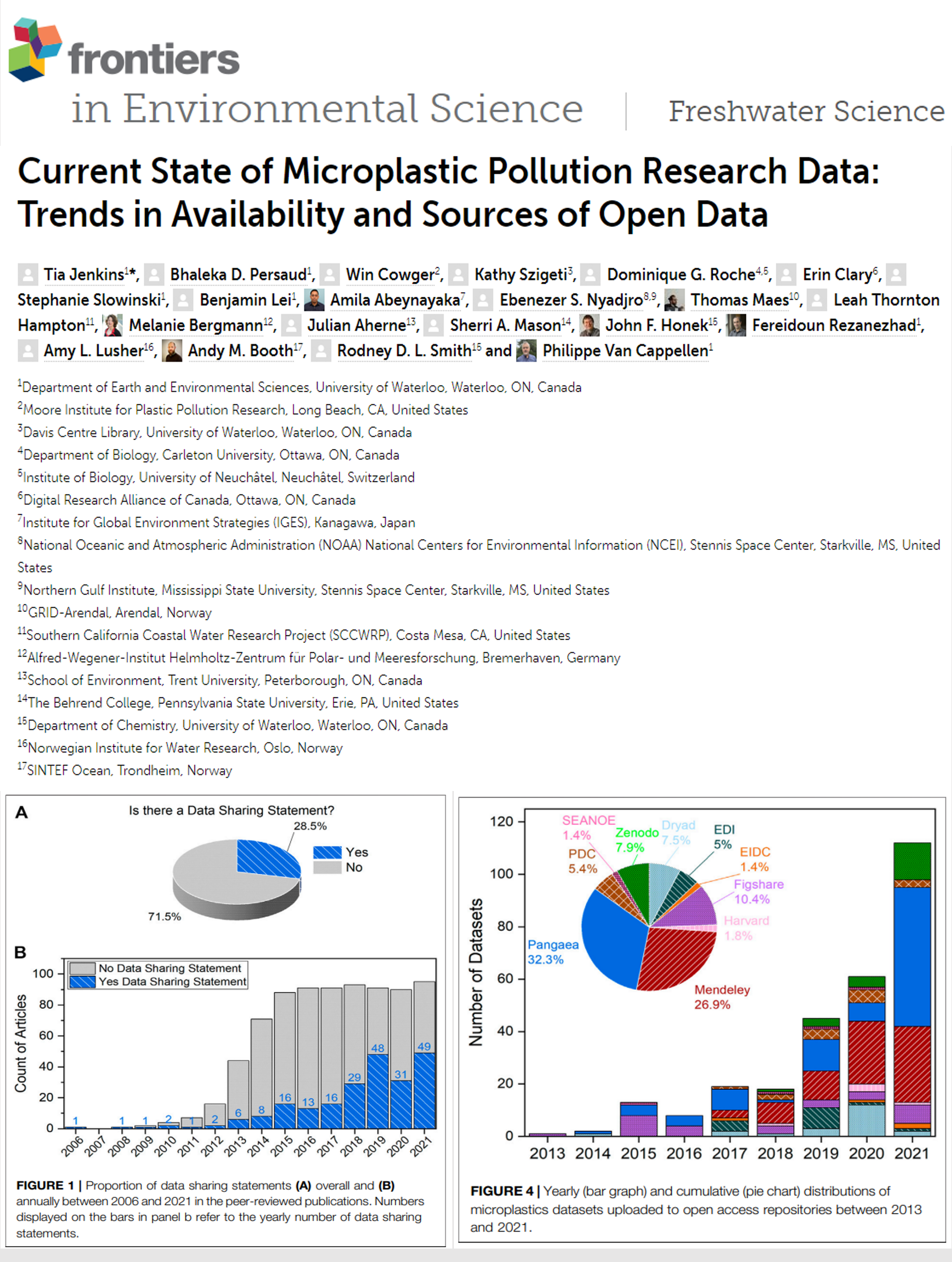
The rapid growth in microplastic pollution research is influencing funding priorities, environmental policy, and public perceptions of risks to water quality and environmental and human health. Ensuring that environmental microplastics research data are findable, accessible, interoperable, and reusable (FAIR) is essential to inform policy and...
Presentation
オンラインセミナー:クリーンウッド法は世界の動きをどう取り入れるか? 違法伐採から森林減少防止へ ~施行5年後見直しを機に考える~
ドイツとオーストラリアは、違法に伐採された木材の輸入を規制する法律を施行している。その規制において、事業者はどのようなデューデリジェンスの実施が求められているのか、また政府はその法律をどのように運用しているのかについて紹介した。ドイツは事業者のデューデリジェンスの結果に対して厳格な検査を実施することによって、オーストラリアは事業者のデューデリジェンスの理解を促進することによって、違法に伐採された木材の流通を回避しようとしていた。日本のクリーンウッド法の運用においても、法律の目的である違法伐採木材の流通を防止するために効果的な法運用を行う必要がある。