

Director of Research and Publications
Research Topics & Areas of Expertise
Environmental policy and governance, sustainable development goals, international cooperation on air pollution, economic integration/trade and environment, green economy, political economy and sustainable development.
Education
- Ph.D. in Political Science, Department of Government, Harvard University
- A.B. in Economics and Political Science, University of Illinois at Urbana-Champaign
Results 31 to 40 of 251 (Sorted by date)
Report Chapter
In Sixth ASEAN State of the Environment Report
• The SDGs encourage countries to develop synergies between the environment and the social and economic dimensions of sustainable development. This could help gain more support for environmental measures by the public as well as a broader range of policymakers. • AMS have extensively engaged with the SDG process, developing data and indicators and...
Report Chapter
In Sixth ASEAN State of the Environment Report
• Since its inception, ASEAN has had a vision of an integrated, sustainable, harmonious, peaceful, and productive region, with its “One Vision, One Identity, One Community”. • The three complementary communities, APSC, AEC, and ASCC, all include aspects of the future environmental conditions and quality of life desired for all ASEAN people, aligned...
Report Chapter
In Sixth ASEAN State of the Environment Report
▪ Environmental education (EE) and education for sustainable development (ESD) are needed to develop individuals’ and communities’ capacities through transformative education to build sustainable environments, economies, and societies through reconfiguring the relationship between people, the environment, the economy, and society. ▪ AMS face...
Report Chapter
In Sixth ASEAN State of the Environment Report
▪ Remarkable progress has been made to improve access to safe and clean drinking water over the last 20 years; however, water degradation caused by poor sanitation and hygiene services, low water-use efficiency for agriculture, and lack of appropriate domestic wastewater treatment systems are still common challenges observed in many ASEAN Member...
Report Chapter
In Sixth ASEAN State of the Environment Report
• By 2050, more than half the population of most ASEAN Member States (AMS) will live in cities, and by 2035 the ASEAN region will have at least five mega-cities. • Cities are a laboratory of local and global challenges and solutions, and ASEAN cities are frequently frontrunners in developing sustainable (model) cities, with multiple good practices...
Report Chapter
In Sixth ASEAN State of the Environment Report
• Climate change is already causing serious negative impacts in the region. In the future, extreme weather and sea level rise will cause mounting economic costs in terms of damage to health, infrastructure, and food security. • ASEAN Member States (AMS) have a variety of policies and responses to climate change adaptation and disaster risk...
Policy Report
Editor:
The ASEAN State of the Environment Report (SOER) is a regular flagship publication of the ASEAN Senior Officials on Environment (ASOEN) which is periodically published every 3-5 years. The SOERs present a comprehensive review of the state and trends of the environment, the pressures on it and the drivers of those pressures, and the national and...
Commentary (Op. Ed)
Science
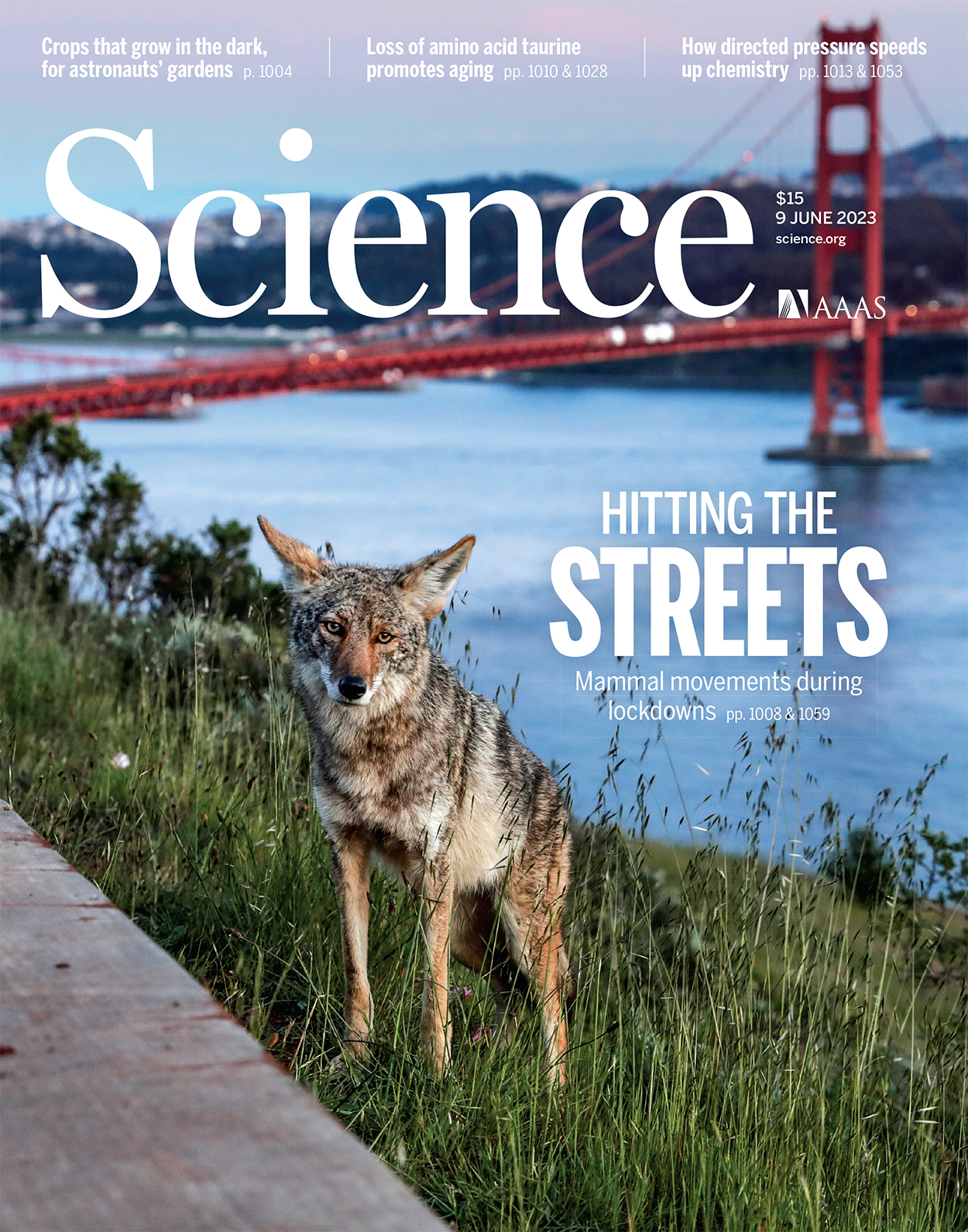
The United Nations identifies the drivers of the planetary crisis as climate change, biodiversity loss, and pollution. Mitigation requires reliable science to inform decision-making. However, relevant research is often underutilized in policy planning and implementation because policy-making entities limit the ability of scientists to contribute to...
Book Chapter
In Handbook of Air Quality and Climate Change
Air pollution is the greatest environmental threat to human health and well-being, responsible for seven million premature deaths per year. However, in the Sustainable Development Goals (SDGs), there is no headline goal or even target focusing on air pollution exclusively. The main argument of this chapter is that the successor to the SDGs should...
Keywords:
Issue Brief
T7 Japan Issue Paper
The 2030 Agenda for Sustainable Development and the Paris Agreement established a strong foundation for the coherent implementation of climate action and sustainable development objectives across all levels and sectors. However, recent global crises, such as climate, energy, the Russian invasion of Ukraine, the coronavirus disease (COVID-19), and...
No Projects Found.