

Director of CCET
Research Topics & Areas of Expertise
Participatory planning, Decentralised/ bottom-up development policies and practices, Sustainable cities, Integrated waste management, 3R (reduce, reuse and recycle) policies and practices, Circular society.
Education
PhD in Management Development, Nihon Fukushi University, Japan (2006)
MSc in Landscape Design, University of Moratuwa, Sri Lanka (1997)
BSc (1st class Hons) in Estate Management and Valuation, University of Sri Jayawardenapura, Sri Lanka (1994)
Results 121 to 130 of 299 (Sorted by date)
Policy Report
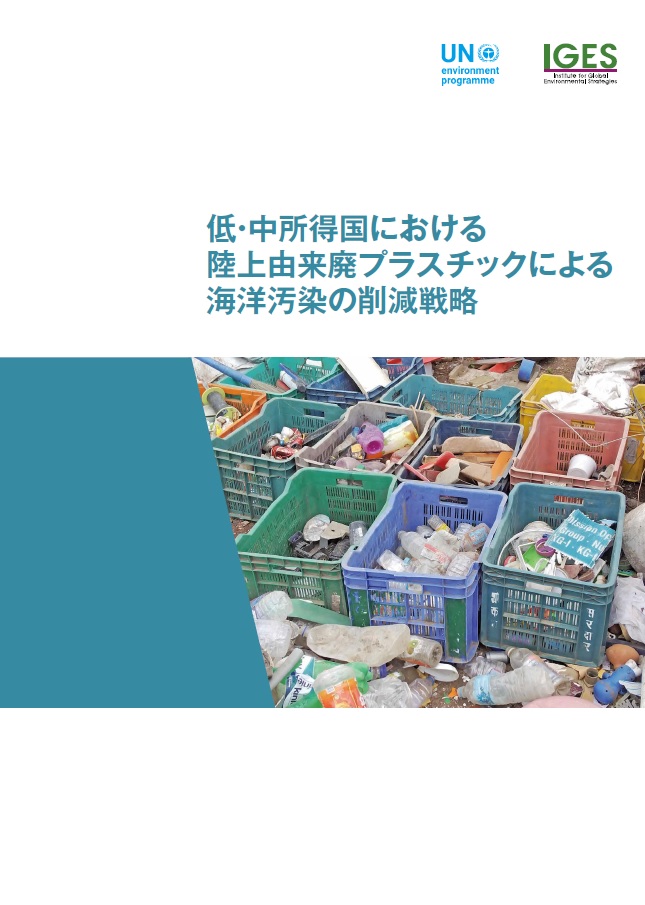
プラスチックの生産と消費パターンの拡大、とりわけ使い捨てプラスチックや不適切なプラスチック廃棄物の処理に伴い、海洋生態系でのプラスチック廃棄物の蓄積が急増している。海洋のプラスチック汚染の主たる原因(海洋ゴミの約80%)は陸上から海へ流出するプラスチックである事が知られており、海洋のプラスチック汚染は世界的な関心を集める課題となって多くの政府や自治体が対応策を模索している。 より環境にやさしく持続可能なプラスチックの生産と消費を行う社会を実現するには、様々な利害関係者の参加と監視・評価に基づく長期的な取り組みが必要である。その第一ステップとして本レポートは、利害関係者の参加を促進し、国の廃棄物処理方針に沿った廃プラスチックを抑制する包括的な計画の開発を提言する。そのため、IGES-CCET...
Policy Report
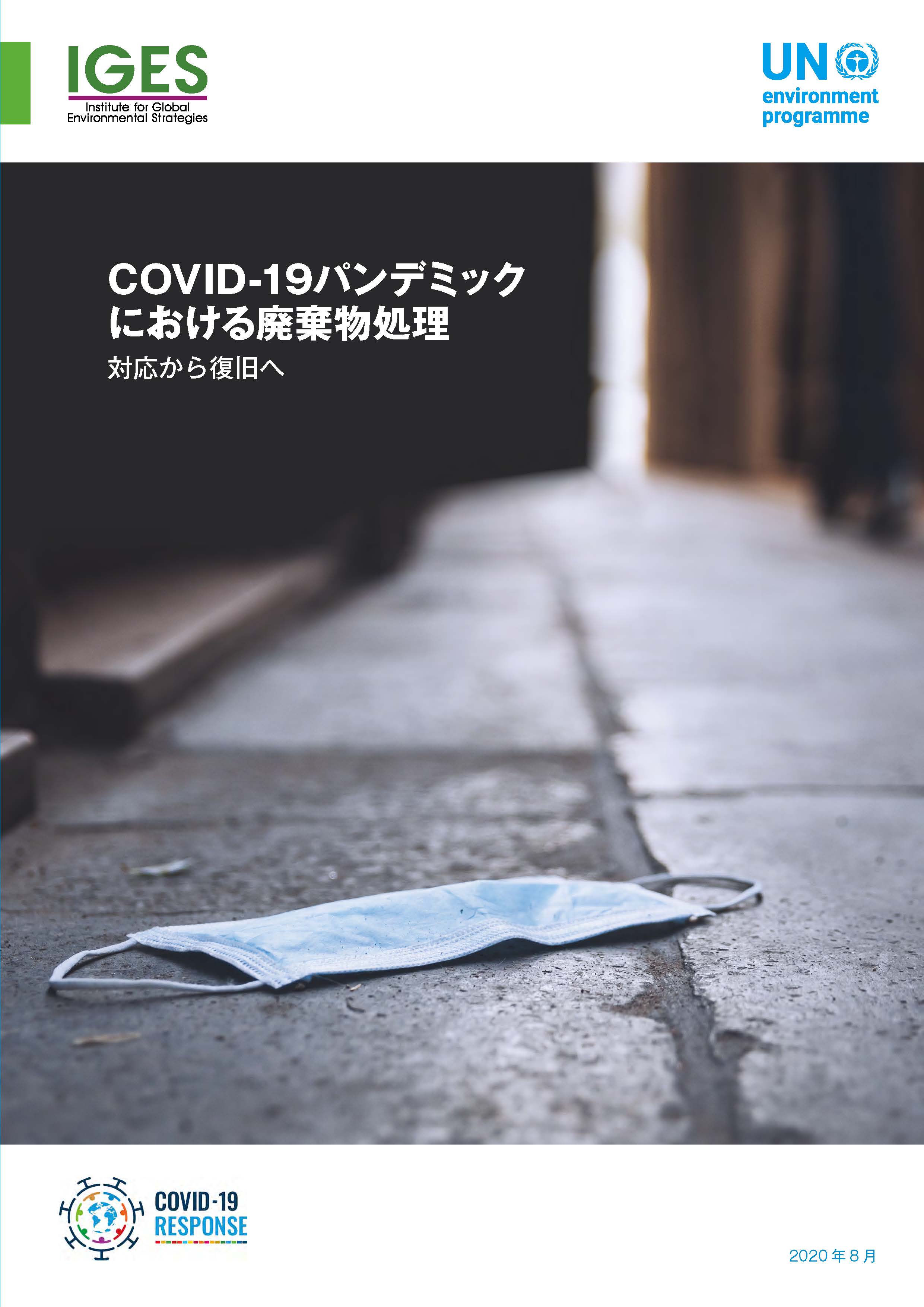
COVID-19パンデミック下で増加する医療廃棄物処理について、既存の国際機関・政府文書のレビューと国別アンケート調査(15カ国)さらには著名な専門家の見解をもとに現状・課題を明らかにするとともに、特に途上国が今現在参考にできる実践的な技術と事例、ならびに医療廃棄物処理を長期的に改善していくための具体的な提案を示しています。
Training or Learning Material
Editor:
Ugyen
Tshomo
Thinley
Dorji
Chhimi
Dorji
Krishna
Lal Chhetri
Shunichi
Honda
Keith
Alverson
Waste management is designated as one of the national flagship programme of Bhutan to address its growing waste management challenges, including aligning behaviours of different stakeholders based upon the common vision and goals shared among the society. Promotion of environmental education targeting young generation has also been positioned as...
Training or Learning Material
Waste management is designated as one of the national flagship programme of Bhutan to address its growing waste management challenges, including aligning behaviours of different stakeholders based upon the common vision and goals shared among the society. Promotion of environmental education targeting young generation has also been positioned as...
Submission to Policy Process
The Waste Management Strategy and Action Plan (WMSAP) for Negombo is the outcome of committed team effort of city officials led by the Mayor and Commissioner of the Negombo City. The strategy also received inputs from committee members of Negombo Municipal Council (NMC) which comprised of Finance Committee, Health Committee, Industrial Committee...
Discussion Paper
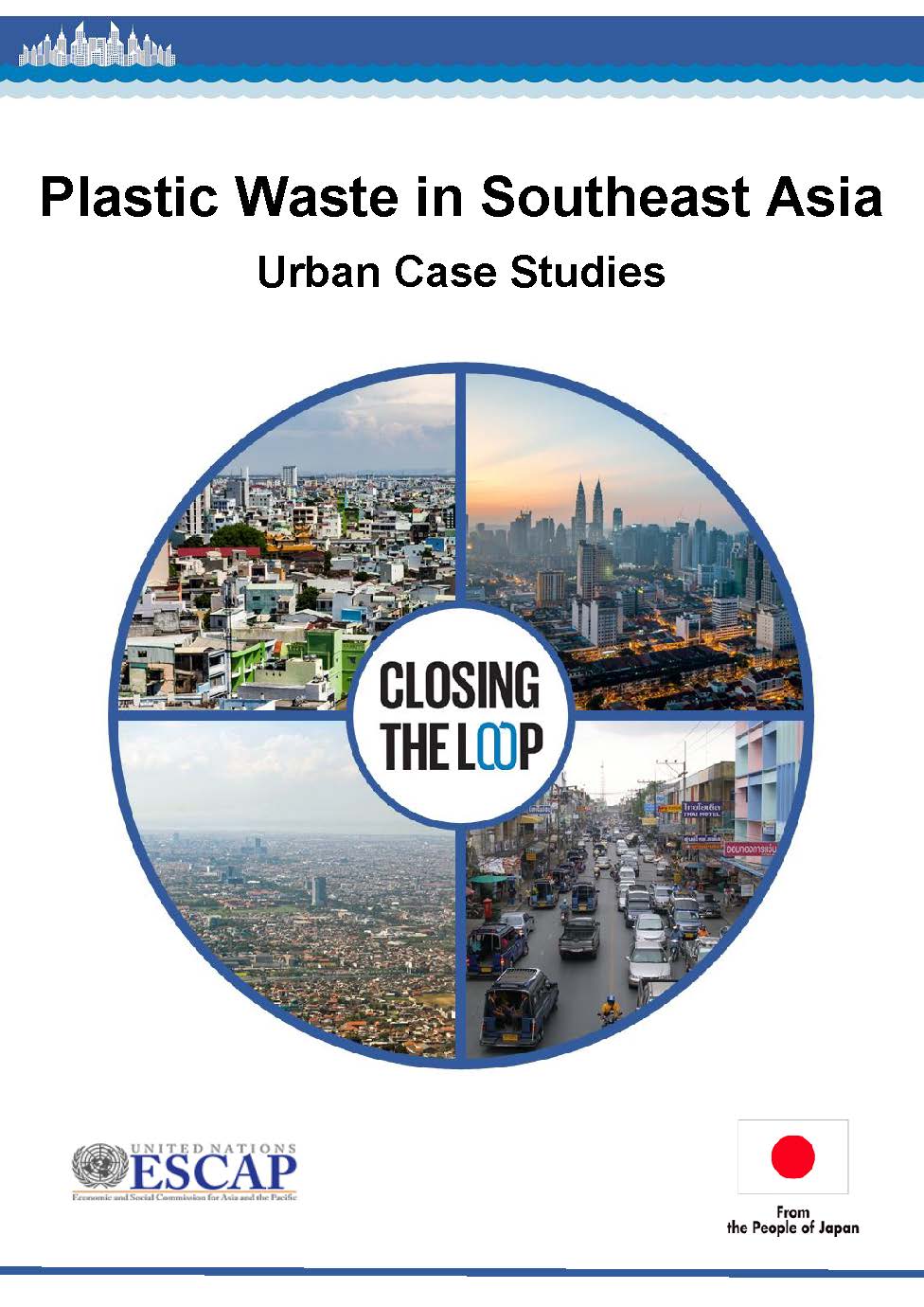
Unmanaged plastic waste poses a major socio-economic, environmental and health risk to urban and marine environments in the Asia Pacific. Each year South-east Asian countries produce 11.7 million metric tonnes of plastic waste, of which over 60% is derived from urban areas. Therefore a focus on effective city governance will be vital to tackle the...
Policy Report
This report provides practical information, suggestions, and guidelines on Healthcare Waste Management (HCWM) and Municipal Solid Waste Management (MSWM) given the restrictions and limitations imposed by the ongoing pandemic, including lack of human resources, technologies, equipment, and funds. This report builds on existing and ad- hoc...
Submission to Policy Process
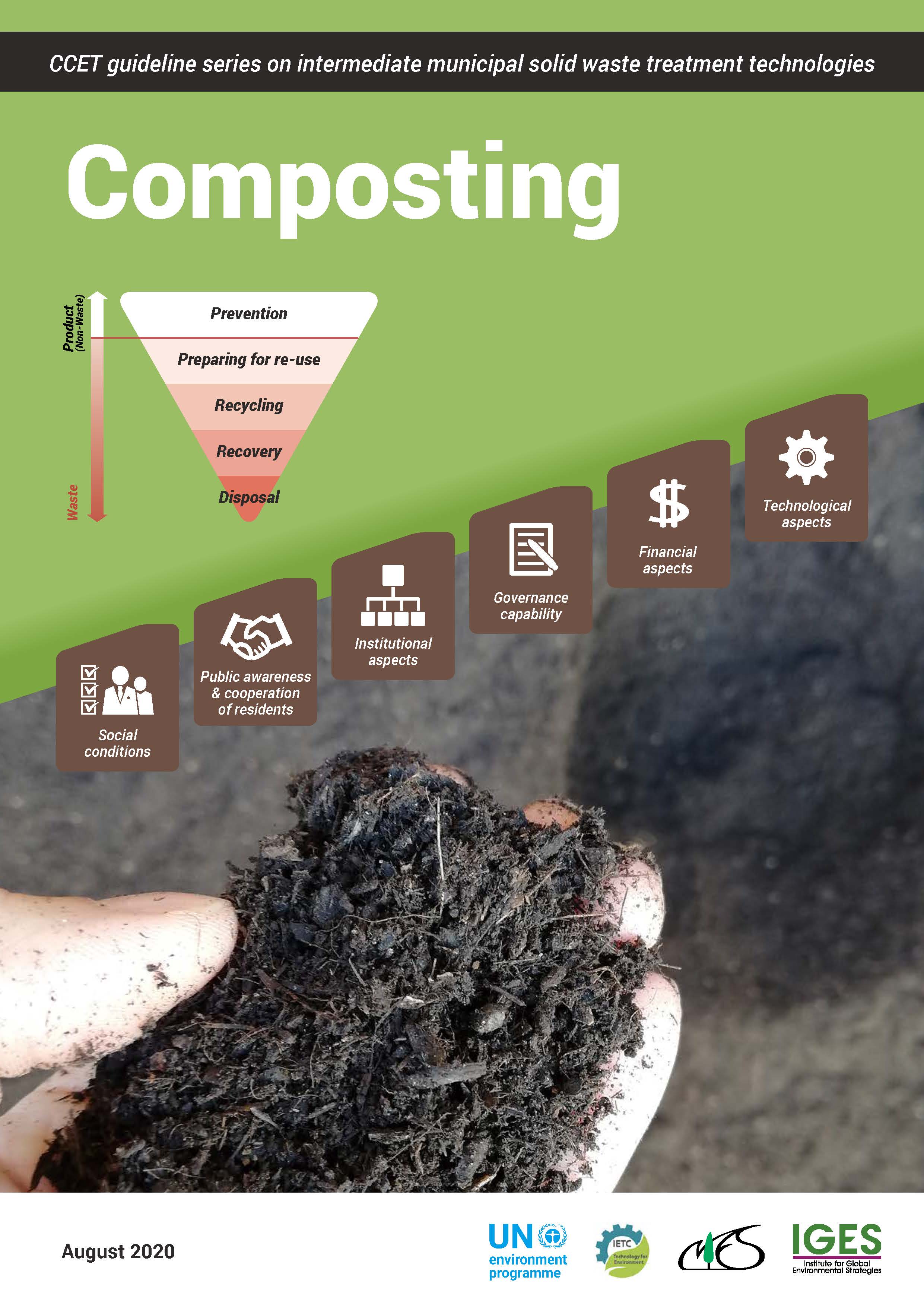
This Composting Guideline was prepared by the researchers from the National Institute for Environmental Studies (NIES) and the Institute for Global Environmental Strategies (IGES) focusing on the introduction of composting projects based on source separation of organic waste and aerobic fermentation at plants for Municipal Solid Waste (MSW)...
Submission to Policy Process
With a population of 250 million, Indonesia is the fourth most populous country and second-largest plastic polluter in the world after China. The country produces 3.2 million tonnes of un-managed plastic waste a year, of which about 1.29 million tonnes ends up in the marine environment. In addition, approximately 10 billion plastic carry bags...
Presentation
With a population of 250 million, Indonesia is the fourth most populous country and second-largest plastic polluter in the world after China. The country produces 3.2 million tons of unmanaged plastic waste a year, of which about 1.29 million tons ends up in the sea (Jambeck, 2015). In addition, approximately 10 billion plastic carry bags, equal to...
Results 1 to 4 of 4 (Sorted by date)
Project
Updated: March 2025
Emission Quantification Tool (EQT): A Pathway to Climate-Friendly Waste Solutions
The Emission Quantification Tool (EQT) was developed by the Institute for Global Environmental Strategies (IGES) as a science-based tool designed to empower policymakers and practitioners to estimate emissions, plan climate-friendly systems, and...
Project
Updated: March 2026
IGES Plastic Focus: Tackling Pollution and Advancing Circular Solutions
This special webpage highlights global developments in addressing plastic pollution, focusing on the growing importance of the circular economy as a solution. It also showcases IGES contributions to this agenda, including its environmental policy...
Project
Updated: January 2024
IGES Activity on COP28
Hosted in Dubai, United Arab Emirates, the 28th meeting of the Conference of the Parties to the United Nations Framework Convention on Climate Change (UNFCCC COP28) will begin on 30 November 2023. Before, during and after COP28, this Special Webpage
Project
Updated: September 2023
G20 (2023) Special webpage
In September, the G20 Summit will convene in New Delhi, India. The world is now facing the simultaneous crises of climate change and biodiversity loss, as well as tackling the consequences of Russia's invasion of Ukraine over one year ago. To deal wi