
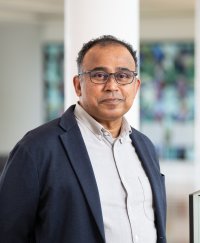
Director of CCET
Research Topics & Areas of Expertise
Participatory planning, Decentralised/ bottom-up development policies and practices, Sustainable cities, Integrated waste management, 3R (reduce, reuse and recycle) policies and practices, Circular society.
Education
PhD in Management Development, Nihon Fukushi University, Japan (2006)
MSc in Landscape Design, University of Moratuwa, Sri Lanka (1997)
BSc (1st class Hons) in Estate Management and Valuation, University of Sri Jayawardenapura, Sri Lanka (1994)
Results 141 to 150 of 299 (Sorted by date)
Book Chapter
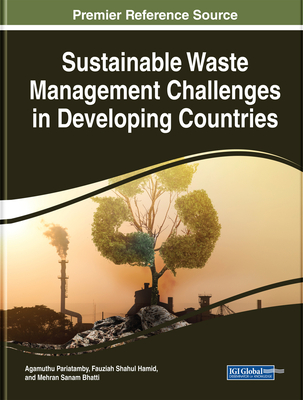
In Sustainable Waste Management Challenges in Developing Countries
Myanmar, the largest country in mainland Southeast Asia, has been facing considerable challenges with the management of solid waste in the recent past because of increasing income and consumption patterns, urban growth, and lack of effective waste management policies, treatment, and disposal methods. Waste management is also a crosscutting issue...
Policy Report
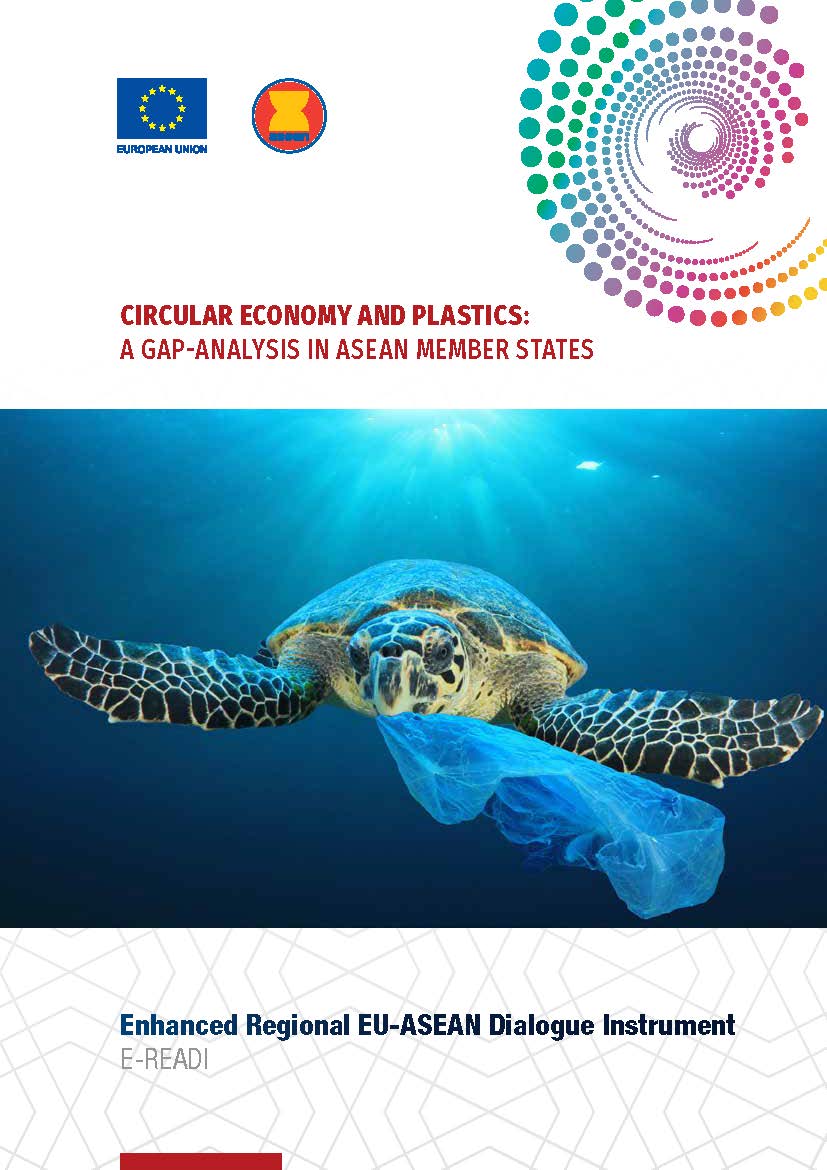
Plastic pollution is one of the biggest global threats. Plastics use and waste have been rapidly growing, in particularly emerging Asia. Southeast Asia, with its high population density, strong economic dynamism, and generally inadequate waste management systems, is a hotspot for the challenges. With this as a background, ASEAN and the EU have...
Conference Proceeding
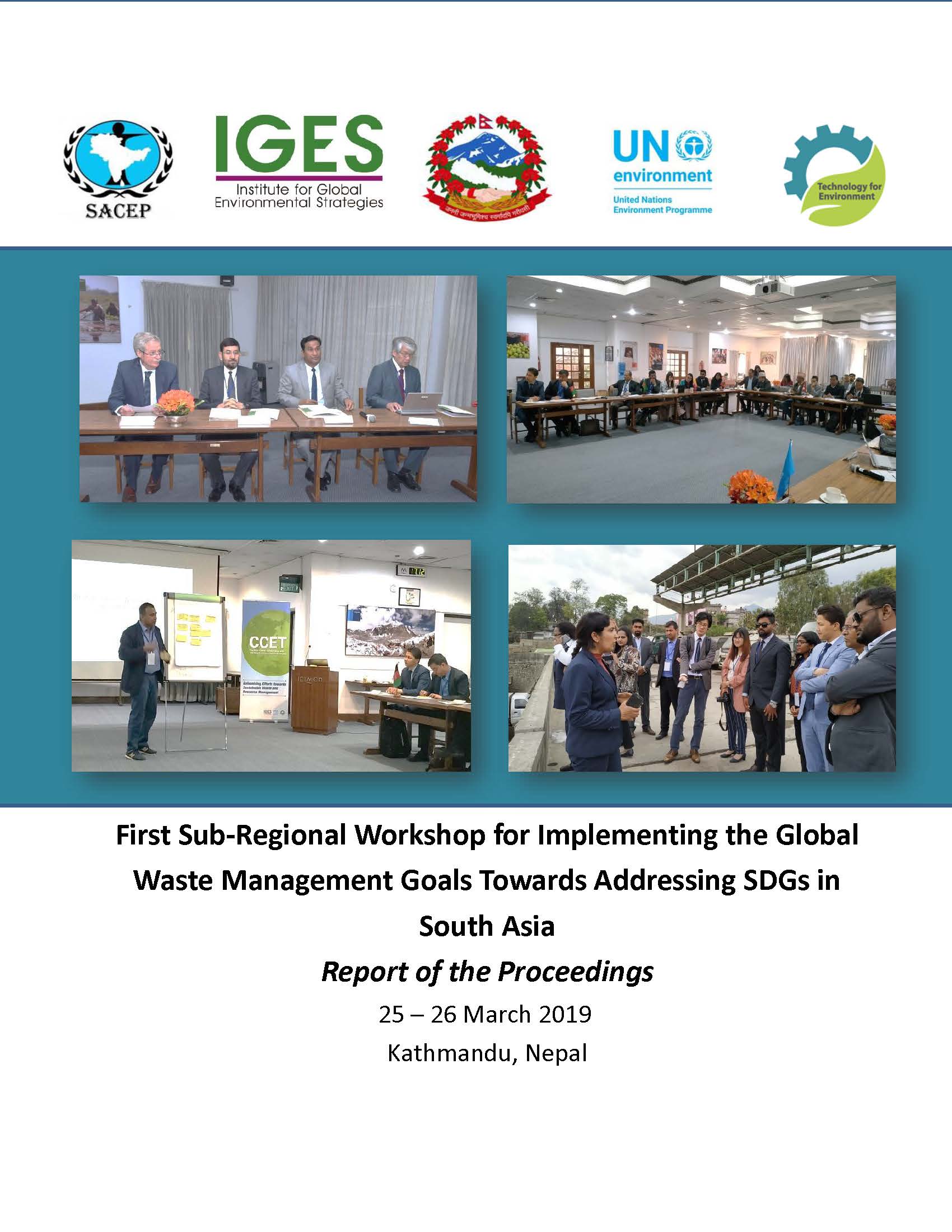
First Sub-Regional Workshop on Preparation of Status Report and Sub-regional Road map for implementing the Global Waste Management Goals toward Addressing SDGs in South Asia
Home to roughly 1.8 billion people, South Asia generates approximately 334 million tonnes of waste per year of which 174 million tonnes (57%) is organic in content. In addition to the increase in municipal solid waste, managing complex and emerging waste streams, including e-waste, food waste, construction and demolition waste, disaster waste...
Discussion Paper
Asia’s rapid urbanization and economic growth over the past few decades have resulted in an increasing number of social and environmental challenges. Municipal Solid Waste Management (MSWM) stands out amongst these issues, as the waste itself is highly visible and prevalent, increasing environmental pollutions (land, air and water), climate change...
Submission to Policy Process
This Work Plan provides comprehensive and up-to-date analysis on the status, challenges and opportunities of waste management in Medan City, including relevant regulations and policies, administrative structure, waste management cost, waste quality and quantity, waste collection, 3Rs (reduce, reuse, recycle), and final disposal. Based on such...
Non Peer-reviewed Article
In URBANET
The significance of environmentally sound waste management for achieving sustainable consumption and production as well as a pollution free planet was one of the key priorities discussed at the recently concluded United Nations Environment Assembly (UNEA4) in Nairobi. Recognising the co-benefits of sustainable waste management to meet the...
Data or Tool
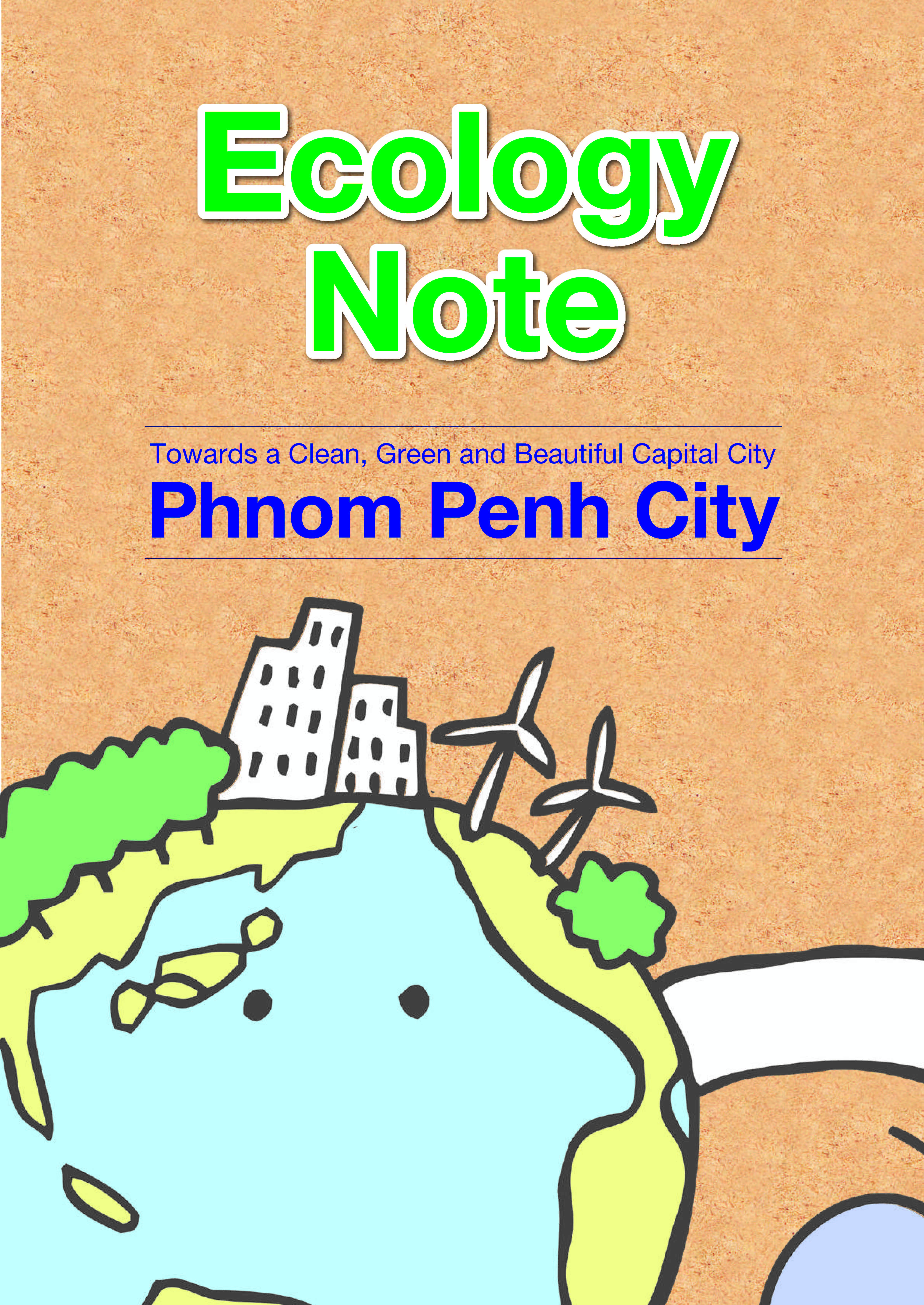
Ecology Note – Towards Clean and Beautiful Capital City – is a supplementary material for primary school teachers who wish to introduce environmental education for the first time, or for those who want to enhance the scope of educational work in addition to what is already taught in the classrooms. The scope of environmental education is wide...
Submission to Policy Process
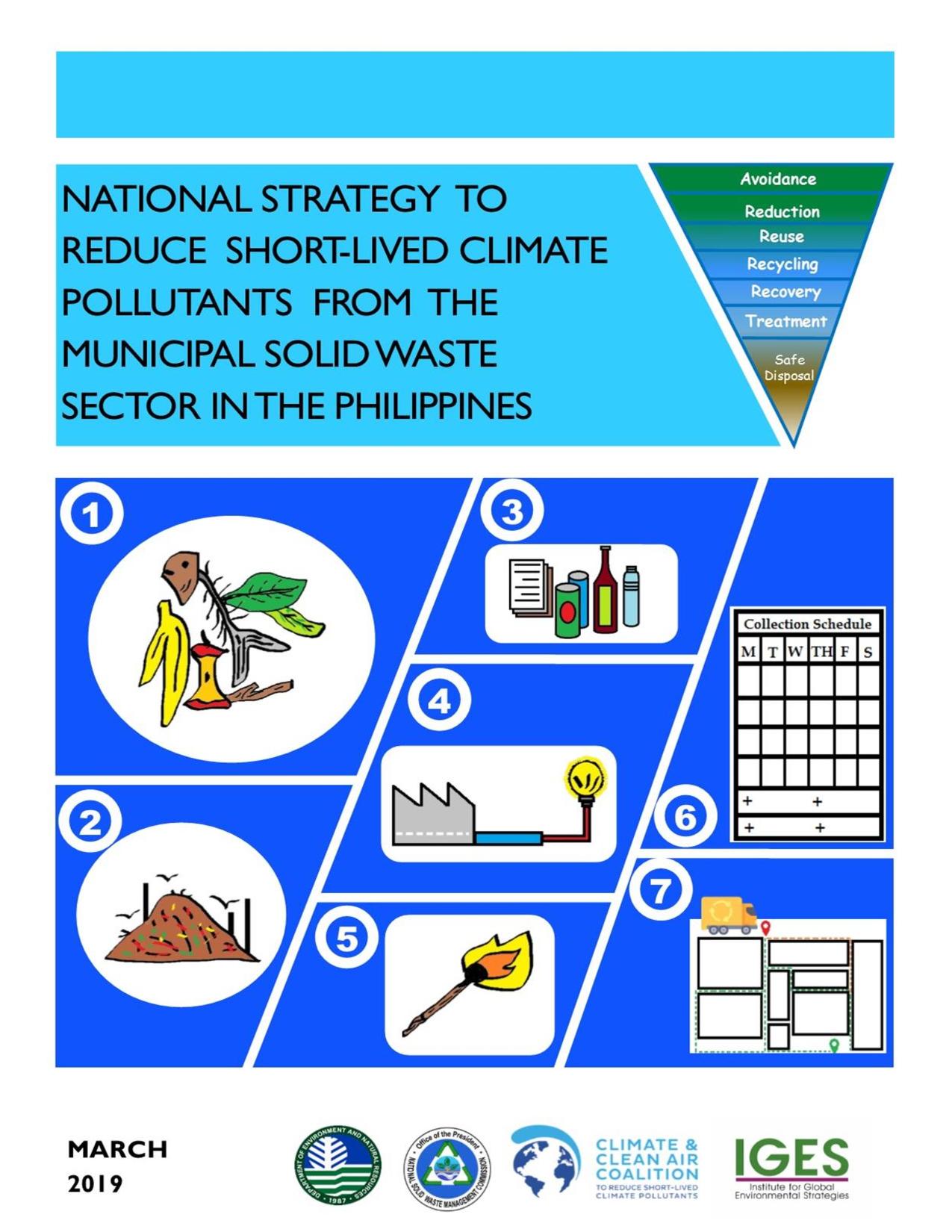
The National Strategy to Reduce Short-Lived Climate Pollutants from the Municipal Solid Waste Sector in the Philippines was developed through a multi-stakeholder consultation process led by the Department of Environmental and Natural Resources (DENR) through its Environmental Management Bureau’s (EMB) Climate Change Division (CCD) and Solid Waste...
Presentation
First Sub-Regional workshop on Preparation of status Report and Sub-regional Roadmap for Implementing the Global Waste Management Goals toward Addressing SDGs in South Asia
Home to roughly 1.8 billion people, South Asia generates approximately 334 million tonnes of waste per year of which 174 million tonnes (57%) is organic in content. In addition to the increase in municipal solid waste, managing complex and emerging waste streams, including e-waste, food waste, construction and demolition waste, disaster waste...
Presentation
TRAINING WORKSHOP FOR THE SAAFURAAJJE SMALL GRANT AWARD WINNERS
This presentation was delivered as a part of the training workshop on Saafraaj which was organized with aimed at developing capacity of Island Council members of Zone 6, Maldives, towards implementation of the regional waste management strategy.
Results 1 to 4 of 4 (Sorted by date)
Project
Updated: March 2025
Emission Quantification Tool (EQT): A Pathway to Climate-Friendly Waste Solutions
The Emission Quantification Tool (EQT) was developed by the Institute for Global Environmental Strategies (IGES) as a science-based tool designed to empower policymakers and practitioners to estimate emissions, plan climate-friendly systems, and...
Project
Updated: March 2026
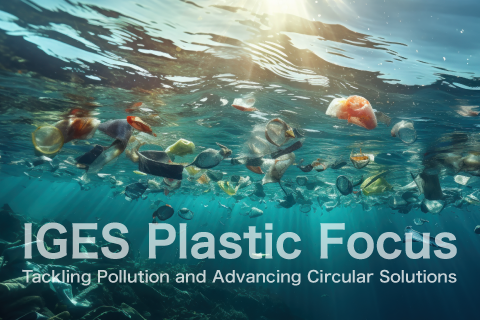
IGES Plastic Focus: Tackling Pollution and Advancing Circular Solutions
This special webpage highlights global developments in addressing plastic pollution, focusing on the growing importance of the circular economy as a solution. It also showcases IGES contributions to this agenda, including its environmental policy...
Project
Updated: January 2024
IGES Activity on COP28
Hosted in Dubai, United Arab Emirates, the 28th meeting of the Conference of the Parties to the United Nations Framework Convention on Climate Change (UNFCCC COP28) will begin on 30 November 2023. Before, during and after COP28, this Special Webpage
Project
Updated: September 2023
G20 (2023) Special webpage
In September, the G20 Summit will convene in New Delhi, India. The world is now facing the simultaneous crises of climate change and biodiversity loss, as well as tackling the consequences of Russia's invasion of Ukraine over one year ago. To deal wi