This catalogue has been produced for the workshops and home experiments organised by the 1.5ºC Lifestyle Project. A decarbonised lifestyle to reduce the carbon footprint (CFP), including CO₂ emissions plus CO₂ equivalent of the other greenhouse gas (GHG) emissions, per Japanese person from 7,600 kg per year (2015) to 2,500 kg per year (about 1/3)...
Results 2771 - 2780 of 6467 (Sorted by date)
This catalogue has been produced for the workshops and home experiments organised by the 1.5ºC Lifestyle Project. A decarbonised lifestyle to limit the carbon footprint (CFP), including CO₂ emissions plus CO₂ equivalent of the other greenhouse gas (GHG) emissions to 2,500 kg per year in 2030 and 700 kg per year in 2050. The options are divided into...
Global Asia Studies Workshop
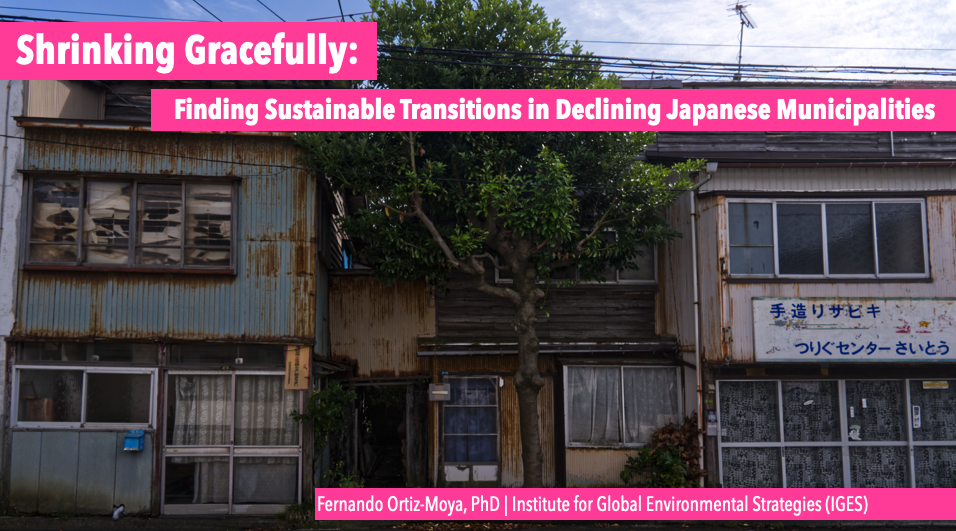
Japan is shrinking. How are Japanese cities and towns adapting their policies to this new context? Local governments are struggling to identify suitable development models to address their smaller size, heavily relying on pro-growth responses seeking to halt and reverse population decline. They are tirelessly trying to lure urban migrants, increase...
In Water
Inhabitants of low-lying islands face increased threats due to climate change as a result of their higher exposure and lesser adaptive capacity. Sagar Island, the largest inhabited estuarine island of Sundarbans, is experiencing severe coastal erosion, frequent cyclones, flooding, storm surges, and breaching of embankments, resulting in land...
In Frontiers in Earth Science
India observes the summer monsoon in June–July–August–September (JJAS) season, and the livelihood security of a huge population depends on it. The impact of the monsoon onset timing, length of monsoon season, rainfall amount, and related extreme events is huge on the Indian economy. Therefore, understanding the inherent intricacies needed a...
The government of Japan published a draft of the 6th Strategic Energy Plan in August 2021 following an interval of three years since the previous plan in 2018. After hearing public comments and carrying out reviews among the relevant ministries, the draft was finally adopted by the Cabinet in October. Based on the plan, this report makes an...
Keywords:
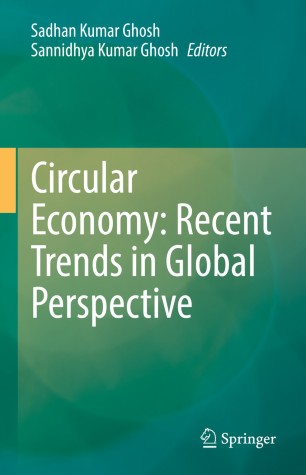
In Circular Economy: Recent Trends in Global Perspective
Our longing for incessant and rapid economic growth came at a cost of inefficient and wasteful use of resources and environmental pollution. The consequences are immense and far exceeding the planetary capacities to regenerate itself at such a fast pace. It became clear that a transition to sustainable societies cannot occur with our current linear...
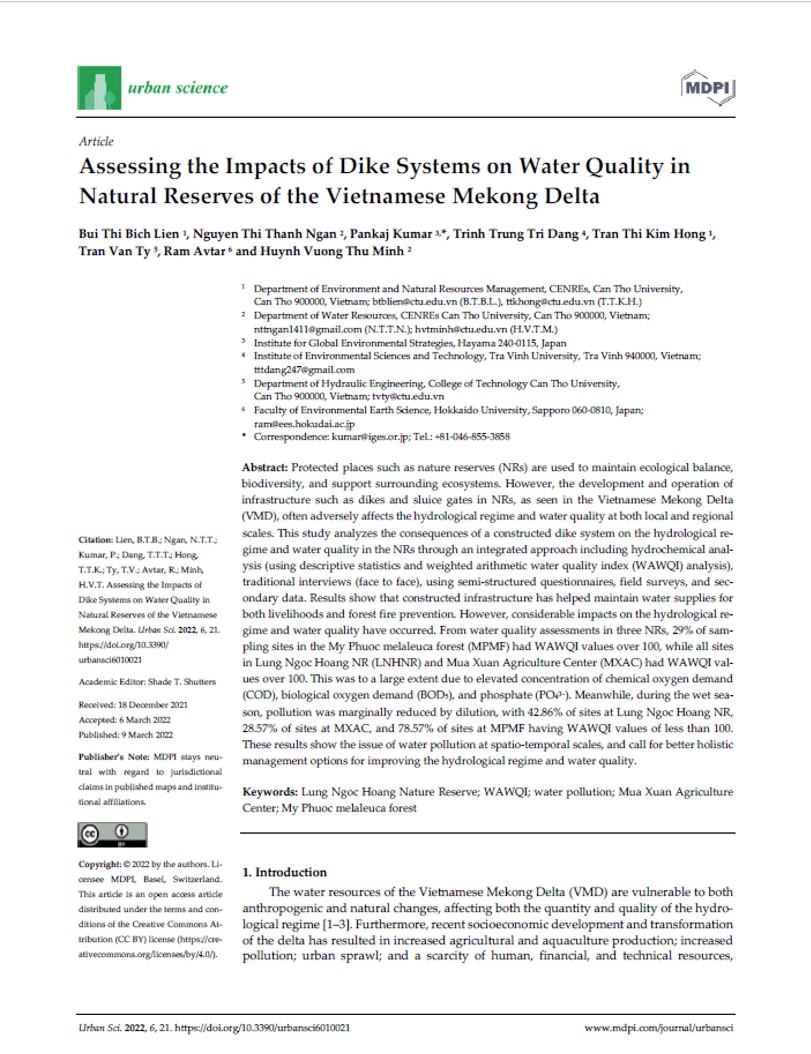
In Urban Science
Protected places such as nature reserves (NRs) are used to maintain ecological balance, biodiversity, and support surrounding ecosystems. However, the development and operation of infrastructure such as dikes and sluice gates in NRs, as seen in the Vietnamese Mekong Delta (VMD), often adversely affects the hydrological regime and water quality at...
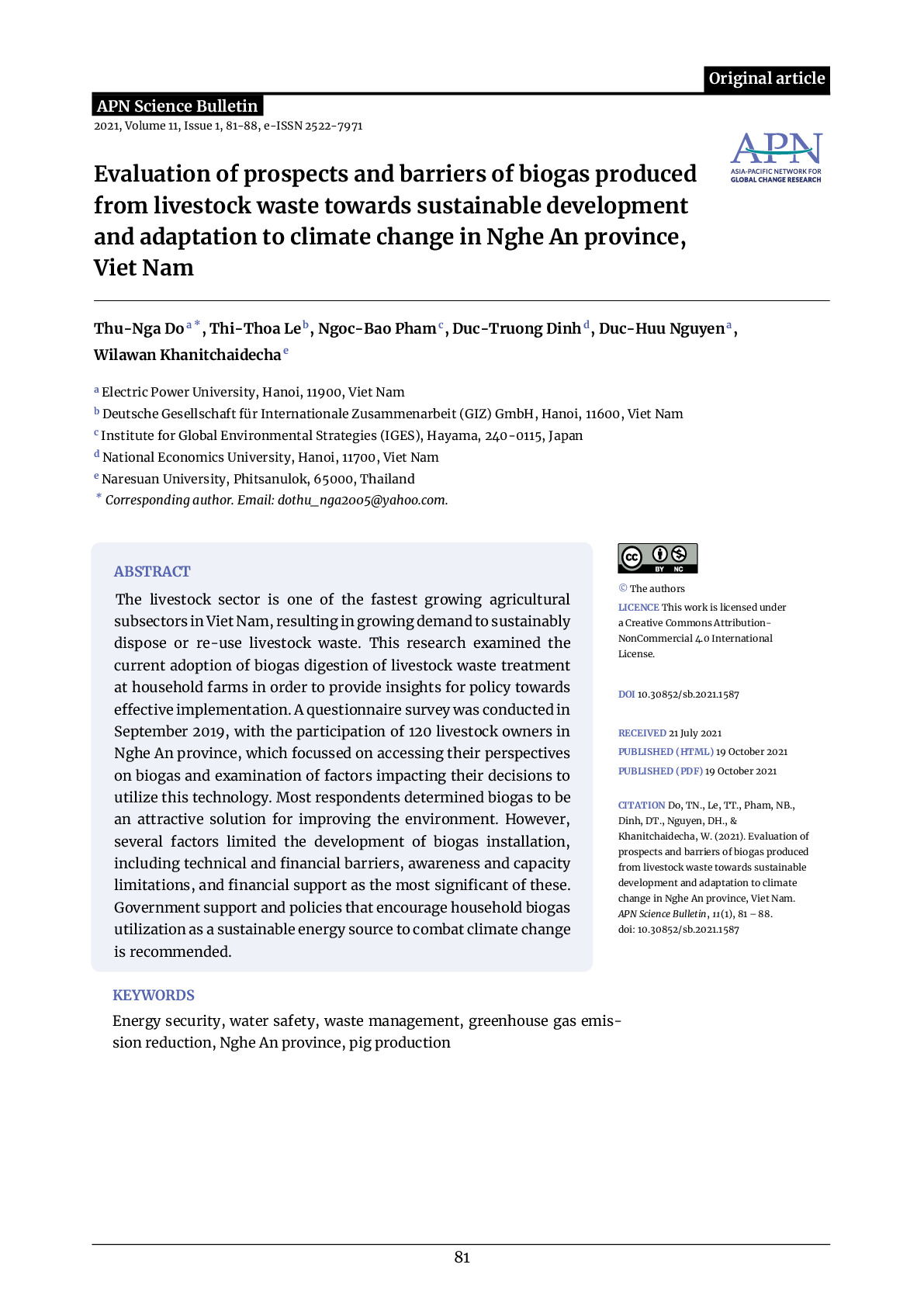
In APN Science Bulletin
The livestock sector is one of the fastest growing agricultural subsectors in Viet Nam, resulting in growing demand to sustainably dispose or re-use livestock waste. This research examined the current adoption of biogas digestion of livestock waste treatment at household farms in order to provide insights for policy towards effective implementation...
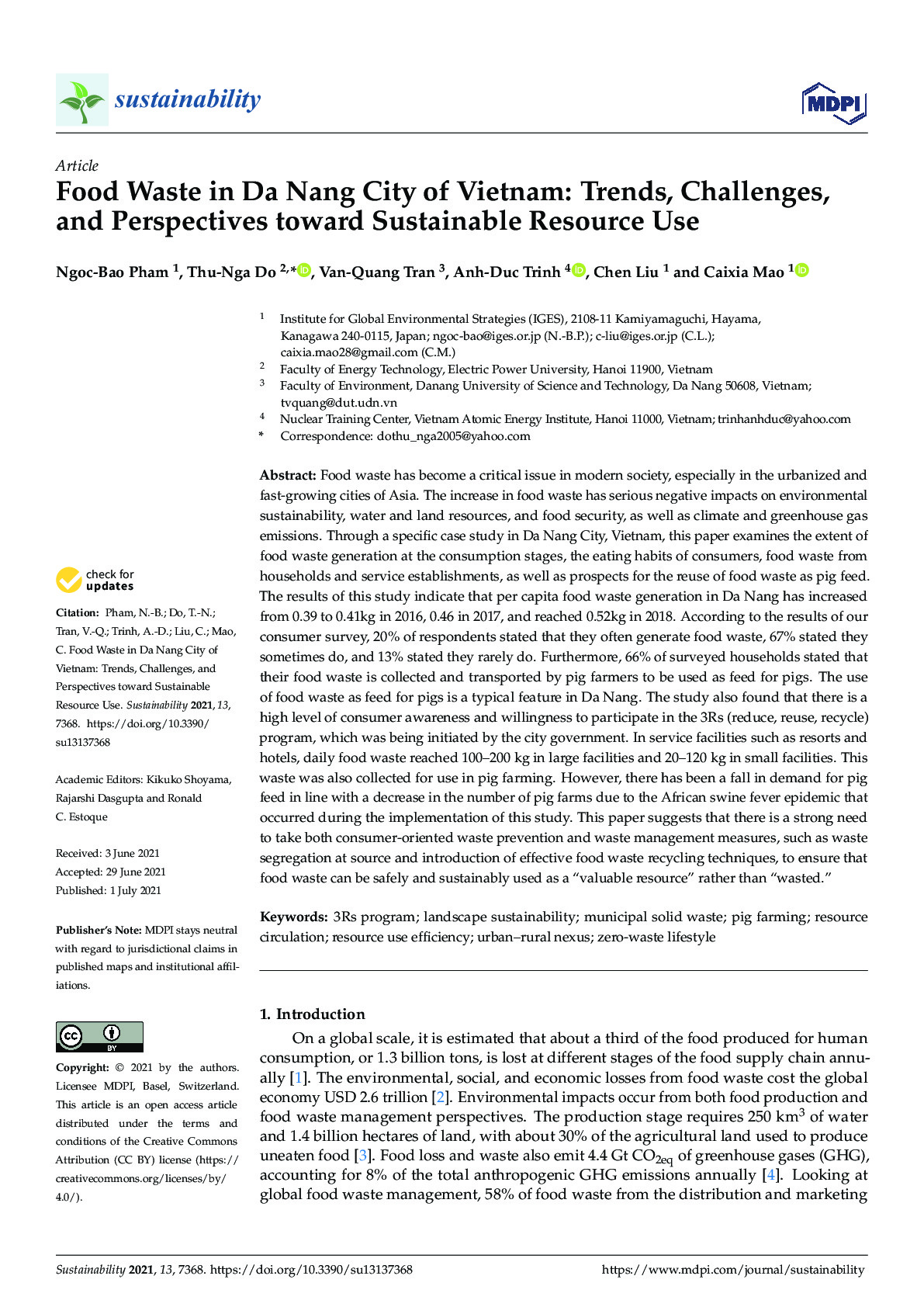
In Sustainability
Food waste has become a critical issue in modern society, especially in the urbanized and fast-growing cities of Asia. The increase in food waste has serious negative impacts on environmental sustainability, water and land resources, and food security, as well as climate and greenhouse gas emissions. Through a specific case study in Da Nang City...