Search

Results 2571 - 2580 of 6422 (Sorted by date)
Presentation
Inclusive and Participatory Climate and Disaster Insurance
As a key mechanism for risk transfer, climate insurance schemes can and have been implemented in different sectors and different forms around the world, including indemnity- and index-based schemes, agricultural insurance, livestock insurance, and disaster insurance. While insurance holds great potential to increase resilience, they need to be...
Presentation
7th Asia Pacific Climate Change Adaptation Forum
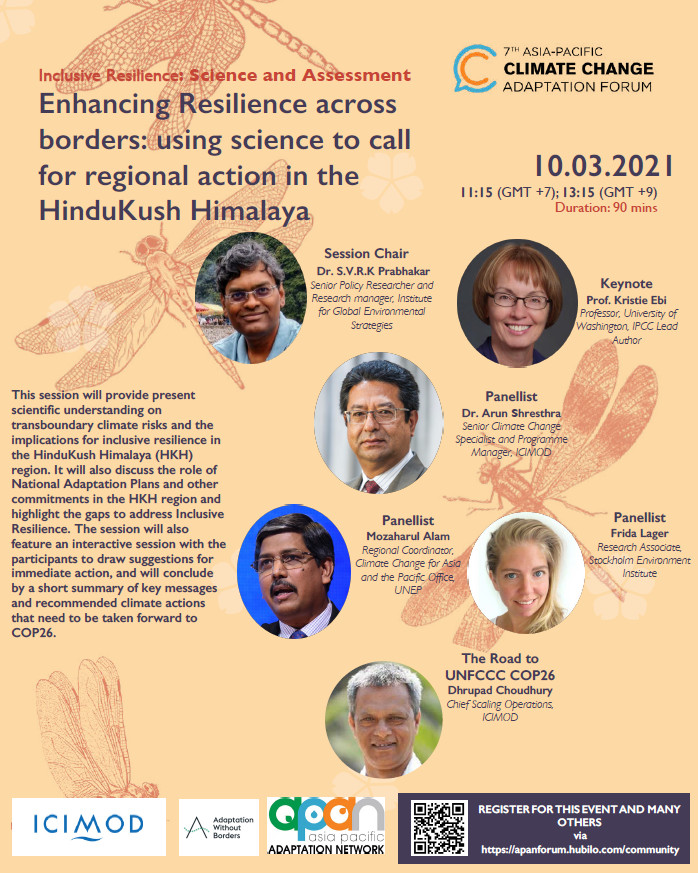
The Hindu Kush Himalayan (HKH) region comprises the mountainous region spanning eight countries in South Asia, including Afghanistan, Bangladesh, Bhutan, China, India, Myanmar, Nepal, and Pakistan. The HKH region is endowed with significant transboundary freshwater resources and biodiversity reserves. Nearly ten glacier, rainfall, and snow-fed...
Peer-reviewed Article
In Global Ecology and Conservation
Author:
Mesfin
Sahle
Travis
Reynolds
Despite expanding interest in nature's contributions to people (NCP) studies, understanding of sacred natural sites’ contributions to human society and the restoration of fragmented landscapes remains relatively limited. This study examines the diversity and extent of NCP by church forests in a fragmented tropical landscape in southern Ethiopia. We...
Conference Paper
Author:
Asia-Pacific Climate Change Adaptation Network (APAN)
UNEP
IUCN
The Asia and the Pacific is extremely vulnerable to the impacts of climate change. In 2020, the region faced a record number of climate-related disasters coupled with the COVID-19 pandemic, affecting tens of millions of vulnerable people. The need to address climate change threats and build resilience has never been more urgent than now. This...
Peer-reviewed Article
In Water
Author:
Soham
Halder
Koushik
Das
Abhijit
Mukherjee
One third of the world’s population reside in water-stressed areas, and as the socio-economic impacts of climate change intensify, coastal ecosystems are particularly vulnerable. Over the last few decades, researchers and policymakers have been looking at the existing water demand–resource relationship to predict future trends and prioritize better...
Peer-reviewed Article
In Hydrology
Author:
Jheel
Bastia
Binaya Kumar
Mishra
The lack of strategic planning in stormwater management has made rapidly urbanizing cities more vulnerable to urban water issues than in the past. Low infiltration rates, increase in peak river discharge, and recurrence of urban floods and waterlogging are clear signs of unplanned rapid urbanization. As with many other low to middle-income...
Peer-reviewed Article
In Sustainability: Science, Practice and Policy
Author:
Tomohiro
Tasaki
Yusuke
Kishista
Eri
Amasawa
Pongsun
Bunditsakulchai
Jitti
Mungkalasiri
Masahiko
Hirao
Ensuring sustainable consumption and production (SCP) patterns is an important task for achieving Sustainable Development Goal 12 by 2030. To facilitate international and domestic collaboration toward regional SCP, we developed a collaborative workshop method to generate and structure ideas about consumption and production (CP) patterns and...
Peer-reviewed Article
In Sustainability
Author:
Since 2015, the international policy community has started to agree on international agreements with ambitious middle-term and long-term goals, highly relevant to sustainable consumption and production (SCP) such as those seen in the Paris Agreement, SDGs, and the plastic-related agreements at the G7 and G20 processes. Along with this trend, there...
Training or Learning Material
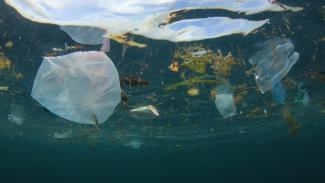
Plastic pollution and marine litter is one of today's most serious emerging issues and without any countermeasures, the amount of plastic waste in the ocean will outweigh fish by 2050, posing a threat to the environment and our way of life. It is said that the COVID-19 pandemic has increased pollution from disposable products, such as plastic face...
Discussion Paper
Unmanaged plastic waste poses a major socio-economic, environmental and health risk to urban and marine environments in the Asia Pacific. Each year South-east Asian countries produce 11.7 million metric tonnes of plastic waste, of which over 60% is derived from urban areas. Therefore a focus on effective city governance will be vital to tackle the...