Search

Results 2151 - 2160 of 6467 (Sorted by date)
Commentary (Op. Ed)
- The APFSD has grown into a useful multi-stakeholder platform for sharing experiences and networking around sustainable development. - It is important to examine whether stakeholder engagement provides meaningful space for the stakeholders and whether it is built on the “minimum requirement” of protecting and respecting human rights. - Subregional...
Commentary (Op. Ed)
- The deliberations of the Forum of Ministers and Environment Authorities of Asia Pacific provide a guide for what to look for from the Asia Pacific delegates during UNEA4. - During the Forum: Asia Pacific showed a strong interest in waste management and resource efficiency; the Forum’s discussions on innovation touched on technical, policy, and...
Submission to Policy Process
Author:
Voltaire
ACOSTA
Maria Delia Cristina M.
VALDEZ
Liz
SILVA
Crispian
LAO
Albert A.
MAGALANG
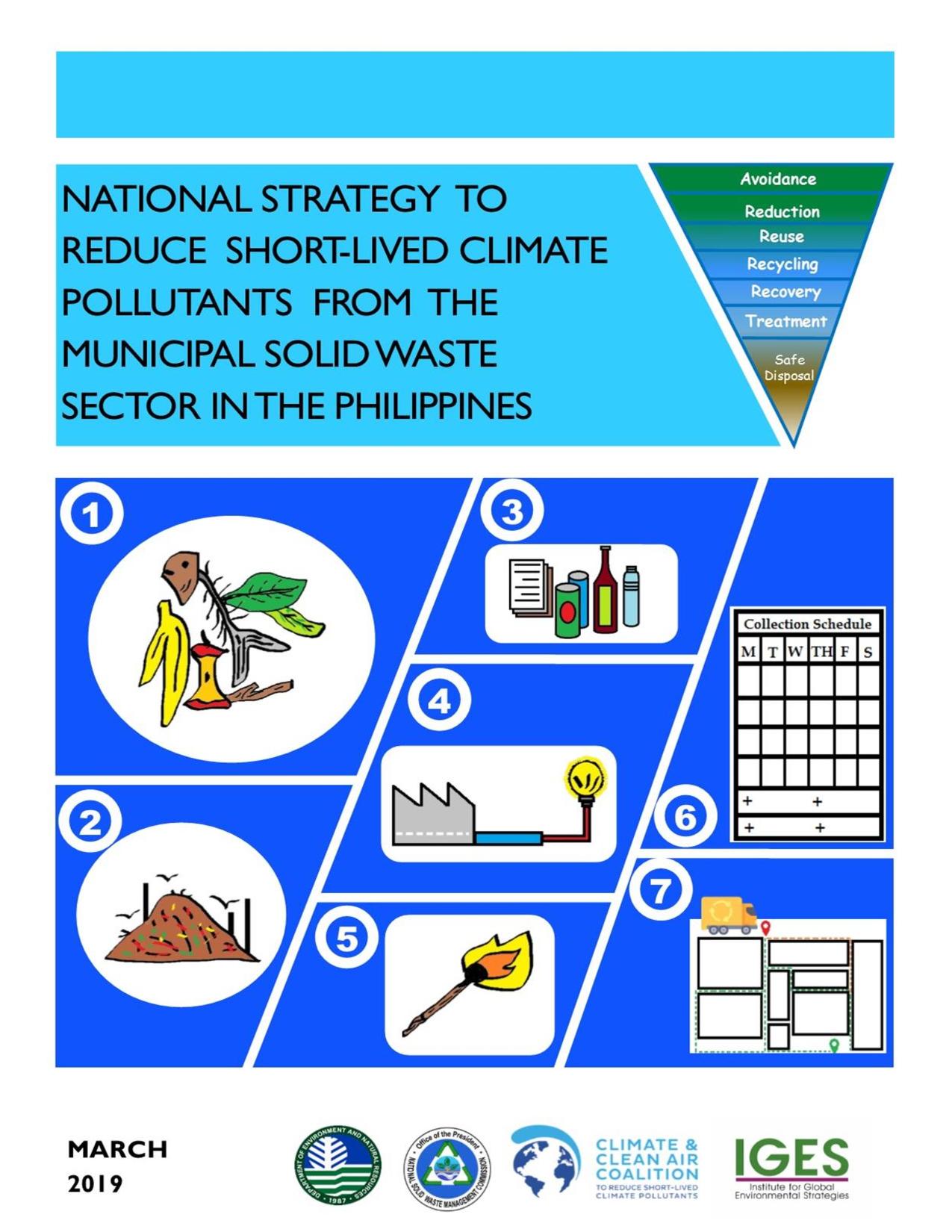
The National Strategy to Reduce Short-Lived Climate Pollutants from the Municipal Solid Waste Sector in the Philippines was developed through a multi-stakeholder consultation process led by the Department of Environmental and Natural Resources (DENR) through its Environmental Management Bureau’s (EMB) Climate Change Division (CCD) and Solid Waste...
Peer-reviewed Article
In Climate Change & Environmental Sustainability
Author:
Shalini
Dhyani
Paras
Pujari
Anil Kumar
Gupta
The last century has been largely characterised by (among many other things) increasing urbanisation, with cities across the world (including India) expanding in both number and size. Infrastructure growth, expansion of cities and consumption pattern of urban inhabitants are significant having enormous impact on ecosystems and natural resources...
Peer-reviewed Article
In UNISDR Global Assessment Report 19
This paper presents results from a regional survey conducted on the globalization of local risks through investments in the vulnerable regions of Asia. Some countries that have been successful in attracting global investments in manufacturing and service industries are also highly vulnerable to natural hazard risks raising an important issue of...
Peer-reviewed Article
In UNISDR Global Assessment Report 19
This paper evaluates the current institutional and policy environment in the ASEAN region, which is known as one of the most vulnerable regions to climate change impacts in the world. The future projections indicate that the region is prone to severe weather events including floods, typhoons, and droughts. Considering the importance of...
Book Chapter
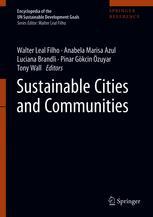
In Encyclopedia of the UN Sustainable Development Goals. Sustainable Cities and Communities
Urbanization plays a significant role in how the sustainable development goals (SDGs) can be achieved by countries and regions since they can deliver the benefits of SDGs to a relatively large number of people in a short period of time by concentrating efforts in relatively focused areas than the widely dispersed rural areas. With 55% of people...
Research Report
Author:
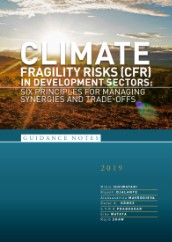
Ishiwatari, Mikio; Djalante, Riyanti; Mavrodieva, Aleksandrina; Gomez, Oscar; Wataya, Eiko; Shaw, Rajib
Climate change impacts on natural and human systems are increasing. Often affecting fragile economic, social and political systems, climate change is considered to be a serious ‘threat multiplier’. In this document, the risks on these existing systems are understood as climate fragility risks (CFRs). Considering CFRs in the development sector is...