

Results 1811 - 1820 of 5565 (Sorted by date)
Peer-reviewed Article
In Nature Communications
While Southeast Asia’s forests play important roles in biodiversity conservation and global carbon (C) balance, the region is also a deforestation hotspot. Here, we consider the five shared socioeconomic pathways (SSPs) to portray a range of plausible futures for the region’s forests, employing a state-of-the-art land change modelling procedure and...
Peer-reviewed Article

In Water
Rapid changes in land use and land cover pattern have exerted an irreversible change on different natural resources, and water resources in particular, throughout the world. Khambhat City, located in the Western coastal plain of India, is witnessing a rapid expansion of human settlements, as well as agricultural and industrial activities. This...
Peer-reviewed Article
In Climate Change & Environmental Sustainability
The last century has been largely characterised by (among many other things) increasing urbanisation, with cities across the world (including India) expanding in both number and size. Infrastructure growth, expansion of cities and consumption pattern of urban inhabitants are significant having enormous impact on ecosystems and natural resources...
Submission to Policy Process
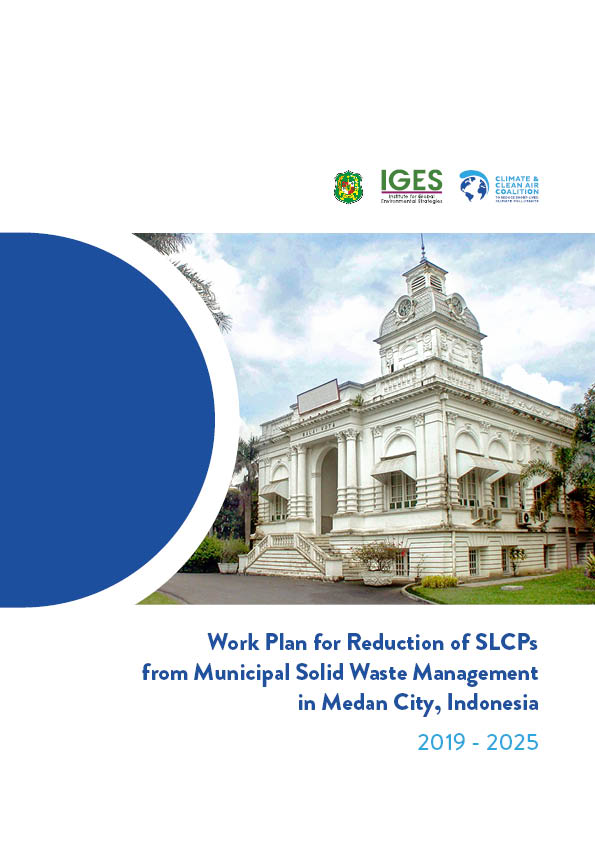
This Work Plan provides comprehensive and up-to-date analysis on the status, challenges and opportunities of waste management in Medan City, including relevant regulations and policies, administrative structure, waste management cost, waste quality and quantity, waste collection, 3Rs (reduce, reuse, recycle), and final disposal. Based on such...
Briefing Note
1. The GEO Series The Global Environment Outlook (GEO) series is the key process by which the United Nations Environment Programme (UNEP) fulfils its mandate of “keeping the environment under review”. The series comprises global and regional assessments, thematic assessments, and other derivative reports. As a key collaborating centre of UNEP, the...
Briefing Note
Outline - Plastics are everywhere and make up a large proportion of the waste stream. While plastic litter is a visual and physical environmental contaminant, especially in rivers and the marine environment, less visible microplastics are of increasing concern. Current control measures are often limited to banning single-use plastics, like plastic...
Briefing Note

Integrative approaches to land management, such as ecosystems-based approaches and landscape approaches, together with sustainable infrastructure and the sustainable use and conservation of biodiversity, provide multiple benefits. By providing stakeholders with a means to work through competing interests over land and natural resources, while at...
Submission to Policy Process
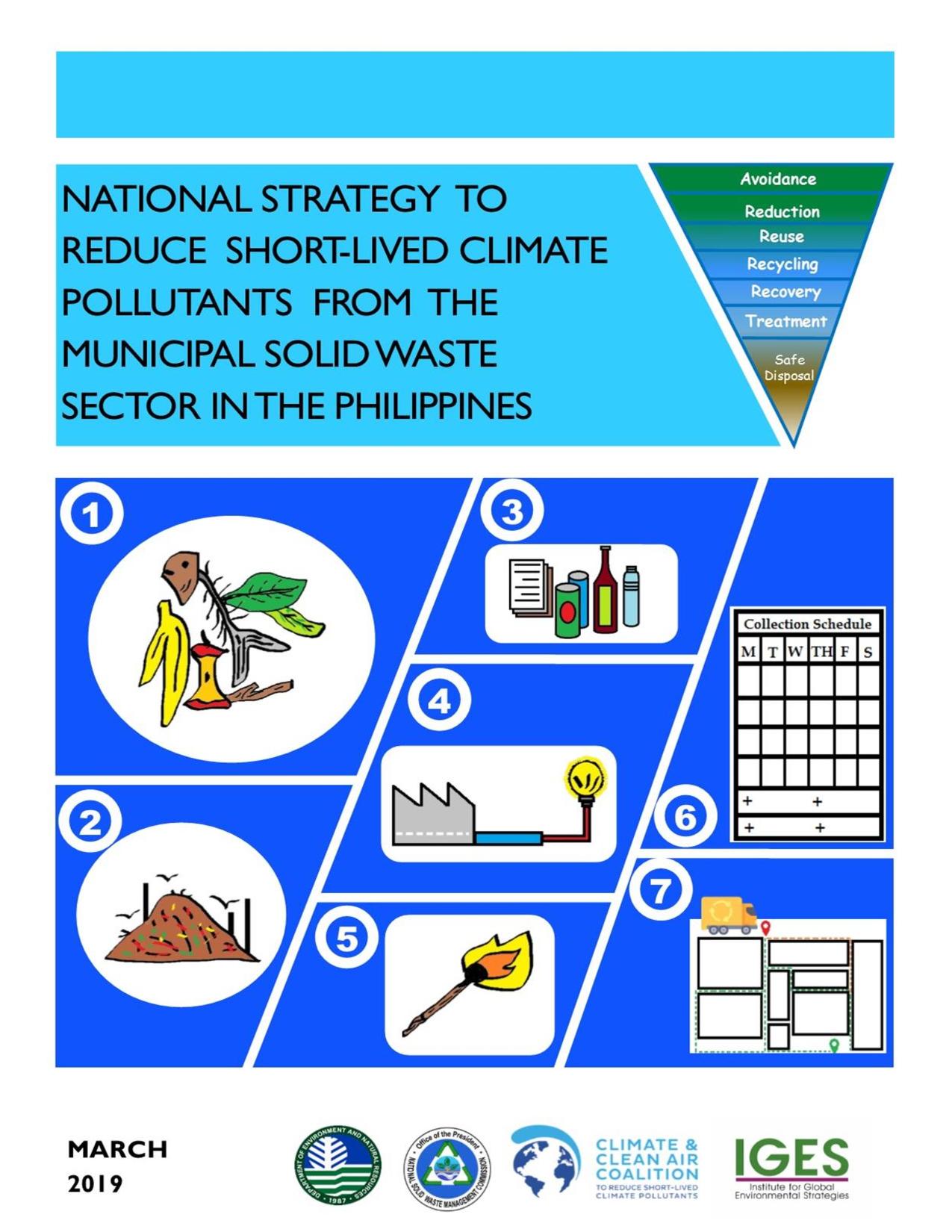
The National Strategy to Reduce Short-Lived Climate Pollutants from the Municipal Solid Waste Sector in the Philippines was developed through a multi-stakeholder consultation process led by the Department of Environmental and Natural Resources (DENR) through its Environmental Management Bureau’s (EMB) Climate Change Division (CCD) and Solid Waste...
Report Chapter
In Global Environment Outlook - GEO-6: Healthy Planet, Healthy People
This chapter introduces Part B of GEO-6: Policies, Goals, Objectives and Environmental Governance: An Assessment of Their Effectiveness.
Presentation

Regional collaboration for climate and SDG actions in the HKH
The objectives of the session are to emphasize the following points: Climate Change in the Hindu Kush Himalayas will seriously comprise food, nutritional and energy security in the region and downstream, severely challenging abilities of nations – particularly the poorer nations– to achieve the SDGs. There is an urgent need for collective climate...