Results 1 - 10 of 13 (Sorted by date)
Data or Tool
IGES Joint Crediting Mechanism (JCM) Database provides detailed information on the JCM methodologies, projects, and JCM feasibility studies to be utilized for research and development of JCM project. The JCM is being implemented under bilateral cooperation between Japan and 29 partner countries: Mongolia, Bangladesh, Ethiopia, Kenya, Maldives, Viet...
Book Chapter
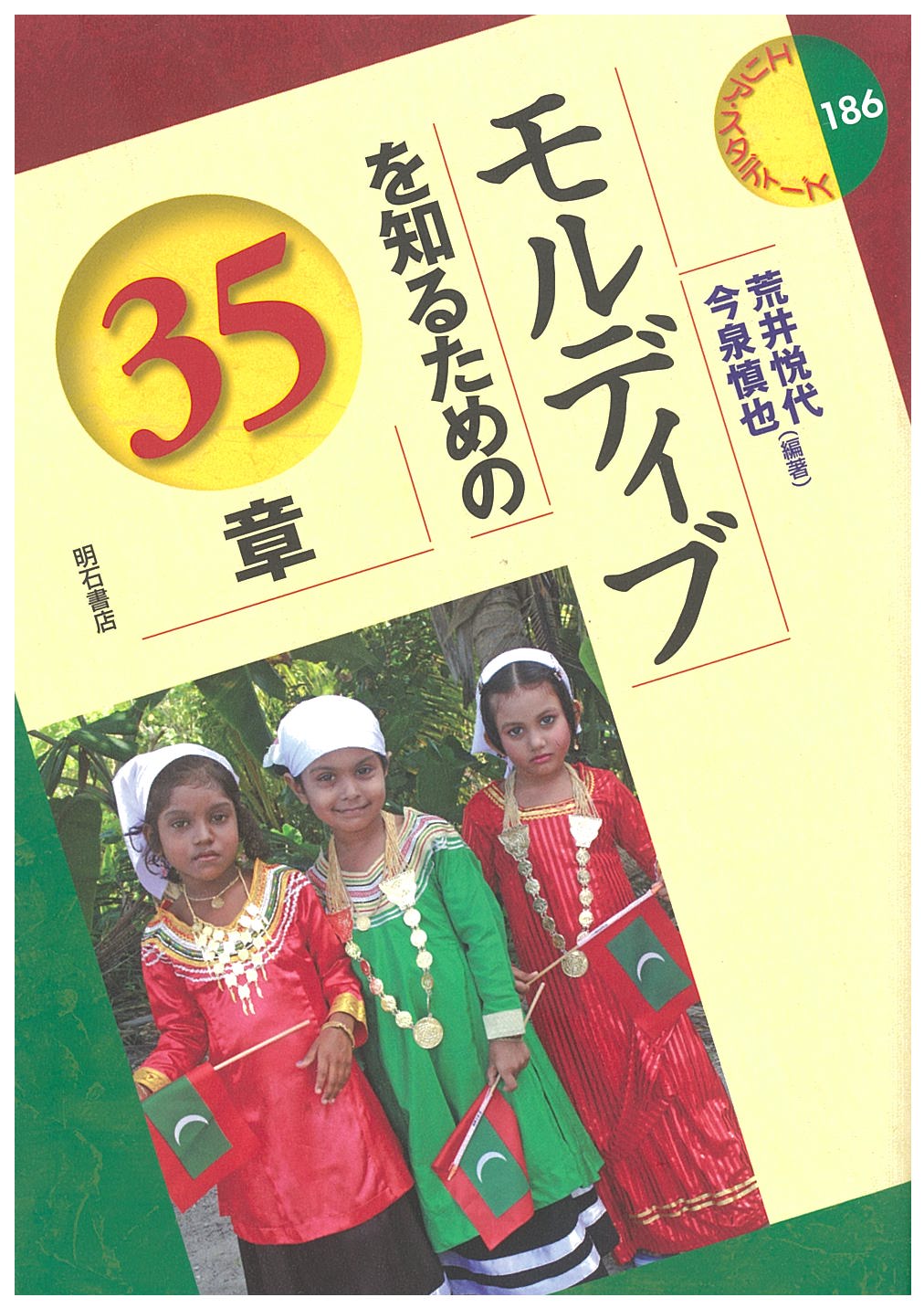
In モルディブを知るための35章
As in many developing countries, waste management is one of the greatest challenges faced by the Maldives. The limited or unavailbility of waste collection services, proper treatment, and disposal systems on the islands often results in dumping household waste on the beach, ocean, and forests and also open burning of waste. These activities are...
Presentation
TRAINING WORKSHOP FOR THE SAAFURAAJJE SMALL GRANT AWARD WINNERS
Author:
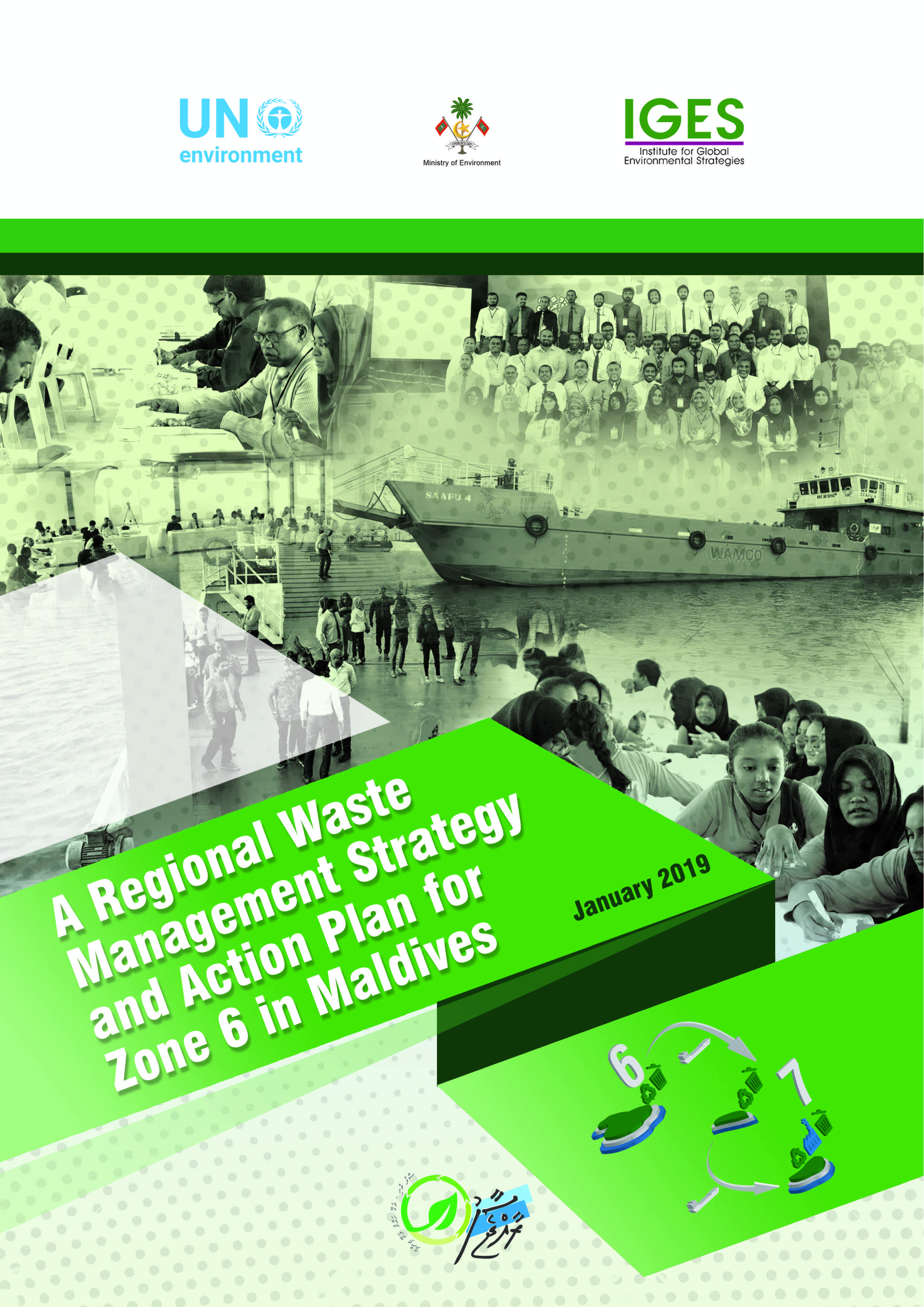
This presentation was delivered as a part of the training workshop on Saafraaj which was organized with aimed at developing capacity of Island Council members of Zone 6, Maldives, towards implementation of the regional waste management strategy.
Presentation
First Sub-Regional workshop on Preparation of status Report and Sub-regional Roadmap for Implementing the Global Waste Management Goals toward Addressing SDGs in South Asia
Author:
Home to roughly 1.8 billion people, South Asia generates approximately 334 million tonnes of waste per year of which 174 million tonnes (57%) is organic in content. In addition to the increase in municipal solid waste, managing complex and emerging waste streams, including e-waste, food waste, construction and demolition waste, disaster waste...
Submission to Policy Process
Maldives has had to face a growing challenge in managing its solid waste and associated environmental, economic and social issues. This situation is even worse in small islands due to the size of the island communities, insufficient infrastructure and waste transportation difficulties, absence of sufficient budget and appropriate cost recovery...
Commissioned Report
途上国の森林減少・劣化に由来する温室効果ガス排出の削減等(以下「REDD+」という。)は重要な気候変動対策であり、気候変動に関する国際連合枠組条約の第21回締約国会議(COP21)で合意された「パリ協定」にもその実施と支援を奨励することが明記されたところである。 REDD+の推進には、途上国に対する資金と技術の提供が必要とされているが、公的資金には限界があることから、今後、REDD+の取組みを拡大していくには、民間セクターからの資金や技術の提供が鍵となる。しかしながら、民間セクターがREDD+に対して投資するには、排出削減クレジットが獲得できる等のインセンティブが必要(①)とされる。また、途上国がREDD+を実施するには、COP決定を踏まえつつ、各々の国情に応じた排出削減量の算定...
Commissioned Report
Ministry of Environment of Japan - Commissioned Report
This draft report documents progress made on the “Low Carbon Technology Transfer Preparedness Database Project”, supported by the Ministry of Environment Japan in FY 2014. The report’s key focus lies on documenting subnational data gaps, sources and access issues whilst also describing contributions made to international processes on data and...
Data or Tool
The Sustainable Cities Database is a new information resource to help sustainable development actors identify potential partner cities for low-carbon technology transfer projects. Spatial and Demographic Indicators: Spatial and demographic characteristics are described using a range of indicators, including population size and density, natural...